New York Carpenter Ants Identification Guide
Camponotus novaeboracensis
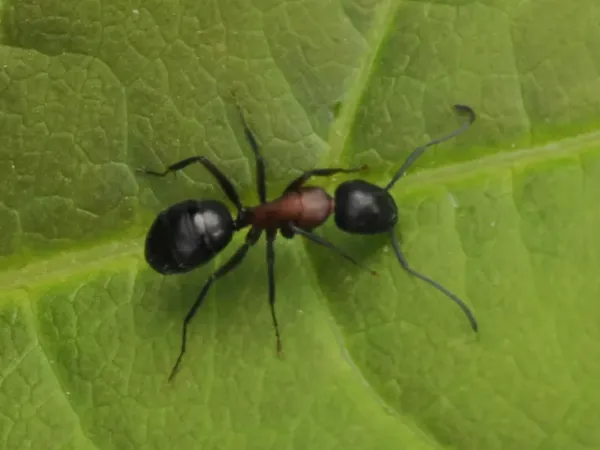
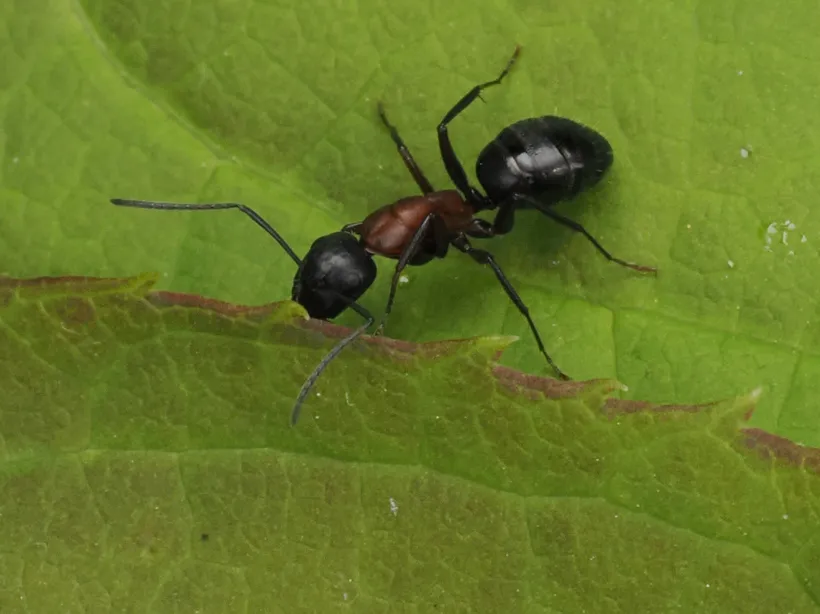
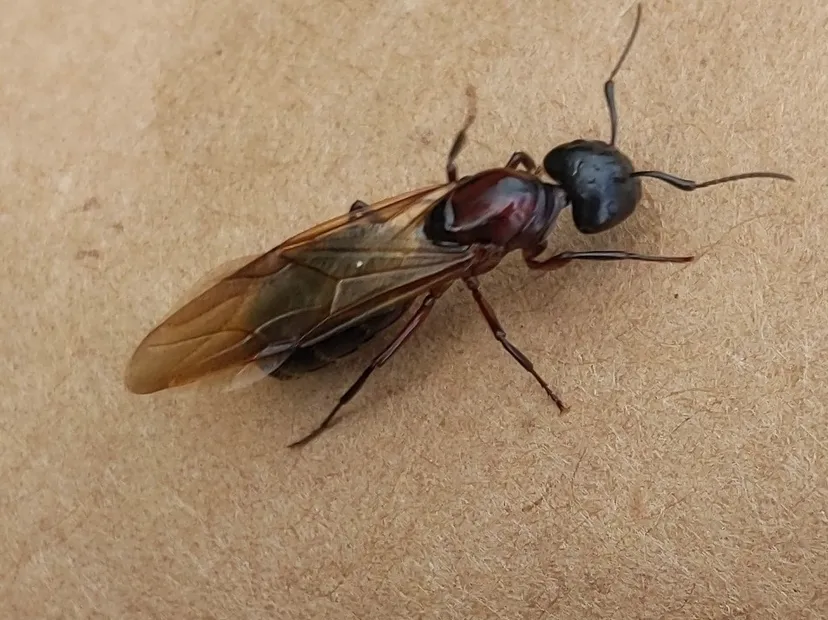
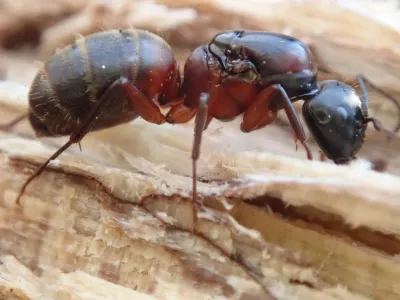
The New York carpenter ant is a large northern carpenter ant with a red thorax and waist, a black head, and a black abdomen with sparse pale hairs. Workers are about 1/4 to 1/2 inch long and nest in damp, rotting wood, stumps, and wetland edges.
Taxonomy
New York Carpenter Ants Coloration
Common color patterns to help identify new york carpenter ants
New York Carpenter Ants
Seasonal Activity
When new york carpenter ants are most active throughout the year

Where New York Carpenter Ants Are Found
Hover over states to see their names. Green regions indicate where new york carpenter ants have been reported.
New York Carpenter Ant Identification Guide
The New York carpenter ant (Camponotus novaeboracensis) is a large native ant of northern woods and wetlands. Its Latin name means “of New York,” where it was first described in 1855. You may also see it spelled noveboracensis, an older form of the same name. For damage signs, frass, and general prevention, see our main carpenter ants guide.
Physical Characteristics
- Size: Workers come in mixed sizes, from about 3/16 inch (5 mm) to just under 1/2 inch (about 12 mm). Large “major” workers have very wide heads. Queens are larger still.
- Color: The head and abdomen are black or dark reddish black. The thorax (middle section) and the waist node are red to reddish brown. The legs are usually dark.
- Abdomen hairs: Hairs on the abdomen are fine, short, and sparse. The abdomen looks smooth and shiny rather than golden or fuzzy.
- Thorax: Evenly arched in side view, with no dip and no spines. This smooth curve is a carpenter ant trait.
- Waist: One upright, scale-like node between the thorax and abdomen.
- Antennae: Elbowed, like all ants.
Winged queens and males have longer front wings than hind wings and a pinched waist. Swarming termites have four wings of equal length, straight antennae, and a thick waist. Our carpenter ants vs. termites guide explains the difference.
Look-Alike Carpenter Ants and Red-and-Black Ants
Color alone will not tell red-and-black carpenter ants apart. Check several features.
| Ant | Key features | Where it is most common |
|---|---|---|
| New York carpenter ant (C. novaeboracensis) | Red thorax and waist, black abdomen with sparse fine hairs | Northern U.S., southern Canada, wetlands and damp woods |
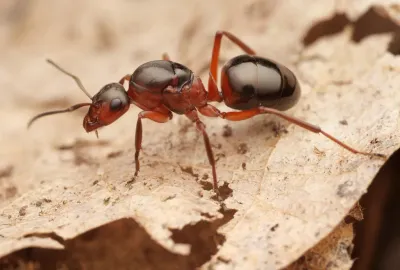
| Red carpenter ant (C. chromaiodes) | Red thorax, reddish legs, dense golden hairs on abdomen | Eastern U.S., including the Mid-Atlantic |
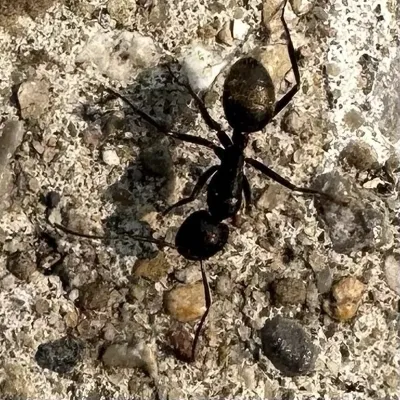
| Black carpenter ant (C. pennsylvanicus) | All black, with longer pale hairs on abdomen | Eastern U.S. and Canada, the top house pest |
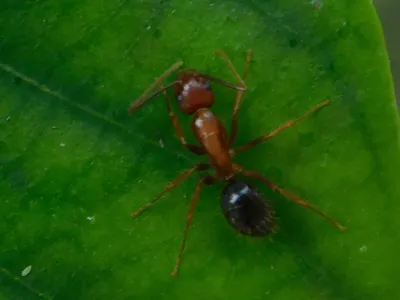
| Florida carpenter ant (C. floridanus) | Orange-red head and thorax, black abdomen | Florida and the Gulf Coast |
| Field ants (Formica spp.) | Some red and black, but the thorax has a dip in the profile | Soil nests in lawns and fields |
| Acrobat ants (Crematogaster spp.) | Much smaller, heart-shaped abdomen often held up over the body | Dead wood, foam insulation |
In the East, the red carpenter ant is the closest match. Even in Maine, University of Maine Extension notes the black carpenter ant is far more common. Out West, C. herculeanus and C. modoc can also look similar. For a sure answer, save a few workers in a sealed bag for an expert.
Where New York Carpenter Ants Live
This ant lives across the northern United States and southern Canada. Its range runs from Maine and Nova Scotia west through the Great Lakes to Washington and British Columbia. In the Rockies, it reaches south to Colorado and Utah. Virginia is near the southern edge of its range.
In Northern Virginia, Maryland, and DC, it is uncommon. Most local records come from cooler, higher, or wetter places. A big red-and-black carpenter ant in a DMV home is more likely the red carpenter ant.
New York Carpenter Ant Behavior and Biology
Habitat and Nesting
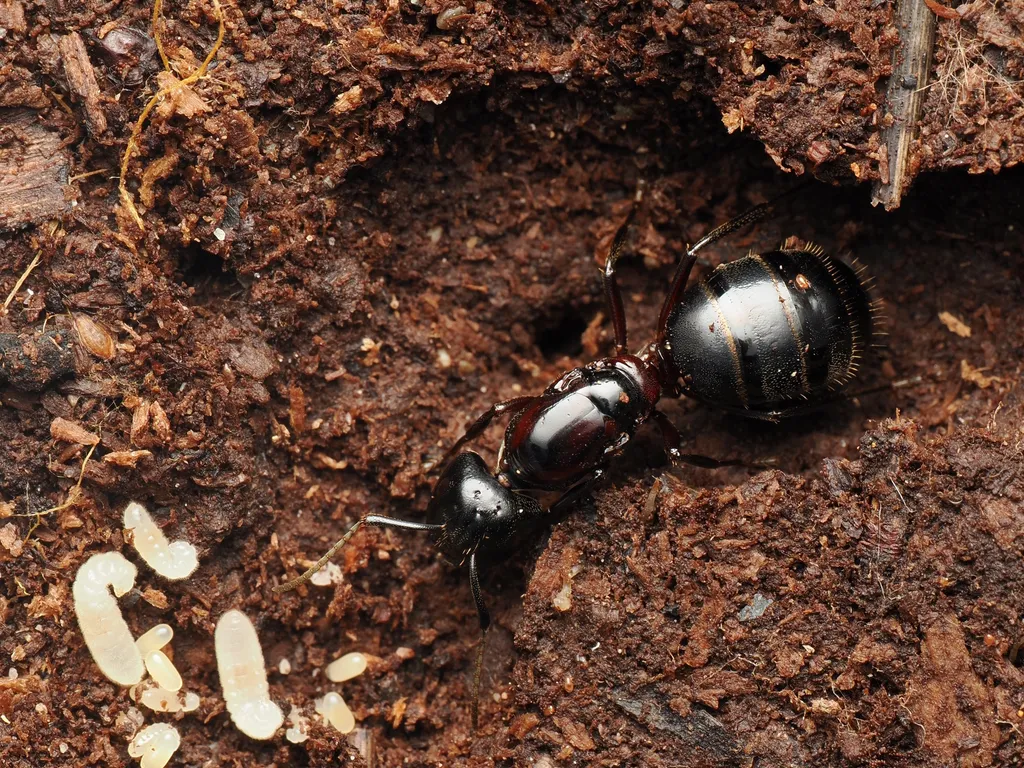
This species likes wet places: bogs, swamps, wet woods, and the edges of lakes and streams. In northern Indiana, nests have been found in rotten wood and inside big clumps of wetland grass. Common nest sites include:
- Rotting logs, stumps, and fallen branches
- Dead limbs and hollow spots in standing trees
- Soft, water-damaged wood near buildings, such as sills, porch posts, and window frames
Like other carpenter ants, a colony can have a main nest outdoors and smaller satellite nests nearby. A satellite nest inside a home is often fed by a main nest in a stump or tree. Seeing workers on a deck does not by itself prove a nest in the house.
Diet and Foraging
New York carpenter ants do not eat wood. They chew it out to make room and push the shavings, called frass, out of the nest. Their food includes:
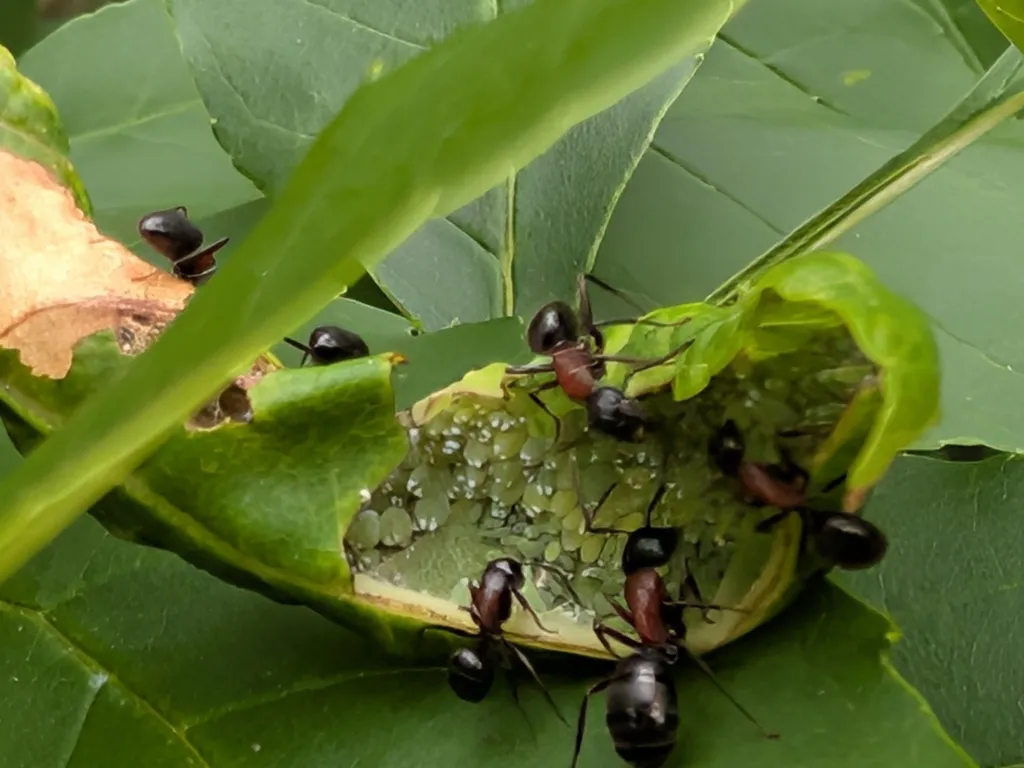
- Honeydew from aphids and treehoppers, which they tend on plants
- Live and dead insects
- Plant juices, flower nectar, and damaged fruit
- Sweets and greasy foods indoors
Workers forage on trees, shrubs, and foliage. A Minnesota forest study found they prey on several leaf-eating forest insects and rated their risk to forests as low.
Colony and Life Cycle
Each colony starts with one queen. She seals herself into a small hole in damp wood and raises the first workers alone. Like all ants, the young go through egg, larva, and pupa stages. A New Brunswick study found larvae may take two years to grow up in cold places.
Mature colonies produce winged queens and males. In southern Canada, mating flights have been reported from late June through July. In the Mid-Atlantic, workers become active as spring warms up, peak in summer, and slow down in fall.
How We Treat for New York Carpenter Ants
This species is uncommon in Northern Virginia, Maryland, and DC. If you do find one here, it is covered under our ant control service, and it is handled the same way as any other carpenter ant. Here is how professional carpenter ant treatment typically works.
- Inspection: A technician checks inside first, mainly kitchens, bathrooms, basements, and spots where ants were seen. They look for trails, frass, entry points, and damp or damaged wood. Then they check the foundation and yard for stumps, logs, and trees that may hold the main nest.
- Interior treatment: A non-repellent product goes into cracks, crevices, and voids where ants travel and nest. Ants cannot detect it. They carry it back and share it with nest mates, so it spreads through the colony.
- Exterior treatment: A non-repellent product is applied around the foundation and at entry points. This reaches workers that move between an outdoor nest and the house.
- Moisture and access: Wood rot, leaks, wood touching soil, and branches touching the house all invite carpenter ants. Fixing them matters as much as the treatment.
- Follow-up: Carpenter ant control takes time. On our plans, regular visits renew the exterior treatment, and unlimited free callbacks cover ants that return between visits.
Outdoor nests in wetlands and stumps far from the house usually do not need treatment. If structural wood looks soft or badly tunneled, have a contractor check it once the ants are under control.
References
- AntWeb: Camponotus novaeboracensis - Species description, type locality, and range
- BugGuide: New York Carpenter Ant - Identification and comparison with C. chromaiodes
- University of Maine Cooperative Extension: Carpenter Ants - Species found in Maine and how common each is
- Rutgers Cooperative Extension FS1101: Carpenter Ants and Their Control - Finding nests, baiting, and control
- University of Maryland Extension: Carpenter Ants - Damage, nest sites, and moisture problems in Mid-Atlantic homes
- Colorado State University Extension: Carpenter Ants - Telling winged ants from winged termites
- University of Minnesota: Ecological Risk Assessments for Insect Species - Flight timing, prey, and forest risk for this species
Other Ants
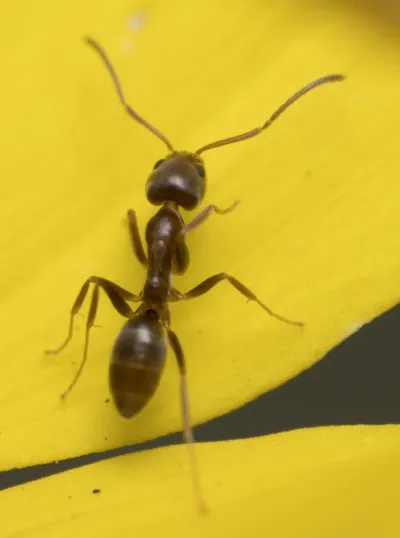
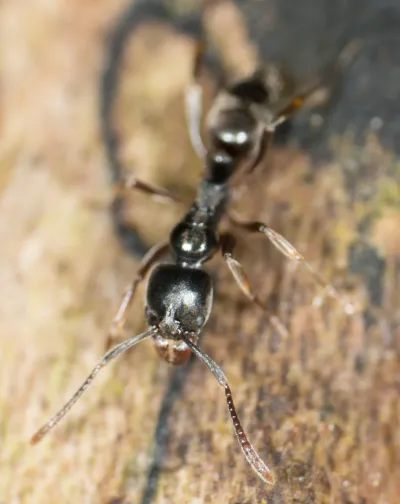
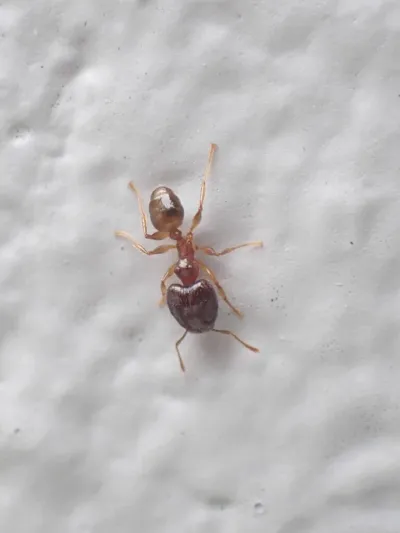
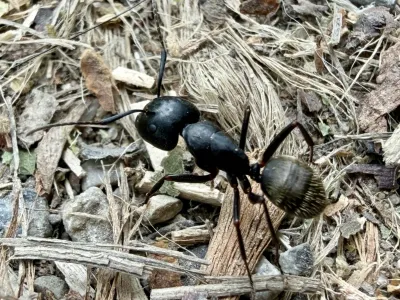
Explore other species in the ants family
Commonly Confused With
New York Carpenter Ants are often mistaken for these similar pests
Where New York Carpenter Ants Are Found
Hover over states to see their names. Green regions indicate where new york carpenter ants have been reported.
Common Questions about New York Carpenter Ants
What is a New York carpenter ant?
+
The New York carpenter ant, Camponotus novaeboracensis, is a large native carpenter ant named for New York, where it was first described. It has a black head and abdomen with a red thorax and waist. It lives across the northern United States and southern Canada, from Maine and Nova Scotia west to Washington and British Columbia.
Are New York carpenter ants common in Virginia, Maryland, and DC?
+
Not very. Virginia and Maryland sit near the southern edge of its range, and most local records come from cooler, higher, or wetter areas. In Northern Virginia, Maryland, and DC, a big red-and-black carpenter ant is more often the red carpenter ant. The black carpenter ant is the most common carpenter ant in homes here.
How do I tell a New York carpenter ant from a red carpenter ant?
+
Both have a red thorax and dark head and abdomen. The red carpenter ant usually has reddish legs and dense golden hairs that give its abdomen a sheen. The New York carpenter ant has sparser, finer pale hairs, so its abdomen looks smoother and more shiny black. You usually need a hand lens, and an expert ID is the surest answer.
Do New York carpenter ants damage houses?
+
They can. They do not eat wood, but they chew nest tunnels in wood that is already damp or rotting. A nest in a sill plate, window frame, or porch post can slowly widen the damage. Most of this species nests outdoors in logs, stumps, and wet ground, so a few workers on a deck do not always mean a nest in the house.
Do New York carpenter ants bite?
+
They have no stinger. A large worker can pinch with its jaws if handled or if its nest is opened, and it may spray a little formic acid. The pinch is brief. They are not known to spread disease. This is not medical advice, so talk to a doctor if a bite causes a strong reaction.
When do New York carpenter ants swarm?
+
In southern Canada, mating flights have been reported from late June through July, and in Minnesota in June. Winged queens and males can sit in the nest over winter before they fly. Many winged ants at an indoor window in late winter or spring can mean a nest inside the house.
How do you get rid of New York carpenter ants?
+
Find the nest and fix the moisture that drew the ants in. Then treat with a product that reaches the colony, not just the ants you see. Spraying workers on a counter rarely solves the problem. Our ant control service uses non-repellent products that ants carry back to the nest, plus advice on leaks and wood rot.

With five years of hands-on experience in the pest control industry, George Schulz is a registered technician with the Virginia Pest Management Association and a proud third-generation professional in a family business that's been protecting homes for over 58 years. He manages and trains a team of service pros while also leading internal research efforts—recently spearheading a deep-dive review of thousands of documents on pest control materials to hand-pick the most kid and pet friendly, most effective solutions tailored specifically for homes in the DC metro area.
Local Ants Help
Dealing with ants at home? Our licensed technicians provide ant control across Northern Virginia and Maryland.
