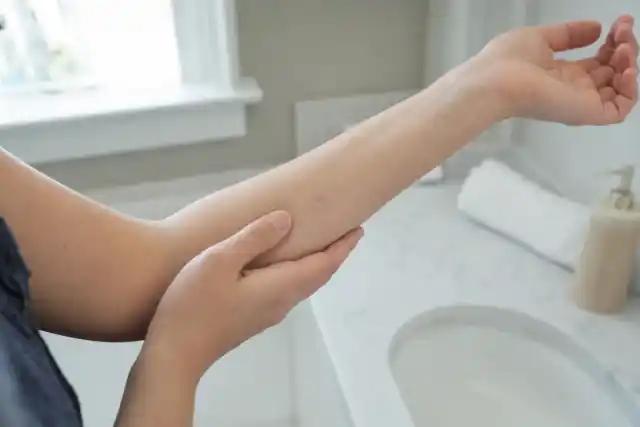

A brown recluse bite usually looks like nothing at first. Most people never feel it. Over the next few hours the spot can turn red, swollen, and tender. In the first day or two, some bites form a small blister with a pale ring and a bluish center, which doctors call the “red, white and blue” sign. Most bites stop there and heal in a few weeks. A smaller number turn into a dark, sunken scab that leaves an open sore.
Here is the other half of the answer. A brown recluse bite is rare in Northern Virginia and Maryland, and many skin problems look just like one. I’m George Schulz with Better Termite & Pest Control. I’m not a doctor, and this page is not medical advice. What I can do is walk you through what the medical and university sources say a real bite looks like, what usually gets mistaken for one, and when to get it checked.
What a Brown Recluse Bite Looks Like, Stage by Stage
Every bite is different. How it looks depends on how much venom went in, where the bite is, and the person’s health. Still, real recluse bites tend to follow the same rough timeline.
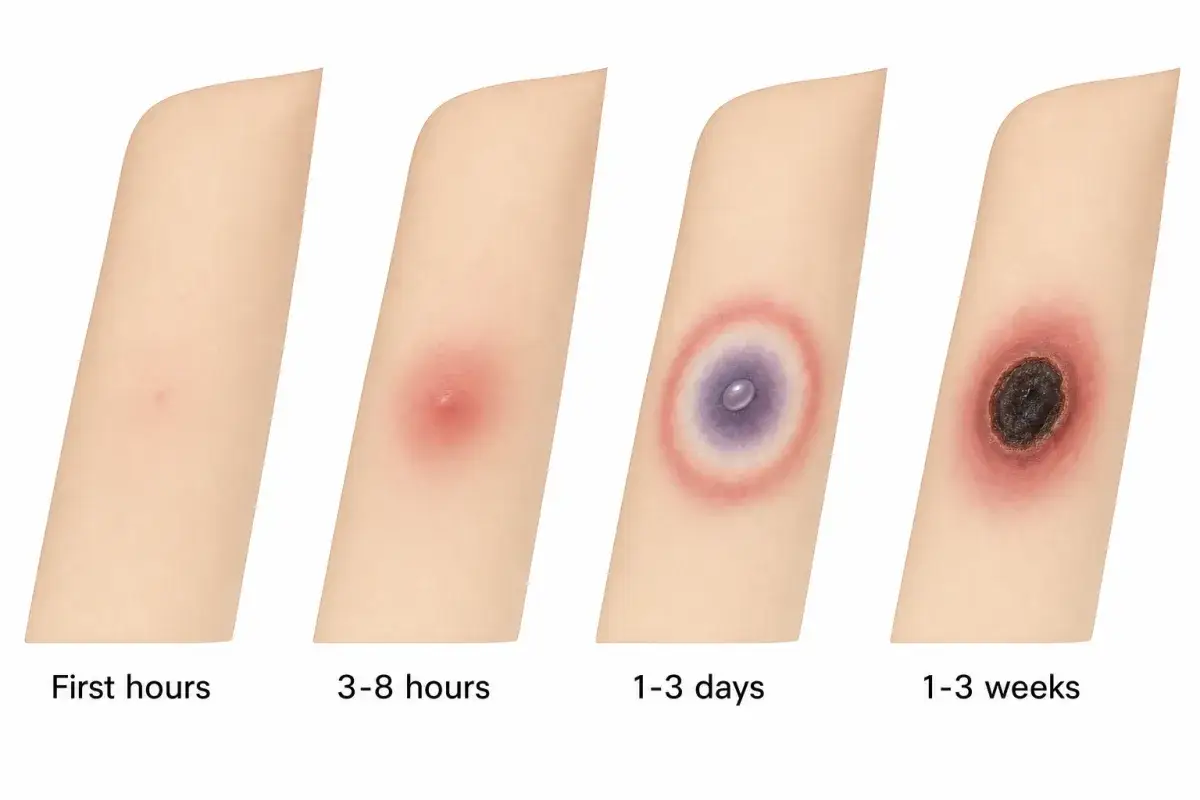
The bite may feel like a quick sting or nothing at all. There may be no mark, or just a tiny red dot. It doesn’t hurt, so most people don’t know they were bitten until later.
According to the University of Kentucky Entomology fact sheet, the bite site may become red, swollen, and tender about 3 to 8 hours later. Pain usually starts somewhere in this window.
A small blister often appears in the first 12 to 24 hours. Around it, you may see three zones: a red outer ring, a pale white ring, and a bluish or purplish center. That is the red, white and blue sign. The center may look like a bruise or a bullseye.
In the minority of bites that turn severe, the center becomes a dry, sunken, bluish-black patch with uneven edges. Cleveland Clinic notes an ulcer may form at 3 to 5 days, with skin breakdown at 7 to 14 days in severe cases.
Most bites heal in about three weeks. In severe cases, a hard black scab (an eschar) forms. MedlinePlus says it falls off after about 2 to 5 weeks, and the ulcer left behind may take many months to heal and leave a deep scar.
The Red, White and Blue Sign
The most talked-about feature of a real recluse bite is the three-color pattern. A 2019 pediatric case review explains why. The red ring is inflammation. The white ring is skin that has lost its blood flow. The blue center comes from tiny clots in the vessels.
Basically, the venom damages the small blood vessels under the skin. That is also why a real recluse bite is pale or bluish in the middle, not bright red. A bump with a bright red, raised center points more toward an infection or a different bite.
What Most Recluse Bites Actually Look Like
Online photos skew toward the worst cases. In reality, the majority of recluse bites stay small. The University of Kentucky fact sheet above says most remain localized and heal within three weeks without serious complications or medical treatment.
So a typical real bite looks like a flat, slightly sunken, pale or purplish spot with some redness around it. It slowly fades over a few weeks. The dramatic open wounds you see in image searches are real, but they are the exception.
Signs It May Not Be a Brown Recluse Bite
This section matters more than any photo. Researchers at UC Riverside, led by spider expert Rick Vetter, built a checklist called NOT RECLUSE to help doctors rule a recluse out. If a wound has one or more of these features, something else is more likely.
| Letter | What it stands for | What a real recluse bite usually does |
|---|---|---|
| N | Numerous | It’s a single wound, not several spots |
| O | Occurrence | It happens indoors, in a closet, bed, or stored box, not while gardening |
| T | Timing | It happens from spring to early fall, roughly April to September |
| R | Red center | The center is pale or bluish, not red |
| E | Elevated | It’s flat or sunken, not raised |
| C | Chronic | It heals within about three months |
| L | Large | It stays under about 10 cm (4 inches) across |
| U | Ulcerates too early | It doesn’t open up before about day 7 |
| S | Swollen | There’s little swelling, except on the face or feet |
| E | Exudative | It’s dry; pus or weeping points to infection |
Common Look-Alikes
This is the big one. A 2007 study in the Journal of the American Board of Family Medicine found that patients with MRSA skin infections often come in saying they have a spider bite. MRSA sores tend to be raised, red in the center, warm, and draining pus. Several can show up at once. That is the opposite of a recluse bite, and it needs prompt treatment.
Lyme disease can cause a bullseye rash called erythema migrans. It usually expands over days and is flat with a red outer ring. It isn’t a sunken, bluish wound. Ticks are common across Virginia and Maryland. If you’ve been outdoors and see an expanding bullseye, tell your doctor about possible tick exposure.
Other bugs bite too. Mosquitoes, fleas, chiggers, and carpet beetle larvae can all leave red, itchy marks, often several at once. Common house spiders rarely bite, and when they do the bite usually looks like a mild insect sting. A cluster of itchy red bumps is almost never a recluse.
UC Riverside’s list of conditions confused with recluse bites runs long. It includes shingles, herpes simplex, poison ivy, chemical burns, fungal infections, and pyoderma gangrenosum. Diabetic and pressure ulcers can look similar, too. A doctor can sort these out, and many need very different treatment than a bite would.
The takeaway is simple. A wound that is raised, red in the middle, weeping, or one of several spots is more likely something else. That matters, because an infection like MRSA needs a very different treatment than a bite.
According to American Family Physician, there is no lab test that confirms a recluse bite. Only about 1 in 10 people with a suspected bite bring the spider in. That means most “recluse bites” are diagnosed by appearance alone. The same review notes that bites are most often self-limited, and typical wound care is the best option when the spider isn’t confirmed.
Brown Recluse Bites in Virginia and Maryland
This is where location changes the odds. Brown recluses are common in states like Missouri, Arkansas, Kentucky, and Tennessee. They are not established here in the DMV.
- Virginia: Virginia Tech says the natural range reaches only the very tip of southwestern Virginia. Isolated populations have been confirmed elsewhere in the state, likely brought in with household goods or firewood.
- Maryland: University of Maryland Extension says Maryland is outside the natural range. Recluses can hitchhike here in boxes, but they won’t survive the winter outdoors.
There’s a clear pattern in places without established recluses. The same family medicine study found South Carolina doctors diagnosed 478 recluse bites in 1990 and 738 in 2004. Yet only 44 brown recluse spiders had ever been verified in the whole state, going back to 1953. In other words, far more “bites” were diagnosed than spiders were ever found.
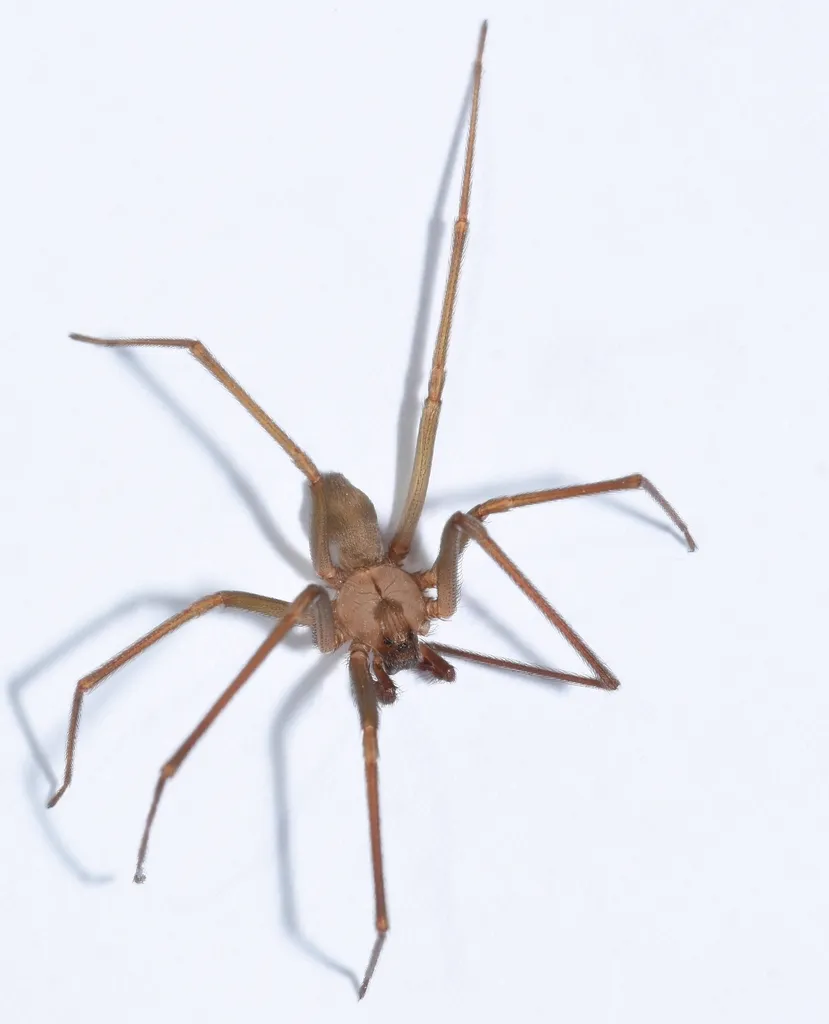
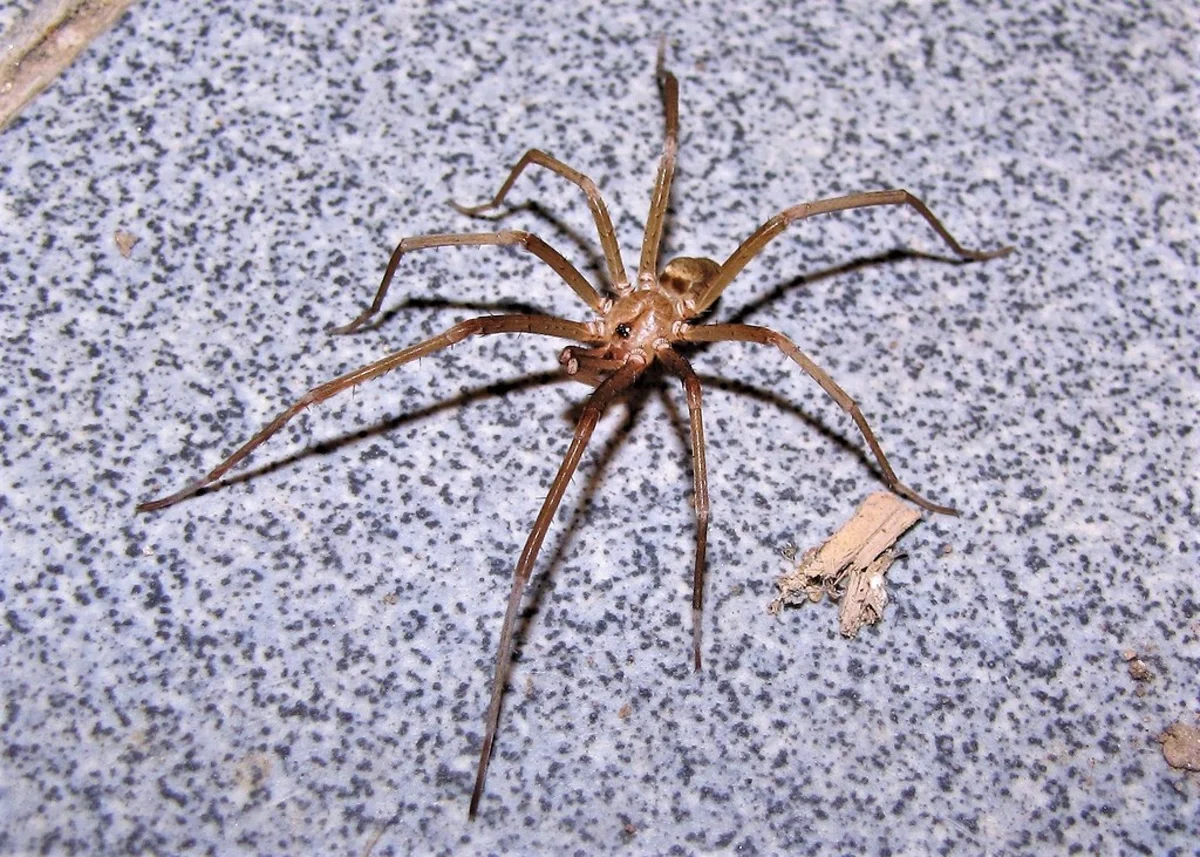
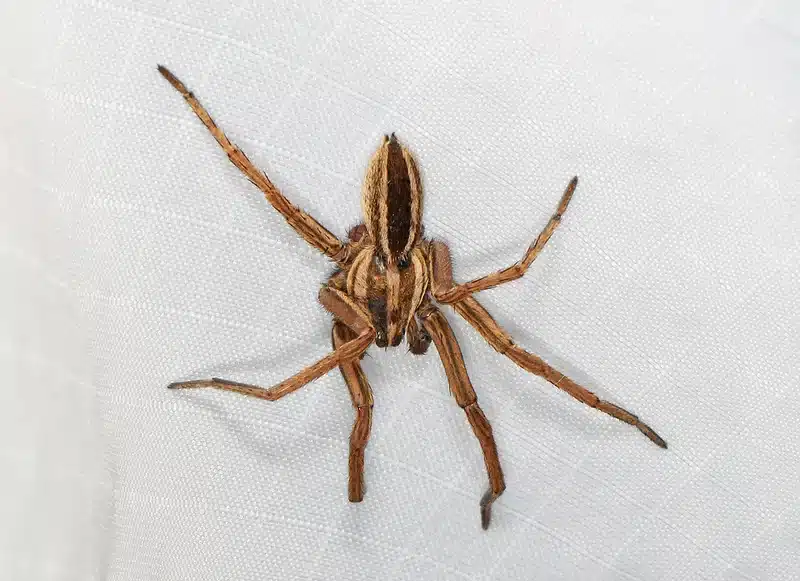

So if you live in Fairfax, Arlington, Alexandria, or Montgomery County and have a wound that looks bad, don’t stop at “spider bite.” Ask your doctor about infection. And if you find brown spiders in the house, check what they actually are. Our technician Daren says the spiders he sees most across the DMV are common house spiders, funnel weavers, and wolf spiders. Each of these gets mistaken for a recluse, as our comparisons of the brown recluse vs. house spider and the brown recluse vs. wolf spider show.
What to Do If You Think You Were Bitten
Start with simple first aid. Then watch the bite closely.
- Wash the area with soap and water.
- Apply a cool compress or ice wrapped in a cloth, about 10 minutes at a time.
- Raise the area if you can, and keep it still.
- Take a photo once a day so you or your doctor can see how it changes.
- Try to catch the spider. Trap it in a jar or on clear tape, even if it’s squashed. A confirmed ID is the strongest evidence there is.
Don’t cut the bite, try to suck out venom, or put heat on it. The Tennessee Poison Center at Vanderbilt notes that recluse bites usually heal very well when they are left alone, and advises against home remedies like ointments.
When to See a Doctor
Get medical care right away if you notice any of these:
- Redness or a dark area that keeps spreading
- Pain that gets worse after the first day
- A center that turns dark blue, purple, or black
- Pus, warmth, or red streaks, which point to infection
- Fever, chills, nausea, a rash, or body aches
- Dark or red urine, which can signal a rare whole-body reaction
That whole-body reaction, called systemic loxoscelism, is rare. The pediatric review above estimates it affects about 1% of people bitten, but closer to 15% of children. So a child with a suspected recluse bite should see a doctor even if the wound looks mild.
Spiders are one of the top pests we handle across Northern Virginia, especially in wooded areas like Mount Vernon. They build up fast in the eaves of homes. When someone is worried about a recluse, identifying the spider comes first. In our area, the answer is almost always a house spider, a funnel weaver, or a wolf spider.
Our approach to spider problems is two-pronged. First, we remove the existing webs from eaves and corners with a long-handled web brush. Then we apply a non-repellent perimeter treatment along the foundation. That cuts down the spiders and the insects they feed on, without guessing about what species you have.
How to Lower Your Chances of a Spider Bite
Recluses and most house spiders bite only when pressed against skin. That usually happens when someone puts on clothes or shoes, or reaches into a stored box. A few habits help with any spider:
- Shake out shoes, gloves, and clothes that have been sitting in a closet, garage, or basement.
- Move the bed a few inches off the wall and keep bedding off the floor.
- Store items in sealed plastic bins instead of cardboard boxes.
- Wear gloves when sorting storage in the attic, garage, or basement.
- Seal gaps around doors, windows, and utility lines, and use sticky traps in quiet corners to see what’s moving around.
If traps keep filling up, or you find spiders in bedding and stored clothes, it’s time to bring in help.
Getting Help With Spiders in Your Home
A brown recluse bite usually starts as a painless red spot, may form a blister with a red, white and blue pattern, and in most cases heals in a few weeks. A minority darken and ulcerate. So many conditions look alike that a doctor should judge the wound, and let the spider tell you what it is.
If you’re finding spiders inside, our licensed technicians can identify what you have and set up spider control for your home. Better Termite & Pest Control has served Northern Virginia and suburban Maryland for 58 years. Every product we use is EPA approved and has gone through our internal research team. Call us at 703-683-2000 or email info@bettertermite.com with questions or for an estimate.