Pirate Spiders Identification Guide
Mimetidae (family)
Pirate spiders are small, spiny-legged spiders that hunt other spiders. They creep into webs, pluck the silk to lure the owner out, then bite. They are common in eastern gardens and homes and are harmless to people.
Taxonomy
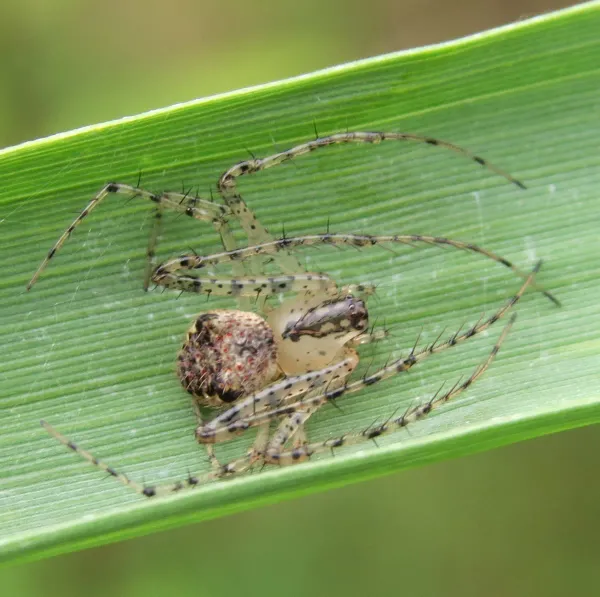
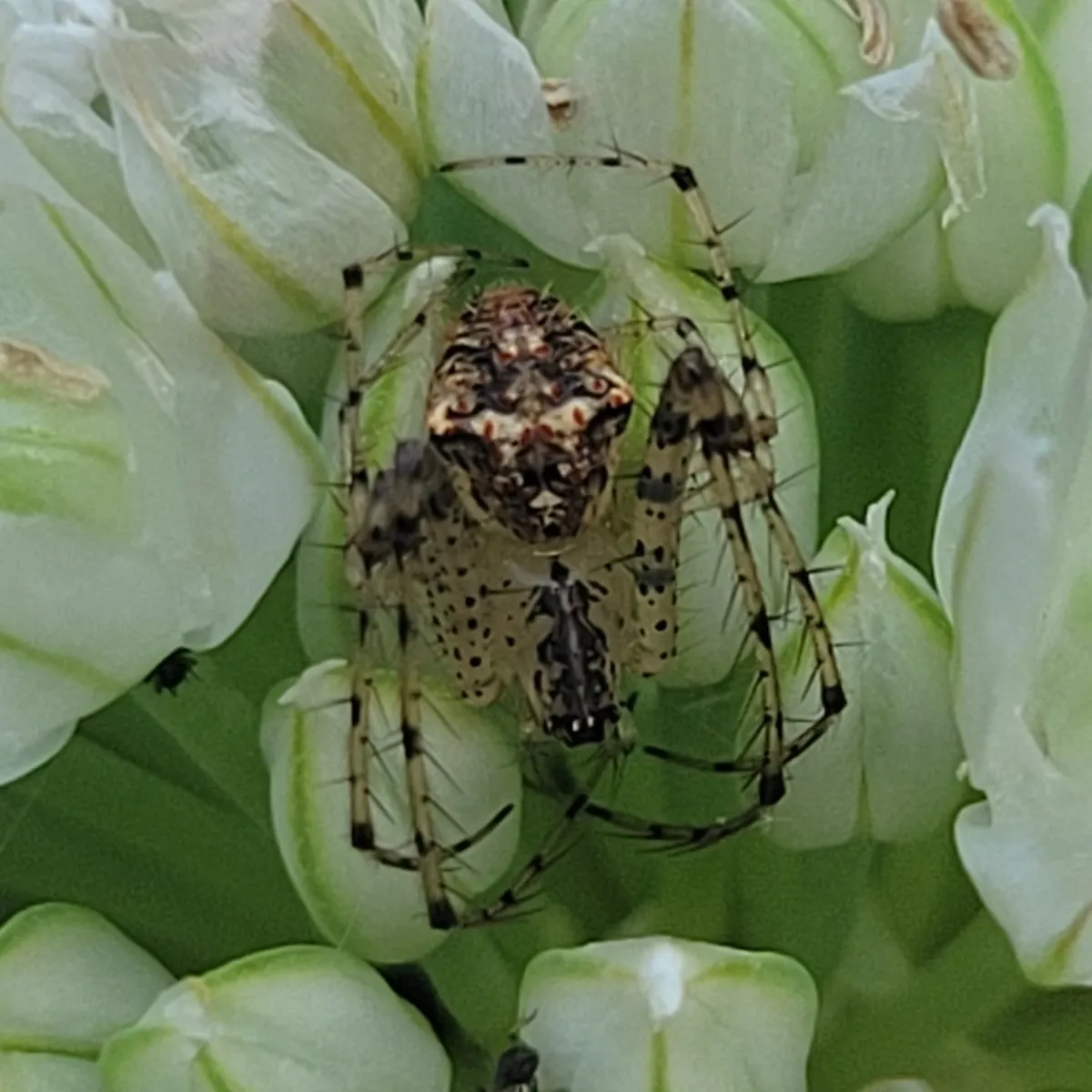
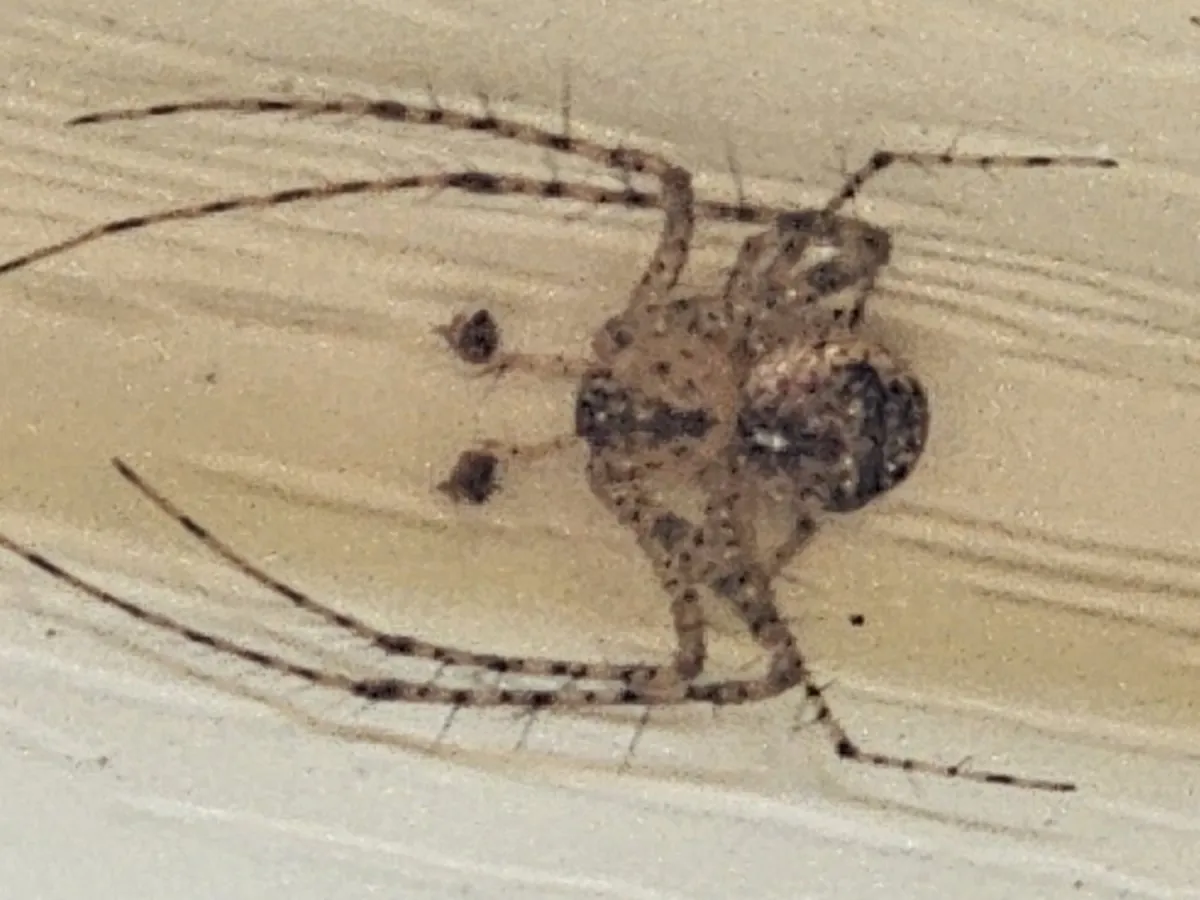
Pirate Spiders Coloration
Common color patterns to help identify pirate spiders
Pirate Spiders
Seasonal Activity
When pirate spiders are most active throughout the year

Where Pirate Spiders Are Found
Hover over states to see their names. Green regions indicate where pirate spiders have been reported.
Pirate Spider Identification Guide
Physical Characteristics
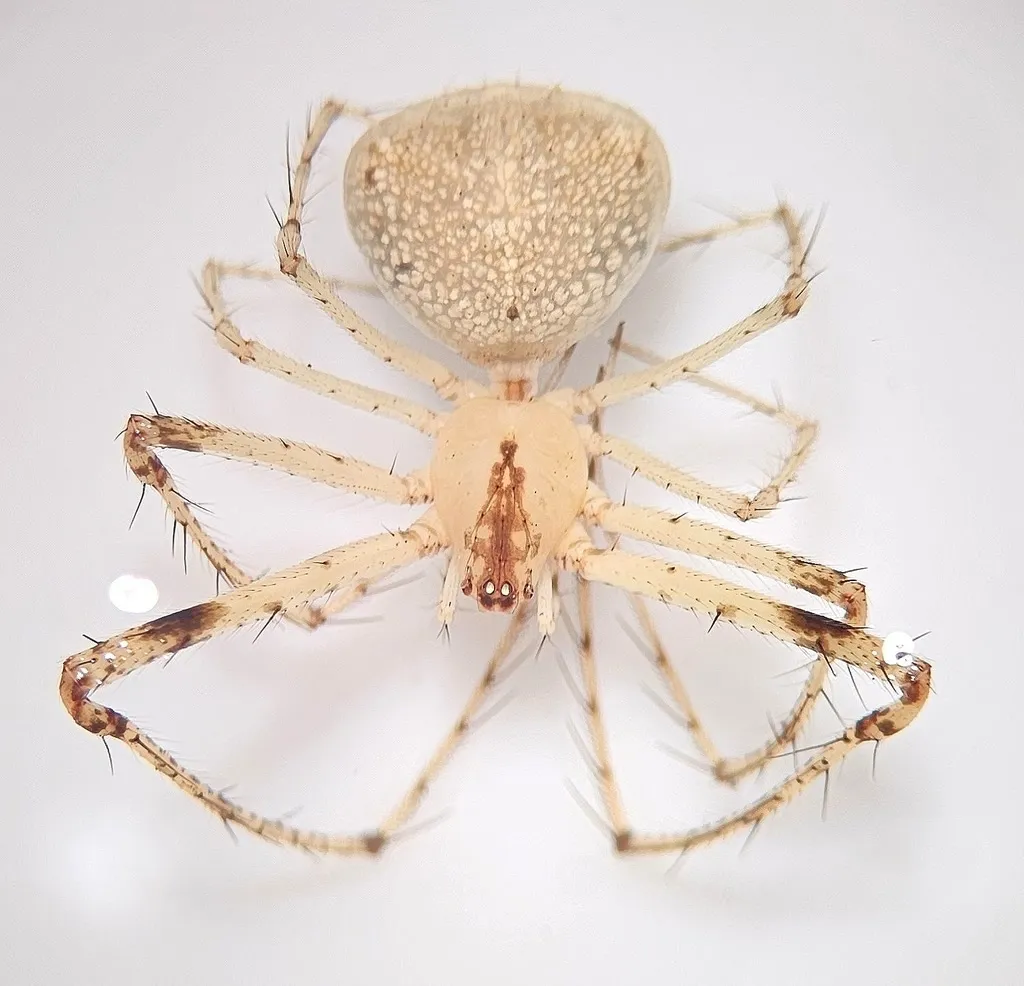
Pirate spiders (family Mimetidae) are small, slow spiders. They eat other spiders. The common pirate spider (Mimetus puritanus) is the one most people in the eastern United States and Canada will see. Adult females are about 5 millimeters long, a little under 1/4 inch. Males are slightly smaller.
Look for these features:
- Spiny front legs. This is the key trait. The first two pairs of legs have a row of long, curved spines. Shorter spines sit between them. Spider experts at the University of Kansas call this comb-like spine pattern the trait that sets the whole family apart.
- Pale body with dark marks. Most are cream to pale yellow or tan. The Illinois Department of Natural Resources notes that the reticulated pirate spider has dark lines running back from the eyes and black spots and bands on the legs.
- High, round abdomen. The abdomen is tall at the front. It is often mottled with brown, red, black, or white. Some have bumps on top.
- Long legs. The legs are long for the body size and are often held out stiffly to the sides.
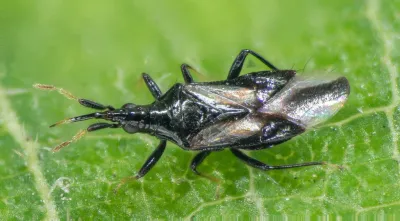
Pirate Spider vs. Minute Pirate Bug
The names cause a lot of mix-ups. A minute pirate bug is not a spider at all. It is a true bug with six legs, wings, and a black-and-white body about 1/8 inch long. In late summer and fall it can give a sharp, itchy bite to people working in the yard.
A pirate spider has eight legs, no wings, and almost never bites people. If what you found has wings or six legs, it is not a pirate spider.
Other Look-Alikes
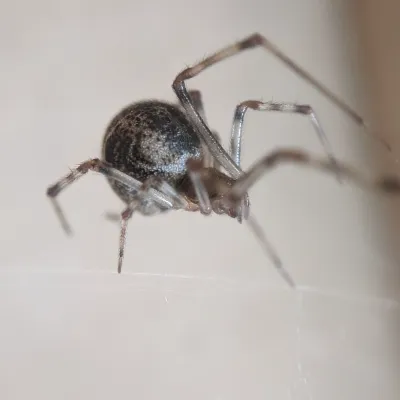
- Common house spiders and triangulate cobweb spiders also have round abdomens and sit in tangled webs. They do not have rows of long spines on the front legs. Pirate spiders often move into these webs to hunt the owners.
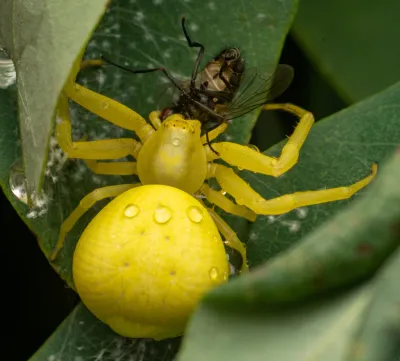
- Crab spiders hold their legs out to the sides and wait on flowers too. Their first two legs are much thicker than the back legs. Their bodies are also flatter.
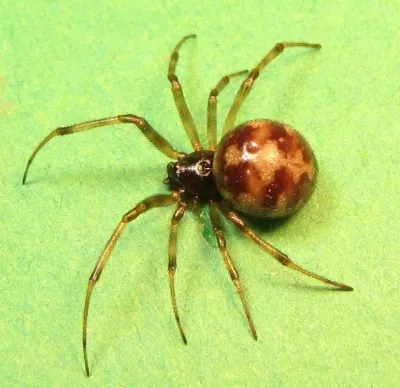
- Young orb weavers have a similar round, patterned abdomen. They sit in the middle of a wheel-shaped web they built themselves.
Common Species
- Common pirate spider (Mimetus puritanus): by far the most often reported kind. It is found from Ontario and Maine south to Florida and west to Texas.
- Reticulated pirate spider (Mimetus notius): found across much of the East and South, including Virginia and Texas.
- Western pirate spider (Mimetus hesperus): the common kind in California and the Pacific Northwest.
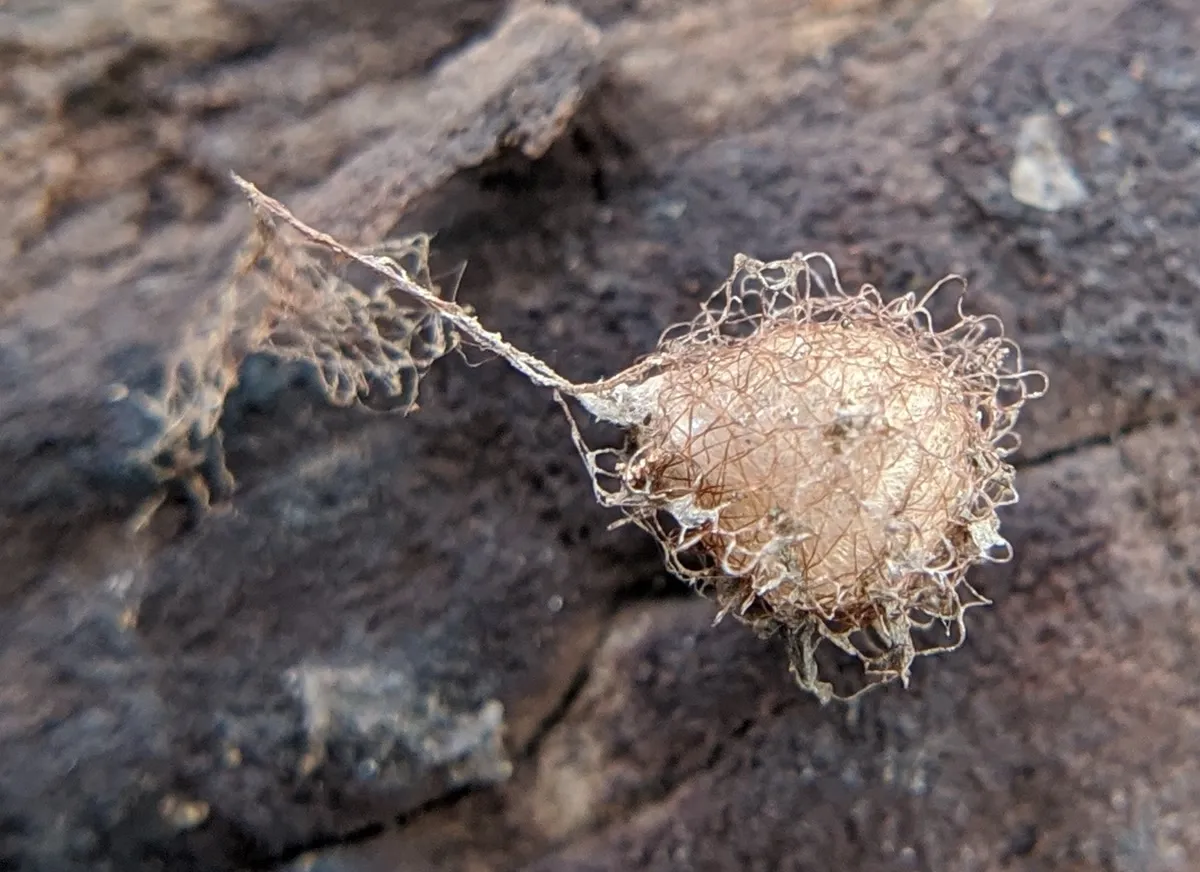
- Ero species (such as Ero canionis and Ero leonina): tiny pirate spiders, about 3 millimeters long, with humps on the abdomen. They are known for egg sacs that hang on a long silk stalk.
Pirate Spider Behavior and Biology
How Pirate Spiders Hunt
Pirate spiders do not build webs to catch food. Instead, they raid other spiders’ webs. Research on the family shows they invade webs and fake vibrations to lure the owner out. Scientists call this aggressive mimicry.
Here is how a typical attack works:
- The pirate spider walks slowly onto the edge of a web.
- It plucks the silk. The tugs feel like a trapped insect or a male looking for a mate.
- The web owner comes over to check.
- The pirate spider grabs it with its spiny front legs and bites, often on a leg.
- The venom works fast on spiders. The pirate spider then feeds.
Their favorite targets are cobweb spiders, orb weavers, and other small web builders. They will sometimes eat insects stuck in a web. But other spiders make up most of their diet.
Habitat
Pirate spiders live in shrubs, tall grass, gardens, woodland edges, and leaf litter. Around homes they turn up on porches, eaves, window frames, siding, and fences. These are the same places where cobweb spiders and orb weavers build webs. They hunt mostly at night and stay still during the day.
They are not a common indoor spider, but they do wander in on screens and window frames. Finding one inside usually means other spiders are close by.
Life Cycle
- Adults are most common from late spring through early fall, with a peak in June and July.
- Females make round egg sacs wrapped in loose, curly silk. The silk is orange, tan, or brown, based on the species.
- Many egg sacs hang from a thin silk stalk under leaves, bark, or ledges. This makes them look like tiny hairy balloons.
- Spiderlings hatch without the full set of leg spines. The spines fill in over the next few molts.
- In most of North America, pirate spiders go through about one generation a year.
Are They Harmful?
Pirate spiders do not damage homes, wood, food, or fabric. They are too small and shy to be a real bite risk to people. In the garden they help by keeping other spiders in check.
This page is not medical advice. If you have a bite or skin reaction that concerns you, see a doctor.
How We Treat for Pirate Spiders
Spiders are covered under our regular pest control plan. Pirate spiders follow their food, so our work focuses on the spiders and insects that draw them in.
- Inspection: We look for spider “hot spots” around the home and the reasons they are there. Common causes are bright outdoor lights that attract insects, moisture problems, and wood rot.
- Exterior treatment: We apply a non-repellent product around windows, doorways, corners, and other spots where spiders are active. This lowers the web-building spiders that pirate spiders hunt.
- Interior spot treatment: Indoors we treat corners and entry points where spiders have been seen. Spraying large indoor surfaces does little for spiders, so we keep it targeted.
- Web removal: We knock down webs we can reach from the ground around eaves, porches, and windows.
- Follow-up: Our plan includes tri-annual visits to renew the exterior treatment, plus unlimited free callbacks if pests return between visits.
What You Can Do
The University of California lists simple steps that help with any spider around the home:
- Sweep or vacuum webs, spiders, and egg sacs on porches and around windows.
- Seal cracks in the foundation and gaps around windows, doors, and pipes.
- Check that window and door screens fit tightly.
- Turn off outdoor lights you do not need, and close blinds at night so indoor light does not draw insects to the windows.
- Trim shrubs back from the house and keep woodpiles and clutter away from walls.
Not sure what spider you have? Browse our spider library or see the full pest directory.
References
- Mimetus puritanus species record (World Spider Catalog, Natural History Museum Bern)
- Reticulated Pirate Spider (Illinois Department of Natural Resources)
- Ontogeny of Characteristic Leg Macrosetae in Mimetus (Cutler, Guarisco and Mott, Journal of Arachnology)
- The Biology of New Zealand and Queensland Pirate Spiders: Aggressive Mimicry, Araneophagy and Prey Specialization (Jackson and Whitehouse, Journal of Zoology)
- Spiders (University of California Agriculture and Natural Resources)
Other Spiders
Explore other species in the spiders family
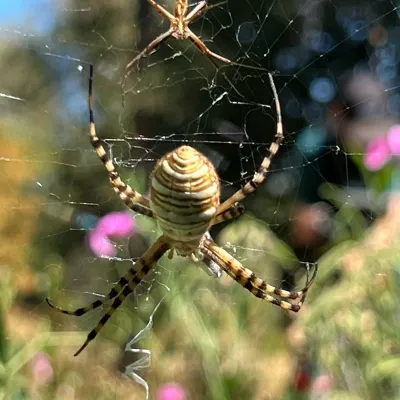
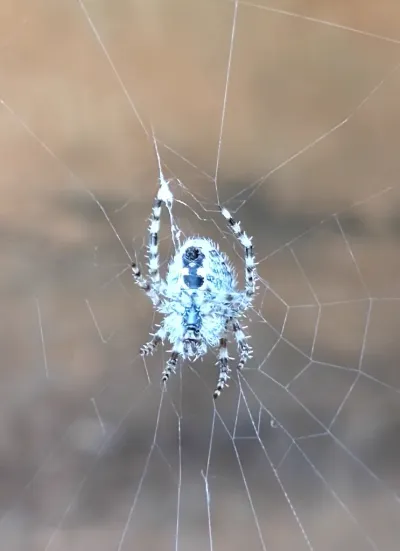
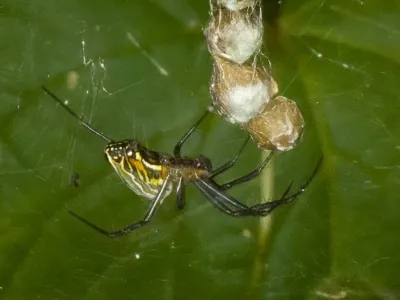
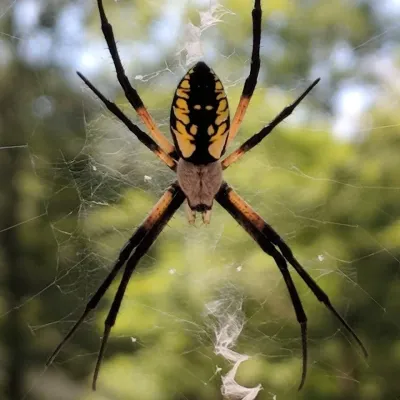
Commonly Confused With
Pirate Spiders are often mistaken for these similar pests
Where Pirate Spiders Are Found
Hover over states to see their names. Green regions indicate where pirate spiders have been reported.
Common Questions about Pirate Spiders
Are pirate spiders dangerous to people?
+
No. Pirate spiders are tiny, slow, and shy. Their venom is tuned to kill other spiders, and there are no known cases of medically important bites to people. Like most spiders, one might nip if it is pressed against skin. This is general information, not medical advice. See a doctor about any bite or skin reaction that worries you.
Is a pirate spider the same as a minute pirate bug?
+
No. A pirate spider is a spider with eight legs and no wings. A minute pirate bug is a true bug with six legs and wings. It is about 1/8 inch long and black and white. The bug can give a sharp, itchy bite in late summer. The spider almost never bites. They only share the word 'pirate' because both are predators.
Why are they called pirate spiders?
+
They raid other spiders' webs instead of building their own snare. A pirate spider walks onto a web and plucks the silk. The tugs feel like a trapped insect or a male looking for a mate. When the web owner comes to check, the pirate spider grabs it and bites. Some people call them cannibal spiders for the same reason.
How do I identify a pirate spider?
+
Look at the first two pairs of legs. Pirate spiders have a row of long, curved spines with shorter spines between them, like the teeth of a comb or rake. Most North American kinds are under 1/4 inch long, pale yellow to tan with dark spots, and have a round, high abdomen. You will often find one sitting in or near another spider's web.
Why do I have pirate spiders around my house?
+
Pirate spiders go where other spiders are. Porches, eaves, window frames, and shrubs with lots of cobwebs or orb webs give them plenty to eat. If you see pirate spiders, it usually means there are many other spiders nearby.
Do pirate spiders build webs?
+
Not to catch food. They use silk mostly for egg sacs and drag lines. Their egg sacs are easy to spot. They are round, covered in loose, curly orange to brown silk, and often hang from a thin silk stalk under leaves, bark, or eaves.
How do I get rid of pirate spiders?
+
Since they feed on other spiders, the best fix is to cut down the spiders they hunt. Knock down webs, vacuum spiders and egg sacs, seal gaps around windows and doors, and turn off outdoor lights you do not need. A regular pest control plan that treats the outside of the home lowers both the spiders and the insects they feed on.

With five years of hands-on experience in the pest control industry, George Schulz is a registered technician with the Virginia Pest Management Association and a proud third-generation professional in a family business that's been protecting homes for over 58 years. He manages and trains a team of service pros while also leading internal research efforts—recently spearheading a deep-dive review of thousands of documents on pest control materials to hand-pick the most kid and pet friendly, most effective solutions tailored specifically for homes in the DC metro area.
Local Spiders Help
Dealing with spiders at home? Our licensed technicians provide pest control across Northern Virginia and Maryland.
