Plant Bugs
Miridae
Plant bugs are a diverse group of true bugs that feed on plants by piercing tissues and sucking out fluids. While some are beneficial predators, many species are significant agricultural and garden pests that can damage ornamental plants, vegetables, and fruit trees.
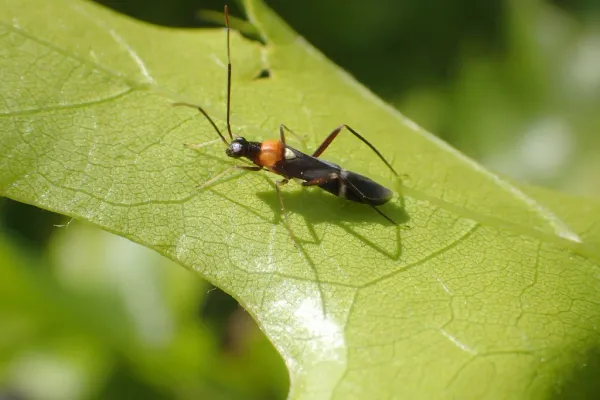
Plant Bug Identification Guide
Physical Characteristics
Plant bugs are small to medium-sized insects with soft, elongated bodies. They have distinctive piercing-sucking mouthparts folded beneath their heads. Most species have fully developed wings held flat over their backs. They range from 1/8 to 1/2 inch in length and come in various colors including green, brown, black, and combinations with red or yellow markings. Plant bugs are sometimes confused with assassin bugs, but assassin bugs are predators that eat other insects rather than feeding on plants.
Common Species
-
Tarnished Plant Bugs: Brownish bugs with mottled markings. One of the most common and damaging species, feeding on over 300 plant species.
-
Four-Lined Plant Bugs: Bright yellow-green with four black stripes down their wings. Known for distinctive round spots of damage on leaves. A related species, Boxelder Bug Nymphs, shares similar characteristics.
-
Boxelder Bugs: Black with red markings, often found congregating on boxelder and maple trees. Known for invading homes in fall.
-
Chinch Bugs: Small black bugs with white wings that are major lawn pests, especially in dry conditions.
Plant Bug Behavior and Biology
Plant bugs undergo incomplete metamorphosis with egg, nymph, and adult stages. Females insert eggs into plant tissues where they develop protected from the elements. Nymphs resemble smaller, wingless versions of adults and go through several molts before maturing.
These bugs feed by inserting their needle-like mouthparts into plant cells and extracting fluids. This feeding causes cell death, resulting in stippled leaves, distorted fruit, and stunted growth. Some species inject toxic saliva that causes additional damage beyond the feeding wound. The stippling damage from plant bugs can look similar to lace bug feeding, but lace bugs leave distinctive dark fecal spots on leaf undersides and tend to be host-specific to particular trees and shrubs.
How We Treat for Plant Bugs
Our treatment approach targets plant bugs while protecting your plants:
-
Targeted Applications: We apply treatments directly to affected plants and surrounding areas where plant bugs congregate, minimizing impact on beneficial insects.
-
Timing: Treatments are most effective when applied during nymph stages before populations build and spread throughout the garden.
-
Monitoring: We assess your property to identify which species are present and which plants are most affected, allowing for targeted treatment strategies.
-
Integrated Pest Management: We combine chemical controls with cultural recommendations like removing plant debris and managing weeds to reduce habitat and breeding sites.
Types of Plant Bugs
Click on any species below to learn more about identification, behavior, and control methods.
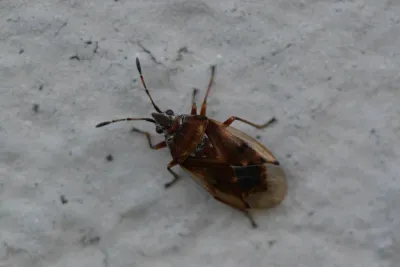
Birch Catkin Bugs
Kleidocerys resedae
Birch catkin bugs are small, rust-colored seed bugs that feed on birch trees and occasionally enter homes during fall seeking shelter for winter.
View identification guide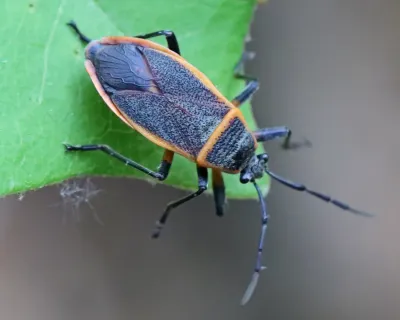
Bordered Plant Bugs
Largus spp.
Bordered plant bugs are dark-bodied true bugs with a distinctive orange or red border along their wing margins. They feed on plant sap and seeds and occasionally enter homes but are considered nuisance pests that rarely cause significant damage.
View identification guide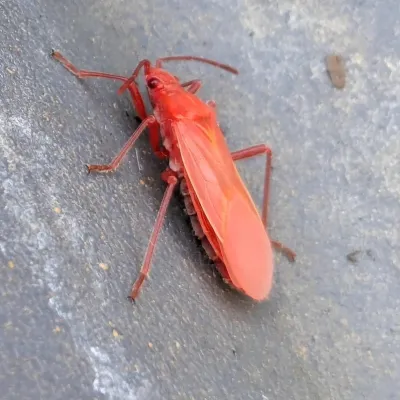
Boxelder Bug Nymphs
Boisea trivittata (nymphal stage)
Boxelder bug nymphs are the bright red juvenile stage of boxelder bugs, found in large groups on host trees during summer before developing into the black and red adults that invade homes in fall.
View identification guide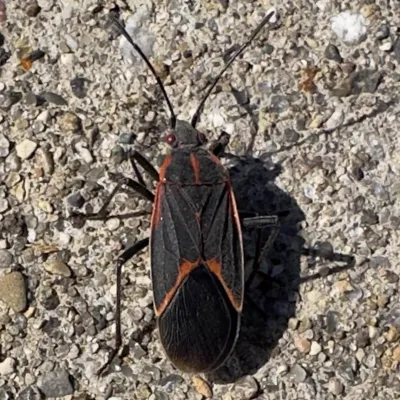
Boxelder Bugs
Boisea trivittata
Boxelder bugs are black and red insects that congregate in large numbers on sunny walls in fall, seeking shelter inside homes for the winter months.
View identification guide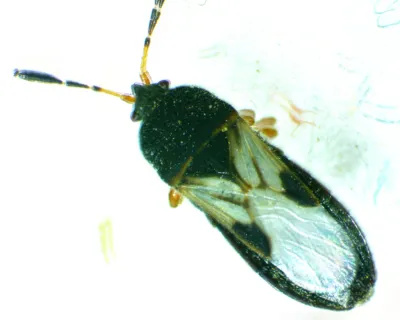
Chinch Bugs
Blissus leucopterus
Chinch bugs are small lawn-damaging insects that feed on grass by piercing plant tissue and sucking out sap. They inject toxins that cause yellowing and death of turf, particularly during hot, dry summer months.
View identification guide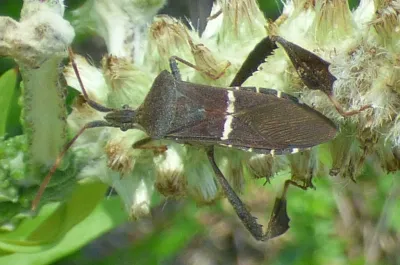
Eastern Leaf-Footed Bugs
Leptoglossus phyllopus
Eastern leaf-footed bugs are brown, shield-shaped plant feeders with distinctive leaf-like expansions on their hind legs and a white zigzag band across their wings.
View identification guide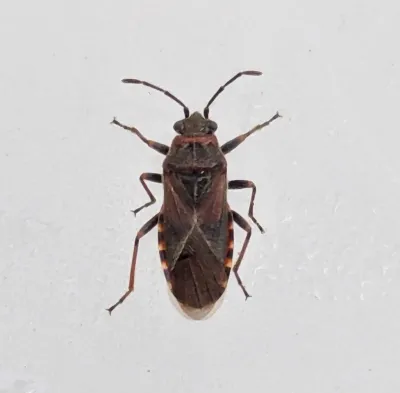
Elm Seed Bugs
Arocatus melanocephalus
Elm seed bugs are small, reddish-brown invasive insects that invade homes in large numbers seeking shelter from extreme temperatures, similar to boxelder bugs.
View identification guide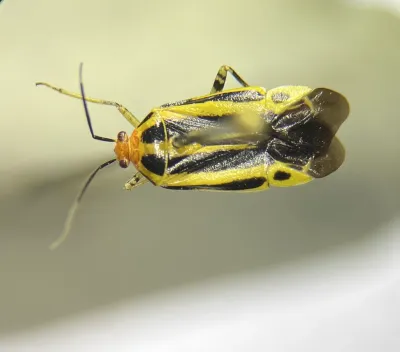
Four-Lined Plant Bug
Poecilocapsus lineatus
The four-lined plant bug is a striking yellow and black striped insect that feeds on over 250 plant species, leaving distinctive stippled damage patterns on garden herbs, ornamentals, and vegetables.
View identification guide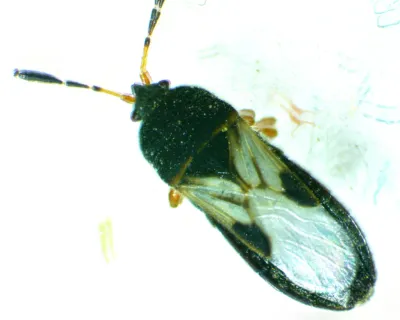
Hairy Chinch Bug
Blissus leucopterus hirtus
The hairy chinch bug is a destructive lawn pest that feeds on cool-season grasses in the northeastern United States and southern Canada. These tiny insects cause irregular brown patches in lawns during hot, dry summer months.
View identification guide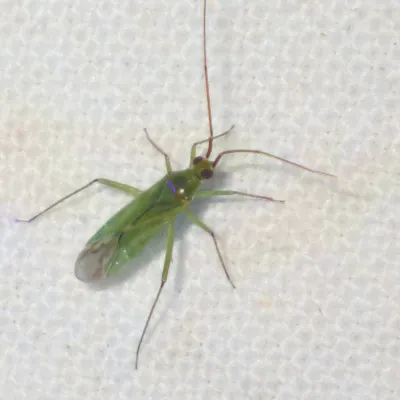
Honeylocust Plant Bugs
Blepharidopterus chlorionis
Honeylocust plant bugs are tiny green insects that feed exclusively on honeylocust trees. Their feeding causes leaf yellowing, distortion, and premature drop, though affected trees usually recover with a second flush of growth.
View identification guide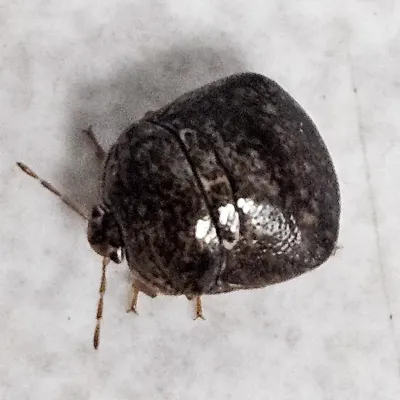
Kudzu Bugs
Megacopta cribraria
Kudzu bugs are small, round invasive pests that invade homes in fall to overwinter and emit a foul odor when disturbed.
View identification guide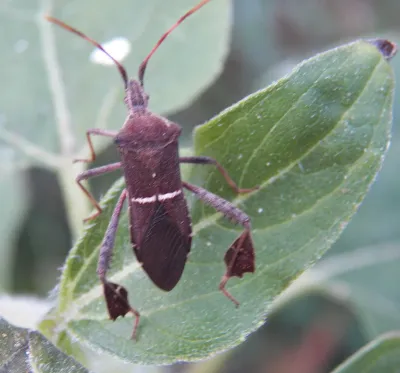
Leaf Footed Bugs
Leptoglossus spp.
Leaf footed bugs are large, distinctive insects that invade homes in fall to overwinter, identified by the leaf-like expansions on their hind legs.
View identification guide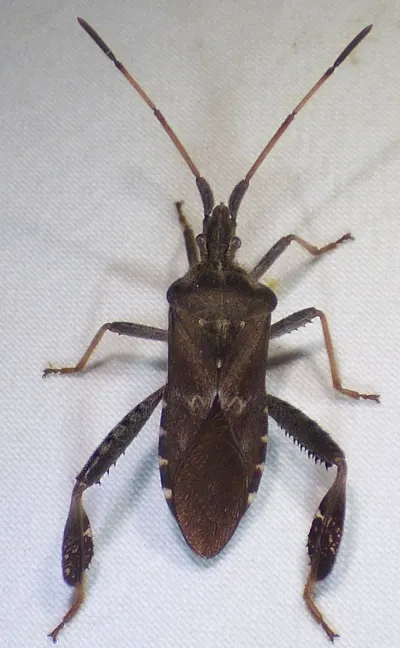
Leaf-Footed Pine Seed Bugs
Leptoglossus corculus
Leaf-footed pine seed bugs are overwintering pests that feed on pine seeds and conelets, often entering homes in fall seeking shelter from the cold.
View identification guide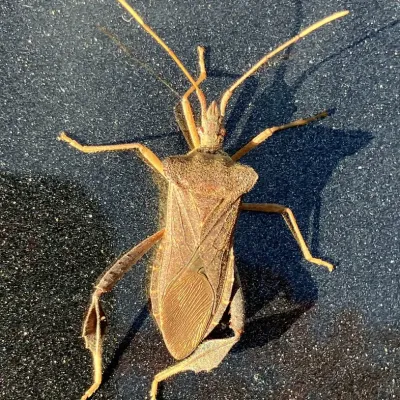
Magnolia Leaf-Footed Bug
Leptoglossus fulvicornis
The magnolia leaf-footed bug is a dark brown, plant-feeding insect that specializes in magnolia seed pods and is identified by its flared, tooth-edged pronotal shoulders and leaf-like hind leg expansions.
View identification guide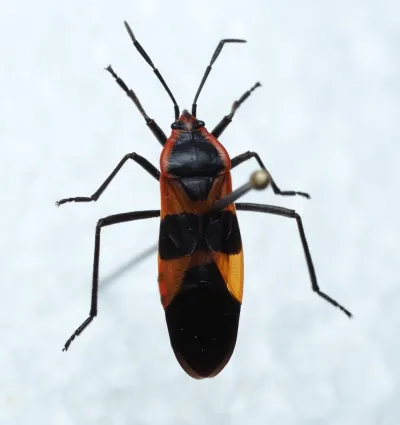
Milkweed Bugs
Oncopeltus fasciatus
Milkweed bugs are striking orange and black insects that feed primarily on milkweed seeds. While occasionally entering homes in fall, they are generally harmless and do not bite, sting, or cause structural damage.
View identification guide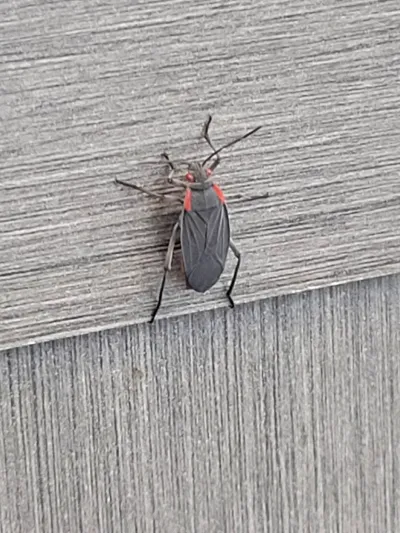
Red-Shouldered Bugs
Jadera haematoloma
Red-shouldered bugs are black insects with distinctive red shoulder markings that congregate in large numbers around goldenrain trees and other host plants, often invading homes in fall to overwinter.
View identification guide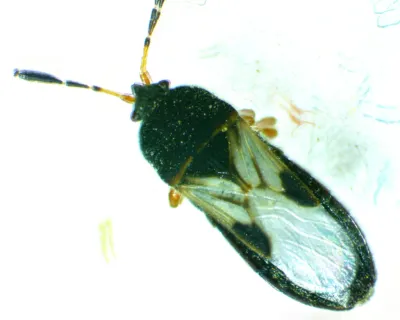
Southern Chinch Bug
Blissus insularis
Southern chinch bugs are tiny lawn pests that cause significant damage to St. Augustinegrass by piercing grass blades and draining plant fluids. These insects are most problematic in warm, humid climates and can destroy entire lawns if left untreated.
View identification guide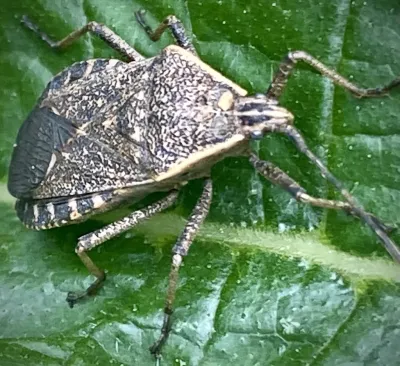
Squash Bugs
Anasa tristis
Squash bugs are shield-shaped garden pests that damage squash, pumpkins, and other cucurbits by piercing plant tissue and sucking out sap, causing leaves to wilt and turn brown.
View identification guide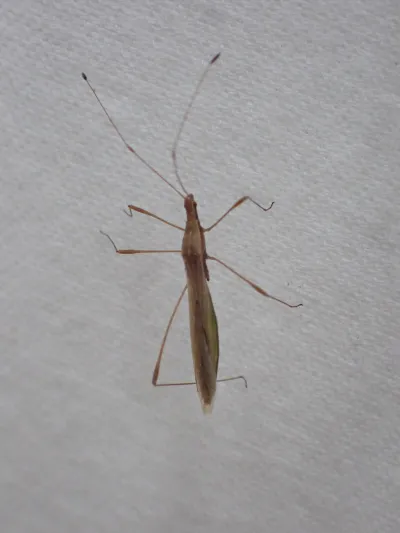
Stilt Bugs
Berytidae
Stilt bugs are thin insects with very long legs and antennae. These plant feeders live throughout North America and sometimes enter homes or greenhouses by accident.
View identification guide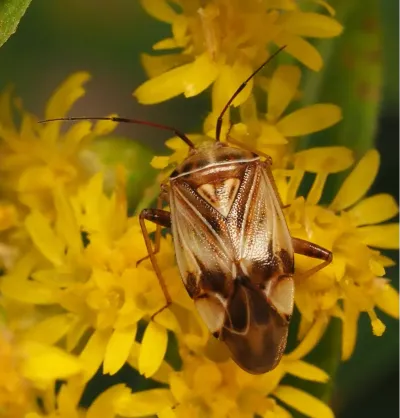
Tarnished Plant Bug
Lygus lineolaris
The tarnished plant bug is a common agricultural and garden pest that feeds on over 300 plant species, causing damage to fruits, vegetables, and ornamental plants across North America.
View identification guide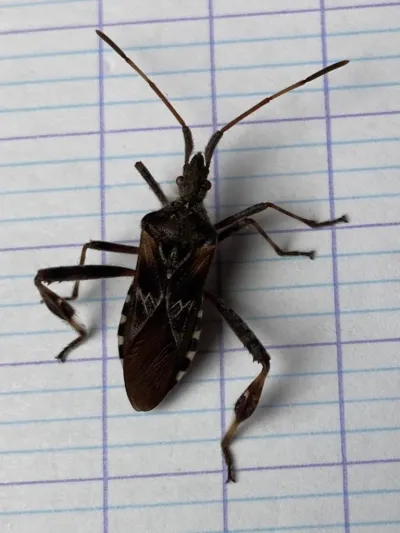
Western Conifer Seed Bug
Leptoglossus occidentalis
The western conifer seed bug is a large, brownish insect that commonly invades homes in fall seeking shelter for winter. Often mistaken for stink bugs, these pests are harmless but can be a nuisance when they appear indoors in large numbers.
View identification guideCommon Questions about Plant Bugs
What damage do plant bugs cause?
+
Plant bugs use their piercing-sucking mouthparts to feed on plant tissues, causing stippling, distorted growth, wilting, and fruit damage. Heavy infestations can reduce crop yields and make ornamental plants unsightly.
Are plant bugs the same as stink bugs?
+
No, plant bugs and [stink bugs](/pests/stink-bugs/) are different families of true bugs. While both have piercing-sucking mouthparts, stink bugs are typically shield-shaped and release a foul odor when disturbed, while plant bugs are more elongated and do not produce a strong smell.
Do plant bugs bite humans?
+
Plant bugs are not known to bite humans intentionally. Their mouthparts are designed for piercing plant tissues. However, some species may probe skin if handled, which can cause minor irritation but is not considered a true bite.
When are plant bugs most active?
+
Plant bugs are most active during the growing season from late spring through early fall. They thrive in warm weather and are often found on actively growing plants, especially those with new growth or developing fruit.
How can I prevent plant bug damage?
+
Prevention includes removing weeds and plant debris where they overwinter, using floating row covers on susceptible crops, encouraging natural predators, and monitoring plants regularly to catch infestations early.
Explore Other Pest Categories
Browse our comprehensive pest library for identification guides and control information.



With five years of hands-on experience in the pest control industry, George Schulz is a registered technician with the Virginia Pest Management Association and a proud third-generation professional in a family business that's been protecting homes for over 57 years.
Find Local Plant Bug Control Services
We provide professional plant bugs control throughout Virginia, Maryland, and the DC Metro area.