Honeylocust Plant Bugs Identification Guide
Diaphnocoris chlorionis
Honeylocust plant bugs are tiny green insects that feed exclusively on honeylocust trees. Their feeding causes leaf yellowing, distortion, and premature drop, though affected trees usually recover with a second flush of growth.
Taxonomy
Honeylocust Plant Bugs Coloration
Common color patterns to help identify honeylocust plant bugs
Honeylocust Plant Bugs
Seasonal Activity
When honeylocust plant bugs are most active throughout the year

Where Honeylocust Plant Bugs Are Found
Hover over states to see their names. Green regions indicate where honeylocust plant bugs have been reported.
Honeylocust Plant Bug Identification Guide
Physical Characteristics
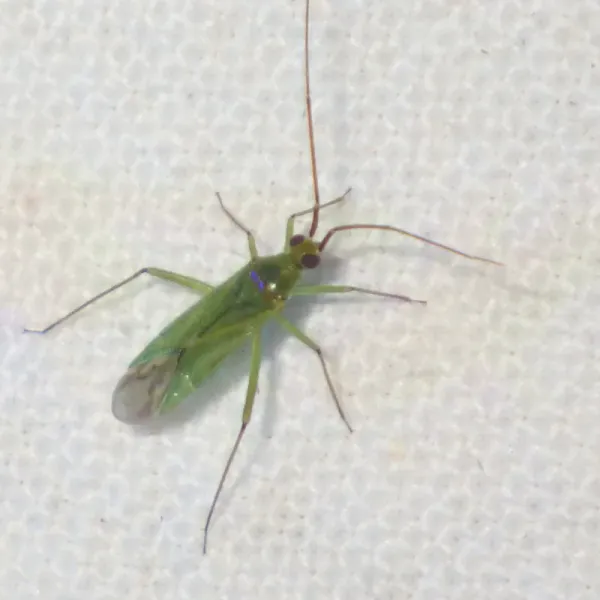
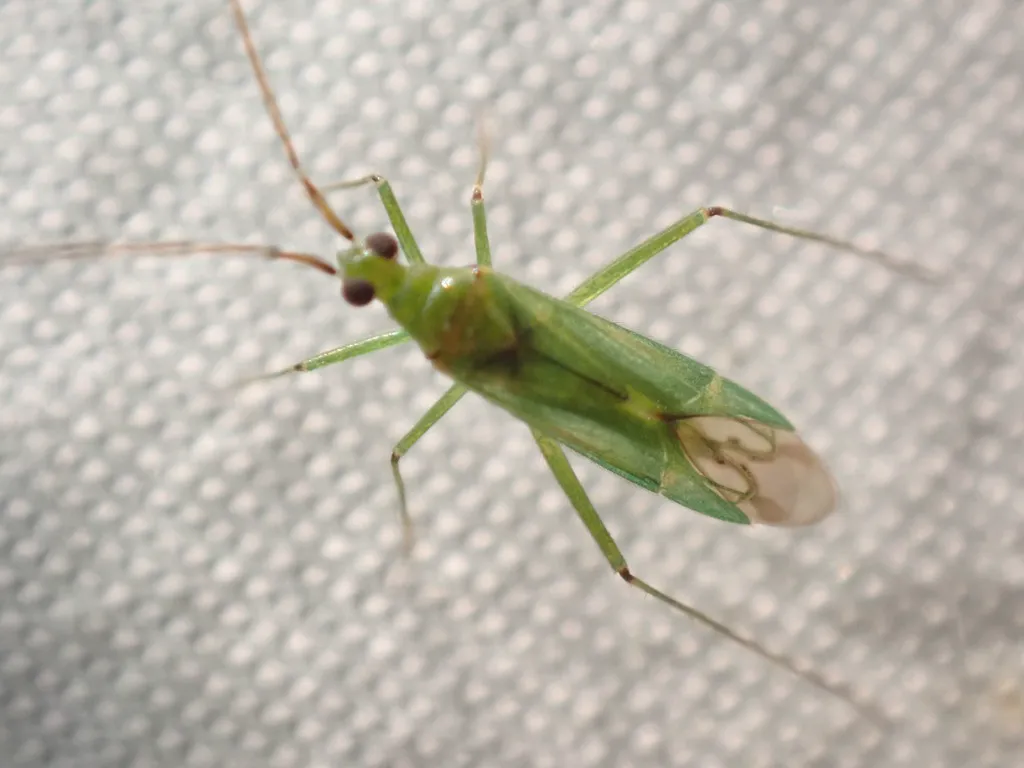
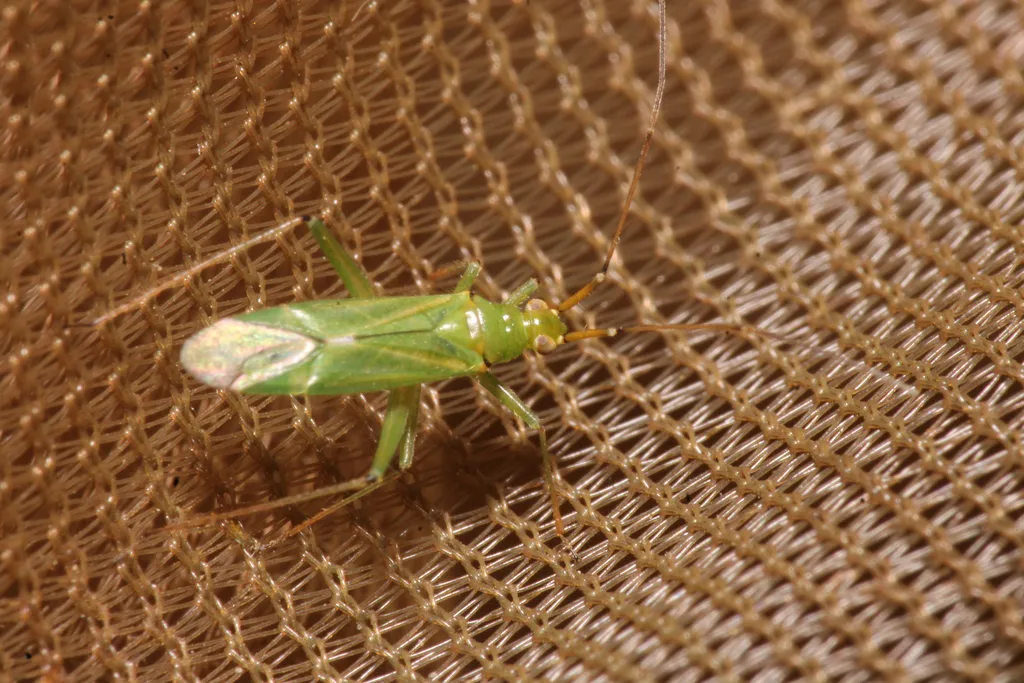
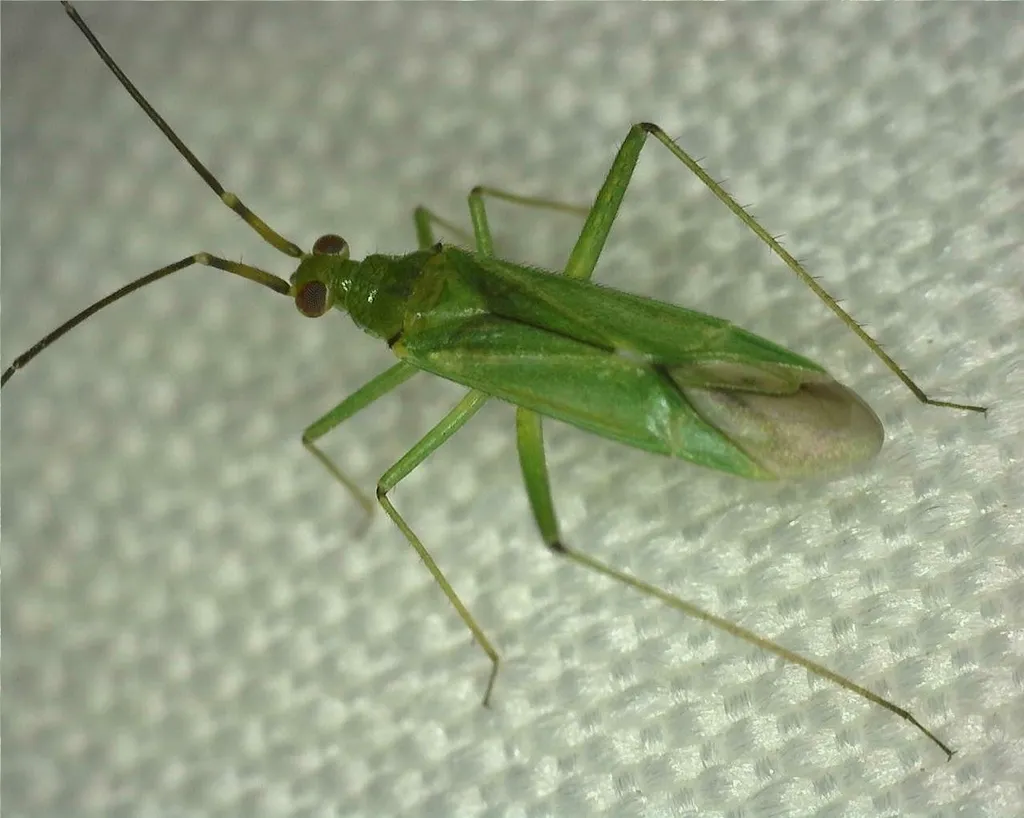
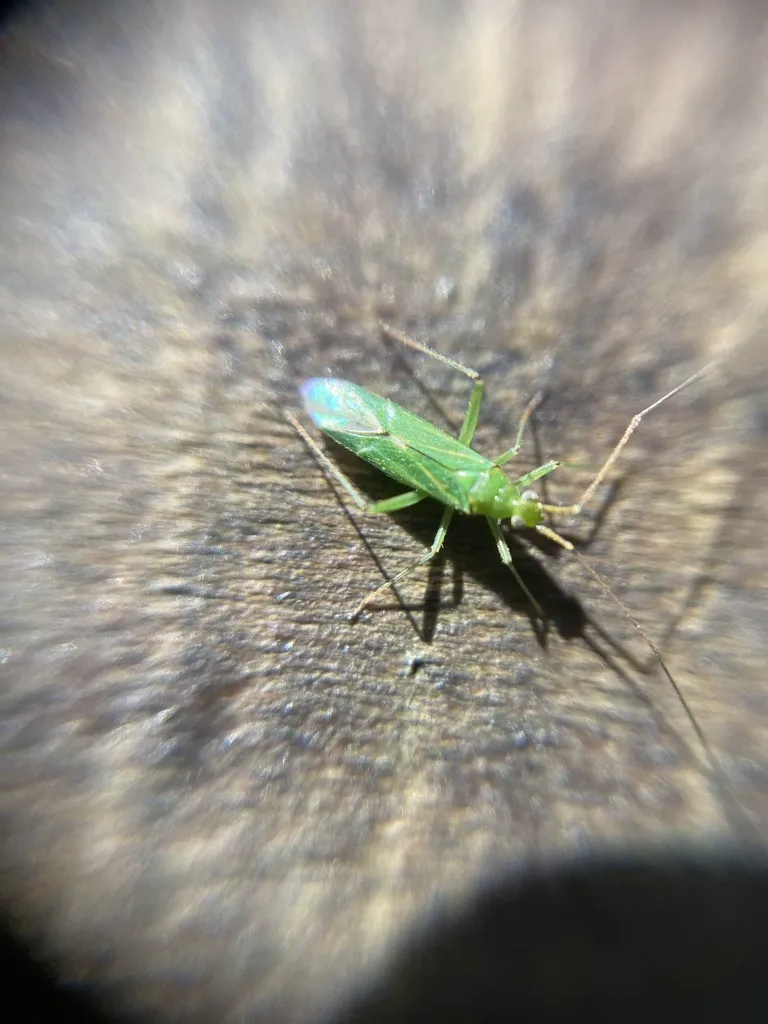
Honeylocust plant bugs are small. They are about 3 to 5 mm long, or roughly 1/8 of an inch. Adults are pale to light green. They have full wings and long, thin antennae. Their green color blends in with new honeylocust leaves, which makes them hard to spot.
Young bugs are called nymphs. They look like smaller adults with short wing buds. Some have a small orange spot on the belly. Both nymphs and adults have thin, pointed mouthparts. They use these to poke into leaves and feed.
Most people do not notice these bugs until brown spots and curled leaves appear on the tree.
Similar-Looking Insects
A few other small green insects live on trees and may look like honeylocust plant bugs:
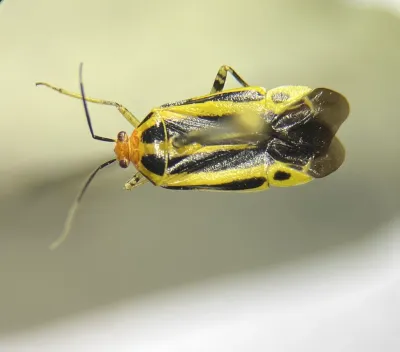
- Four-lined plant bugs are bigger and have four black stripes on the wings. They feed on many types of plants.
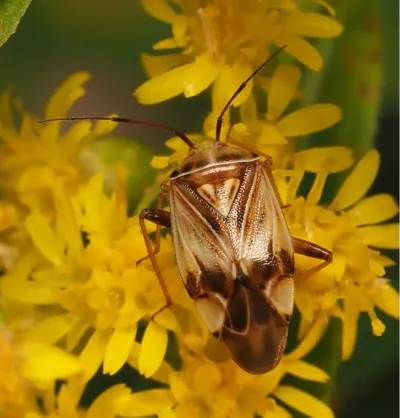
- Tarnished plant bugs are brown and green with a small triangle on the back. They also eat many different plants.
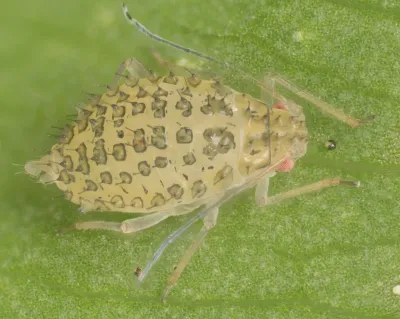
- Aphids are smaller, soft, and cluster in large groups. They do not have the long body or antennae of plant bugs.
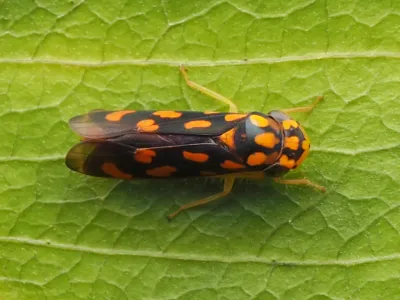
- Leafhoppers are wedge-shaped and jump when touched. Plant bugs do not hop.
Honeylocust Plant Bug Behavior and Biology
Host Plants and Feeding
Honeylocust plant bugs only feed on honeylocust trees (Gleditsia triacanthos). They like the thornless types found in yards and along streets. They poke into leaf cells and inject saliva. The saliva kills the tissue around each bite. This creates small yellow spots that later turn brown. When many bugs feed at once, leaves curl up, shrink, and fall off.
According to Penn State Extension, yellow-leaved types like ‘Sunburst’ get hit harder than green-leaved types like ‘Shademaster’ and ‘Skyline.‘
Life Cycle
These bugs have one generation per year. In midsummer, females lay eggs in rows under the bark of older twigs. The eggs stay there all winter. They hatch in late April, right when the leaf buds open.
Nymphs go through five growth stages over about 30 days. They feed on new leaves the whole time. Adults show up by late May or early June. They keep feeding for a few more weeks. By mid-July, they are gone. The Morton Arboretum notes that even after heavy leaf loss, the trees usually grow new leaves and pull through.
Seasonal Activity
These bugs are only around for a short time in spring and early summer. Eggs hatch in late April. Nymphs feed through May. Adults show up from late May through June. By July, they are gone until the following spring. This gives you only a small window to spot them and act.
Treatment Methods for Honeylocust Plant Bugs
These bugs only live on trees. They do not enter homes. Treatment is about keeping your landscape trees healthy. The Morton Arboretum says treatment is usually not needed unless the damage is bad or has come back for a few years in a row.
-
Monitoring: Look at new leaves in late April for tiny green nymphs. Watch for spots or curling. Catching them early helps limit damage.
-
Water Spray: A strong blast of water from a garden hose can knock nymphs off leaves. This works best when the bugs are still small and just starting to feed.
-
Insecticidal Soap and Horticultural Oil: These products kill bugs on contact. Spray them 7 to 10 days after bud break. Make sure to cover the leaves well.
-
Tree Health: Keep your honeylocust tree well-watered and fed. Healthy trees bounce back from leaf loss much faster than stressed ones.
-
Picking the Right Tree: If you are planting a new honeylocust, go with a green-leaved type like ‘Shademaster’ or ‘Skyline.’ These types get less bug damage than yellow-leaved types like ‘Sunburst.‘
References
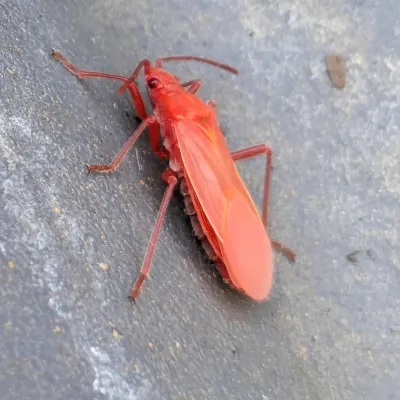
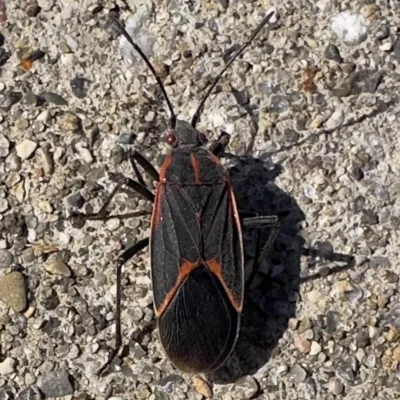
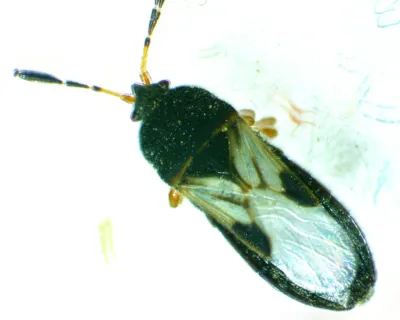
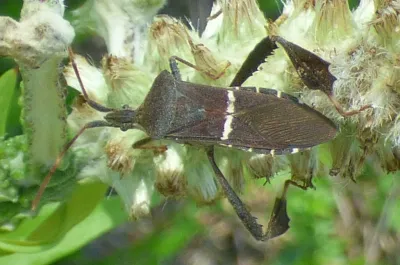
Other Plant Bugs
Explore other species in the plant bugs family
Commonly Confused With
Honeylocust Plant Bugs are often mistaken for these similar pests
Where Honeylocust Plant Bugs Are Found
Hover over states to see their names. Green regions indicate where honeylocust plant bugs have been reported.
Common Questions about Honeylocust Plant Bugs
What do honeylocust plant bugs look like?
+
They are small, about 3 to 5 mm long, and pale to light green. Their color matches the new growth on honeylocust trees, so they are hard to spot. Young bugs, called nymphs, look like smaller adults with short wing buds.
What kind of damage do honeylocust plant bugs cause?
+
These bugs poke into leaf cells and inject saliva that kills the tissue around the bite. This causes yellow spots that turn brown, curled leaves, and stunted growth. In bad cases, trees may lose most of their leaves, but they usually grow new ones.
Will honeylocust plant bugs kill my tree?
+
No. Heavy feeding can cause a lot of leaf loss, but honeylocust trees almost always bounce back by growing a second round of leaves later in the season. That said, if the problem comes back year after year, it can stress the tree and weaken it over time.
When are honeylocust plant bugs active?
+
They show up in spring and early summer. Eggs hatch in late April when leaf buds open. Nymphs feed through May, and adults appear by early June. By mid-July, they are gone. There is only one generation per year.
Do honeylocust plant bugs come inside homes?
+
No. These bugs only feed on honeylocust trees and do not go inside homes. They do not bite, sting, or harm people or pets.
Are some honeylocust trees more susceptible than others?
+
Yes. Yellow-leaved types like 'Sunburst' tend to get hit harder. Green-leaved types like 'Shademaster' and 'Skyline' hold up better against feeding damage.
How can I reduce honeylocust plant bug damage?
+
Check new leaves in late April for tiny green nymphs and early feeding damage. A strong spray of water from a hose can knock nymphs off. Insecticidal soap sprayed soon after bud break can also cut their numbers. Keeping the tree healthy with good watering and care helps it bounce back faster.

With five years of hands-on experience in the pest control industry, George Schulz is a registered technician with the Virginia Pest Management Association and a proud third-generation professional in a family business that's been protecting homes for over 58 years. He manages and trains a team of service pros while also leading internal research efforts—recently spearheading a deep-dive review of thousands of documents on pest control materials to hand-pick the most kid and pet friendly, most effective solutions tailored specifically for homes in the DC metro area.
Local Plant Bugs Help
Dealing with plant bugs at home? Our licensed technicians provide pest control across Northern Virginia and Maryland.