Garden Pests
Various
Garden pests include a variety of sap-sucking insects that damage ornamental plants, vegetables, and fruit trees. From tiny aphids to spotted lanternflies, these pests weaken plants by feeding on their fluids and can transmit plant diseases.
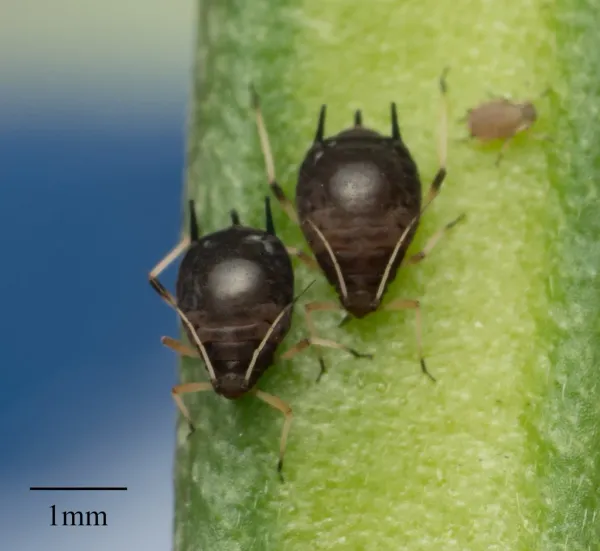
Garden Pest Identification Guide
Physical Characteristics
Garden pests in this category are generally small, soft-bodied insects with piercing-sucking mouthparts designed to extract plant fluids. Many are excellent at hiding on leaf undersides or blending in with plant tissues. Size ranges from nearly microscopic aphids to inch-long spotted lanternflies.
Common Species
-
Aphids: Tiny, pear-shaped insects found in clusters on new growth. Come in many colors including green, black, red, and yellow.
-
Whiteflies: Small, white, moth-like insects that fly up in clouds when disturbed. Found on leaf undersides.
-
Scale Insects: Appear as immobile bumps on stems and leaves. Protected by waxy or hard shell-like coverings.
-
Mealybugs: White, cottony-looking insects found in leaf axils and on stems. Slow-moving and covered in waxy filaments.
-
Spotted Lanternflies: Striking inch-long insects with spotted wings and red hindwings. Invasive pest attacking many plants including grapes and tree of heaven.
-
Thrips: Tiny, slender insects that cause silvery damage to leaves and flowers.
Garden Pest Behavior and Biology
Most garden pests are prolific reproducers, with some like aphids capable of producing live young without mating. This allows populations to explode rapidly under favorable conditions. Many species produce multiple generations per year. Related pests like leafhoppers, treehoppers, and psyllids share similar sap-feeding habits but belong to different insect families.
These pests weaken plants by extracting sap and nutrients. The honeydew they excrete creates secondary problems by supporting sooty mold growth and attracting ants. Heavy infestations can kill young plants or seriously reduce yields and plant vigor. In addition to sap-feeding insects, gardens may also face damage from Japanese beetles that skeletonize leaves, root-feeding grubs that destroy lawns, and slugs and garden snails that chew large holes in foliage overnight.
How We Treat for Garden Pests
Our integrated approach protects your plants while minimizing environmental impact:
-
Inspection: We identify which pests are present and assess infestation levels to determine appropriate treatment intensity.
-
Targeted Treatment: We apply treatments directly to infested plants, focusing on leaf undersides and other areas where pests congregate.
-
Systemic Options: For certain situations, we may recommend systemic treatments that are absorbed by plants and protect against feeding insects from within.
-
Cultural Recommendations: We provide guidance on plant care practices that promote plant health and reduce pest susceptibility, including proper watering, fertilization, and pruning.
-
Monitoring: We recommend follow-up inspections to ensure treatments are effective and catch any resurgence early.
Types of Garden Pests
Click on any species below to learn more about identification, behavior, and control methods.
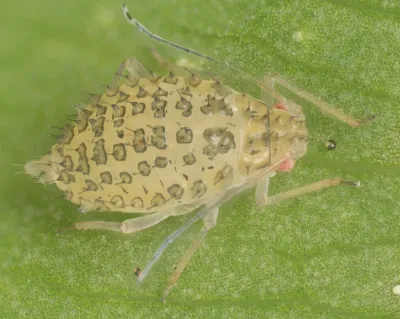
Aphids
Aphididae
Aphids are tiny, soft-bodied insects that feed on plant sap, causing leaves to curl, yellow, and stunt plant growth. They reproduce rapidly and can infest gardens, ornamental plants, and agricultural crops throughout North America.
View identification guide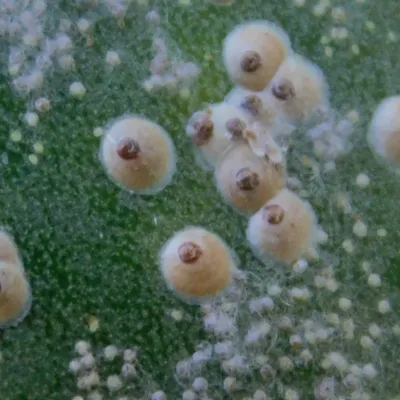
Armored Scale Insects
Diaspididae
Armored scale insects are tiny, sap-feeding pests that form a hard, protective shell over their bodies. They attack trees, shrubs, and houseplants, causing yellowing leaves, branch dieback, and sometimes plant death.
View identification guide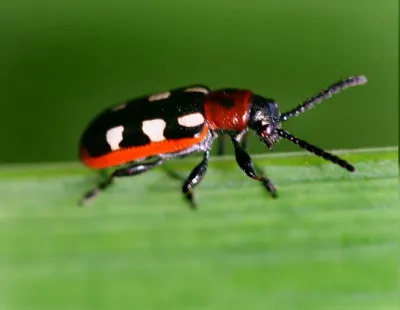
Asparagus Beetles
Crioceris asparagi
Asparagus beetles are small, colorful leaf beetles that feed exclusively on asparagus plants. Both the common asparagus beetle and the spotted asparagus beetle can damage spears and ferns, reducing crop yields and making harvested spears unmarketable.
View identification guide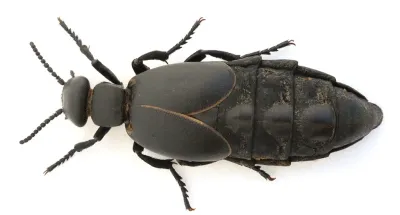
Blister Beetles
Meloidae
Blister beetles are elongated, soft-bodied beetles that produce cantharidin, a blistering chemical agent that can cause painful skin welts on contact. They are common garden pests across North America that feed on a wide range of crops and ornamental plants.
View identification guide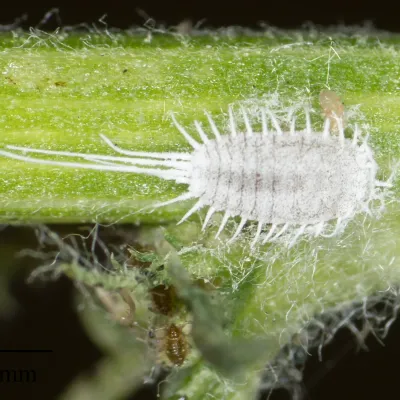
Citrus Mealybugs
Planococcus citri
Citrus mealybugs are small, oval, sap-sucking insects coated in white wax. They are among the most common mealybug species found on houseplants, citrus trees, and greenhouse crops across North America.
View identification guide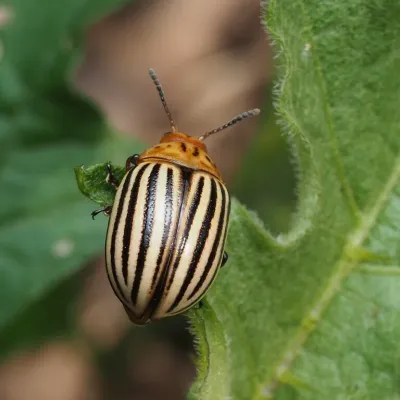
Colorado Potato Beetles
Leptinotarsa decemlineata
Colorado potato beetles are one of the most destructive pests of potato crops in North America. These round, yellow-and-black-striped leaf beetles can defoliate entire potato plants and have developed resistance to many common insecticides.
View identification guide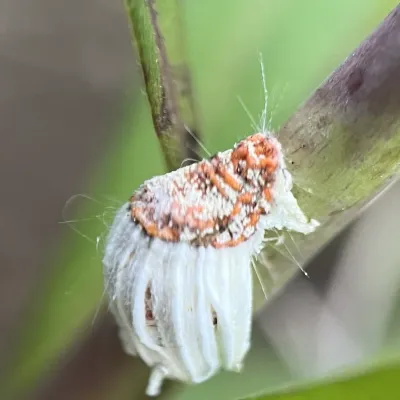
Cottony Cushion Scale
Icerya purchasi
Cottony cushion scale is a sap-feeding insect known for its white, fluted egg sac and orange-red body. Originally from Australia, it now lives across North America on citrus and ornamental plants.
View identification guide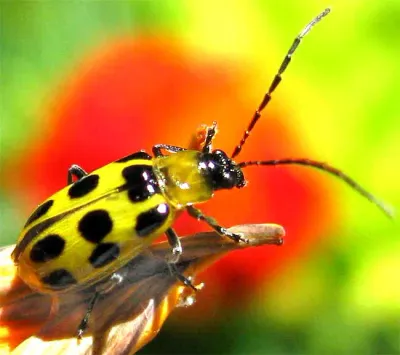
Cucumber Beetles
Acalymma vittatum / Diabrotica undecimpunctata
Cucumber beetles are small, brightly colored garden pests that feed on cucurbit crops and spread bacterial wilt disease. The striped and spotted species are the most damaging cucumber pests across North America.
View identification guide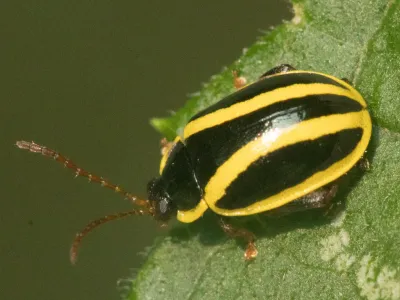
Flea Beetles
Alticini tribe
Flea beetles are small, jumping garden pests that chew tiny holes in plant leaves. They attack vegetables, ornamentals, and field crops throughout North America.
View identification guide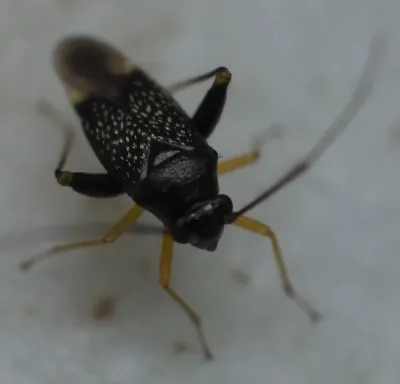
Garden Fleahoppers
Microtechnites bractatus
Garden fleahoppers are tiny, shiny black plant bugs that jump when disturbed. They feed on a wide variety of vegetable, ornamental, and forage plants, causing stippled leaves and reduced plant vigor.
View identification guide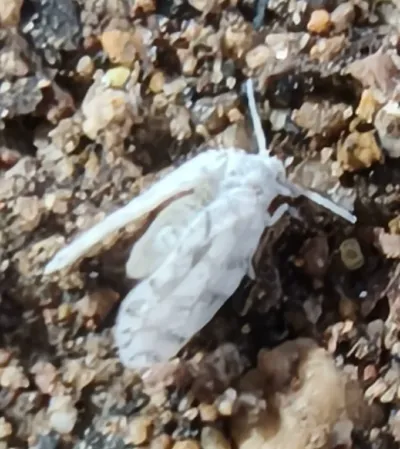
Giant Whiteflies
Aleurodicus dugesii
Giant whiteflies are large, sap-feeding insects native to Mexico that produce distinctive long waxy filaments on leaf undersides. They damage ornamental plants by draining nutrients and promoting sooty mold growth from their honeydew secretions.
View identification guide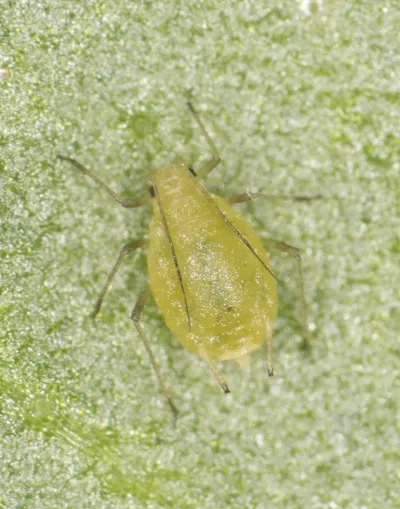
Green Peach Aphids
Myzus persicae
Green peach aphids are small, pear-shaped sap-feeding insects that attack over 400 plant species and transmit more than 100 plant viruses. They are one of the most economically important aphid species in North America.
View identification guide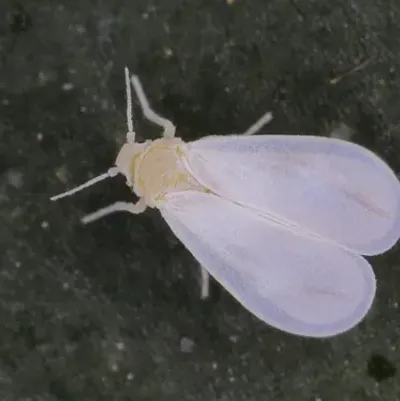
Greenhouse Whiteflies
Trialeurodes vaporariorum
Greenhouse whiteflies are tiny, white-winged sap-feeding insects that thrive in warm, sheltered environments. They weaken plants by draining nutrients and producing sticky honeydew that promotes sooty mold growth.
View identification guide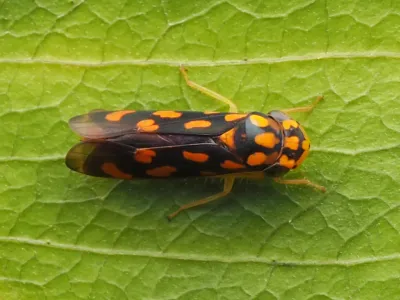
Leafhoppers
Cicadellidae
Leafhoppers are small, wedge-shaped insects that feed on plant sap and can transmit plant diseases. While primarily garden pests, they sometimes enter homes in large numbers during fall.
View identification guide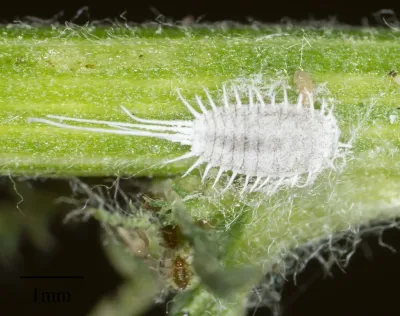
Longtailed Mealybugs
Pseudococcus longispinus
Longtailed mealybugs are small, white, waxy insects with distinctive tail filaments as long as their body. They feed on plant sap and are common pests of houseplants, greenhouses, and ornamental gardens across North America.
View identification guide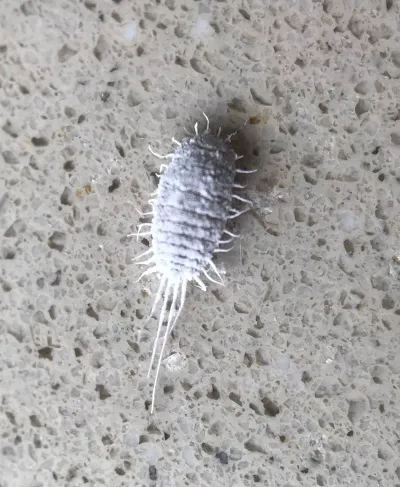
Mealybugs
Pseudococcidae
Mealybugs are small, soft-bodied insects covered in white, waxy filaments that feed on plant sap. They are common pests of houseplants, greenhouses, and ornamental gardens, causing plant stress, honeydew secretion, and sooty mold growth.
View identification guide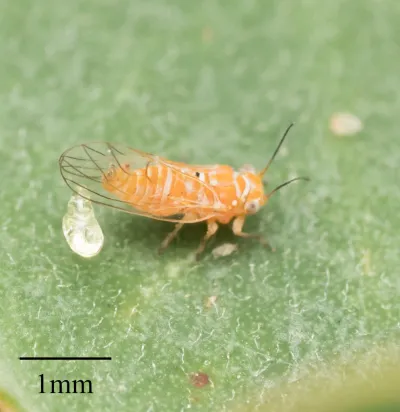
Psyllids
Psylloidea
Psyllids, also known as jumping plant lice, are tiny sap-feeding insects that can damage ornamental plants and trees by causing leaf curling, discoloration, and the production of sticky honeydew.
View identification guide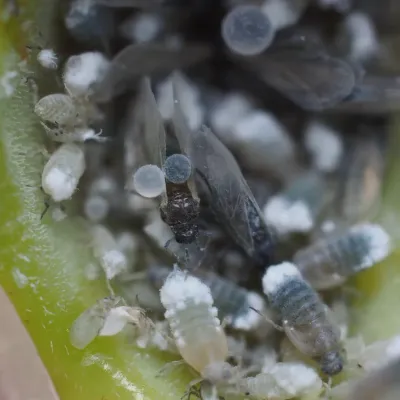
Root Aphids
Pemphigus spp. / Rhopalosiphum rufiabdominalis
Root aphids are small, sap-feeding insects that live underground and feed on plant roots. They cause stunting, wilting, and decline in garden plants, greenhouse crops, and nursery stock across North America.
View identification guide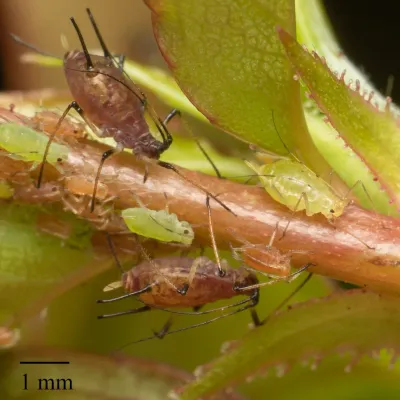
Rose Aphids
Macrosiphum rosae
Rose aphids are soft-bodied, sap-sucking insects that form dense colonies on rose buds and new shoots. They range from green to pink and produce sticky honeydew that leads to sooty mold on foliage.
View identification guide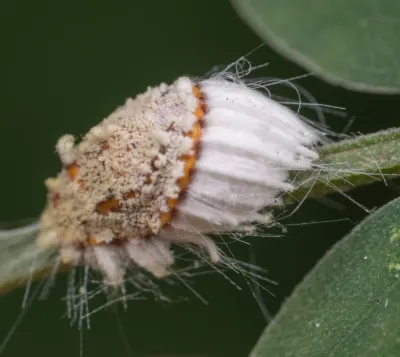
Scale Insects
Coccoidea
Scale insects are small sap-feeding pests that attach to plant stems, leaves, and bark. They appear as small bumps or waxy growths and can cause yellowing, wilting, and branch dieback in ornamental plants, houseplants, and landscape trees.
View identification guide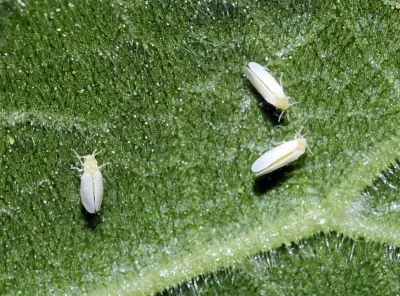
Silverleaf Whiteflies
Bemisia tabaci
Silverleaf whiteflies are tiny, sap-feeding insects that damage plants by draining nutrients, producing sticky honeydew, and transmitting over 100 plant viruses. They are among the most destructive agricultural pests worldwide.
View identification guide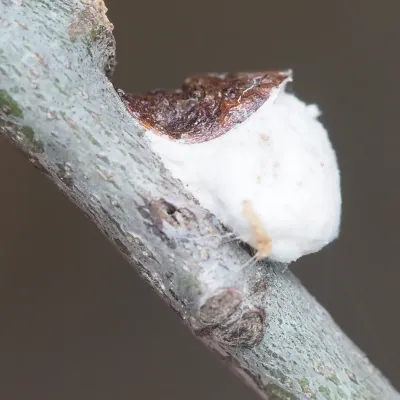
Soft Scale Insects
Coccidae
Soft scale insects are small, dome-shaped sap feeders that attach to plant stems and leaves. They produce sticky honeydew that leads to sooty mold, weakening ornamental trees, shrubs, and houseplants across North America.
View identification guide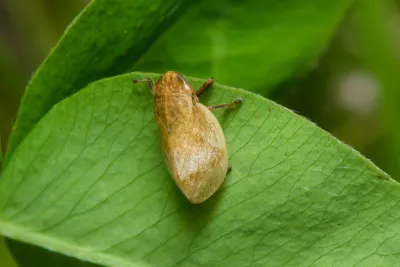
Spittlebugs
Cercopoidea
Spittlebugs are small, plant-feeding insects recognized by the frothy, spit-like masses their nymphs produce on grass and ornamental plants.
View identification guide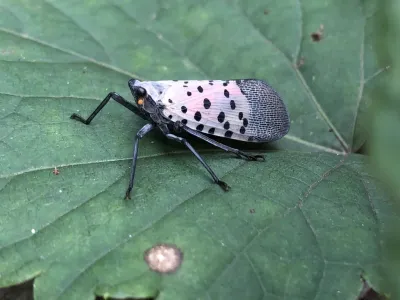
Spotted Lanternflies
Lycorma delicatula
The spotted lanternfly is an invasive planthopper from Asia that damages trees and crops, producing sticky honeydew that encourages mold growth.
View identification guide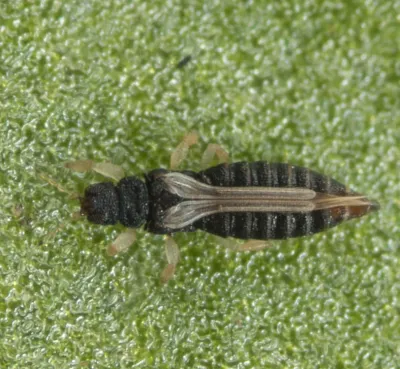
Thrips
Thysanoptera
Thrips are tiny, slender insects with fringed wings that damage plants by piercing cells and sucking out their contents, causing silvery discoloration and distorted growth.
View identification guide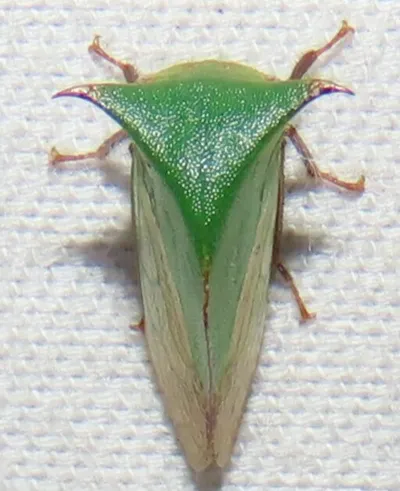
Treehoppers
Membracidae
Treehoppers are small, plant-feeding insects known for their unique horn-like projections and remarkable camouflage that helps them blend in with thorns and plant stems.
View identification guide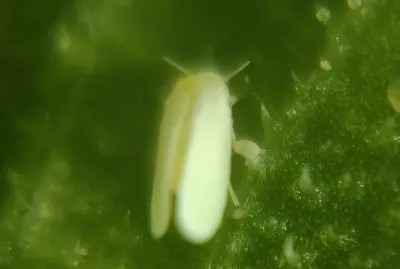
Whiteflies
Aleyrodidae
Whiteflies are tiny, white-winged insects that feed on plant sap, causing yellowing leaves and secreting honeydew that promotes sooty mold growth.
View identification guide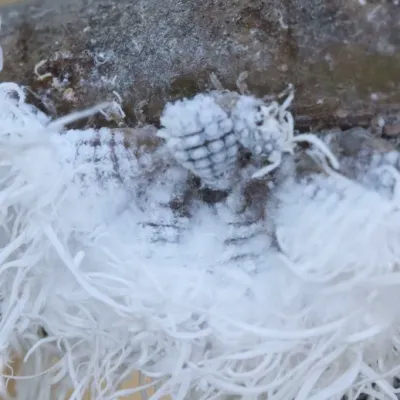
Woolly Aphids
Eriosomatinae
Woolly aphids are sap-feeding insects recognized by the white, cotton-like waxy filaments that cover their bodies and colonies. They infest trees and shrubs throughout North America, producing honeydew and sometimes forming galls on roots and branches.
View identification guideCommon Questions about Garden Pests
What are the most common garden pests?
+
Common garden pests include aphids, whiteflies, scale insects, mealybugs, thrips, and leafhoppers. More recently, spotted lanternflies have become a significant concern in eastern states. All of these pests feed on plant sap and can weaken or kill plants.
How do I know if my plants have garden pests?
+
Signs include yellowing or curling leaves, sticky honeydew on leaves and surfaces below plants, black sooty mold growing on honeydew, stunted growth, and visible insects on stems and leaf undersides. Some pests like scale insects may look like bumps on stems.
Are garden pests harmful to humans?
+
Most garden pests do not bite or sting humans and pose no direct health risk. However, their honeydew excretions can attract ants and support mold growth. Spotted lanternflies can be a nuisance when present in large numbers.
What is honeydew and why is it a problem?
+
Honeydew is a sticky, sugary substance excreted by sap-sucking insects. It coats leaves and surfaces below infested plants, promoting black sooty mold growth and attracting ants. Heavy honeydew can make outdoor areas unusable.
Can garden pests spread plant diseases?
+
Yes, many garden pests can transmit plant viruses and other diseases as they feed. Aphids and leafhoppers are particularly notorious for spreading viral diseases between plants, making control important even when direct feeding damage seems minor.
Explore Other Pest Categories
Browse our comprehensive pest library for identification guides and control information.



With five years of hands-on experience in the pest control industry, George Schulz is a registered technician with the Virginia Pest Management Association and a proud third-generation professional in a family business that's been protecting homes for over 57 years.
Find Local Garden Pest Control Services
We provide professional garden pests control throughout Virginia, Maryland, and the DC Metro area.