Soft Scale Insects Identification Guide
Coccidae
Soft scale insects are small, sap-feeding pests that attach to plant stems and leaves. They produce sticky honeydew that promotes sooty mold growth, and heavy infestations can weaken trees, shrubs, and houseplants.
Taxonomy
Soft Scale Insects Coloration
Common color patterns to help identify soft scale insects
Soft Scale Insects
Seasonal Activity
When soft scale insects are most active throughout the year

Where Soft Scale Insects Are Found
Hover over states to see their names. Green regions indicate where soft scale insects have been reported.
Soft Scale Insect Identification Guide
Physical Characteristics
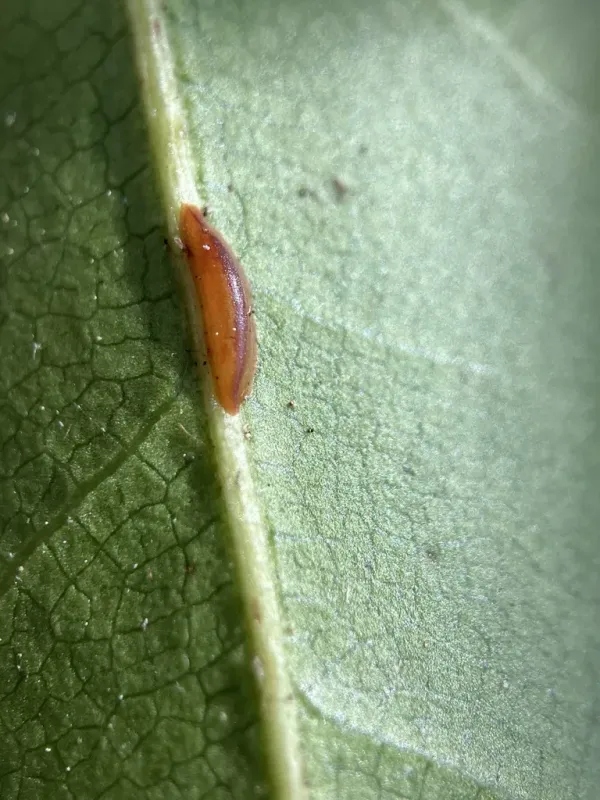
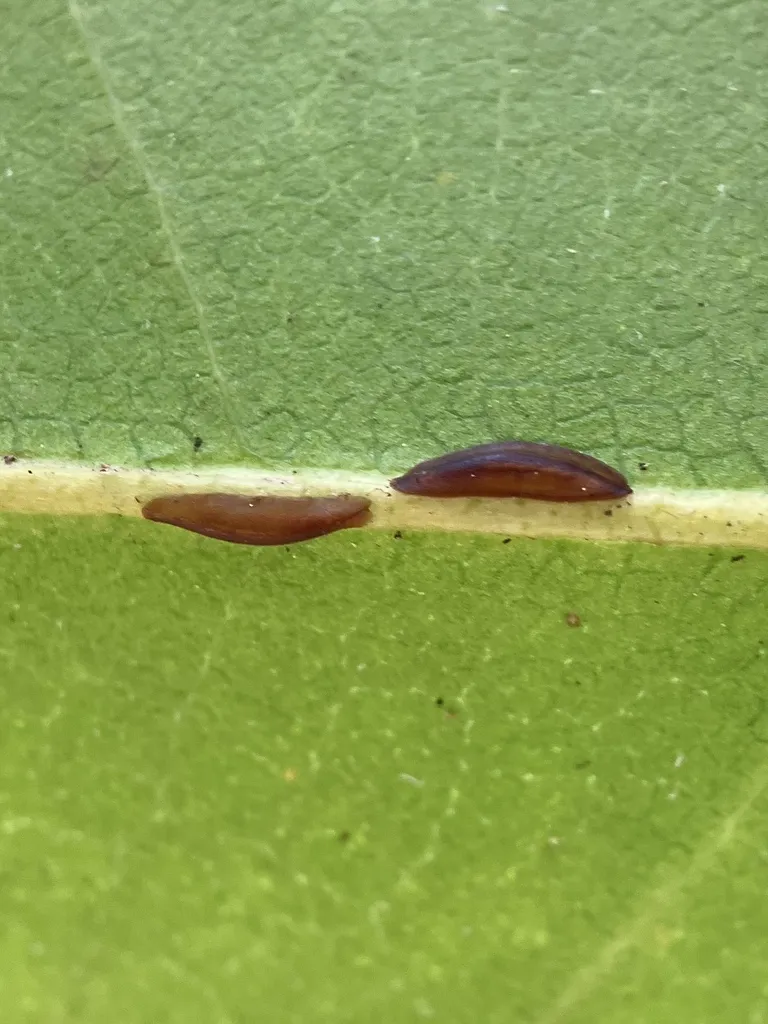
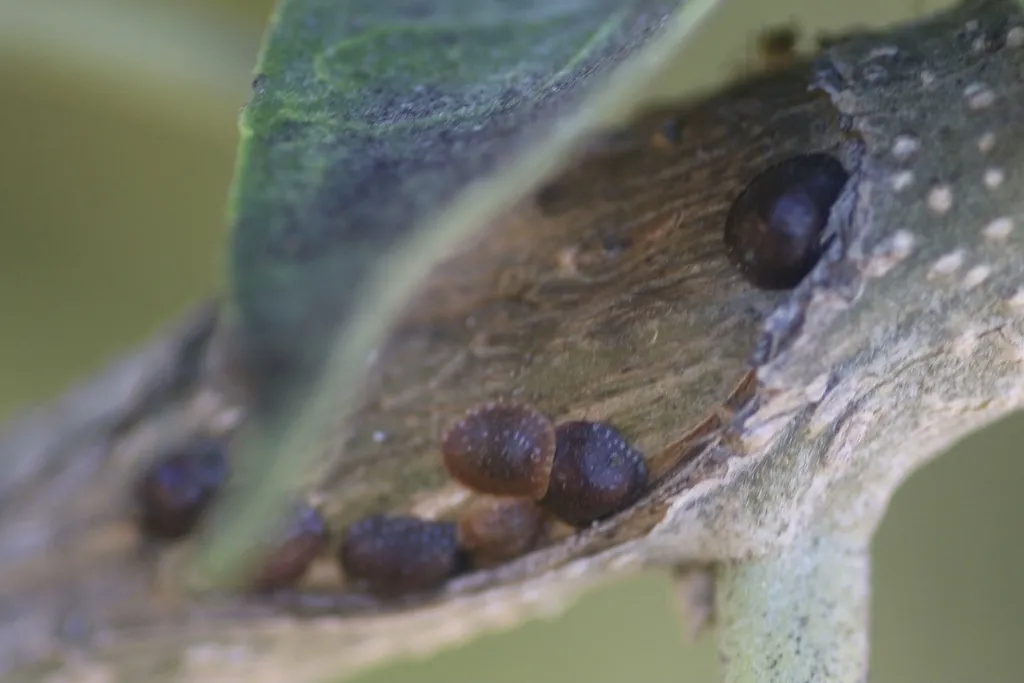
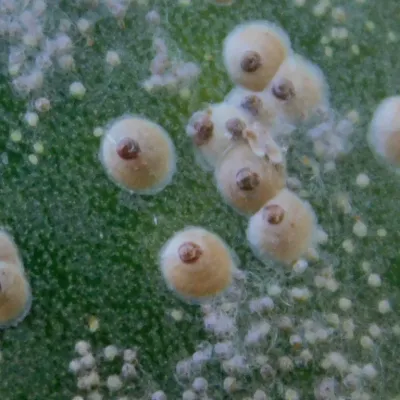
Soft scale insects are small, sap-feeding garden pests in the family Coccidae. Adult females range from about 2 to 12 millimeters long. They have oval or dome-shaped bodies that sit flat against plant stems and leaves. Unlike armored scale insects, the waxy covering on a soft scale is fused to the insect’s body. You cannot pop it off the way you can with an armored scale’s shell.
Colors change by species and life stage. Most adult females are brown, tan, or reddish-brown. Some species have white or cream-colored waxy coatings. Younger nymphs may look golden or nearly see-through. The body surface can be smooth, ridged, or slightly bumpy.
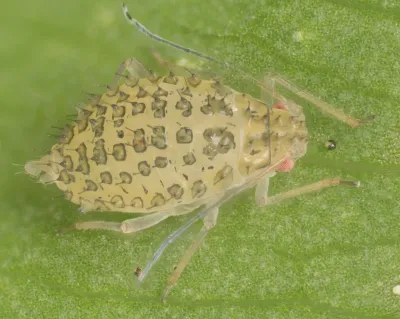
The easiest way to tell soft scales from armored scales is the honeydew test. Soft scales leave behind large amounts of sticky honeydew as they feed. If you see a sticky film on leaves and surfaces below a plant, along with black sooty mold, you likely have soft scales or another honeydew-producing pest like mealybugs or aphids.
Adult females stay fixed in one spot after settling as nymphs. They have six legs, but the legs are tiny and hard to see without a magnifying glass. Males are small, winged, and short-lived. They emerge only to mate and die within a day or two.
Common Species in North America
-
Brown Soft Scale (Coccus hesperidum): One of the most common species. It feeds on houseplants, greenhouse crops, and outdoor plants in warm climates. Adults are flat, oval, and yellowish-brown to dark brown. It can reproduce year-round in greenhouses.
-
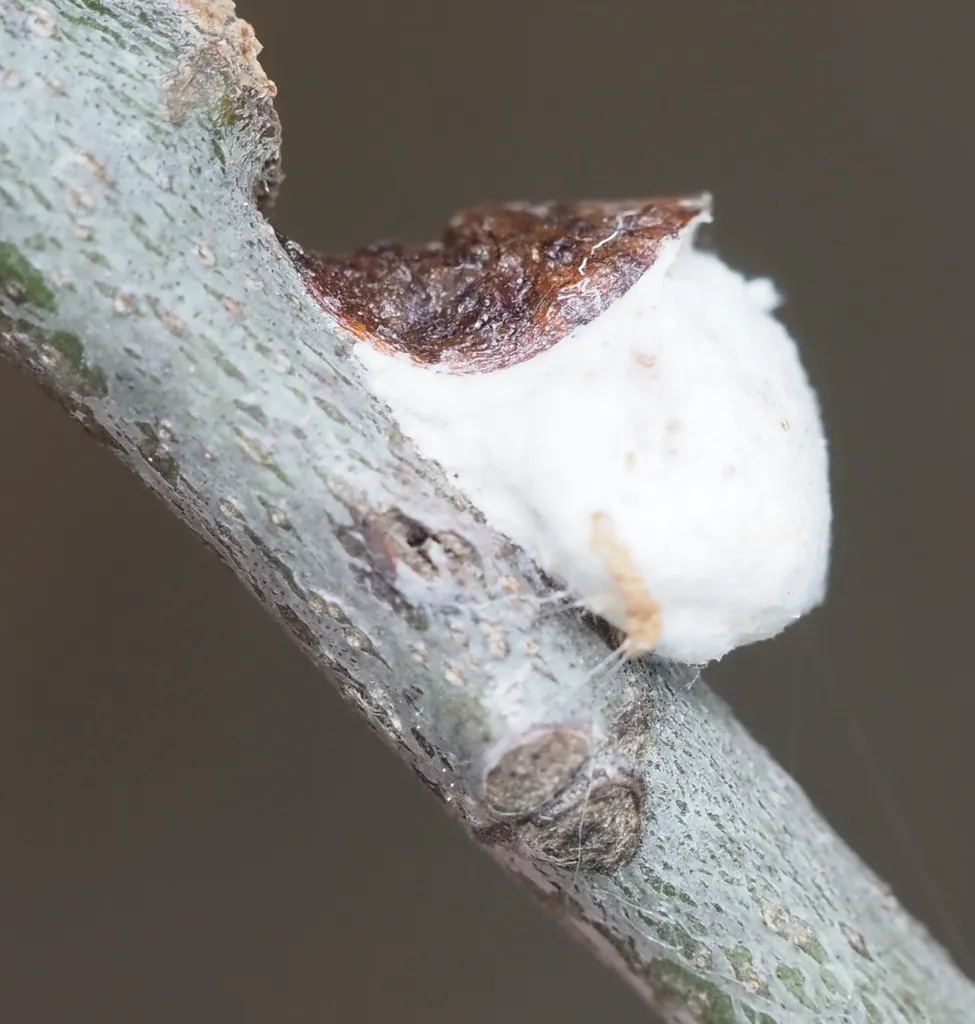
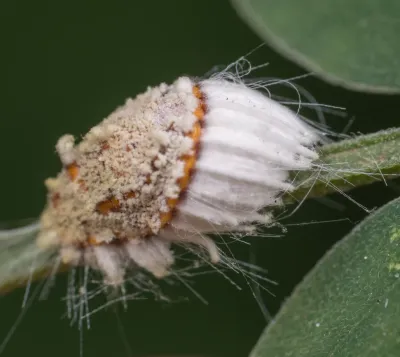
Cottony Maple Scale (Pulvinaria innumerabilis): Found on silver maple and other shade trees across the eastern and central United States. Females make a white, cottony egg sac that is easy to spot in late spring.
-
European Fruit Lecanium (Parthenolecanium corni): A common pest of fruit trees, shade trees, and ornamental shrubs. Adult females are large, shiny, and dark brown with a rounded, helmet-like shape. Found across most of the United States and southern Canada.
-
Pine Tortoise Scale (Toumeyella parvicornis): Feeds on Scots pine, jack pine, and other pines. Adults are reddish-brown with a mottled pattern. Found from the Dakotas east to the Atlantic coast and south to Florida.
-
Magnolia Scale (Neolecanium cornuparvum): One of the largest soft scales in North America. It can reach up to 12 millimeters long. It feeds on magnolia species and puts out heavy honeydew. Found mainly in the eastern United States and southern Ontario.
Soft Scale Insect Behavior and Biology
Lifecycle
Soft scales go through several life stages: egg, two or three nymph stages, and adult. Males go through extra stages before turning into tiny winged adults. Males live only one to two days. Their only job is to mate.
Most species in cooler climates spend the winter as young nymphs on twigs and branches. In spring, nymphs start feeding again and grow into adults. Females lay eggs under their body or in a white, cottony egg sac. One female can lay hundreds to thousands of eggs. The eggs hatch into tiny nymphs called crawlers. Crawlers are the only stage that moves around freely. They are also the main way infestations spread. They walk across plant surfaces, ride wind currents, or travel on birds and insects to reach new hosts.
Once a crawler finds a good feeding spot, it pushes its straw-like mouthparts into the plant tissue and starts feeding. After it settles in, it stays put for life. Most species have one generation per year in cooler climates. Some species like the brown soft scale can have several generations per year in warm areas or greenhouses.
Feeding and Damage
Soft scales feed by tapping into phloem vessels and drawing out sugary plant sap. The sap has far more sugar than the insects need, so they release the extra as honeydew. This sticky waste coats leaves, branches, and anything below the plant. It also lands on patio furniture, cars, and walkways. A black fungus called sooty mold grows on the honeydew. It blocks sunlight and slows the plant’s growth.
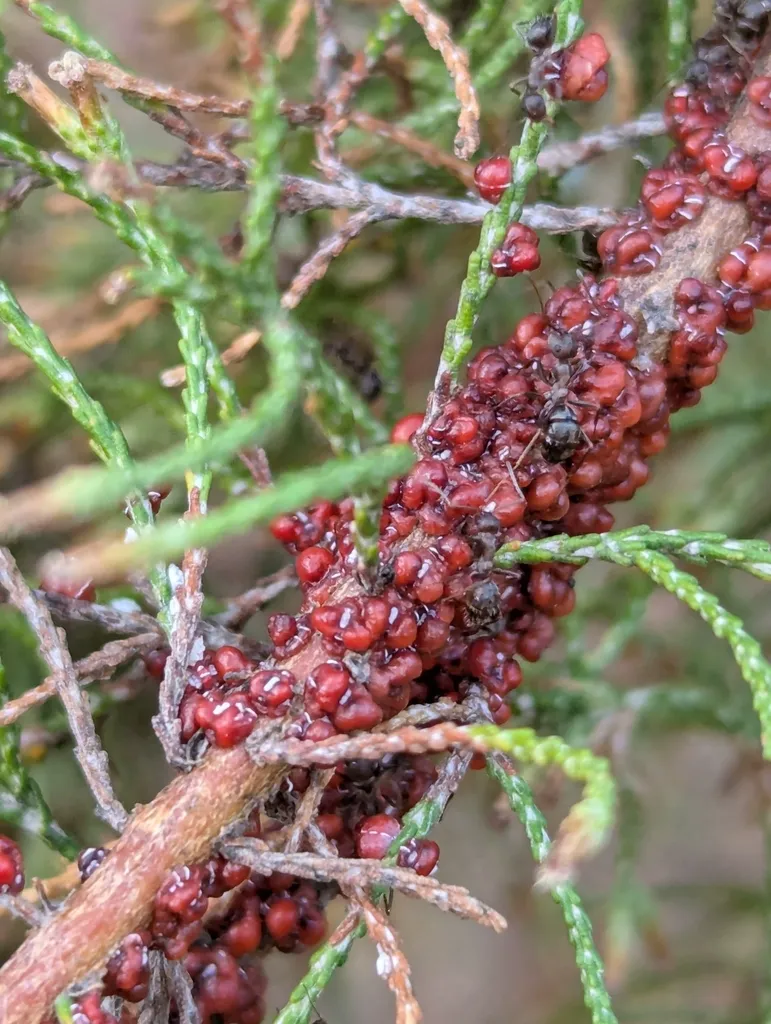
Light infestations cause yellowing leaves and reduced vigor. Heavy infestations can lead to leaf drop, branch dieback, stunted fruit, and plant death. The honeydew also draws in ants, which guard the scales from predators like wasps and lady beetles. This makes infestations harder to control over time.
Host Plants
Soft scales feed on many types of plants. Common targets include shade trees like maple, oak, elm, and tulip poplar. They also attack fruit trees like citrus, apple, and peach. Ornamental shrubs such as holly, camellia, and magnolia are frequent hosts. Conifers like pine and spruce can be affected as well. Many indoor houseplants, including ficus, schefflera, and ferns, are also at risk. Some species feed on dozens of plant families. Others stick to a narrow group of hosts.
Treatment Methods for Soft Scale Insects
The key to soft scale control is timing. Treatments work best when aimed at the crawler stage, before nymphs settle and start building their waxy coating.
Monitoring and Detection
- Inspect plants regularly: Check the undersides of leaves, along stems, and at branch joints for dome-shaped bumps. Look for sticky honeydew and black sooty mold as early warning signs.
- Track crawler emergence: Wrap branches with double-sided sticky tape in late spring. When tiny crawlers show up on the tape, it is time to start treatment. University extension programs offer tools that can help predict when crawlers will appear in your area.
- Look for parasitic activity: Small exit holes in scale bodies mean parasitic wasps have been attacking the population. This helps you gauge how active the problem is and whether you need more treatment.
Cultural and Mechanical Controls
- Pruning: Remove heavily infested branches and dispose of them. This immediately reduces the scale population and improves air circulation around the plant.
- Manual removal: On houseplants and small shrubs, scrub off scales with a soft brush or cotton swab dipped in rubbing alcohol. Rinse the plant afterward.
- Ant management: Control ants around infested plants. Ants guard scales from predators, which allows scale populations to grow unchecked. Sticky barriers on tree trunks can block ant trails.
- Plant health: Maintain proper watering, mulching, and fertilization. Healthy plants tolerate scale feeding better and recover faster after treatment.
Horticultural Oils and Insecticidal Soaps
Dormant oil sprays applied in late winter smother overwintering nymphs before spring growth starts. Lighter summer oils and insecticidal soaps work well against crawlers and young nymphs during the growing season. Good coverage is key. Make sure to spray stems, branch joints, and both sides of the leaves. Do not spray oils in extreme heat or on plants that are drought-stressed. You may need to repeat sprays every 7 to 10 days while crawlers are active.
Systemic Insecticides
For large trees or stubborn infestations, systemic insecticides can provide season-long control. These products are applied as soil drenches or trunk injections. The plant absorbs the active ingredient and moves it through its tissues. Scales die when they feed on the treated plant. Systemic products tend to work better against soft scales than armored scales. Soft scales feed on phloem sap, which carries the product through the plant more easily. Always follow label rates and local regulations.
Biological Control
Parasitic wasps in the genera Coccophagus, Metaphycus, and Encyrtus lay eggs inside scale insects and kill them from within. Lady beetles (especially Rhyzobius species), lacewing larvae, and syrphid fly larvae also feed on scales. In greenhouse settings, these predators and parasites can be released as part of a biological control program. Using targeted treatments rather than broad-spectrum sprays helps keep predator populations intact. This supports long-term scale control.
References
Other Garden Pests
Explore other species in the garden pests family
Commonly Confused With
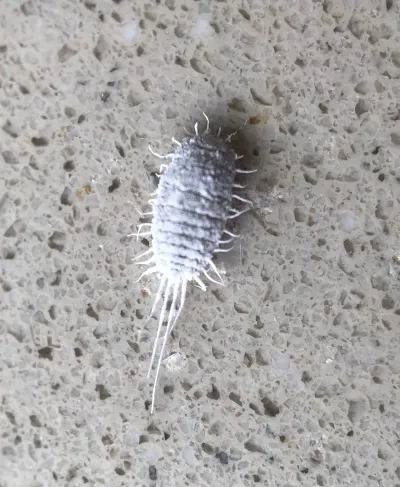
Soft Scale Insects are often mistaken for these similar pests
Where Soft Scale Insects Are Found
Hover over states to see their names. Green regions indicate where soft scale insects have been reported.
Common Questions about Soft Scale Insects
What is the difference between soft scale and armored scale?
+
Soft scale insects have a waxy coating that is fused to their body and cannot be separated from it. They produce sticky honeydew that attracts ants and promotes sooty mold. Armored scales form a hard, detachable shell over their body and do not produce honeydew.
Why is there sticky stuff on my plants?
+
The sticky substance is honeydew, a sugary waste product that soft scale insects excrete as they feed on plant sap. It coats leaves, stems, and surfaces below the plant. Over time, a black fungus called sooty mold grows on the honeydew.
Are soft scale insects harmful to people or pets?
+
No. Soft scale insects feed only on plants. They do not bite, sting, or transmit diseases to people or animals. The main concern is the damage they cause to ornamental and crop plants.
When is the best time to treat for soft scale?
+
The best time is during the crawler stage, when newly hatched nymphs are small and exposed. In most of North America, crawlers emerge between late May and early July. Sticky tape wrapped around branches can help you detect when crawlers are active.
Can soft scale insects kill a plant?
+
Yes. Light infestations usually cause cosmetic damage like yellowing leaves or reduced growth. Heavy or long-term infestations can drain the plant of nutrients, leading to branch dieback and sometimes the death of the entire plant.
Why are ants crawling on my infested plant?
+
Ants feed on the honeydew that soft scales produce. In return, ants protect the scales from predators and parasites. Controlling ant activity around infested plants can help natural enemies like parasitic wasps and lady beetles keep scale populations in check.
How do soft scale insects spread to new plants?
+
Soft scales spread mainly during the crawler stage. Tiny first-instar nymphs walk to new feeding sites on the same plant or travel to nearby plants. Wind, birds, and contaminated nursery stock can carry crawlers to new locations.

With five years of hands-on experience in the pest control industry, George Schulz is a registered technician with the Virginia Pest Management Association and a proud third-generation professional in a family business that's been protecting homes for over 58 years. He manages and trains a team of service pros while also leading internal research efforts—recently spearheading a deep-dive review of thousands of documents on pest control materials to hand-pick the most kid and pet friendly, most effective solutions tailored specifically for homes in the DC metro area.
Local Garden Pests Help
Dealing with garden pests at home? Our licensed technicians provide pest control across Northern Virginia and Maryland.