Wind Scorpions Identification Guide
Solifugae
Wind scorpions, also called camel spiders or sun spiders, are fast-moving arachnids with large pincer-like jaws. Despite their alarming appearance, they are not venomous and do not pose a serious health risk to people.
Taxonomy
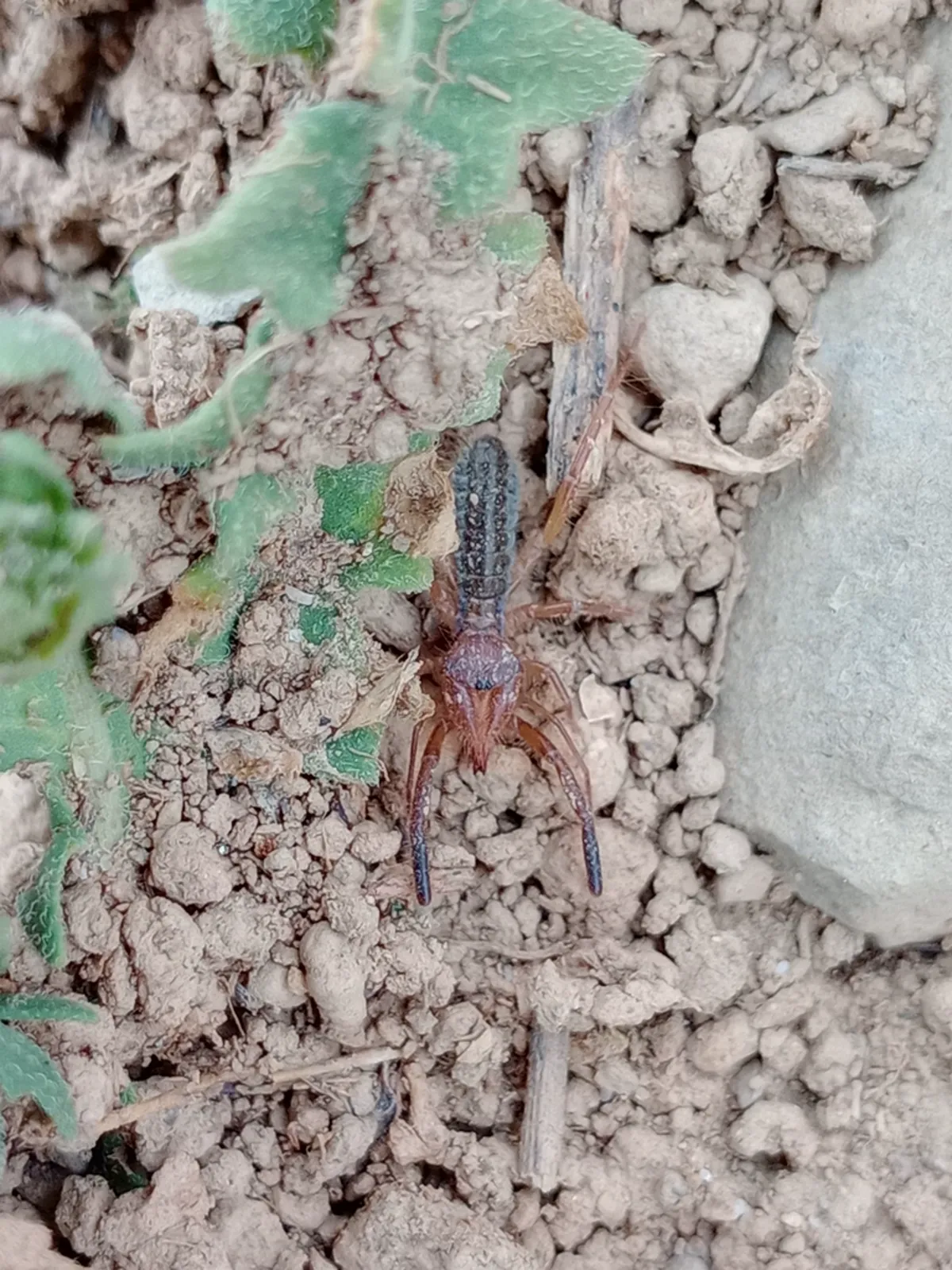
Wind Scorpions Coloration
Common color patterns to help identify wind scorpions
Wind Scorpions
Seasonal Activity
When wind scorpions are most active throughout the year

Where Wind Scorpions Are Found
Hover over states to see their names. Green regions indicate where wind scorpions have been reported.
Wind Scorpion Identification Guide
Physical Characteristics
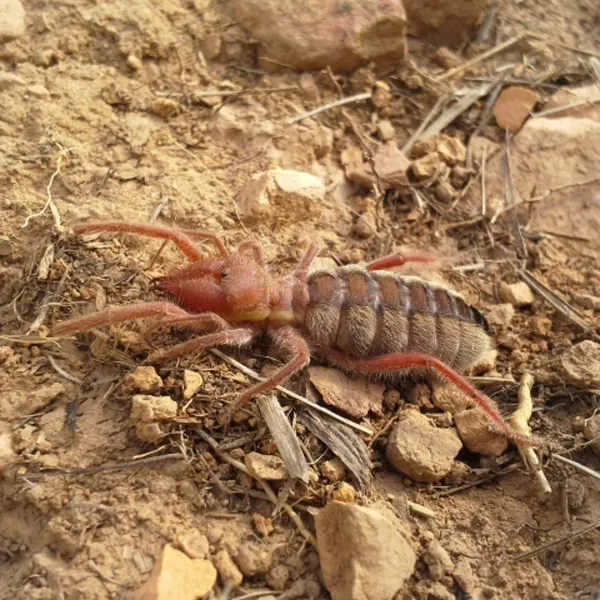
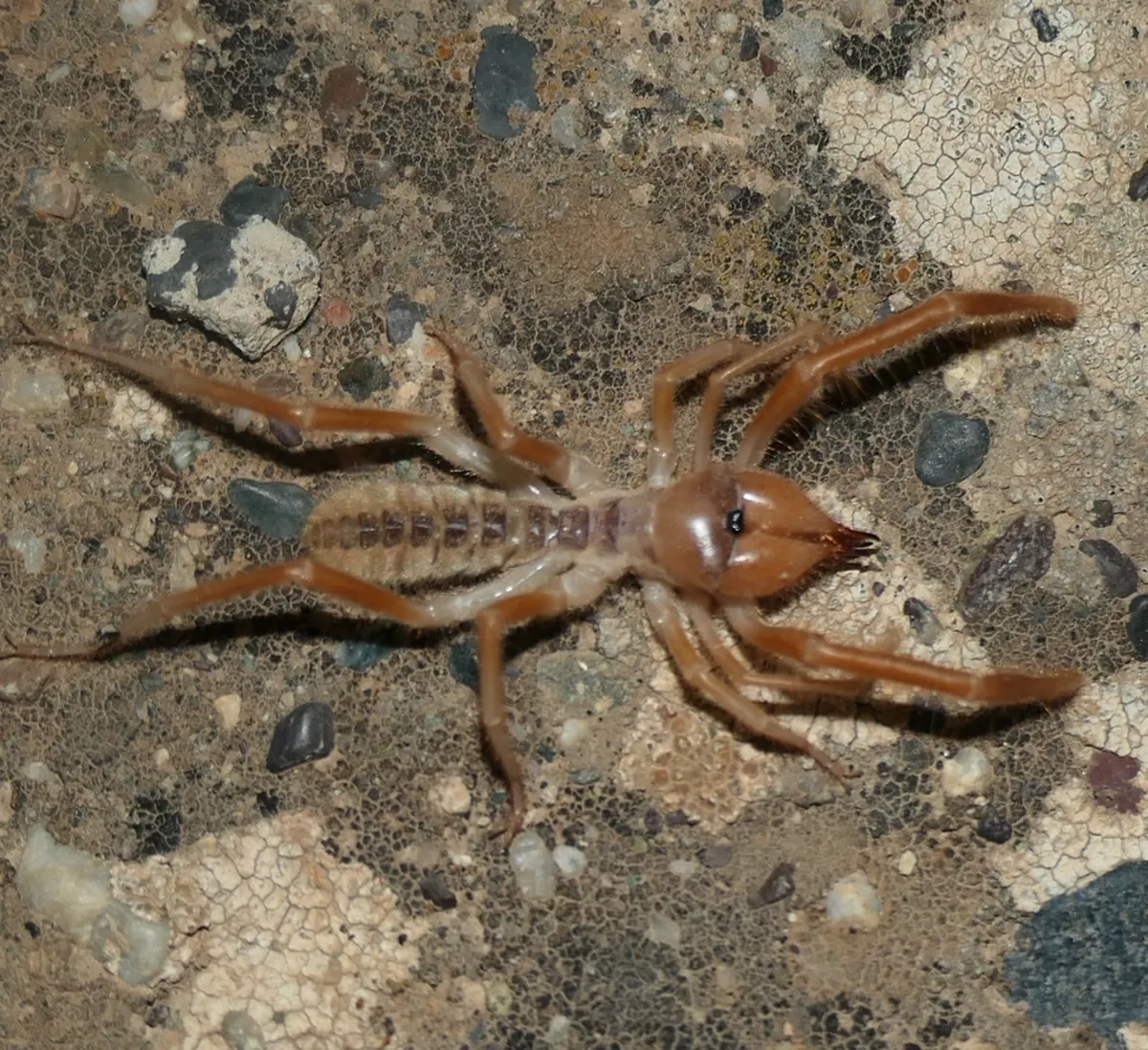
Wind scorpions go by many names. You may also hear them called camel spiders or sun spiders. These fast arachnids often startle people because of their size and speed. Adults are about 0.75 to 1.5 inches long. Their leg span can make them look much bigger. The most obvious feature is a pair of large chelicerae. These are pincer-like jaws that stick out from the front of the head. The jaws can be up to a third of the body length. Wind scorpions use them to crush and tear apart prey. They do not inject venom.
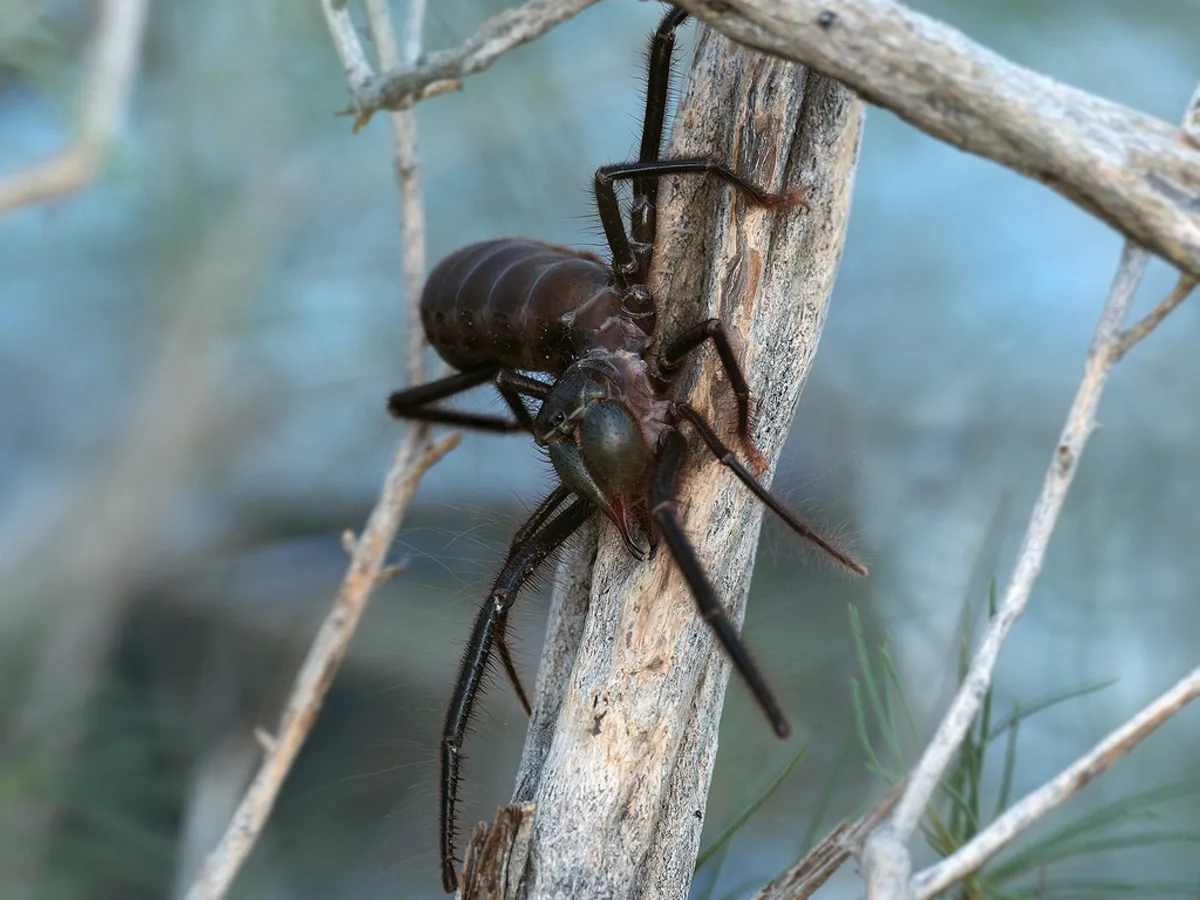
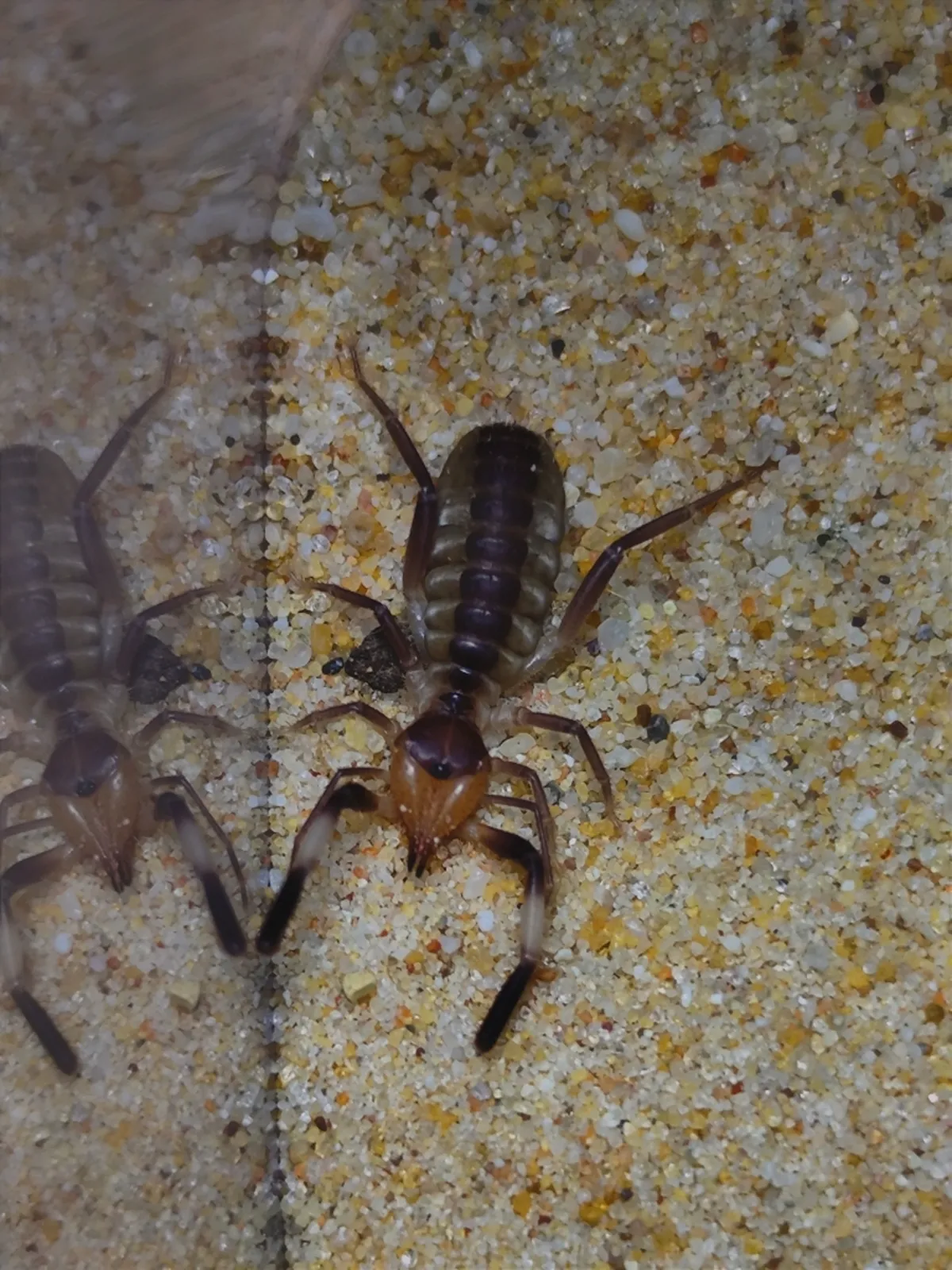
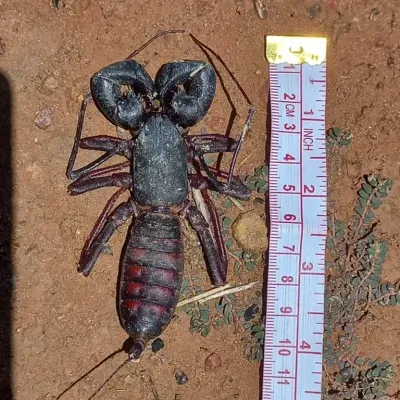
Their color ranges from tan and golden to reddish-brown. This helps them blend into sandy and rocky ground. Unlike true spiders, they have a segmented body, no spinnerets, and they do not make silk. They look like they have ten legs, but only six are used for walking. The front pair works like antennae to sense their surroundings. The pedipalps, the leg-like parts near the mouth, act as feelers and help handle food. People sometimes confuse them with giant whip scorpions. The key difference is that whip scorpions have a long thin tail and pincers. Wind scorpions have oversized jaws and no tail.
Common Species in North America
- Straight-Faced Wind Scorpions (Eremobatidae): The most common family in North America. They are found across the desert Southwest. Species in the genus Eremobates are the ones homeowners run into most often.
- Curve-Faced Wind Scorpions (Ammotrechidae): Another family found in the southwestern United States and Mexico. They are known for the curved shape of their jaws.
Wind Scorpion Behavior and Biology
Wind scorpions live alone and hunt at night. During the day, they hide in burrows they dig in loose soil. They also take cover under rocks, logs, and debris. After dark, they come out to hunt at high speed. They eat mostly insects, spiders, and other small arthropods. They sometimes catch small lizards too. In desert areas, young wind scorpions feed heavily on termites. They find prey using their pedipalps and front legs. Then they grab it with their strong jaws.
A common myth says wind scorpions chase people. In truth, when they run toward a person, they are just trying to reach the shadow for shade. Wind scorpions are not venomous. Their jaws work by force alone. They crush and break down food before eating it.
Females dig burrows where they lay eggs. A single egg case can hold 50 to over 100 eggs. The female often stays near the burrow until the eggs hatch. Young wind scorpions shed their skin several times before reaching adult size. Most North American species complete their life cycle in one warm season. They are most active from late spring through early fall.
Wind scorpions are most common in dry parts of the western United States. This includes Arizona, New Mexico, Texas, California, Nevada, and Utah. They also live in the Great Basin states and parts of southern Canada. People usually see them on warm summer nights when they are out hunting. Outdoor lights that attract bugs can also draw wind scorpions closer to homes.
Treatment Methods for Wind Scorpions
Wind scorpions are not a common indoor pest, but they can find their way inside, especially in desert regions. The following methods are effective for keeping them out and reducing activity around a home:
- Seal Entry Points: Close up cracks and gaps around the foundation, doors, windows, and utility openings. Add tight-fitting door sweeps and fix any torn screens. This is the most effective way to keep them out long-term.
- Reduce Shelter Near the Home: Remove rock piles, stacked firewood, and yard debris near the foundation. Keep bushes and other plants trimmed back from the walls.
- Manage Outdoor Lighting: Cut back on bright lights near doors and windows at night, or switch to yellow or sodium vapor bulbs. Bright lights attract insects, and insects attract wind scorpions. Reducing the food source helps reduce wind scorpion activity near the home.
- Remove Them by Hand: If a wind scorpion gets inside, trap it with a jar and a piece of stiff cardboard, then release it outdoors. Do not try to grab it with your hands. Their jaws can deliver a painful pinch.
- Fix Moisture Problems: Take care of any standing water or damp spots around the foundation. Moisture draws in the insects that wind scorpions feed on.
For homes that keep seeing wind scorpions indoors, a perimeter treatment from a licensed pest control professional can reduce the insect population near the structure. This makes the area less attractive to wind scorpions and helps keep them away.
References
- Pest Notes: Windscorpion (Solifugae), University of California Agriculture and Natural Resources
- Camel Spiders (Solifugae), National Geographic
- Solifugae (Sun Spiders), Encyclopaedia Britannica
- World Solifugae Catalog, Natural History Museum Bern
- Solifugae Biology and Ecology, ScienceDirect
Other Other Pests
Explore other species in the other pests family
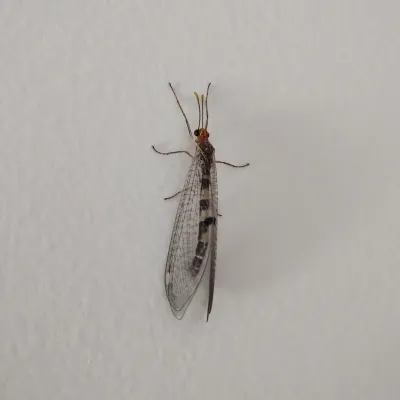
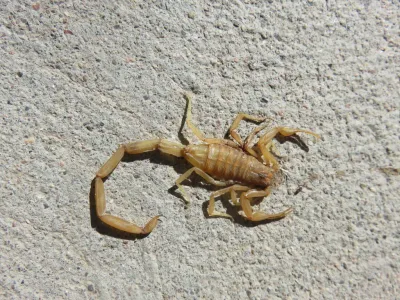
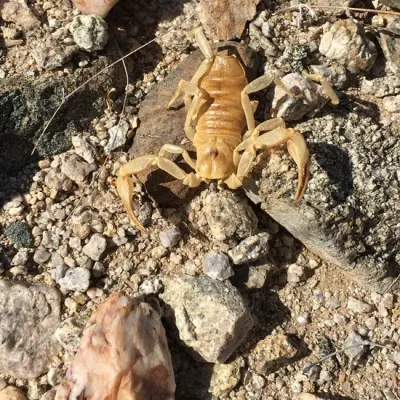
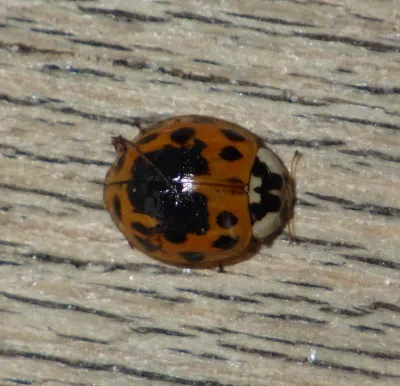
Commonly Confused With
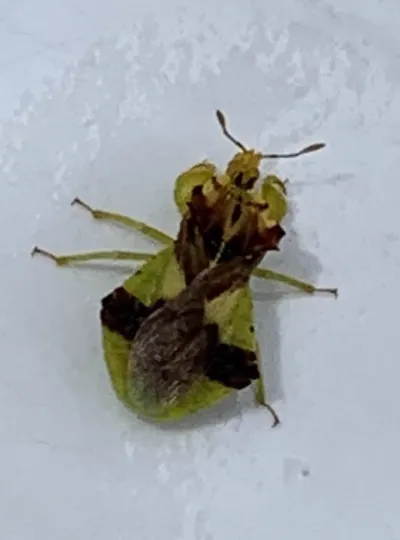
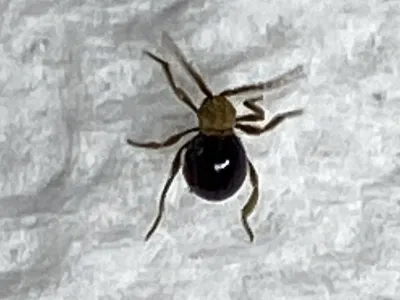
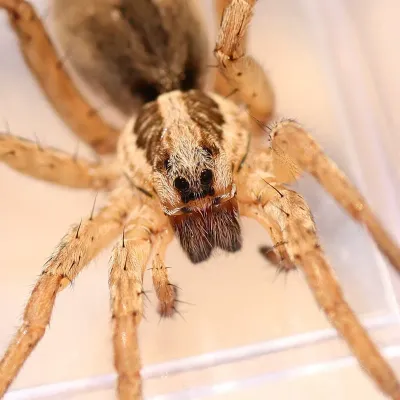
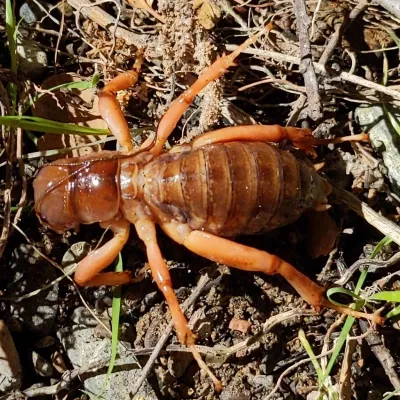
Wind Scorpions are often mistaken for these similar pests
Where Wind Scorpions Are Found
Hover over states to see their names. Green regions indicate where wind scorpions have been reported.
Common Questions about Wind Scorpions
Are wind scorpions dangerous to humans?
+
Wind scorpions are not venomous and are not considered dangerous. They do not have venom glands at all. However, they have strong jaws and can deliver a painful bite if handled or cornered. Clean the bite to prevent infection, but no special treatment is needed.
Why are they called camel spiders?
+
The name 'camel spider' likely comes from the fact that they live in deserts where camels are also found. A popular myth says they chase camels or people, but they are really just running toward shadows to get out of the sun. They are not true spiders or scorpions. They belong to their own group of arachnids called Solifugae.
How fast can wind scorpions run?
+
Wind scorpions are among the fastest arachnids, capable of running up to 10 miles per hour in short bursts. Their speed is one of the reasons they are called 'wind' scorpions. They use this speed both to chase down prey and to escape perceived threats.
Do wind scorpions live in the eastern United States?
+
Wind scorpions mostly live in the dry western and southwestern parts of the United States. They are very rare in the eastern states because the climate is too wet and cool for most species. Sightings east of the Great Plains are uncommon.
Will wind scorpions infest my home?
+
Wind scorpions do not infest homes the way ants or roaches do. They are solo hunters that may wander inside at night while chasing prey or looking for shelter. They do not form colonies, breed indoors, or damage property.
What should I do if I find a wind scorpion inside?
+
If you find a wind scorpion indoors, you can capture it with a jar and piece of cardboard and release it outside. To prevent future entry, seal gaps around doors, windows, and foundations. For ongoing issues, a pest control professional can apply a perimeter treatment to reduce activity near the home.

With five years of hands-on experience in the pest control industry, George Schulz is a registered technician with the Virginia Pest Management Association and a proud third-generation professional in a family business that's been protecting homes for over 58 years. He manages and trains a team of service pros while also leading internal research efforts—recently spearheading a deep-dive review of thousands of documents on pest control materials to hand-pick the most kid and pet friendly, most effective solutions tailored specifically for homes in the DC metro area.
Local Other Pests Help
Dealing with other pests at home? Our licensed technicians provide pest control across Northern Virginia and Maryland.
