Southern Devil Scorpions Identification Guide
Vaejovis carolinianus
The southern devil scorpion is a small, dark-colored arachnid native to the southeastern United States. Often found hiding under rocks, logs, and loose bark in wooded areas, it is the most commonly encountered scorpion east of the Mississippi River.
Taxonomy
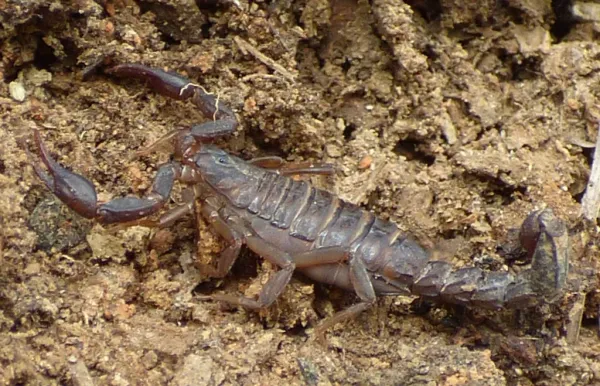
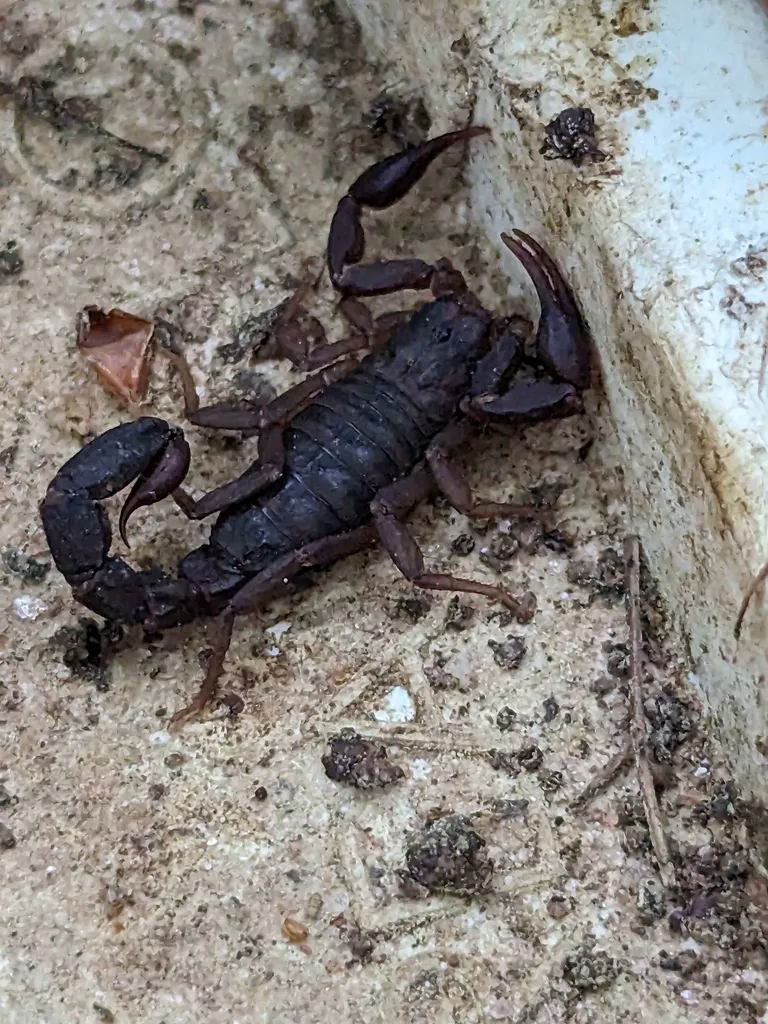
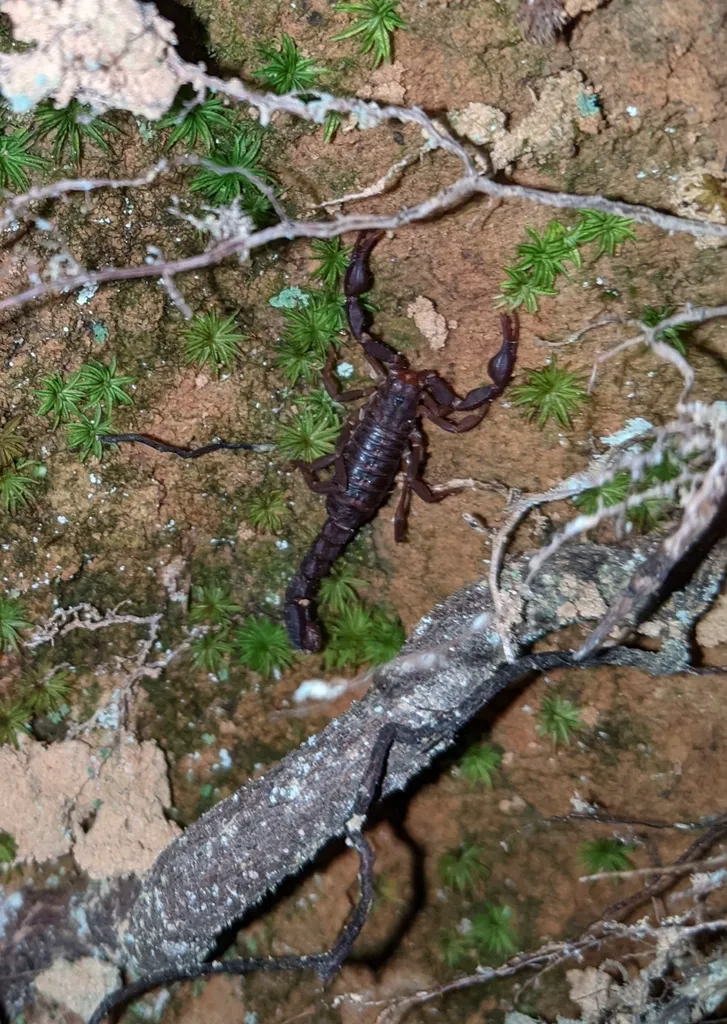
Southern Devil Scorpions Coloration
Common color patterns to help identify southern devil scorpions
Southern Devil Scorpions
Seasonal Activity
When southern devil scorpions are most active throughout the year

Where Southern Devil Scorpions Are Found
Hover over states to see their names. Green regions indicate where southern devil scorpions have been reported.
Southern Devil Scorpion Identification Guide
Physical Characteristics
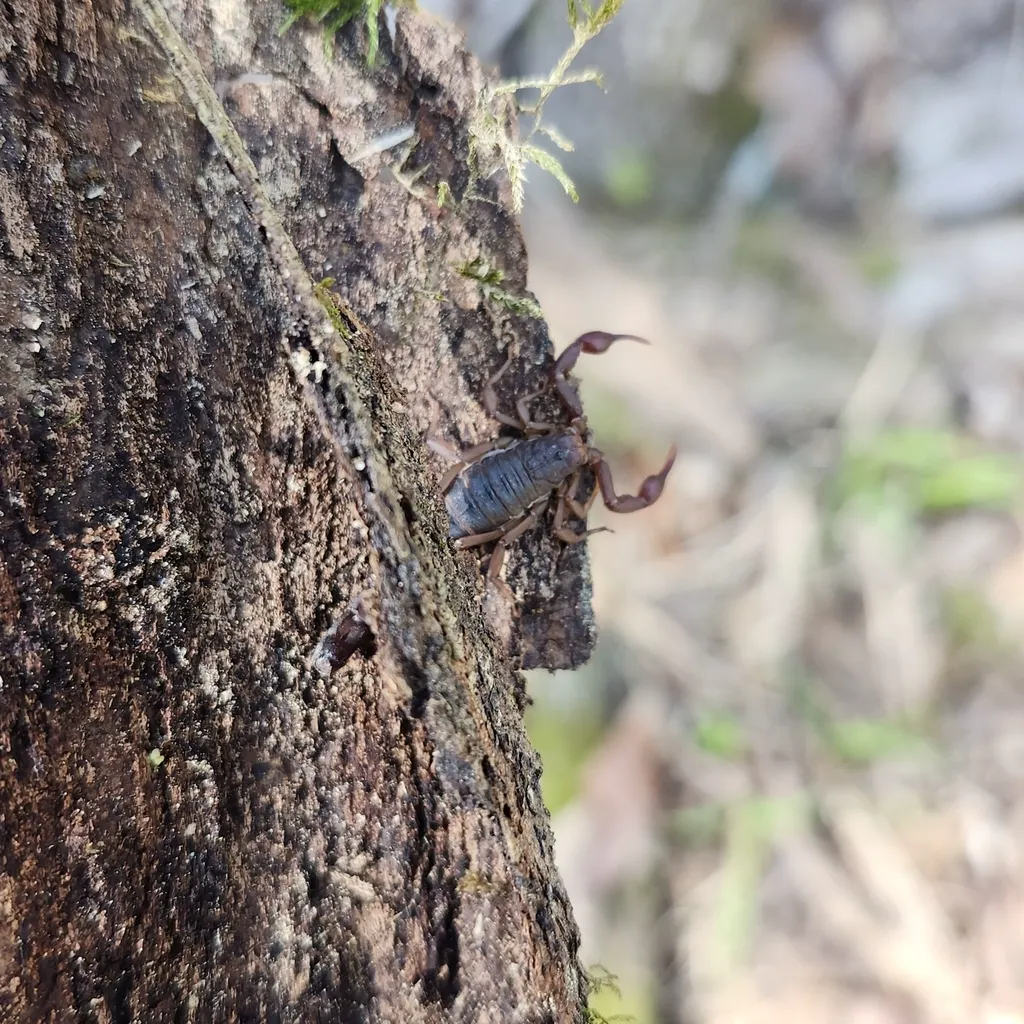
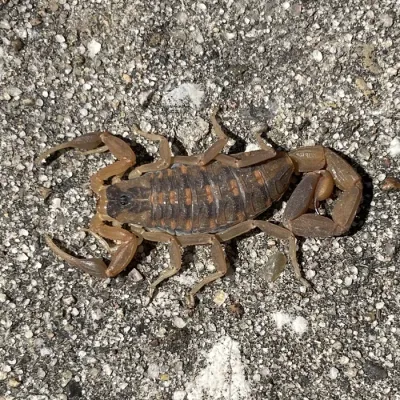
The southern devil scorpion (Vaejovis carolinianus) is a small, stocky scorpion that measures 1 to 2 inches long. It is much darker than most other scorpions in North America. The body is dark brown to nearly black. The legs and pincers often have a reddish-brown tone. This dark color makes it easy to tell apart from the pale bark scorpions found in the Southwest.
The pincers are thick and strong compared to the thin pincers of striped bark scorpions. The tail curves upward and ends in a small stinger. The tail has no pale stripes or bands, which is why some people call this the “southern unstriped scorpion.”
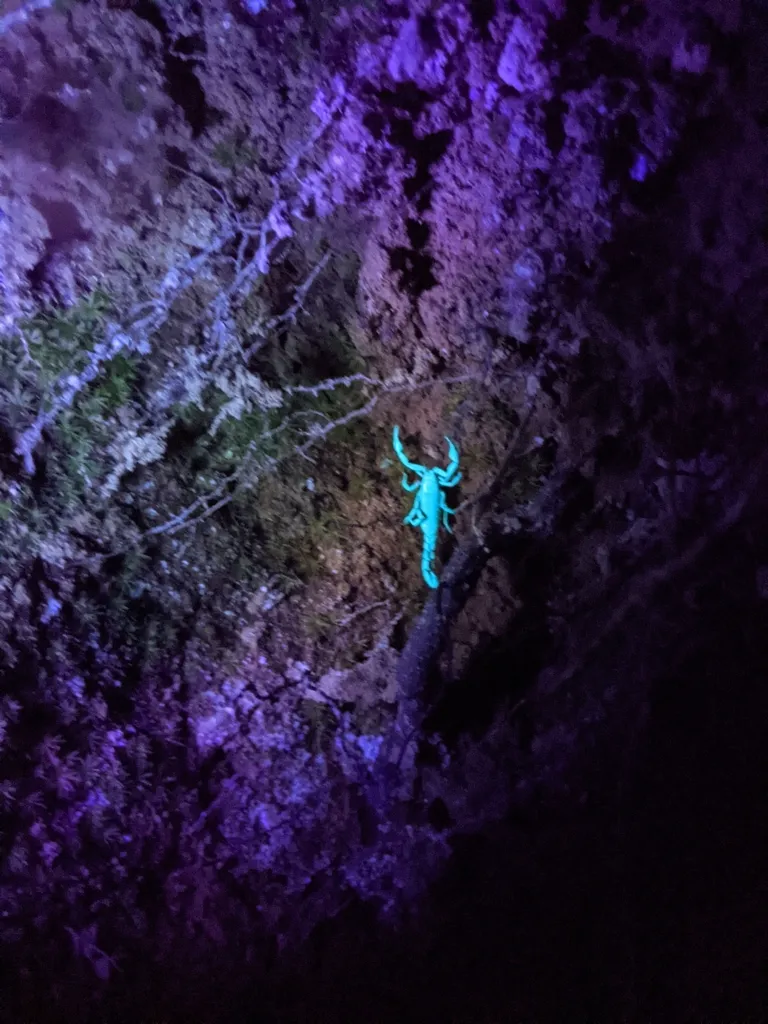
Like all scorpions, this species has eight walking legs and a pair of large pincers. The body has two main parts: the head region and a segmented abdomen that leads into a five-part tail. Southern devil scorpions glow bright blue-green under UV light. You can use a handheld blacklight at night to find them.
Common Look-Alikes
Several species look similar to the southern devil scorpion:
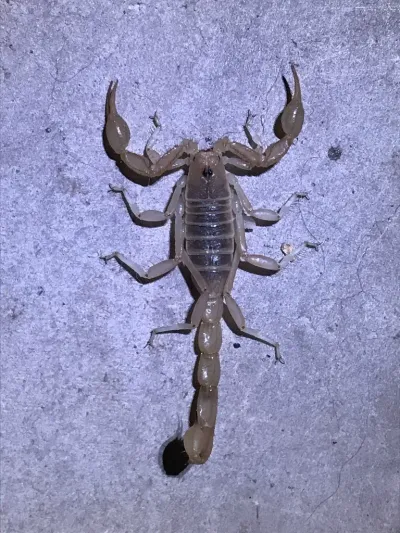
- Striped bark scorpion (Centruroides vittatus) is the most often confused species. It is lighter in color with two dark stripes down its back. It also has thinner pincers.
- Northern scorpion (Paruroctonus boreus) lives farther west and north. It is about the same size but lighter brown and prefers dry habitats.
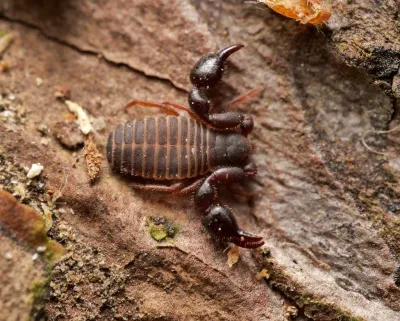
- Pseudoscorpions are tiny (under 8mm) and have pincers but no tail at all. They are harmless and often found in leaf litter or old books.
The best way to identify a southern devil scorpion is by its small size, dark color, thick pincers, and plain tail with no stripes. If you find a small, dark scorpion in the Southeast, it is most likely this species.
Southern Devil Scorpion Behavior and Biology
Habitat and Distribution
The southern devil scorpion is the most common scorpion east of the Mississippi River. It lives mainly in the southern Appalachian Mountains and the rest of the Southeast. The largest populations are in North Carolina, South Carolina, Georgia, Alabama, Tennessee, and eastern Kentucky. Smaller numbers have been found in Virginia, West Virginia, Mississippi, Louisiana, and northern Florida.
This species prefers moist hardwood forests and wooded hillsides. During the day, they hide under rocks, fallen logs, loose bark, and leaf litter. They do well in humid woodland areas and stay away from the dry, sandy ground that many western scorpions prefer.
When homes are built near wooded areas, southern devil scorpions sometimes get into basements, crawl spaces, garages, and ground-floor rooms. Homes next to wooded lots are at the highest risk, especially if there are rock walls, firewood stacks, or heavy landscaping near the foundation.
Diet and Feeding
Southern devil scorpions hunt at night. They use tiny body hairs to feel vibrations from nearby prey. They eat spiders, crickets, beetles, and other small bugs. They grab prey with their pincers and sting it to stop its movement before feeding.
Reproduction and Life Cycle
Females give live birth instead of laying eggs. A typical brood can include up to about 26 young. The babies climb onto the mother’s back right after birth and stay there until their first molt, usually two to three weeks later. Young scorpions shed their skin several times before reaching adult size. This growth takes one to two years depending on food and conditions.
Seasonal Activity
Southern devil scorpions are most active from May through September. Warm, humid nights above 75 degrees Fahrenheit bring the most activity. From November through February, they go dormant in sheltered hiding spots. Spring and fall are when homeowners are most likely to find one indoors. The scorpions move around more during these seasons as they look for shelter.
Sting and Medical Significance
The sting of a southern devil scorpion is mild, much like a bee or wasp sting. It is not dangerous for most healthy adults. Common symptoms include local pain, minor swelling, and redness that goes away within a few hours. Some people may have stronger reactions. Allergic responses are rare but possible.
If you have a severe reaction, trouble breathing, or spreading swelling after a scorpion sting, get emergency medical help or call Poison Control at 1-800-222-1222. This is for general awareness only and is not medical advice. Always talk to a doctor about health concerns.
Treatment and Control Methods for Southern Devil Scorpions
Scorpions do not damage structures. They are a nuisance pest and a sting risk. The goal of treatment is to keep them out of the home and reduce conditions that attract them. A mix of sealing, cleanup, and monitoring works best.
-
Sealing entry points. Check for and seal cracks and gaps around the foundation, doors, windows, and pipe openings. Add tight door sweeps and fix damaged weather stripping. Scorpions can fit through very small gaps, so careful sealing is the most important step.
-
Cleaning up the yard. Move firewood piles, stacked stones, lumber, and yard debris away from the foundation. Trim dense plants and heavy mulch back from outer walls. Fewer hiding spots near the home means fewer scorpions close enough to get inside.
-
Reducing moisture. Fix leaky outdoor faucets, hose bibs, and sprinkler lines near the foundation. Improve drainage to get rid of standing water and soggy soil. Both scorpions and the bugs they eat are drawn to moisture.
-
Cutting down on prey insects. Getting rid of crickets, spiders, and beetles around the home removes the food that pulls scorpions in. Switching outdoor lights to yellow bug lights can also reduce the number of insects near doors and windows.
-
Nighttime monitoring. Use a handheld UV blacklight to search for scorpions after dark. They glow bright blue-green under the light, making them easy to find. Sticky traps placed along walls and near doors can also track activity.
-
Professional perimeter treatments. Pest control operators can apply targeted treatments to foundations and known hiding areas. Crack and crevice treatments and dust in wall voids can cut down on indoor encounters. These treatments work best when paired with sealing and yard cleanup.
References
- Clemson University HGIC: Scorpion Control
- Mississippi State University Extension: Southern Devil Scorpion
- Louisiana Department of Wildlife & Fisheries: Southern Unstriped Scorpion
- GBIF: Vaejovis carolinianus Distribution Data
- Shelley, R.M. 1994. Distribution of the Scorpion Vaejovis carolinianus (Biodiversity Heritage Library)
Other Other Pests
Explore other species in the other pests family
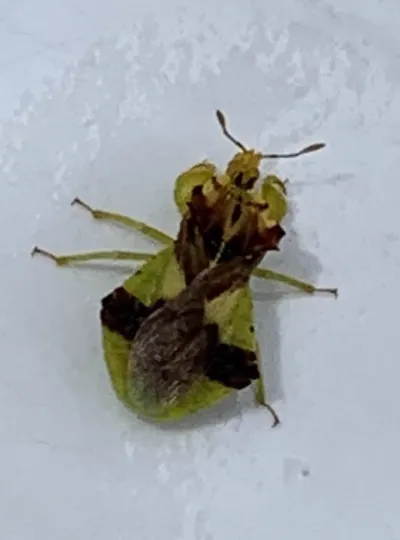
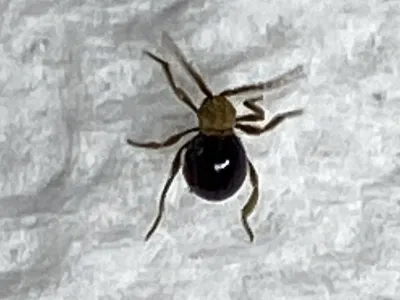
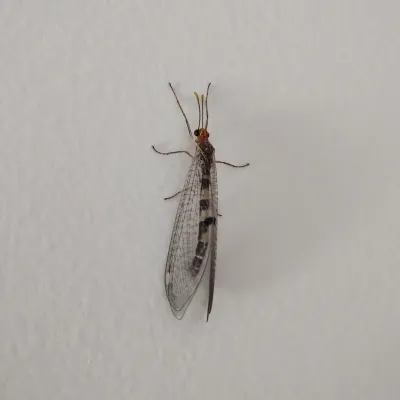
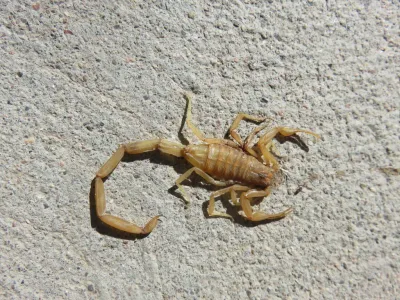
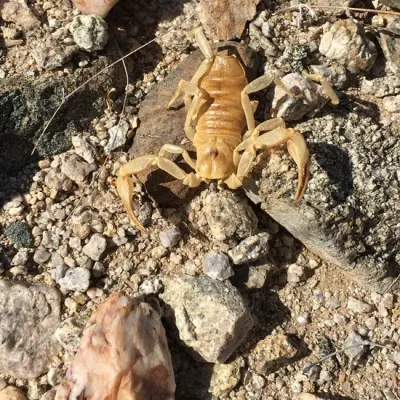
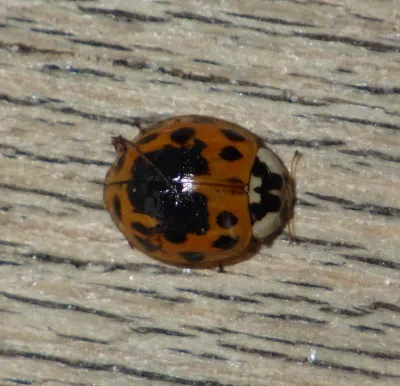
Commonly Confused With
Southern Devil Scorpions are often mistaken for these similar pests
Where Southern Devil Scorpions Are Found
Hover over states to see their names. Green regions indicate where southern devil scorpions have been reported.
Common Questions about Southern Devil Scorpions
Are southern devil scorpions dangerous?
+
Southern devil scorpions have a mild sting that is generally comparable to a bee or wasp sting. They are not considered medically significant for most healthy adults. However, individual reactions can vary, and anyone who experiences swelling, difficulty breathing, or other concerning symptoms after a sting should seek medical attention. This is not medical advice. Always consult a healthcare provider.
Where are southern devil scorpions found?
+
Southern devil scorpions are native to the southeastern United States, primarily in the Appalachian region and surrounding states. They are most common in North Carolina, South Carolina, Georgia, Alabama, Tennessee, and Kentucky. Scattered populations also exist in Virginia, West Virginia, Mississippi, Louisiana, and parts of Florida.
How can I tell if I have scorpions in my home?
+
The most effective method is a nighttime blacklight survey. All scorpions, including southern devil scorpions, glow bright blue-green under ultraviolet light. Check basements, crawl spaces, closets, and areas near exterior doors after dark.
What attracts southern devil scorpions indoors?
+
Southern devil scorpions are drawn indoors by moisture, shelter, and prey insects like crickets and spiders. They commonly enter homes through gaps around doors, windows, and foundation cracks, especially during hot summer months or when outdoor conditions become too dry.
How big do southern devil scorpions get?
+
Adults typically reach 1 to 2 inches in total length, including the tail. They are relatively small compared to many western scorpion species like the Arizona hairy scorpion, which can exceed 5 inches.
When are southern devil scorpions most active?
+
They are most active from May through September during warm, humid nights. Activity drops significantly in cooler months, and they are essentially dormant from December through February.
Can southern devil scorpions climb walls?
+
Southern devil scorpions are capable climbers on rough surfaces like bark, stone, and textured walls. They are less adept climbers than bark scorpions but can still scale uneven vertical surfaces to access entry points into structures.

With five years of hands-on experience in the pest control industry, George Schulz is a registered technician with the Virginia Pest Management Association and a proud third-generation professional in a family business that's been protecting homes for over 58 years. He manages and trains a team of service pros while also leading internal research efforts—recently spearheading a deep-dive review of thousands of documents on pest control materials to hand-pick the most kid and pet friendly, most effective solutions tailored specifically for homes in the DC metro area.
Local Other Pests Help
Dealing with other pests at home? Our licensed technicians provide pest control across Northern Virginia and Maryland.
