Northern Scorpions Identification Guide
Paruroctonus boreus
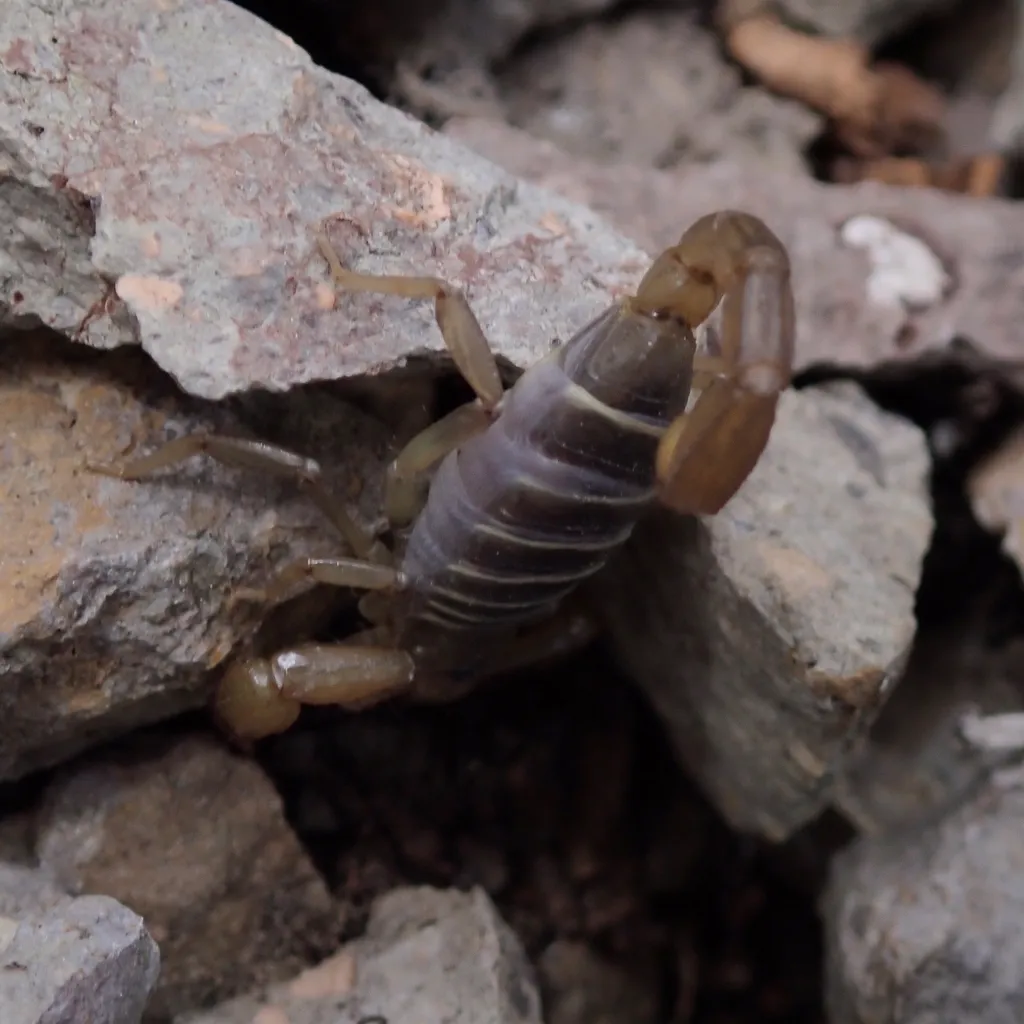
The northern scorpion is the most cold-tolerant scorpion in North America and the only species found in Canada. This small, tan-colored arachnid lives in dry grasslands and sagebrush habitats across the western United States and southern Canadian provinces.
Taxonomy
Northern Scorpions Coloration
Common color patterns to help identify northern scorpions
Northern Scorpions
Seasonal Activity
When northern scorpions are most active throughout the year

Where Northern Scorpions Are Found
Hover over states to see their names. Green regions indicate where northern scorpions have been reported.
Northern Scorpion Identification Guide
Physical Characteristics
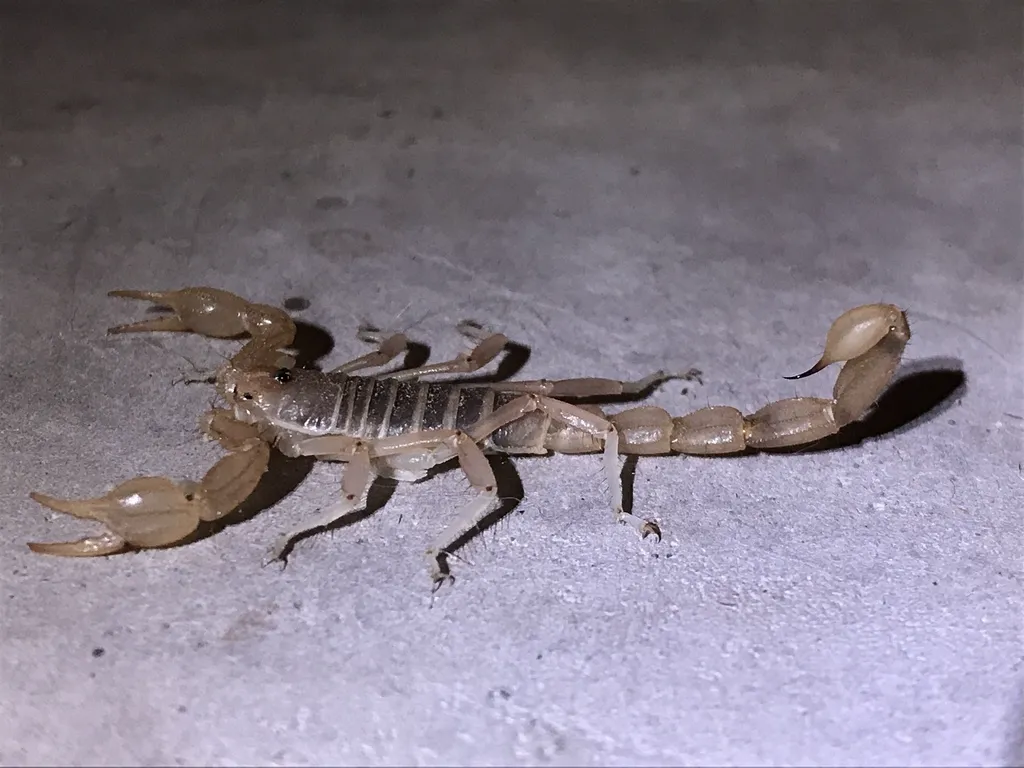
The northern scorpion (Paruroctonus boreus) is a small to medium-sized arachnid measuring about 1.4 to 2.2 inches in total length. Females tend to be slightly larger than males, averaging around 1.5 inches compared to the males’ 1.4 inches. This makes it one of the smaller scorpion species found in North America.
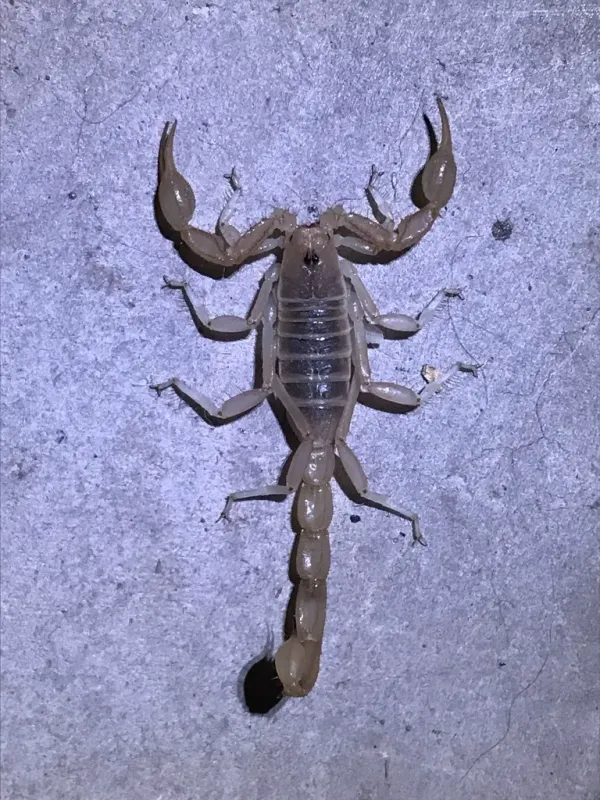
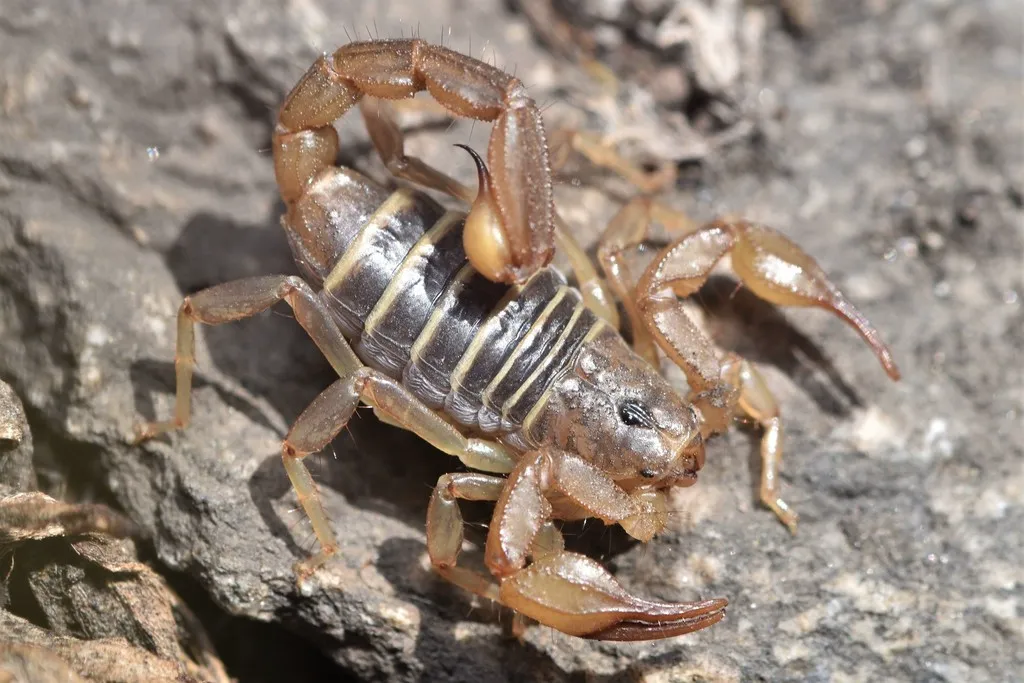
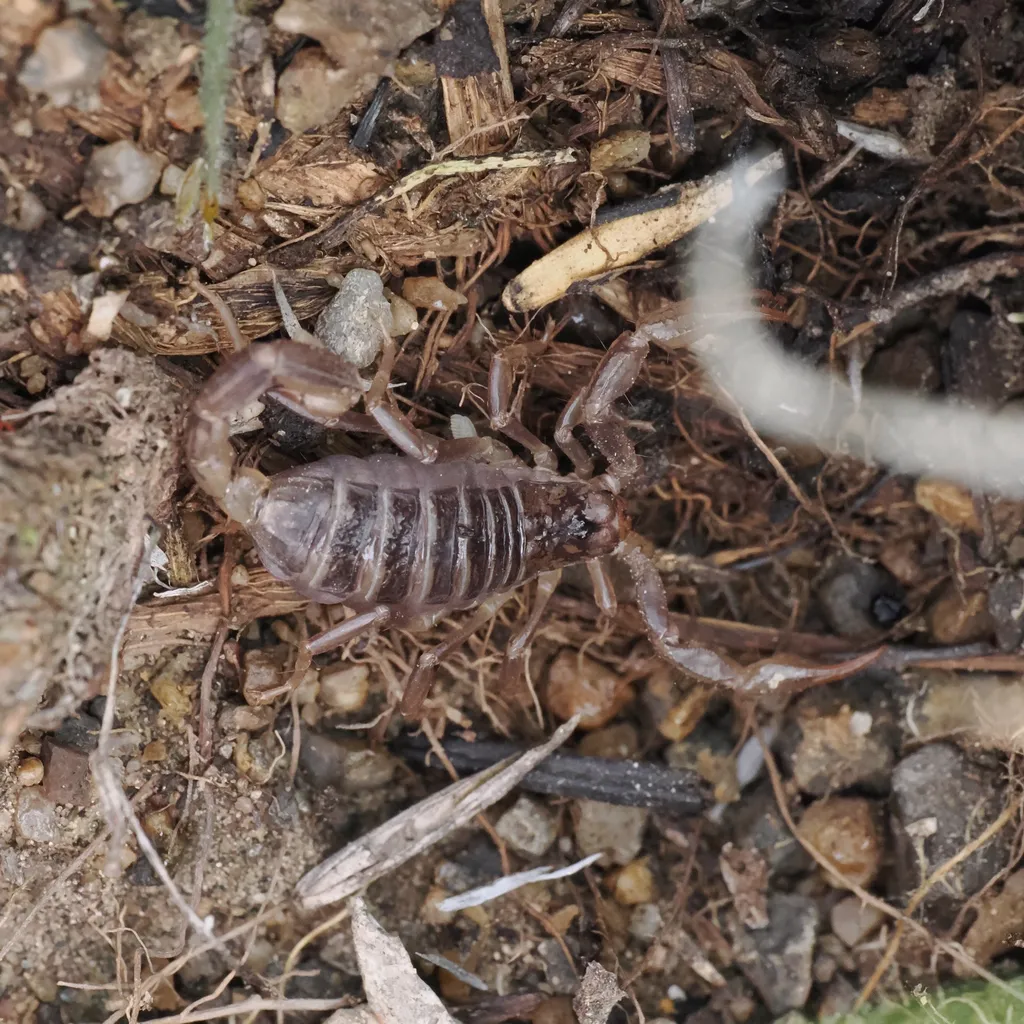
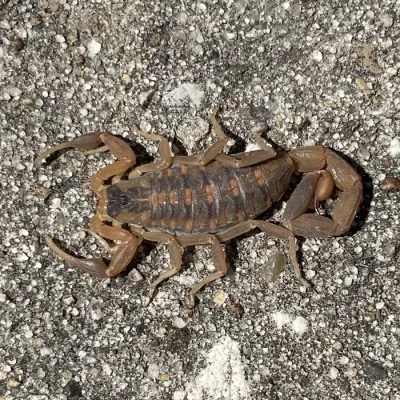
Body color ranges from pale yellow-tan to light brown, sometimes with subtle darker markings. Many individuals display a faint darker V-shaped pattern on the carapace (the plate covering the head region) near the median eyes. The pincers are moderately sized and proportional to the body, neither especially slender nor thick. The segmented tail curves upward and ends in a bulb-shaped telson tipped with a stinger.
Like all scorpions, the northern scorpion has eight walking legs plus a pair of pincers (pedipalps). Its body is divided into a broad front section and a segmented abdomen that transitions into the characteristic five-segment tail. Under ultraviolet light, northern scorpions fluoresce bright blue-green, a trait shared by all scorpions that makes nighttime detection straightforward.
Common Look-Alikes
Several arachnids are commonly confused with the northern scorpion:
- Striped bark scorpion (Centruroides vittatus) has a slimmer build with more slender pincers and two dark longitudinal stripes running down its back. It belongs to a different family (Buthidae) and is found across the south-central United States.
- Arizona bark scorpion (Centruroides sculpturatus) is a slender, climbing species with thin pincers and a long thin tail. It is found in the Southwest desert and has a much more medically significant sting than the northern scorpion.
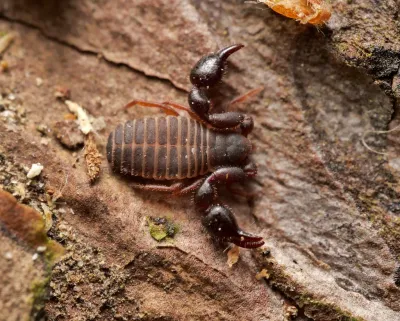
- Pseudoscorpions are tiny arachnids under 8mm long. They have pincers but completely lack a tail and stinger. They are harmless and commonly found in leaf litter, under bark, or occasionally indoors.
The northern scorpion is best identified by its moderate build, tan to light-brown color, relatively stocky pincers compared to bark scorpions, and its geographic range in cooler, more northern habitats where other scorpion species are absent.
Northern Scorpion Behavior and Biology
Habitat and Distribution
The northern scorpion holds a unique distinction as the northernmost-ranging scorpion species in the Western Hemisphere. Its range stretches from Arizona and California northward through the Great Basin and Rocky Mountain states into Montana, the Dakotas, and Nebraska. It is the only scorpion species with confirmed breeding populations in Canada, living in the Okanagan Valley of British Columbia, southern Alberta, and parts of southwestern Saskatchewan.
This species favors dry, open habitats. It is most commonly found in sagebrush steppe, shortgrass prairies, rocky slopes, and sandy areas. It shelters during the day in shallow burrows it digs in loose soil, under rocks, beneath pieces of wood, and in rock crevices. A field study at the Hanford Site in Washington state found that northern scorpions were most abundant in native big sagebrush communities and less common in areas heavily invaded by cheatgrass.
Diet and Feeding
Northern scorpions are generalist nocturnal predators. They hunt small arthropods including crickets, beetles, spiders, and other ground-dwelling invertebrates. They are ambush hunters that rely on sensory hairs on their body and pincers to detect ground vibrations from nearby prey. Once prey is within reach, they grab it with their pincers and use their stinger if needed to subdue it. Typical prey items range from about 4 to 20mm in size.
Reproduction and Life Cycle
Like all scorpions, northern scorpions give live birth rather than laying eggs. After a gestation period of several months, the female produces a brood of young called scorplings. The newborns immediately climb onto the mother’s back and ride there until their first molt, usually about two weeks after birth. After dispersing, juvenile scorpions go through several additional molts before reaching adult size. This maturation process typically takes one to several years depending on food availability and environmental conditions. Adults can live for multiple years in the wild.
Seasonal Activity
Northern scorpions are active from roughly late March or April through October, with peak surface activity from May through September. They are strictly nocturnal, emerging after dusk — typically between about 9:30 PM and 11:00 PM — to forage. Warm nights are essential for activity. They generally do not surface when nighttime temperatures drop below about 50 degrees Fahrenheit.
From November through February, northern scorpions enter a period of dormancy. They retreat into deeper burrows or rock crevices and remain inactive through the winter months. Their ability to survive extended cold periods, including freezing temperatures, is what sets them apart from most other North American scorpion species and allows them to thrive at higher latitudes and elevations.
Venom and Medical Significance
The northern scorpion’s sting is not considered medically dangerous to healthy adults. Most stings produce effects similar to a bee sting: localized pain, minor swelling, and redness at the sting site. Symptoms typically resolve within a few hours without medical treatment. The venom is far less potent than that of bark scorpions in the genus Centruroides.
If stung, clean the area and apply a cold compress. Seek medical attention if symptoms spread beyond the sting site, if you experience an allergic reaction, or if a child or elderly person is stung. This information is for general awareness only and is not a substitute for professional medical advice.
Treatment and Control Methods for Northern Scorpions
Effective scorpion management relies on a combination of exclusion, habitat modification, and targeted treatments. Because northern scorpions follow their prey, reducing insect populations around a home is one of the most effective long-term strategies.
-
Exclusion. Seal cracks and gaps around doors, windows, utility penetrations, and foundation joints. Install tight-fitting door sweeps. Screen weep holes and vent openings. Northern scorpions can squeeze through surprisingly small gaps, so thorough sealing is important.
-
Habitat modification. Remove rock piles, stacked firewood, and construction debris near the foundation. Keep vegetation trimmed away from exterior walls. Avoid deep layers of landscape rock or mulch against the home, as these create ideal scorpion harborage. Reduce irrigation near the foundation since moisture attracts both scorpions and their prey.
-
Monitoring and detection. Conduct nighttime inspections using a handheld UV flashlight. Scorpions glow brightly under blacklight, making them easy to spot and count. This helps identify entry points and high-activity zones. Sticky traps placed along baseboards and near entry points can also track indoor scorpion activity.
-
Prey reduction. Manage populations of crickets, cockroaches, beetles, and other insects in and around the home. Eliminating their food source makes the area less attractive to scorpions.
-
Outdoor lighting management. Reduce or redirect exterior lighting. Bright lights attract the insects that scorpions feed on. Use yellow or sodium vapor bulbs, which attract fewer insects, or direct lights away from the home.
-
Chemical treatments. Perimeter barrier treatments around foundations, crack and crevice applications, and dust treatments in wall voids can help reduce scorpion numbers when combined with exclusion and habitat changes. These are most effective as part of an integrated approach rather than as a standalone solution.
References
- Zack, R. S. & Looney, C. (2012). Habitat distribution and seasonality of the northern scorpion, Paruroctonus boreus, at the Hanford Site. Pan-Pacific Entomologist.
- Beron, P. (2019). Pseudoscorpiones and Scorpiones of Canada. PMC / National Library of Medicine.
- Pacific Northwest Pest Management Handbooks: Scorpion (Nuisance/Household)
- BugGuide: Paruroctonus boreus Species Page
- Miller, A. L. et al. (2014). Phylogeography of Paruroctonus boreus. Molecular Phylogenetics and Evolution.
Other Other Pests
Explore other species in the other pests family
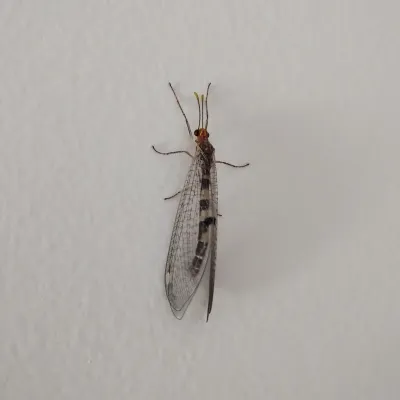
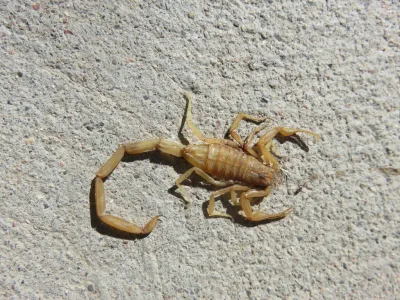
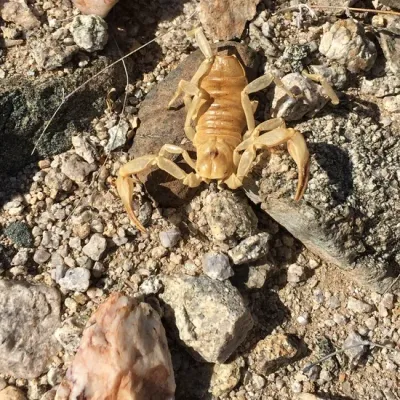
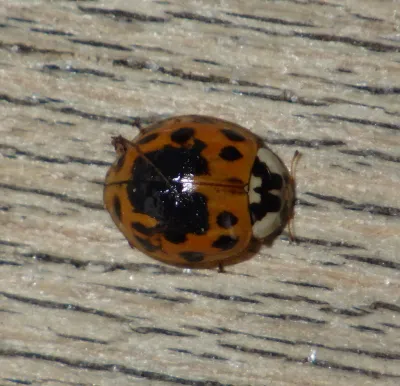
Commonly Confused With
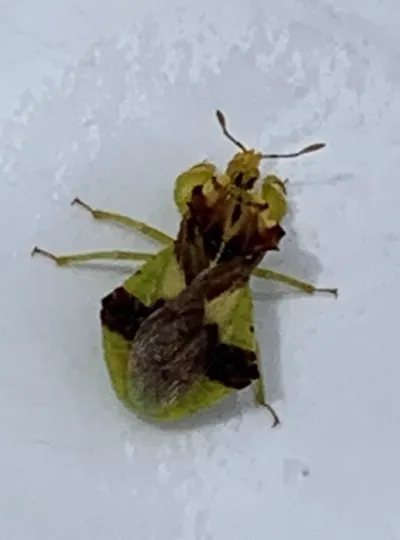
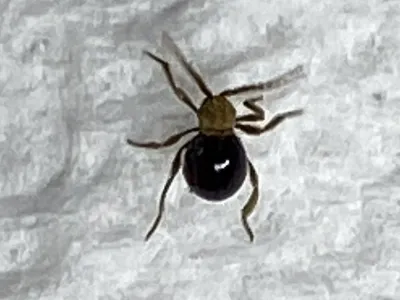
Northern Scorpions are often mistaken for these similar pests
Where Northern Scorpions Are Found
Hover over states to see their names. Green regions indicate where northern scorpions have been reported.
Common Questions about Northern Scorpions
Are northern scorpions dangerous to people?
+
Northern scorpion stings are not considered medically significant for most healthy adults. The sting is typically compared to a bee sting in pain level. Localized pain, redness, and mild swelling are the most common reactions. However, anyone who experiences an allergic reaction or unusual symptoms after a sting should seek medical attention. This is not medical advice. Always consult a healthcare provider.
Where do northern scorpions live?
+
Northern scorpions are found across the western United States and into southern Canada. They prefer dry, open habitats like sagebrush steppe, grasslands, rocky slopes, and sand dunes. They are the only scorpion species with established populations in Canada, living in southern British Columbia, Alberta, and parts of Saskatchewan.
Can northern scorpions survive cold winters?
+
Yes. Northern scorpions are the most cold-tolerant scorpion species in North America. They survive freezing winters by entering a state of reduced activity in burrows or rock crevices. They emerge in spring when nighttime temperatures rise above about 50 degrees Fahrenheit.
How can I find scorpions around my home at night?
+
All scorpions, including northern scorpions, fluoresce bright blue-green under ultraviolet (blacklight) light. A handheld UV flashlight makes them easy to spot after dark on walls, pathways, and landscaping features.
What do northern scorpions eat?
+
Northern scorpions are nocturnal predators that feed on small insects and other invertebrates. They eat crickets, beetles, spiders, and other ground-dwelling arthropods. They are ambush hunters that detect prey through vibrations and seize it with their pincers.
How do I keep scorpions out of my home?
+
Focus on sealing entry points around doors, windows, and foundation penetrations. Remove rock piles, woodpiles, and debris near the foundation. Trim vegetation away from exterior walls. Reducing outdoor lighting at night helps limit the insects that attract scorpions. Addressing indoor pest populations also removes their food source.
Do northern scorpions come inside homes?
+
Northern scorpions can enter homes seeking shelter or following prey insects, though this is less common than with desert-dwelling species like the Arizona bark scorpion. Homes near open grassland or sagebrush habitat in the western states are most likely to encounter them.

With five years of hands-on experience in the pest control industry, George Schulz is a registered technician with the Virginia Pest Management Association and a proud third-generation professional in a family business that's been protecting homes for over 58 years. He manages and trains a team of service pros while also leading internal research efforts—recently spearheading a deep-dive review of thousands of documents on pest control materials to hand-pick the most kid and pet friendly, most effective solutions tailored specifically for homes in the DC metro area.
Local Other Pests Help
Dealing with other pests at home? Our licensed technicians provide pest control across Northern Virginia and Maryland.
