Carpenter Worm Moth Identification Guide
Prionoxystus robiniae
The carpenter worm moth is a large gray moth whose thick, caterpillar-like larvae tunnel deep into oak, ash, locust, elm, and other shade trees for two to four years, weakening trunks and limbs.
Taxonomy
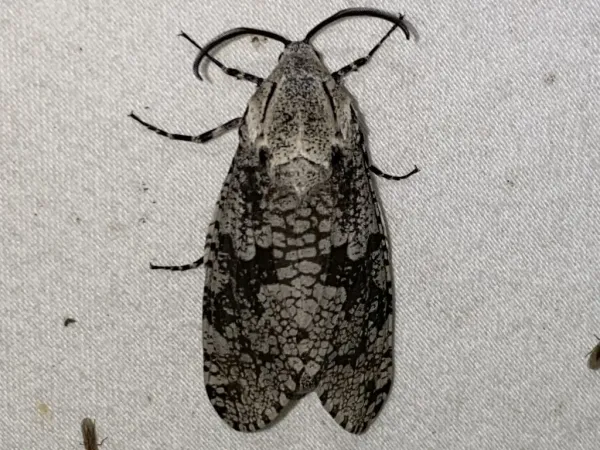
Carpenter Worm Moth Coloration
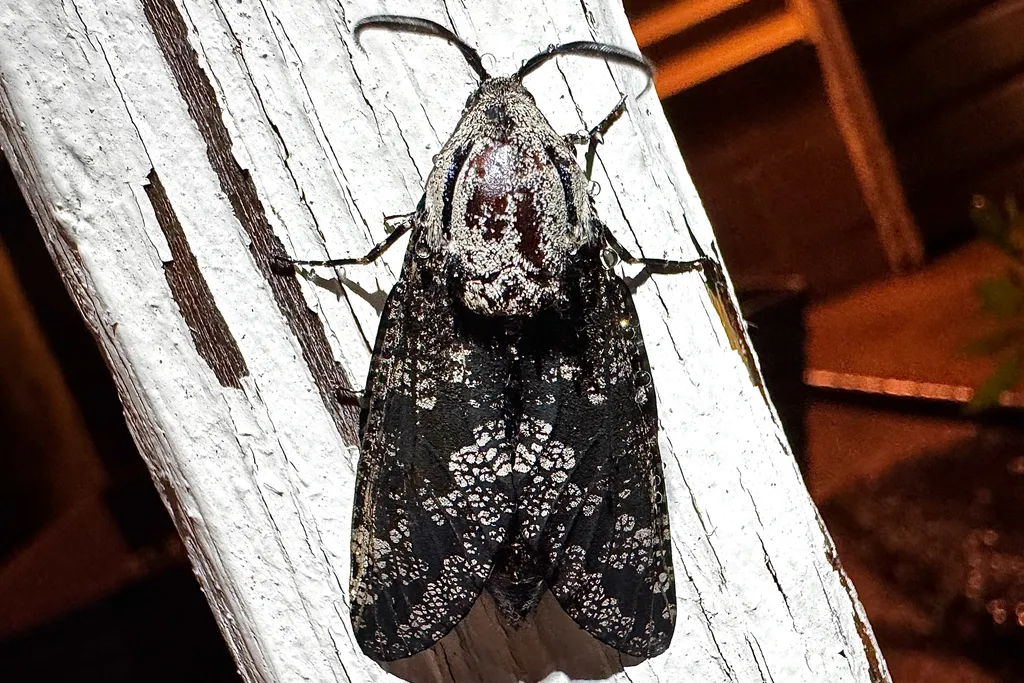
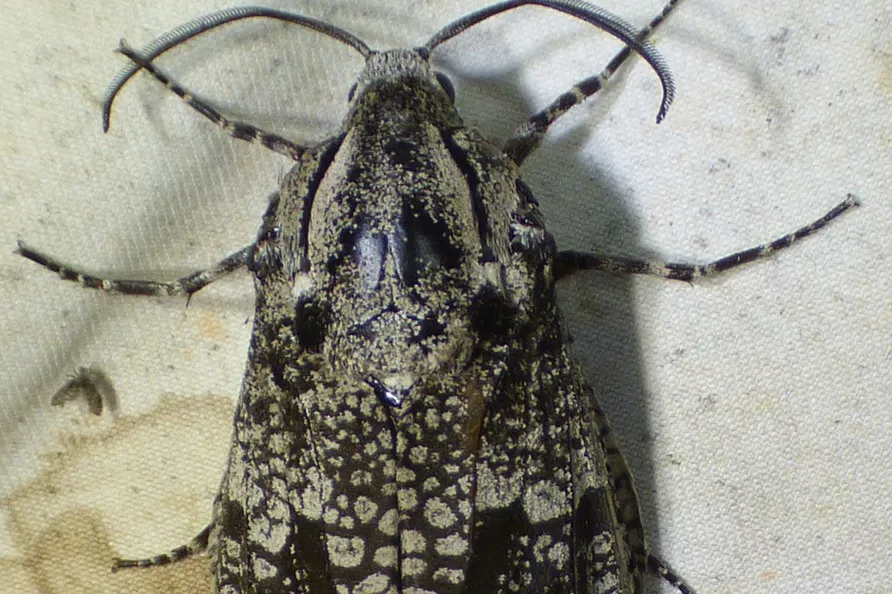
Common color patterns to help identify carpenter worm moth
Carpenter Worm Moth
Seasonal Activity
When carpenter worm moth are most active throughout the year

Where Carpenter Worm Moth Are Found
Hover over states to see their names. Green regions indicate where carpenter worm moth have been reported.
Carpenter Worm Moth Identification Guide
Physical Characteristics
The carpenter worm moth is one of the largest tree-boring moths in North America. Most people never see the adult. They see the damage its larvae leave in oaks, ash, and other shade trees.
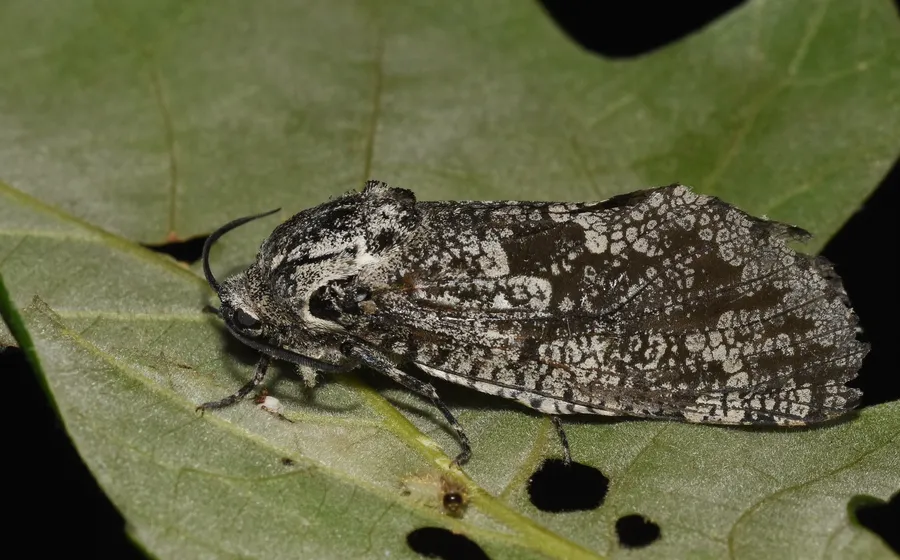
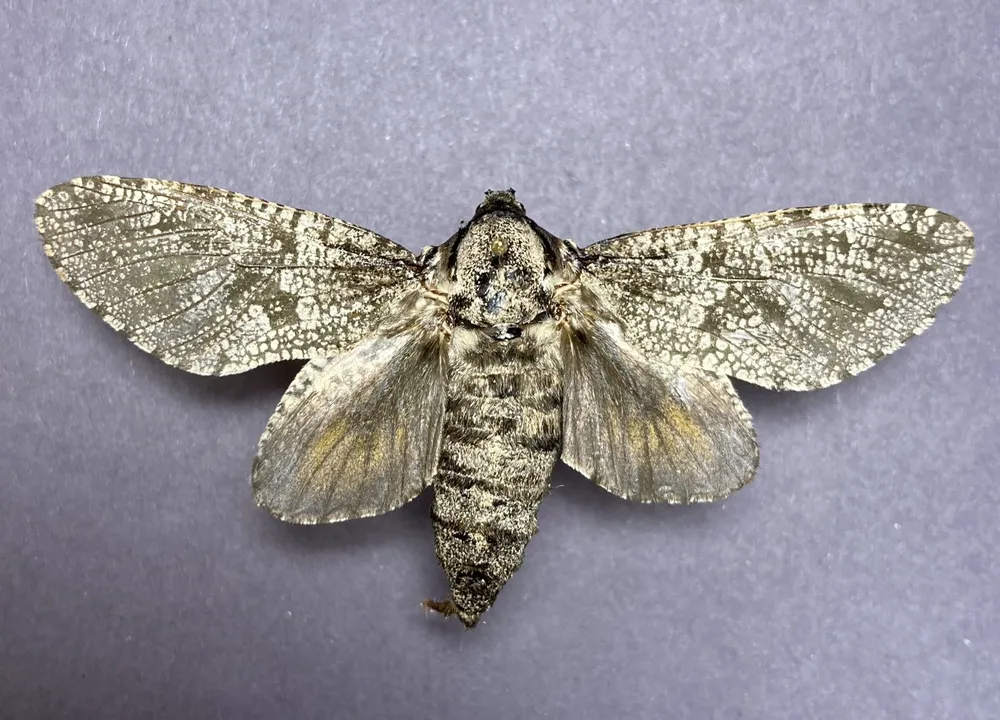
Adults are thick-bodied moths about 1 to 2 inches long with a wingspan near 3 inches. Key features:
- Forewings: gray to off-white with lacy black lines and spots. At rest, the wings fold like a tent over the body. They blend in with tree bark.
- Hindwings: pale in females. Males have an orange or yellow-orange patch on each hindwing.
- Antennae: females have thin, banded antennae. Males have feathery ones.
- Size difference: females are much larger and heavier than males.
Adults do not feed. They live only a short time, just long enough to mate and lay eggs.
Larvae (Carpenter Worms)
The larva is the damaging stage. Full-grown carpenter worms are 2 to 3 inches long and up to 1/2 inch thick. The body is greenish-white to pink, with a dark brown head and a few hairs. Beetle grubs have no legs on the belly. Carpenter worms do. They have short, fleshy legs (prolegs) like other caterpillars.
Common Species
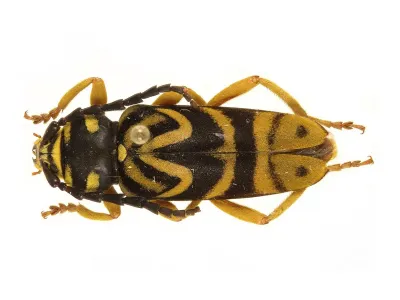
- Carpenter worm moth (Prionoxystus robiniae): the widespread species covered here. It is sometimes called the “locust borer.” That name mixes it up with the black-and-yellow locust borer beetle.
- Little carpenterworm (Prionoxystus macmurtrei): a smaller eastern relative that mostly attacks oaks.
- Leopard moth (Zeuzera pyrina): a white moth with black spots from Europe. It bores into maples and other shade trees in the Northeast.
Carpenter Worm Moth Behavior and Biology
Habitat and Range
Carpenter worm moths live across most of the United States and southern Canada, plus parts of northern and central Mexico. In the eastern and southern states, red oaks are a favorite host. On the prairies and in the Rockies, poplars and green ash are common targets. In California, live oaks and elms are hit hardest.
They are common in yard, street, and park trees and in nurseries. Trees stressed by drought, root damage, or wounds are hit most.
Diet
Adults do not eat. Larvae feed on living wood. Young larvae chew the inner bark first. Once they are about half grown, they tunnel into the sapwood and then the heartwood. Galleries can be up to 9 inches long and more than 1/2 inch wide.
Host trees include:
- Oaks (especially the red oak group)
- Ash, including green ash
- Black locust
- Elm, maple, and birch
- Poplar, cottonwood, and willow
- Ornamental and fruiting pear, cherry, and apricot
Life Cycle
The life cycle is slow. It takes one to two years in the South and two to four years in northern areas and at high elevation.
- Eggs: Females lay hundreds of sticky, olive-green eggs in bark cracks, often near wounds, old tunnels, or vines on the trunk. Eggs hatch in about two weeks.
- Larvae: Caterpillars bore straight into the tree. They feed inside for one to four years and molt many times.
- Pupae: Mature larvae line the tunnel with silk and pupate near the entrance hole.
- Adults: The pupa wiggles partway out of the hole before the moth emerges. Adults fly from late spring through summer. In most areas, adults appear from May through July or August. In the Deep South they can start in late March. They fly at night and are drawn to lights.
Signs of Infestation
Carpenter worms are hard to spot until damage builds up. Look for:
- Round holes about 1/2 inch across on the trunk or large limbs
- Coarse frass (sawdust and droppings) pushed out of holes, piling on bark or at the base of the tree
- Dark, wet sap stains running down the bark
- Empty pupal cases sticking out of holes after adults leave
- Knotty swellings and patches of dead, loose bark
- Broken limbs after storms, often snapping at a tunnel
Tree Damage
Carpenter worms seldom kill a mature tree by themselves. But their tunnels weaken the wood, so branches can break in high winds. Tunnels also let in rot. Old tunnels and rotting wood can give carpenter ants a place to nest. In nurseries and timber stands, the tunnels and knots lower the value of the wood.
Treatment Methods for Carpenter Worms
Better Termite & Pest Control does not treat carpenter worms. They live inside living trees. That makes them a tree care problem, not a household pest. If you see signs in a tree on your property, call an ISA-certified arborist or your county extension office. They can tell you if limbs are a hazard and if the tree is worth saving.
These are the approaches that generally work against carpenter worms:
- Keep trees healthy. Water deeply during drought, mulch the root zone, and keep mowers and string trimmers off the bark. Healthy trees resist attack better.
- Prune and remove. Cut out heavily tunneled limbs. Remove badly infested trees and chip or burn the wood before adults emerge in spring.
- Wire probing. For a few holes, a flexible wire pushed into the tunnel can kill the larva inside.
- Insect-attacking nematodes. Some university programs list tiny worms (Steinernema species) squirted into active tunnels. They can kill larvae already in the wood.
- Timed bark sprays. On high-value trees, arborists may spray EPA-registered products on the trunk and limbs while adults are flying. The goal is to hit young larvae before they bore in.
Sprays on the bark do not reach larvae deep in the wood. That is why timing, tree care, and early detection matter most.
Seeing wood damage inside your house instead? That is a different problem. Start with our guides to carpenter ants and old house borers, or reach out about our carpenter ant control and pest control services.
Similar Species and Look-Alikes
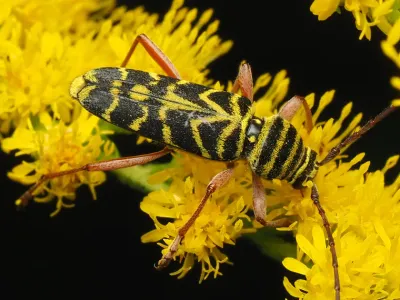
- Locust borers: a black-and-yellow longhorn beetle that also bores into black locust. Its grubs have no legs along the belly.
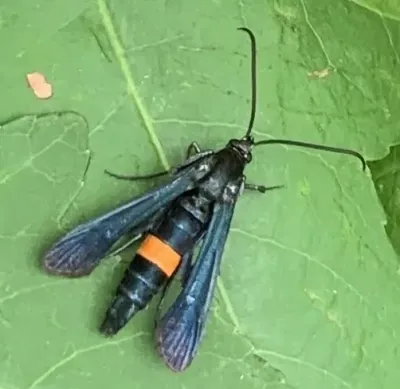
- Peachtree borer moths: wasp-like clearwing moths whose larvae bore into the base of peach, plum, and cherry trees.
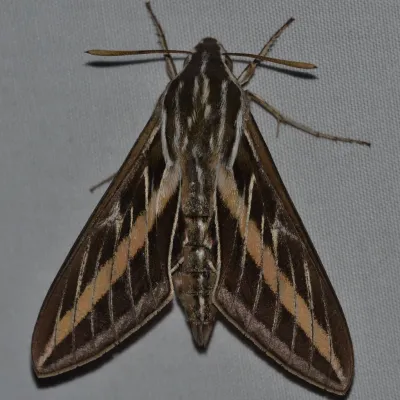
- Sphinx moths: large, stout moths with narrow wings. Their caterpillars feed on leaves, not wood.
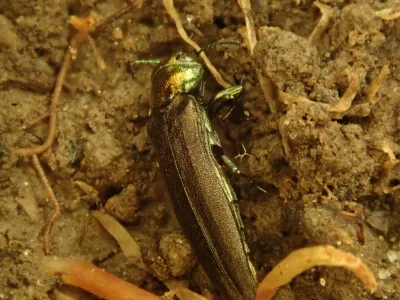
- Emerald ash borers: a small metallic green beetle that kills ash trees. It leaves tiny D-shaped exit holes, much smaller than a carpenter worm hole.
- Sugar maple borers: a longhorn beetle whose legless grubs tunnel under maple bark, leaving long scars and cracks. Carpenter worms also attack maples but leave larger round holes with piles of coarse frass.
References
Other Moths
Explore other species in the moths family
Commonly Confused With
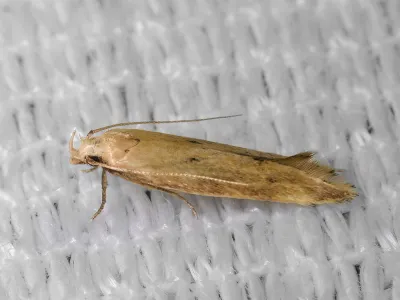
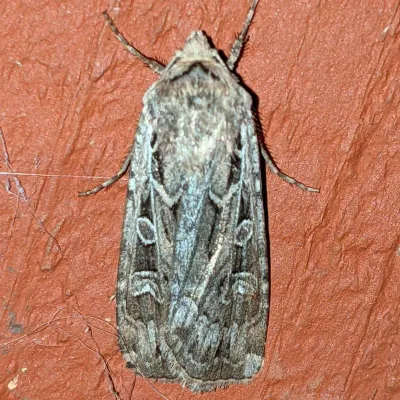
Carpenter Worm Moth are often mistaken for these similar pests
Where Carpenter Worm Moth Are Found
Hover over states to see their names. Green regions indicate where carpenter worm moth have been reported.
Common Questions about Carpenter Worm Moth
What does a carpenter worm moth look like?
+
It is a large, heavy-bodied moth about 1 to 2 inches long with a wingspan near 3 inches. The forewings are gray and white with a lacy black pattern that looks like tree bark. Females have pale hindwings. Smaller males have an orange patch on each hindwing and feathery antennae.
What is a carpenter worm?
+
A carpenter worm is the larva of the carpenter worm moth. It is a thick, greenish-white or pinkish caterpillar with a dark brown head. Full-grown larvae reach 2 to 3 inches long and live inside tree trunks and large limbs, where they chew tunnels through the wood.
What trees do carpenter worms attack?
+
They attack many hardwoods. Common hosts are oaks (especially red oaks), ash, black locust, elm, maple, poplar, cottonwood, willow, birch, and ornamental pear. Trees that are stressed, wounded, or growing in poor sites are the most likely targets.
Will carpenter worms kill my tree?
+
They rarely kill a tree outright. The bigger risks are weak limbs that snap in wind, bark that dies in patches, and wounds that let decay and disease in. Young nursery trees and trees with many larvae suffer the most.
How do I know if a tree has carpenter worms?
+
Look for round holes about 1/2 inch wide on the trunk or large limbs, coarse sawdust-like frass on the bark or ground, dark wet sap stains, and knotty swellings. Empty brown pupal cases sticking out of holes in late spring or summer are a sure sign.
Do carpenter worm moths damage houses or furniture?
+
No. The larvae only develop in living trees. They do not infest lumber, framing, or furniture in your home. Adults sometimes rest on siding or porches near lights, but they do not feed or breed indoors.
Does Better Termite treat carpenter worms?
+
No. Carpenter worms are a tree health problem, not a household pest. An ISA-certified arborist or your county extension office can inspect the tree, judge whether limbs are a hazard, and time any treatment correctly.

With five years of hands-on experience in the pest control industry, George Schulz is a registered technician with the Virginia Pest Management Association and a proud third-generation professional in a family business that's been protecting homes for over 58 years. He manages and trains a team of service pros while also leading internal research efforts—recently spearheading a deep-dive review of thousands of documents on pest control materials to hand-pick the most kid and pet friendly, most effective solutions tailored specifically for homes in the DC metro area.
Local Moths Help
Dealing with moths at home? Our licensed technicians provide pest control across Northern Virginia and Maryland.
