Honey Bees Identification Guide
Apis mellifera
Honey bees are social insects that live in large colonies and produce honey and beeswax. When colonies establish in walls or structures, professional removal or relocation is often needed.
Taxonomy
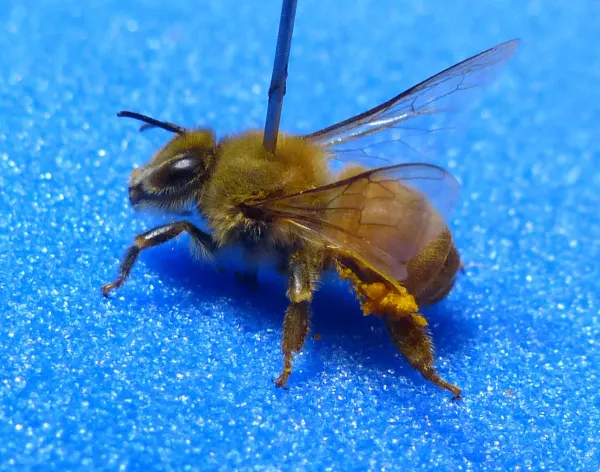
Honey Bees Coloration
Common color patterns to help identify honey bees
Honey Bees
Seasonal Activity
When honey bees are most active throughout the year
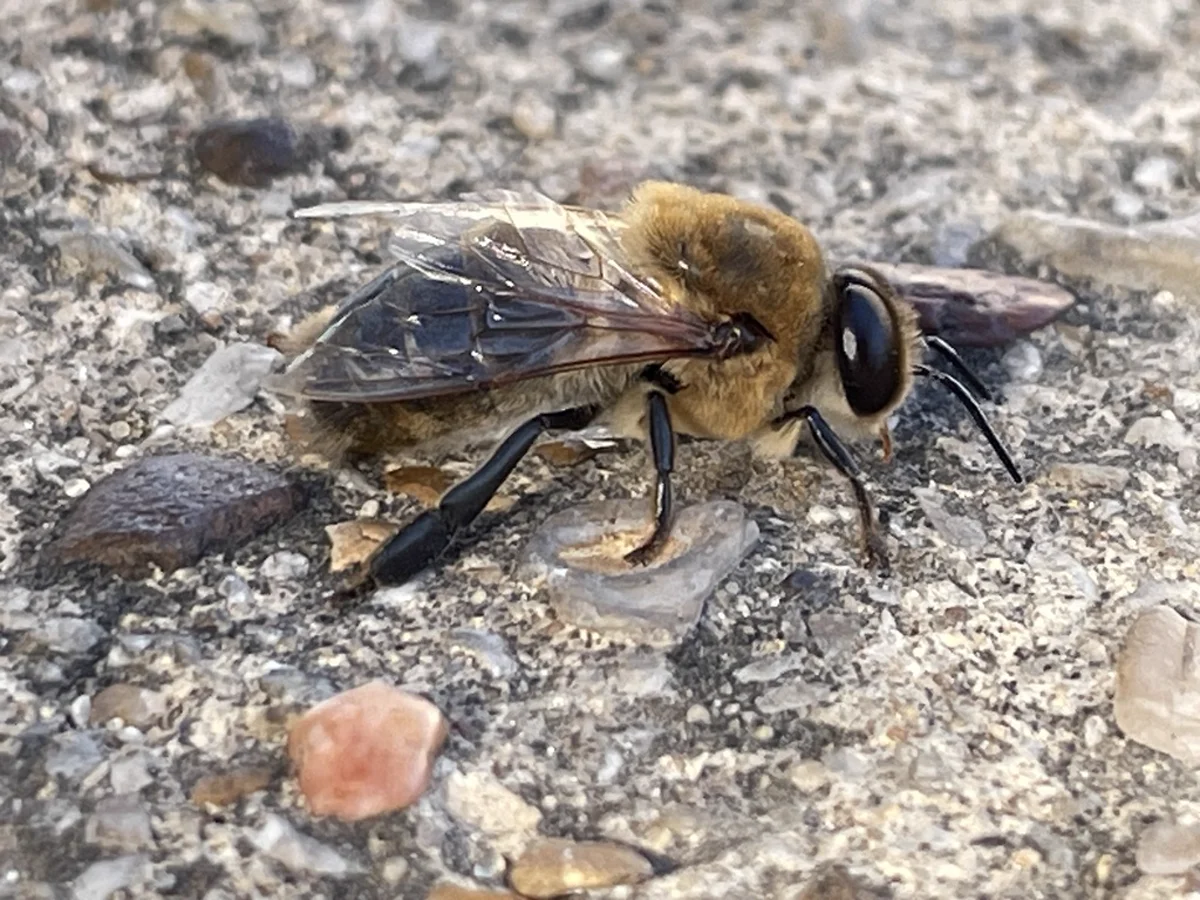
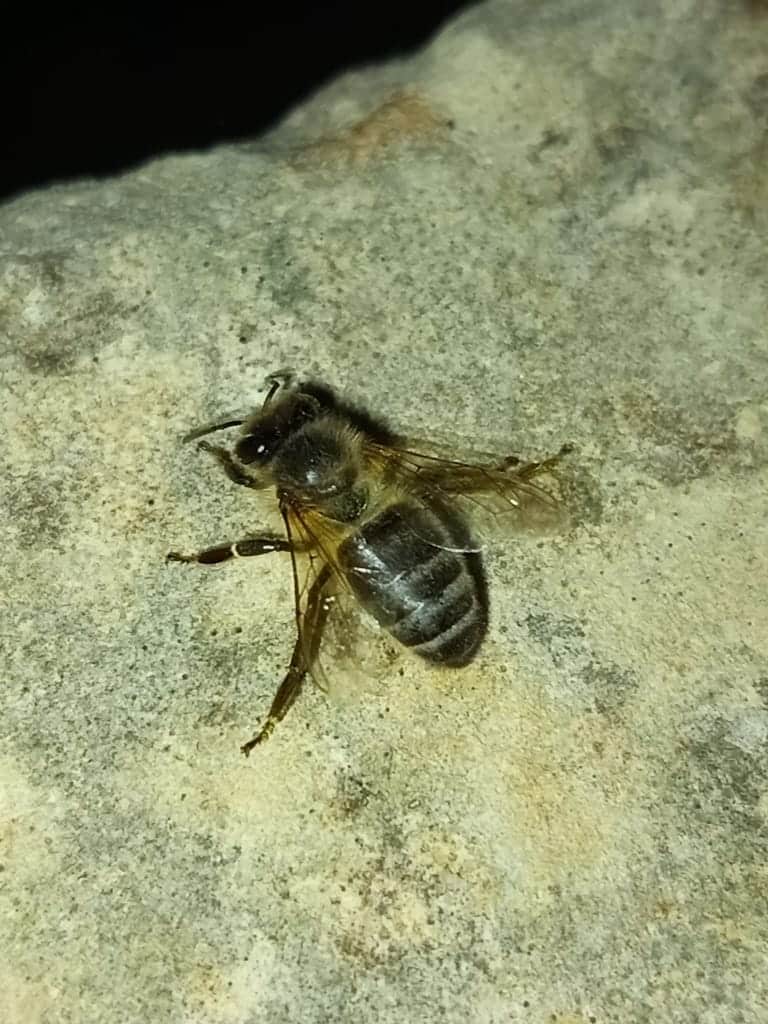
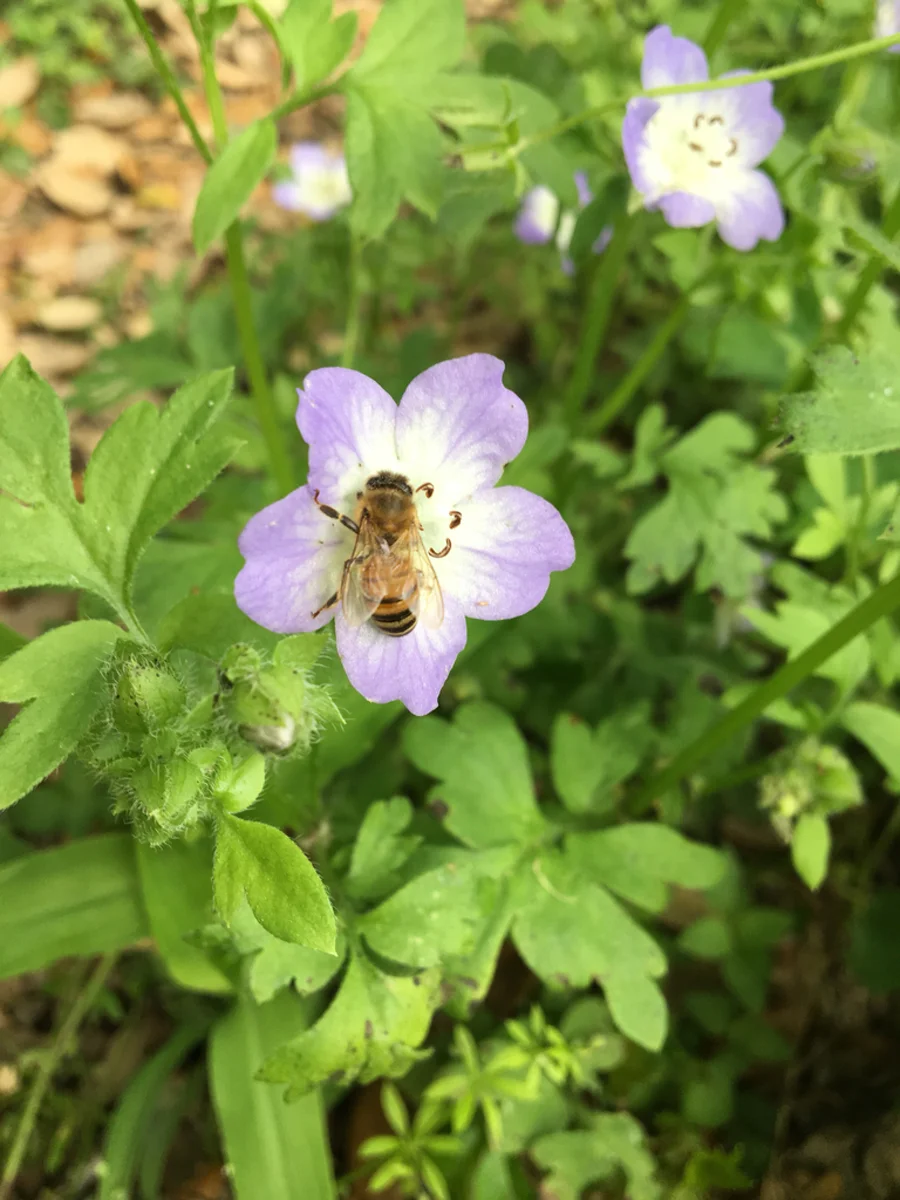
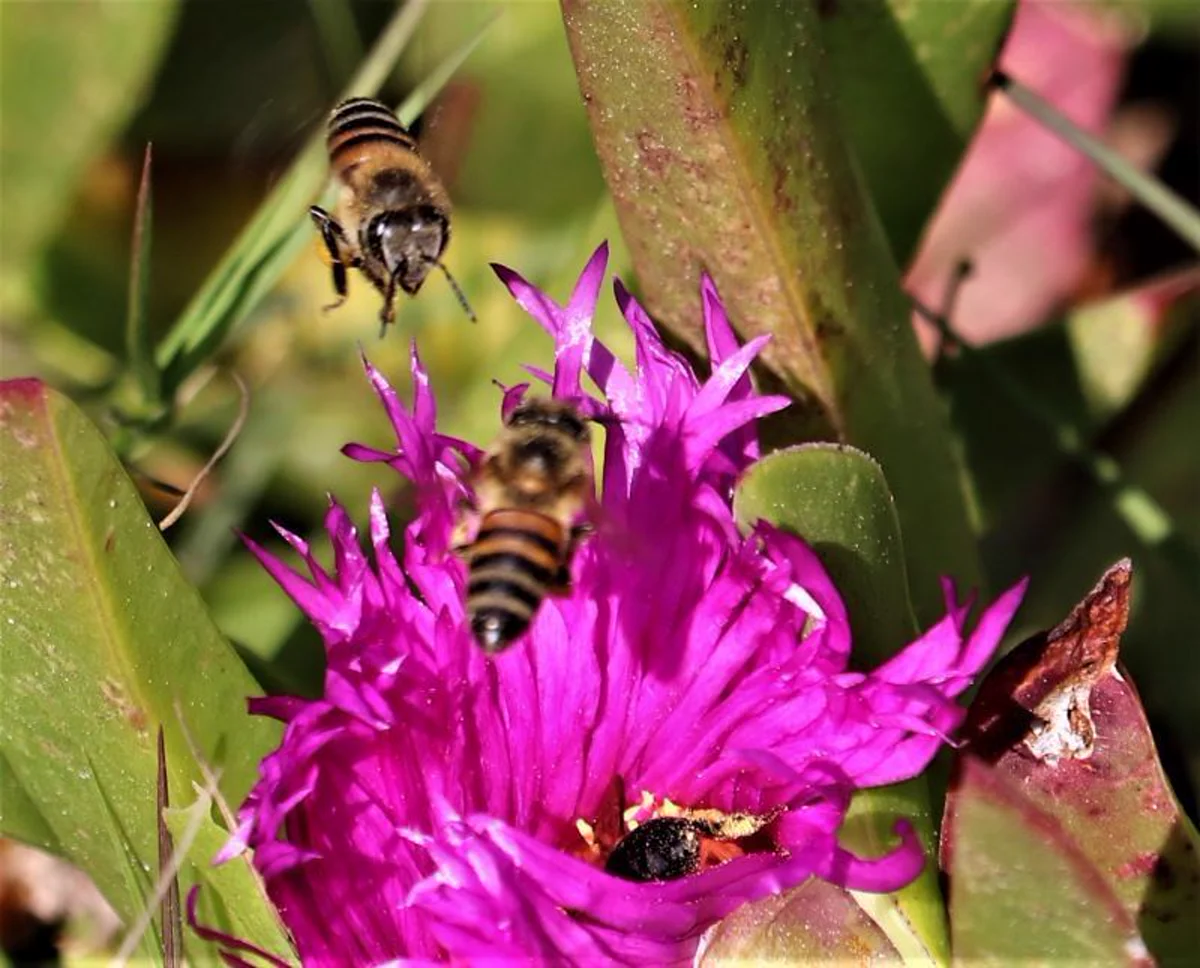

Where Honey Bees Are Found
Hover over states to see their names. Green regions indicate where honey bees have been reported.
Honey Bees Identification Guide
Physical Characteristics
Honey bees are small, golden-brown bees with black stripes and fine body hairs that help collect pollen. They have two pairs of translucent wings, bent antennae, and a barbed stinger that they use only when they feel threatened. Unlike wasps, their bodies appear fuzzy due to the fine hairs covering their thorax and abdomen. Worker bees typically grow to about half an inch in length.
Common Species
-
European Honey Bee (Apis mellifera) - The most widespread and domesticated species used for honey production and pollination. A related species, Masked Bees, shares similar characteristics.
-
Carniolan Honey Bee (Apis mellifera carnica) - Known for their gentle nature and resilience in colder climates. A related species, Cuckoo Bees, shares similar characteristics.
-
Italian Honey Bee (Apis mellifera ligustica) - Popular for their productivity and ease of management. A related species, Long-Horned Bees, shares similar characteristics.
Honey Bees Behavior and Biology A related species, Digger Bees, shares similar characteristics.
Honey bees are highly social insects, unlike solitary species such as carpenter bees or ground bees. They live in well-organized colonies consisting of a queen, thousands of worker bees, and a few hundred drones. The queen’s primary role is to lay eggs, while worker bees maintain the hive, collect nectar, and defend against threats. Colonies build wax combs inside natural cavities or human-made hives, where they store honey and pollen for sustenance. Their foraging activity is critical for pollinating a vast number of plant species. A related species, Small Carpenter Bees, shares similar characteristics.
How We Treat for Honey Bees A related species, Eastern Carpenter Bees, shares similar characteristics.
We do not treat for honey bees. Honey bees are an essential and protected species due to their role in pollination and their declining populations. If you have a honey bee colony on your property, we recommend reaching out to a local beekeeper who can safely relocate the hive without harming the bees. Many beekeepers provide free or low-cost removal services to help protect these crucial pollinators.
References and Additional Reading
Other Bees
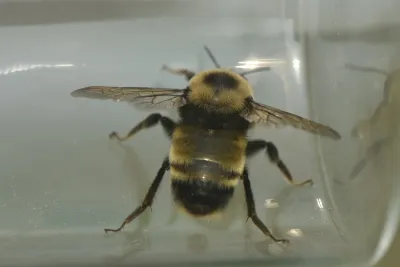
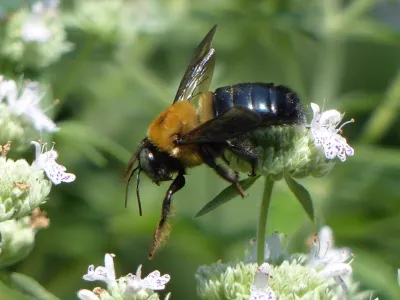
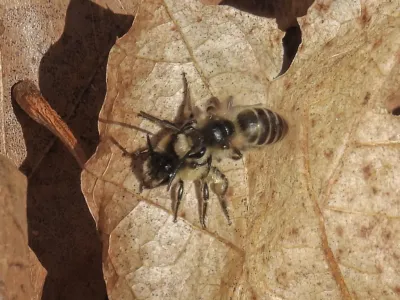
Explore other species in the bees family
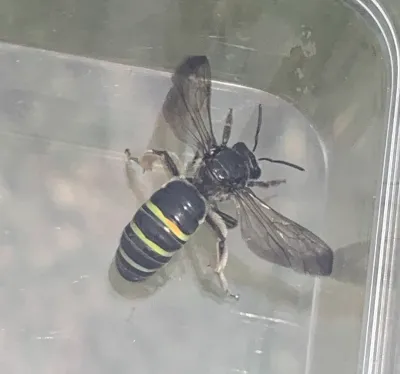
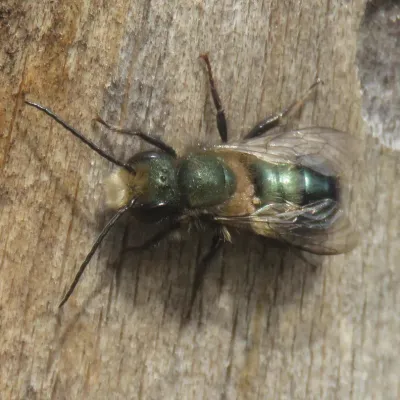
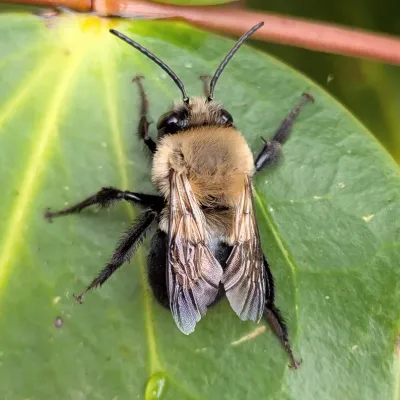
Commonly Confused With
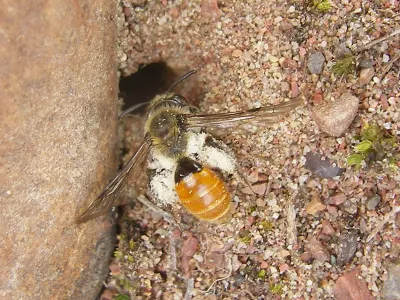
Honey Bees are often mistaken for these similar pests
Where Honey Bees Are Found
Hover over states to see their names. Green regions indicate where honey bees have been reported.
Common Questions about Honey Bees
Are honey bees dangerous?
+
Honey bees are generally non-aggressive and only sting when they feel threatened. Unlike wasps, they have a barbed stinger that remains embedded in the skin after stinging, causing the bee to die shortly afterward.
How can I tell if I have honey bees or wasps?
+
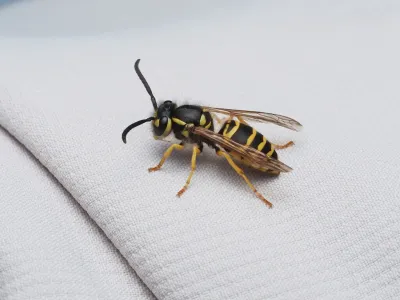
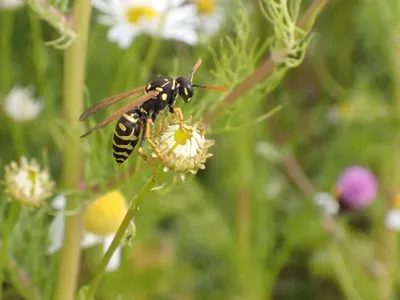
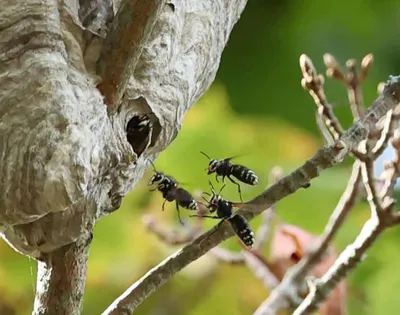
Honey bees have fuzzy, golden-brown bodies with black stripes, while [wasps](/pests/wasps/) tend to have smooth, shinier bodies with more distinct black and yellow markings. Wasps are also more aggressive and tend to build paper nests, whereas honey bees build wax combs.
What should I do if I find a honey bee swarm?
+
If you encounter a swarm of honey bees, do not disturb them. Swarms are temporary, and the bees are usually looking for a new home. Contact a local beekeeper, as they can often relocate the swarm safely without harming the bees.
Can honey bees be removed without being harmed?
+
Yes, many beekeepers specialize in humane honey bee removal. They use techniques to safely capture and relocate the colony without using pesticides or causing harm.
Why don't we treat for honey bees?
+
Honey bees are a protected species due to their essential role in pollination. Their populations have been declining due to habitat loss, pesticides, and diseases, so our policy is to refer homeowners to beekeepers who can relocate them safely.
How can I prevent honey bees from nesting in my home?
+
To reduce the chance of a honey bee colony setting up in your home, seal any gaps or openings in walls, chimneys, and eaves. If you notice bees entering a structure, act quickly to call a beekeeper before they establish a full hive inside.
Do honey bees cause property damage?
+
Honey bees don't intentionally damage property, but if they build a hive inside wall voids, the wax and honey can create structural issues over time. Removing the hive properly is crucial to prevent problems like melting wax attracting other pests.
More Resources About Honey Bees
Explore our guides and articles for more information about honey bees.
- ›Carpenter Bee vs Bumblebee: Identify Which Is in Your Yard
- ›Honeybee vs Bumblebee: How to Tell Them Apart
- ›Wood Boring Beetles: Detection, Damage & Treatment Options
- ›How to Get Rid of Carpenter Bees: Pro Methods That Work
- ›How To Kill Ground Bees: Complete Guide For Homeowners
- ›Honey Bee vs Carpenter Bee: Tell the Difference Fast
- ›Ground Beetles in House? How to Identify and Remove Them
- ›June Bug vs Japanese Beetle: Identify & Control These Pests
- ›Carpenter Bee Holes: What They Look Like & How to Fix Them
- ›Bumblebee vs Carpenter Bee: Which One Damages Homes?
- ›Bugs That Look Like Ladybugs: Asian Beetles & Other Mimics
- ›Cockroach vs Beetle: Identifying Which Pest Is in Your Home
- ›Wasp vs Bee vs Hornet: How to Tell What's Buzzing Around
- ›Carpenter Bee Damage: Signs, Effects, and Prevention Methods
- ›Yellow Jacket Nest vs Paper Wasp Nest: How to Tell Them Apart
- ›Little Black Beetles in House? Identify & Treat Them Today
- ›Types of Hornets and Wasps: ID Guide for Homeowners
- ›Bugs That Look Like Ladybugs But Aren't: ID Guide & Solutions
- ›Click Beetle vs Cockroach: Key Differences Explained
- ›Ground Beetle vs Cockroach: Spot the Differences Easily
- ›Wasps in Maryland: Types, Nests & How to Handle Them
- ›Asian Beetles vs Ladybugs: Which Is More Harmful?
- ›How to Stop Elm Leaf Beetle Home Invasions in the DMV
- ›Foreign Grain Beetles: Signs of Moisture Problems
- ›Sawtoothed Grain Beetle: Identifying and Eliminating Them
- ›Ladybugs vs Asian Beetles: ID Guide & Control Methods
- ›Ladybugs vs Asian Lady Beetles: Know the Differences This Fall
- ›European Hornet Nest: What They Look Like & Treatment
- ›Hornet vs Wasp: How to Identify Common DC Area Species
- ›Spot the Red and Black Beetle: Boxelder Bug Identification Guide
- ›Types of Wasp Nests: How to Identify and Remove Them
- ›Mud Dauber vs Wasp: Key Differences You Should Know
- ›Ground Hornet Facts: Appearance and Effective Treatments

With five years of hands-on experience in the pest control industry, George Schulz is a registered technician with the Virginia Pest Management Association and a proud third-generation professional in a family business that's been protecting homes for over 57 years. He manages and trains a team of service pros while also leading internal research efforts—recently spearheading a deep-dive review of thousands of documents on pest control materials to hand-pick the most kid and pet friendly, most effective solutions tailored specifically for homes in the DC metro area.