
TLDR: “Ground hornet” is a common name for two different wasps that nest in the ground: yellowjackets and cicada-killers. Yellowjackets are aggressive, sting repeatedly, and build large underground colonies. Cicada-killers are much bigger but rarely sting. Yellowjacket nests have thumb-sized entrance holes with heavy traffic. Cicada-killer burrows have U-shaped dirt piles. Professional treatment is strongly recommended since disturbing nests triggers aggressive swarming.
When homeowners in the DC, Virginia, and Maryland area spot stinging insects going in and out of a hole in the lawn, they usually call them “ground hornets” or “ground wasps.” Both names cover more than one insect. Most of the time it is a yellowjacket nest. Sometimes it is a cicada killer or a digger wasp, and those are a much smaller problem.
I’m a licensed technician and I’ve worked at Better Termite since 2015. Ground nest calls come in every summer, and the first thing I do on every one is figure out which insect it is, because that decides whether the nest needs treatment at all.
What “Ground Hornet” Actually Means
The term “ground hornet” isn’t a scientific name. It’s a nickname for two main kinds of wasps that nest in the ground. (A few other solitary “ground wasps” get lumped in too. They’re covered further down.)
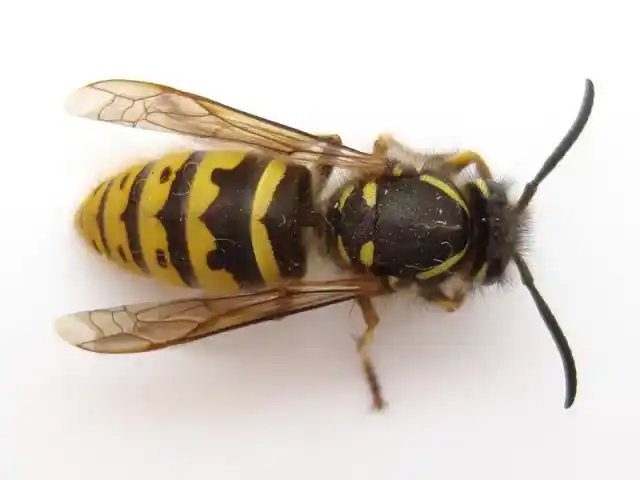
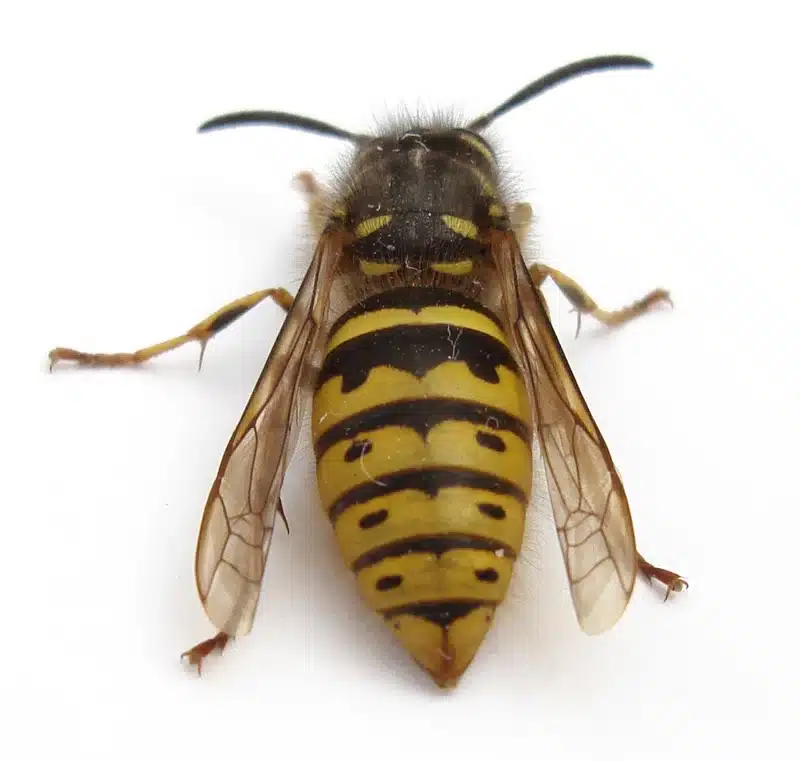
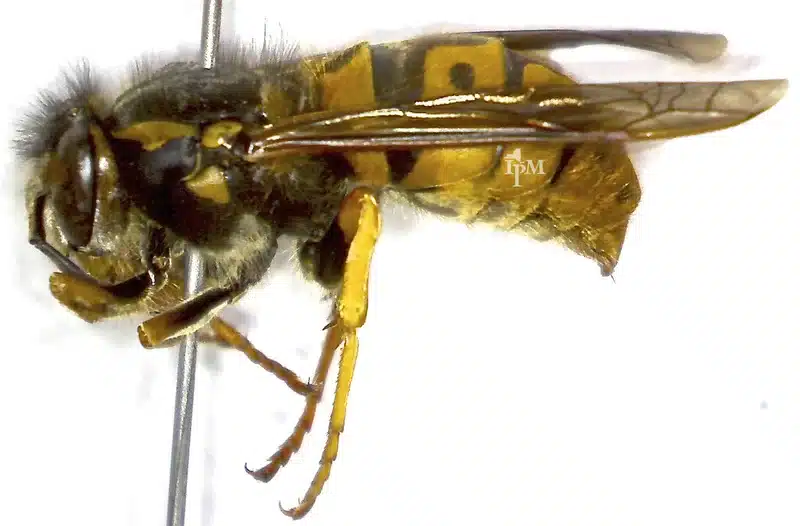
Social yellowjackets are the first type. These aggressive wasps build colonies underground and cause most stinging incidents. They’re not true hornets, but they get mistaken for them because of their size and aggression.
Eastern cicada-killer wasps are the second type. These are solitary insects that dig individual burrows to raise their young. Despite their large size, they’re much calmer than yellowjackets.
How to Identify Each Species
Yellowjackets
The Eastern yellowjacket is the most common ground-nesting wasp in our region. Workers are about 8.5 to 12 mm long. Queens can reach 18 mm. Look for the wide, flat-topped black “anchor” mark on the first section of their abdomen.
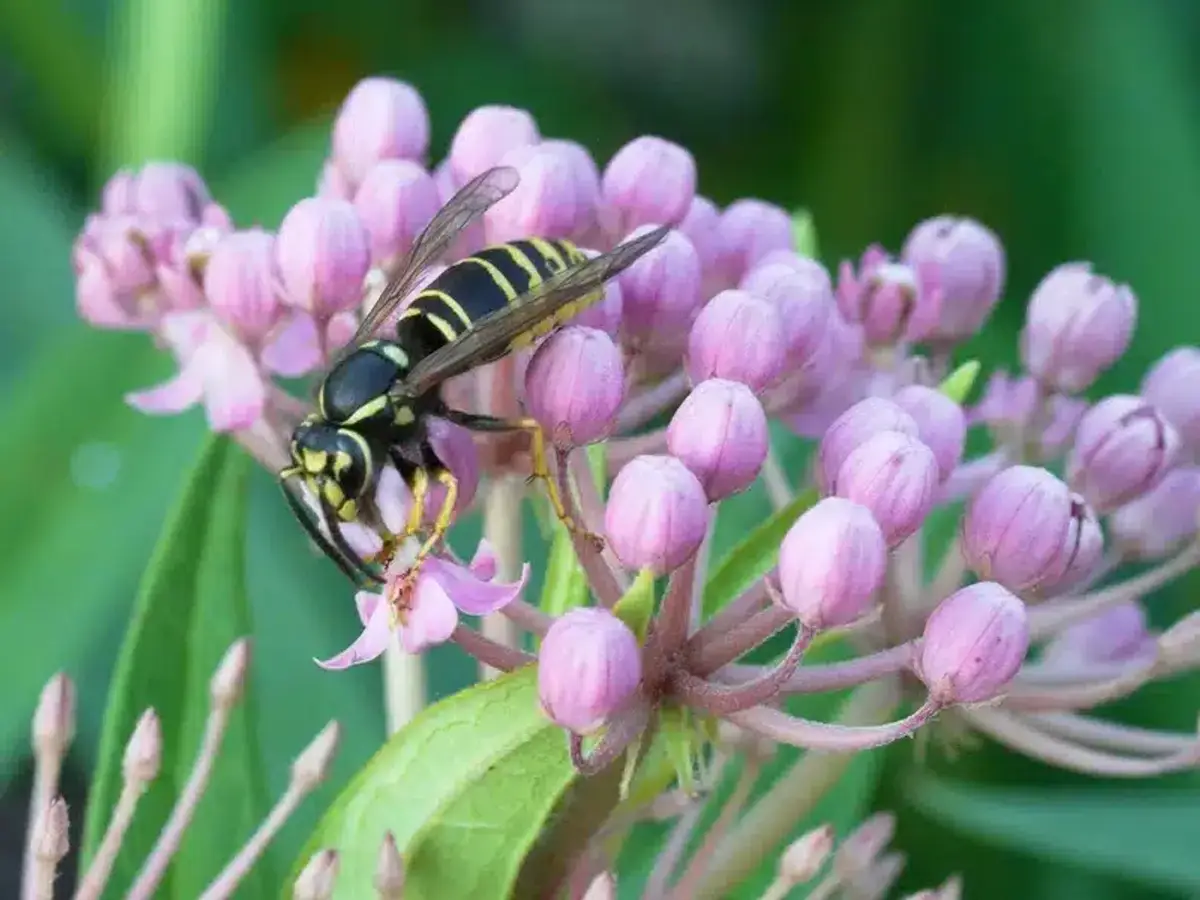
German yellowjackets also nest underground at times. They’re an invasive species with a black diamond pattern on their abdomen. For more species details, check our Types of Hornets and Wasps guide.
Cicada-Killers
These are big insects, about 50 mm long, roughly twice the size of yellowjackets. They’re black with pale-yellow patches and reddish wings. Males buzz around intruders but can’t actually sting.
Female cicada-killers dig individual burrows about 30 cm deep. They stock these chambers with paralyzed cicadas to feed their larvae. They rarely sting unless handled directly.
Look-Alike True Hornets
True hornets like the European hornet normally nest above ground in tree holes or building voids. Bald-faced hornets are actually aerial yellowjackets with black and white coloring. Our Hornet vs Wasp guide covers more details.

Other Ground Wasps You Might See
Not every wasp flying low over your lawn is a yellowjacket. In late summer a few solitary ground wasps show up in DMV yards. Each female digs her own hole, there is no colony to defend, and stings are rare.
- Digger wasps (scoliid wasps). Large, hairy, dark wasps with dark wings. The blue-winged scoliid has a rust-red tip on the abdomen with two yellow spots. They fly low over the grass looking for beetle grubs in the soil.
- Great golden digger wasps. Up to about an inch long, with golden hairs on the thorax, orange legs, and an orange abdomen with a black tip. Females stock their burrows with grasshoppers, crickets, and katydids.
- Sand wasps. They dig in loose, sandy soil and often hover near people while they catch flies. That looks aggressive, but they rarely sting unless handled.
- Ground bees (mining bees). Not wasps at all. They’re fuzzy, show up in early spring, and leave dozens of small soil mounds in thin lawns. People call these “ground wasps” all the time.
NC State Extension describes the scoliid digger wasp Scolia dubia as harmless unless grabbed. Its larvae feed on beetle grubs in the soil, and the wasps can help with natural control of lawn grub populations.
Should You Get Rid of Ground Wasps?
Here’s how I decide:
- A single wasp per hole, lots of holes, no swarm when you walk by: solitary wasps or ground bees. The sting risk is low and adults are only around for a few weeks. If they’re in a spot you use, the active holes can be treated, and thicker turf over bare patches makes the area less attractive next year.
- One hole with a steady stream of wasps in and out: a yellowjacket colony. If it’s near a walkway, play area, garden bed, or anywhere you mow, have it treated.
- Cicada killers in a spot the kids use every day: treat the active holes. Texas A&M AgriLife notes that a dust labeled for wasps kills the adult females, but the larvae already underground still come out the next year. So one visit won’t clear the spot for good.
Knowing which species you have determines your treatment approach and urgency level.
What a Ground Hornet Nest Looks Like
Yellowjacket Nest Entrances
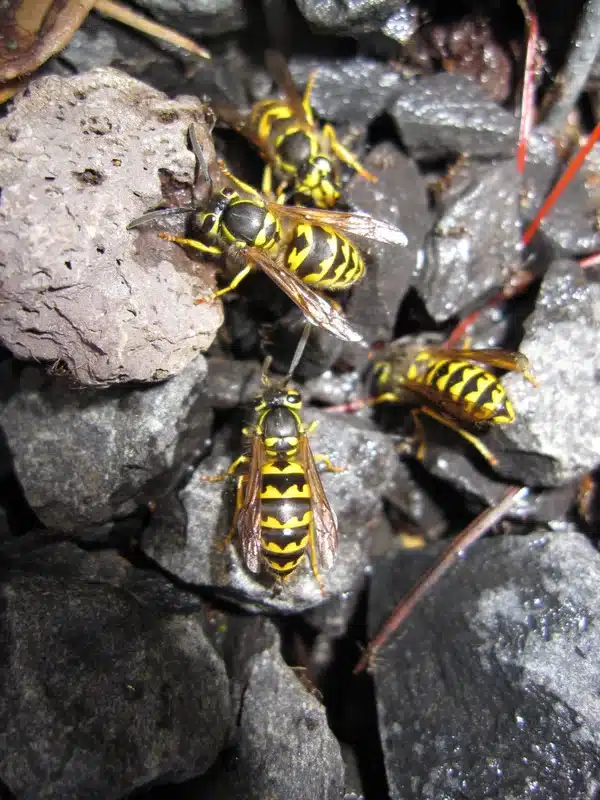
A yellowjacket nest shows up as a thumb-sized hole with constant insect traffic. The soil around the entrance becomes bare and slightly dug out. Workers come and go all day, especially in warm weather.
Under that hole are layers of gray paper comb. You can’t see any of it from the surface. Only the entrance gives the colony away. The queen usually starts in a space that’s already there, like an old rodent burrow or a hollow left by a rotted root.
The University of Maryland Extension notes that some yellowjackets nest in old rodent or rabbit burrows, and large nests may contain thousands of workers by late summer or early fall. It also warns against home remedies like flooding a burrow or setting a nest on fire.
One fall I helped on a yellowjacket job at an HOA with a nest at ground level. The residents were worried about getting stung. We treated into the underground nest at intervals, then came back a few days later and dug up the dead nest so a new queen wouldn’t move into the empty cavity.
Cicada-Killer Burrows
Cicada-killer burrows have a U-shaped pile of soil pellets next to the entrance. The opening is about 1 cm across. These dirt piles are the key marker that sets cicada-killer burrows apart from yellowjacket nests.
Females often pick sunny, well-drained spots like lawns, play areas, or gaps between flagstones.
Seasonal Activity in the DMV Area
- April-May: Queens select abandoned rodent holes to start new colonies. Little visible activity
- June-July: Worker numbers grow fast. Nests can top several thousand. Most homeowners first notice activity now
- August-September: Peak season. Colonies reach full size. Defensive behavior increases sharply
- October-November: New queens and males are produced. The original colony dies after the first hard frost
Are Ground Hornets Dangerous?
Yellowjackets are. They can sting over and over and don’t lose their stinger like honey bees do. When the nest is disturbed they release an alarm scent that calls more workers out to attack. That’s why stepping on a hole or running a mower over it can mean a dozen stings in a few seconds.
How Bad Is a Ground Hornet Sting?
For most people a sting means sharp pain, redness, and swelling around the spot for a day or two. Penn State Extension calls eastern yellowjacket stings painful and notes they can be a serious health risk for sensitive or allergic people. Swelling of the face or throat, hives spreading over the body, or trouble breathing after a sting is an emergency. Call 911.
According to the CDC’s National Vital Statistics System, 1,109 people in the U.S. died from hornet, wasp, and bee stings from 2000 to 2017. That’s an average of 62 deaths a year, and about 80% were men.
Cicada-killers pose much less risk. They seldom sting unless handled, and males can’t sting at all despite their intimidating buzzing.
Prevention Steps
Keep food sources away:
- Seal trash cans tightly
- Clean outdoor grills after use
- Cover drinks and food outside
- Pick up fallen fruit from trees
Make your yard less inviting for nesting:
- Overseed thin turf areas
- Add mulch or dense ground cover to bare soil
- Keep your lawn thick and healthy
- Fill rodent burrows when you find them
These steps won’t remove existing colonies but can prevent new ones next season.
Trapping and Non-Chemical Methods
Commercial lure traps can catch some species, but they work better as backup tools rather than the main method. Traps won’t wipe out an established colony.
University of California research shows that trap results vary a lot between yellowjacket species. Traps are most useful for prevention or to cut down on foraging pressure around outdoor dining areas.
Chemical Treatment
Dust Products
Dust treatments give the most reliable results for underground nests. Silica aerogel combined with pyrethrins, carbaryl, or cyfluthrin works well when applied correctly.
Apply 2-3 puffs with a bulb duster into the nest entrance after dark. Never plug the hole right away. This can force workers to chew through walls or make new exits.
For ground nests, Texas A&M AgriLife gives a 1% deltamethrin dust labeled for wasps as an example product to put into active nest entrances.
When and How to Treat
Approach nests at dusk or early morning when workers are less active. Don’t use white flashlights since yellowjackets are drawn to bright lights. Use a red-filtered light instead.
Proper protection is essential: a bee suit or thick coveralls, protective veil, gauntlet gloves, and all cuff openings sealed with tape.
Professional-grade gear and trained technicians make the difference between a clean removal and a dangerous situation.
Why Professional Treatment Makes Sense
Ground hornet removal takes the right gear, the right product, and the right timing. We wear protective gear on every ground nest and put the product straight into the entrance when the colony is least active. Every product we use has passed through our internal research team and meets our standards for home use.
Not every nest can be dug out. Daren, one of our registered technicians, had a run of yellowjacket nests one season that were tucked under a rose bush or in the roots of a maple, where you can’t remove the comb without wrecking the plant. On those he treats the entrance with a liquid wasp product, adding just enough that it bubbles up at the hole without spilling over, and lets it sit. When a ground nest is out in open lawn, he treats it and pulls the nest the same day if he can.
For severe cases, we may need multiple visits to make sure the colony is fully eliminated. Sometimes we remove dead nests after treatment to prevent other wasps from moving in. If the ground nest turns out to be yellowjackets rather than cicada-killers, that is the work our yellow jacket nest removal service covers: finding the entrance, dusting it, and checking back to confirm the colony is finished.
After Treatment
Check treated areas after 48 hours to confirm results. If you still see heavy activity, more treatment may be needed. Don’t assume one application always finishes large colonies.
Once activity stops, you can rake out any exposed comb material, or just leave it to break down naturally. Soil microbes will handle paper combs quickly.
Record nest locations for future reference. This helps with lawn repair planning and filling rodent burrows that might attract new colonies next season.
Ground hornet problems need quick attention, especially when nests are near walkways, play areas, or outdoor living spaces. Our Fairfax pest control team handles these underground nest calls all summer long.
Call us at 703-683-2000 or email info@bettertermite.com for professional ground hornet treatment.