

Finding small, silver bugs darting across your bathroom floor at night? You’re probably dealing with silverfish. These moisture-loving pests have made bathrooms their top hangout spot. High humidity, paper products, and plenty of hiding places create the perfect setup for them.
After four years in pest control and seeing countless silverfish cases across the DMV, I know bathrooms are their favorite room. Our family business has been tackling these problems for over 50 years, and silverfish remain one of our most common calls.
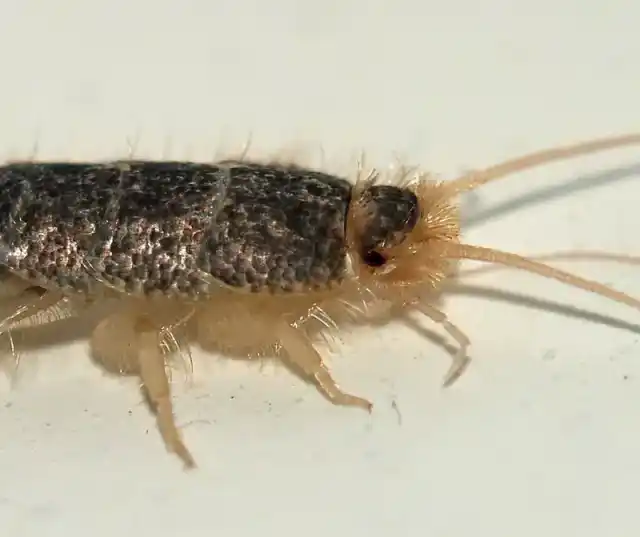
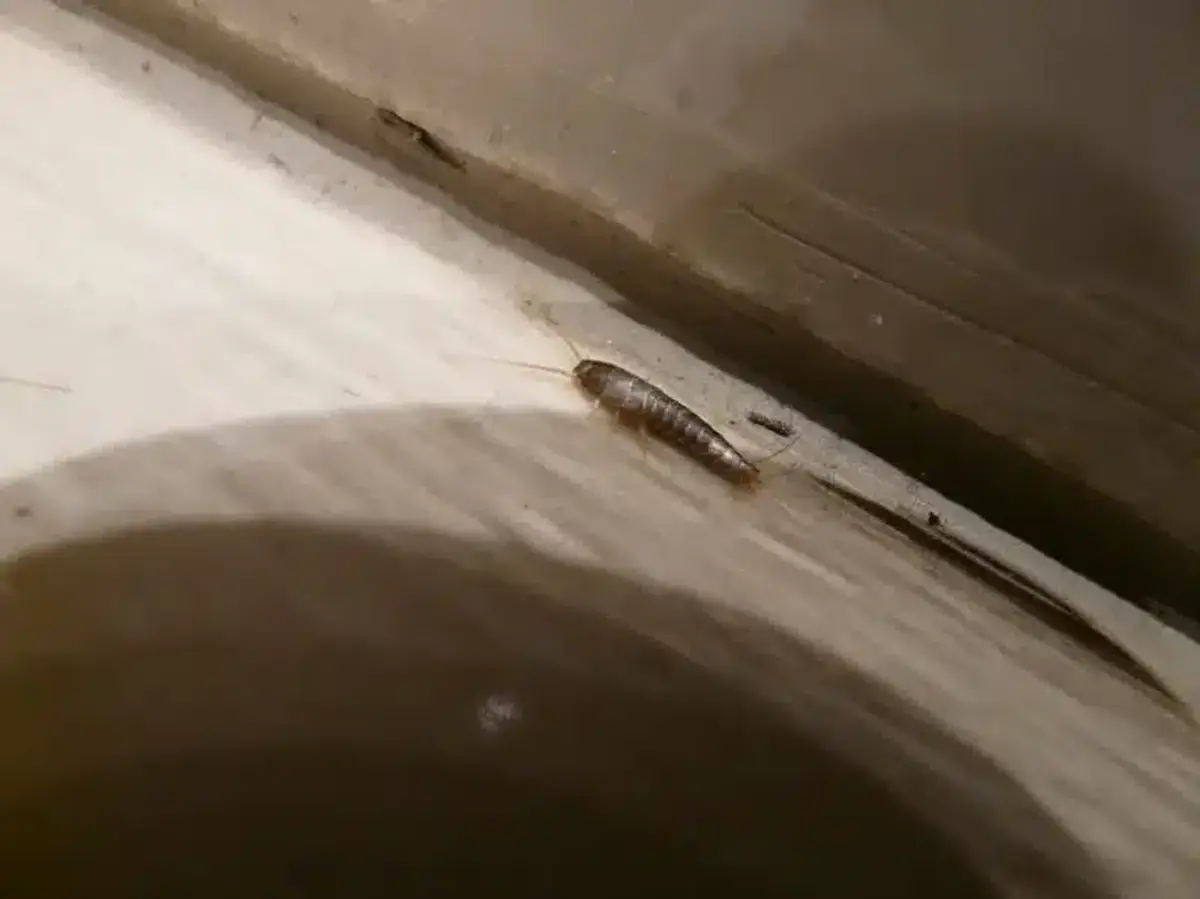
Here’s what a silverfish looks like up close. Notice the metallic shine and carrot shape that make them easy to identify.
Why Silverfish Love Bathrooms
Humidity is the main draw. According to the University of Florida, silverfish need 75-95% humidity to survive. Your bathroom delivers exactly that, especially during hot showers with poor airflow.
They also thrive between 72-81°F, which is the comfort zone of most homes. Add in all the food sources, and your bathroom is silverfish paradise.
Food is everywhere in a bathroom, even if you don’t notice it. Silverfish eat toilet paper, cardboard under the sink, cotton towels, wallpaper paste, soap residue, dandruff, skin cells, and hair. Your daily routine creates a full menu for them.
How to Identify Silverfish
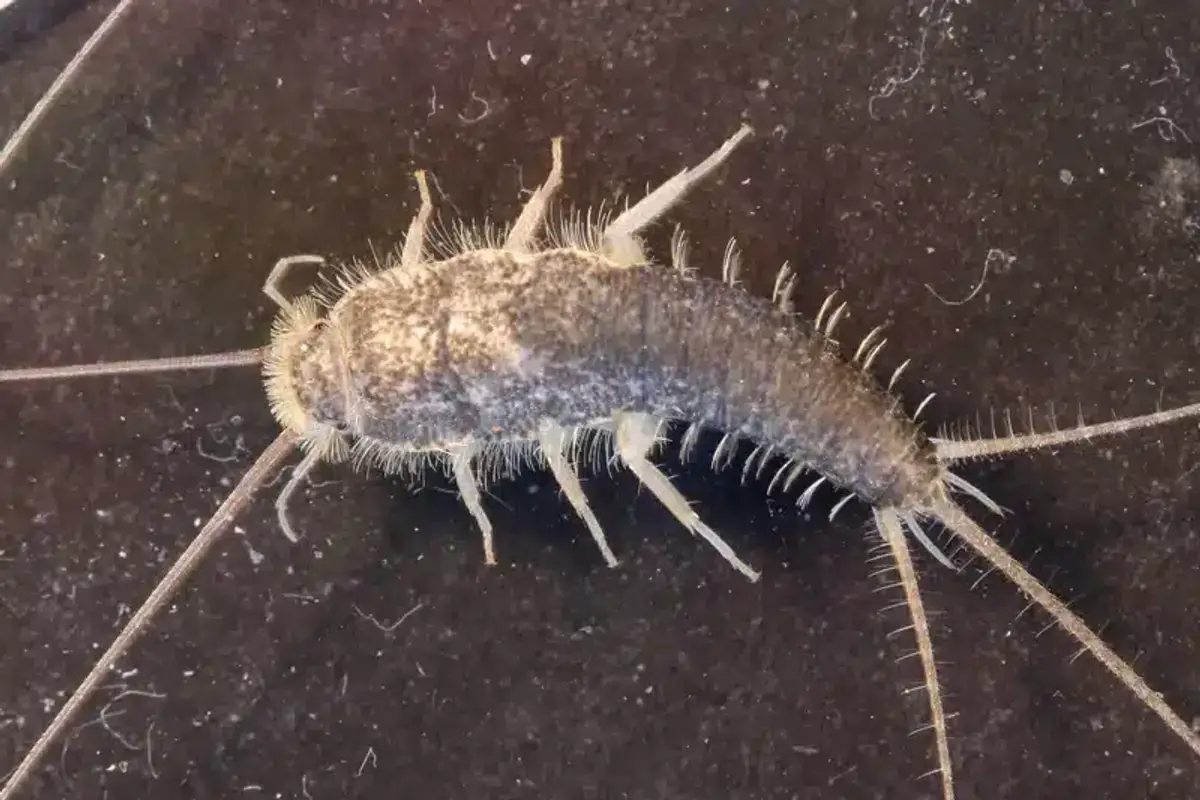
Silverfish have silvery-gray scales that give them a metallic shine. Their bodies are carrot-shaped, widest at the head and tapering to three bristle-like tails. Most measure 12-19 mm (about half to three-fourths of an inch).
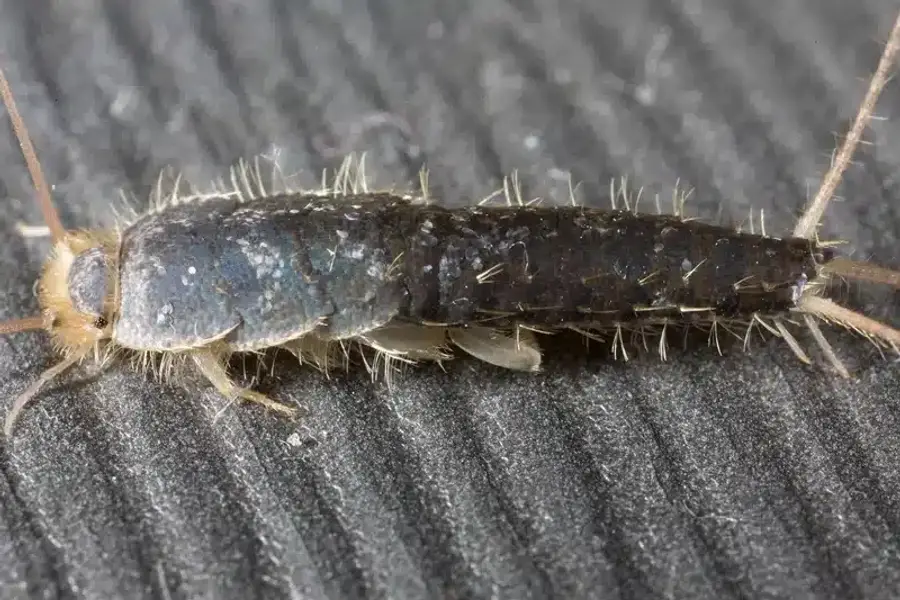
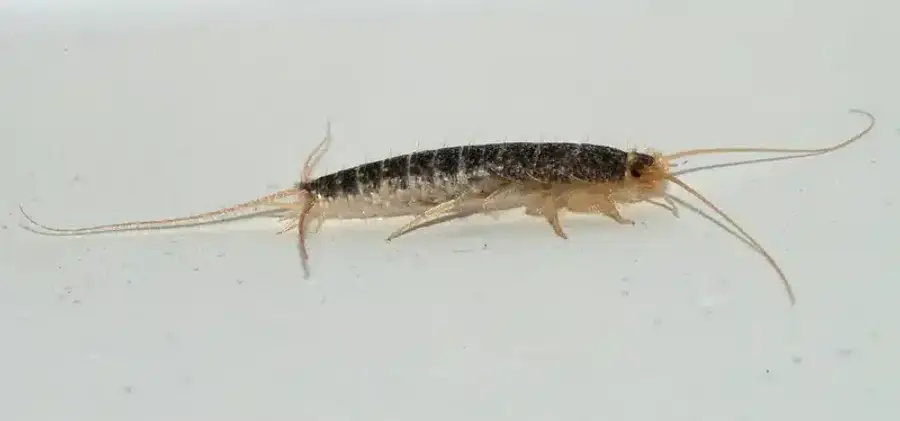
What sets silverfish apart is their fish-like wiggling movement. They’re very fast for their size and seem to wiggle across surfaces rather than run in straight lines. This motion plus their silver color makes them easy to spot.
Their lifecycle is unusual too. Silverfish are wingless and keep molting their entire 2-8 year life, up to 66 times. Females lay up to 100 eggs in cracks and crevices. They can survive over 300 days without food if water is available.
Why You See Them at Night
Silverfish avoid light. They hide during the day behind baseboards, under cabinets, or in wall voids. They come out after dark to search for food and water. This is why you spot them when you flip on the bathroom light.
They follow the same routes each night, which makes trap placement effective once you know their paths.
Where Silverfish Hide in Bathrooms
Under sink cabinets are the #1 hiding spot. The area around P-traps stays humid and dark. Stored cleaning supplies and toilet paper give them food. Check behind the cabinet kick-plate where they often set up camp.
Behind toilet tanks is prime territory. Condensation from cold water lines keeps the wall damp. This space stays quiet for long stretches. I’ve found heavy silverfish activity here during many inspections over the years.
Cracks in grout and caulk give silverfish entry points and hiding spaces. Where tubs meet walls, sealant breaks down over time and creates pathways for silverfish to move between rooms.
Other common spots include:
- Inside exhaust fan housings (if not run often)
- Under bath mats and shower rugs
- Inside wet cardboard in linen closets
- Behind loose wallpaper or tile
- Around window frames with bad caulk
For more on silverfish biology, check our silverfish identification guide.
Once you know where they’re hiding, you can take steps to make your bathroom less welcoming.
Damage They Cause
Paper products take the biggest hit. You’ll see scraping marks and notches on books, magazines, or documents stored in bathroom cabinets. Yellow stains from their waste often mix with the feeding damage.
Wallpaper is a target because silverfish eat the paste behind it, not the paper itself. According to the University of Maryland Extension, this causes blistering and peeling as they consume the adhesive.
Textiles get damaged too. Small holes show up in cotton towels, linens, and fabric shower curtains. While not as bad as moths, silverfish will eat natural fibers when other food is limited.
Health-wise, silverfish don’t bite or carry diseases. But their shed scales and waste can trigger allergies (runny nose, skin irritation) in some people over time.
How to Get Rid of Silverfish
Step 1: Drop the Humidity
This is the most important step. Get bathroom humidity below 50% and silverfish can’t survive long-term.
- Run exhaust fans for at least 20 minutes after every shower
- Install timer switches so fans run long enough automatically
- Use a dehumidifier (50-70 pint capacity handles most DMV bathrooms)
- Open windows when outdoor humidity allows it
- Fix condensation on cold water pipes
- Repair any plumbing leaks right away
The Virginia Tech Extension says moisture control is the foundation of any silverfish program.
Step 2: Seal Cracks and Gaps
Use silicone or acrylic latex caulk around baseboards, tub rims, and where pipes enter walls. Check window seals and door sweeps. Fix cracked grout that gives silverfish pathways between rooms.
Focus on the biggest gaps first, then work toward smaller cracks over time. The goal is removing the easy routes silverfish use to move around.
Step 3: Remove Food and Clutter
Take out old magazines, newspapers, and cardboard from the bathroom. Store paper products in sealed plastic containers. Wash towels before storing to remove soap residue and skin cells.
Clean under the sink. Get rid of unneeded items, lift remaining products off the floor, and swap cardboard boxes for plastic bins. Vacuum corners, wipe shelves, and clear out organic debris regularly.
Step 4: Monitor and Treat
Place sticky traps along baseboards, behind the toilet, and under the sink. Check traps every 3-4 weeks. Heavy catches mean you need more aggressive action. Light catches mean your prevention is working.
Natural options: Cedar oil sachets and cinnamon sticks provide some deterrent effect. The Journal of Wood Science confirms cedar oil has both contact toxicity and repellent effects against silverfish. Place these along travel routes, not randomly.
Pro treatment: Desiccant dust in wall voids and under cabinets hits over 90% kill rate within 14 days. Targeted gel baits achieve 90% population reduction. Professional service addresses both the silverfish and the conditions attracting them.
Staying consistent with these steps is what makes the difference between a one-time fix and lasting control.
Here’s a quick checklist to keep silverfish out long-term.
- Humidity: Keep below 50% with fans, dehumidifiers, and good ventilation
- Sealing: Check and repair caulk around tubs, sinks, and baseboards regularly
- Cleaning: Remove paper clutter, clean soap residue weekly, and vacuum corners
- Monitoring: Place sticky traps in key spots and check them monthly
- Fan Timing: Run exhaust fans 20+ minutes after every shower
If prevention isn’t enough, our team can help find and fix what’s driving the problem.
When to Call a Pro
Most silverfish problems respond well to the steps above. But if they keep coming back despite your efforts, professional help is the next step.
Our registered technicians find hidden problem areas that homeowners often miss. We use reduced-impact products like desiccant dusts and borate solutions. We also assess your bathroom for moisture and ventilation issues that feed the problem.
For related pest guides, check our articles on four-lined silverfish, gray silverfish, and silverfish larvae.
If you’re dealing with silverfish that won’t go away, call us at 703-683-2000 or email info@bettertermite.com. We’ll inspect, treat, and help you keep them out for good.