Pantry Pests
Various (Coleoptera, Lepidoptera)
Pantry pests are insects that infest stored food products including flour, grains, cereals, dried fruits, nuts, and spices. Common pantry pests include Indian meal moths, flour beetles, grain beetles, and weevils.
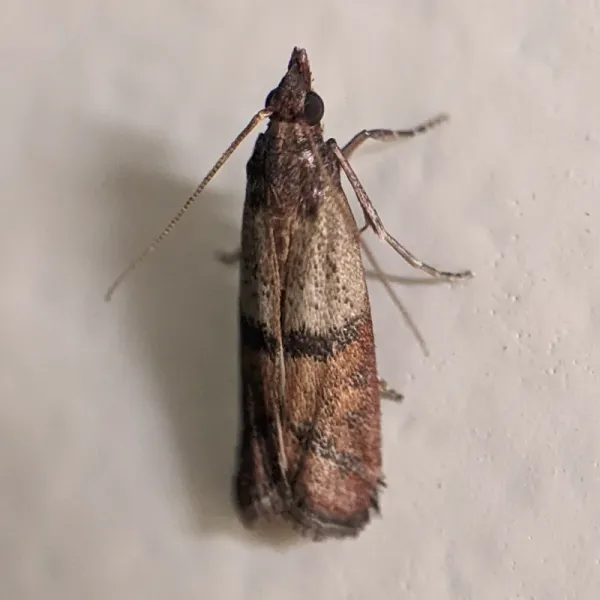
Pantry Pest Identification Guide
Physical Characteristics
Pantry pests include a variety of insects that infest stored food products. They range from tiny beetles just 2-3mm long to moths with 15-20mm wingspans. Most are brown, tan, or reddish-brown, helping them blend in with the foods they infest.
Beetles have hard wing covers and chewing mouthparts. Moths have scaled wings and a distinctive flight pattern. Both groups have larvae that cause most of the damage and contamination.
Common Species
-
Indian Meal Moth (Plodia interpunctella): The most common pantry moth. Adults have two-toned wings with pale gray bases and copper-colored tips. Larvae are cream-colored with brown heads and spin webbing in food.
-
Confused Flour Beetle (Tribolium confusum): Small reddish-brown beetles about 3-4mm long. They infest flour, cereals, and other grain products. Named because they are easily confused with the red flour beetle.
-
Sawtoothed Grain Beetle (Oryzaephilus surinamensis): Flat, brown beetles about 2.5-3mm with distinctive saw-like projections on the thorax. Common in cereals, dried fruits, and processed foods. Homeowners dealing with Pantry Pests may also encounter Pantry Pest, which can appear in similar environments.
-
Cigarette Beetle (Lasioderma serricorne): Small, rounded, light brown beetles about 2-3mm. They infest tobacco products, spices, dried herbs, and pet foods.
-
Drugstore Beetle (Stegobium paniceum): Similar to cigarette beetles but with grooved wing covers. They attack a wide variety of stored products including bread, flour, and spices.
-
Rice Weevil weevils (Sitophilus oryzae): Small snout beetles about 2-3mm that bore into whole grains. Adults have four orange spots on their wing covers.
Pantry Pest Behavior and Biology
Pantry pests complete their entire lifecycle in stored foods. Females lay eggs directly on or in food products. Larvae feed and grow within the food, pupate, and emerge as adults to mate and continue the cycle.
Most pantry pests have short lifecycles of 4-8 weeks in warm conditions. This allows populations to grow rapidly. A single infestation can produce multiple generations, spreading to other foods in your pantry.
Larvae contaminate far more food than they consume. Their waste products, silk webbing, shed skins, and dead bodies make infested foods unpalatable and potentially cause allergic reactions in sensitive individuals.
Many pantry pest infestations originate in food processing or storage facilities. Eggs and larvae may be present in products when purchased. Poor rotation of stock and warm storage conditions accelerate infestations.
How We Treat for Pantry Pests
Effective pantry pest control combines thorough sanitation with targeted treatment.
-
Comprehensive inspection: We examine all stored food products and identify the pest species. Knowing which pest you have helps locate likely food sources.
-
Source elimination: All infested products must be discarded. We help identify which items show signs of infestation and which can be saved.
-
Deep cleaning: Shelves, drawers, and crevices are cleaned to remove spilled food, eggs, and larvae. We pay special attention to cracks where food debris accumulates.
-
Crack and crevice treatment: We apply targeted treatments to areas where pests hide and travel, without contaminating food storage areas.
-
Monitoring program: Pheromone traps detect remaining pest activity and help verify treatment success.
-
Prevention recommendations: We advise on proper food storage, rotation practices, and ongoing prevention to stop future infestations.
References and Further Reading
Types of Pantry Pests
Click on any species below to learn more about identification, behavior, and control methods.
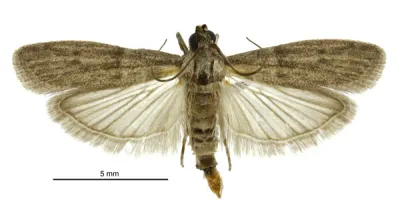
Almond Moth
Cadra cautella
The almond moth, also called the tropical warehouse moth or dried currant moth, is a serious stored product pest that infests dried fruits, nuts, grains, and other pantry goods. These small gray-brown moths contaminate food with silk webbing, frass, and cast skins.
View identification guide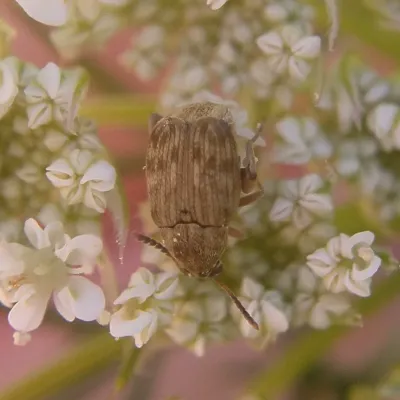
Bean Weevil
Acanthoscelides obtectus
The bean weevil is a small, mottled brown seed beetle that infests dried beans and other legumes in storage. Larvae develop hidden inside individual seeds, leaving telltale circular exit holes when adults emerge.
View identification guide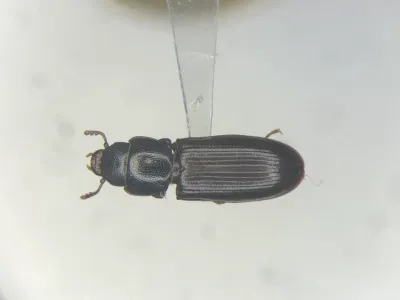
Cadelle Beetles
Tenebroides mauritanicus
Cadelle beetles are large, shiny black stored-product pests that infest grain, flour, and cereal products. Their larvae bore into grain kernels and can damage wooden structures, making them one of the most destructive warehouse beetles worldwide.
View identification guide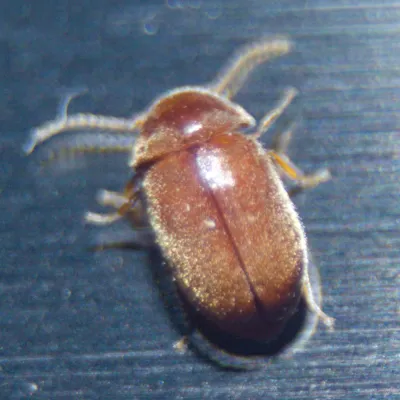
Cigarette Beetles
Lasioderma serricorne
Cigarette beetles are small, reddish-brown pantry pests that infest stored tobacco, dried foods, spices, and many household products. They are among the most destructive stored product pests worldwide.
View identification guide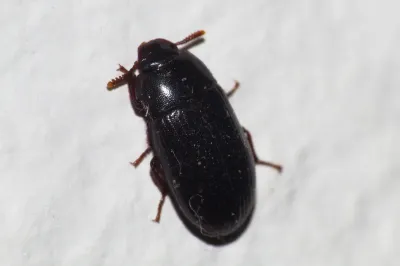
Confused Flour Beetle
Tribolium confusum
The confused flour beetle is a small, reddish-brown stored product pest that infests flour, cereals, and processed grain products. It is one of the most common pantry pests in North America, particularly in cooler northern regions.
View identification guide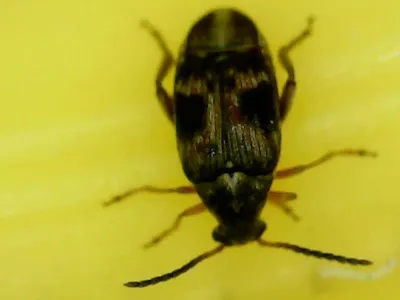
Cowpea Weevil
Callosobruchus maculatus
The cowpea weevil is a small reddish-brown seed beetle that infests stored legumes including black-eyed peas, chickpeas, lentils, and mung beans. Larvae develop entirely inside individual seeds, making early detection difficult.
View identification guide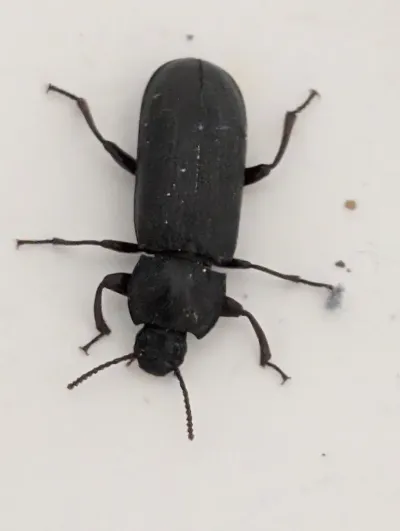
Dark Mealworm
Tenebrio obscurus
The dark mealworm beetle is a dull black stored-product pest whose larvae infest grain, flour, cereals, and animal feed. It is closely related to the yellow mealworm but distinguished by its darker coloring and matte finish.
View identification guide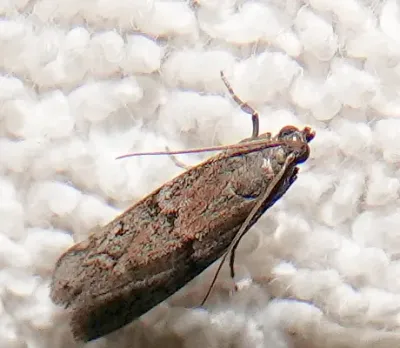
Dried Fruit Moth
Vitula edmandsii
The dried fruit moth is a stored product pest that infests dried fruits, fermented produce, and bee nests. Larvae feed on wax, pollen, and dried food, making this moth a concern for pantries, food storage facilities, and beekeepers across North America.
View identification guide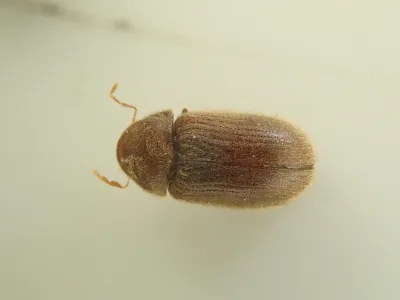
Drugstore Beetles
Stegobium paniceum
Drugstore beetles are small, reddish-brown pantry pests that infest a wide variety of dried foods, spices, medications, and household products. They are one of the most common stored product pests in North America.
View identification guide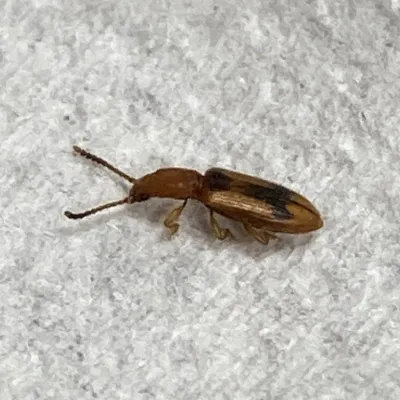
Flat Grain Beetles
Cryptolestes pusillus
Flat grain beetles are tiny, reddish-brown stored product pests that infest damaged grain, cereal products, and flour. Their extremely flat bodies allow them to penetrate packaging and grain storage areas that exclude larger insects.
View identification guide Flour Beetles
Tribolium spp.
Flour beetles are small, reddish-brown beetles that infest flour, cereals, and other stored grain products. The red flour beetle and confused flour beetle are the most common species found in homes and food storage facilities.
View identification guide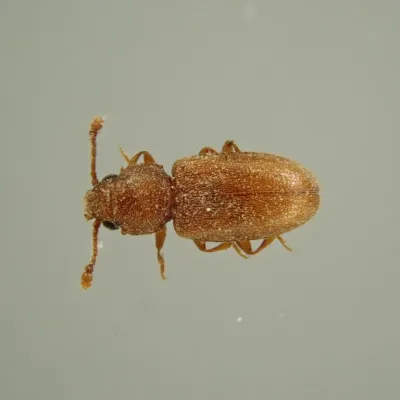
Foreign Grain Beetles
Ahasverus advena
Foreign grain beetles are tiny, reddish-brown pantry pests commonly found in new homes and buildings. They feed on mold and fungi growing on damp grain products, and their presence often signals a moisture problem rather than a food storage issue.
View identification guide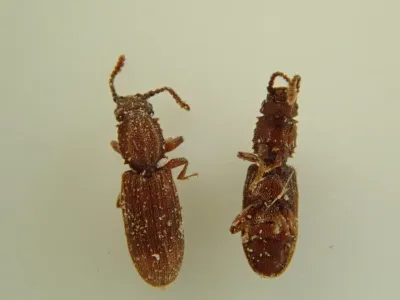
Grain Beetles
Oryzaephilus spp.
Grain beetles are small, flattened pantry pests that infest stored grains, cereals, and processed foods. The sawtoothed grain beetle and merchant grain beetle are among the most common stored product pests in North American homes.
View identification guide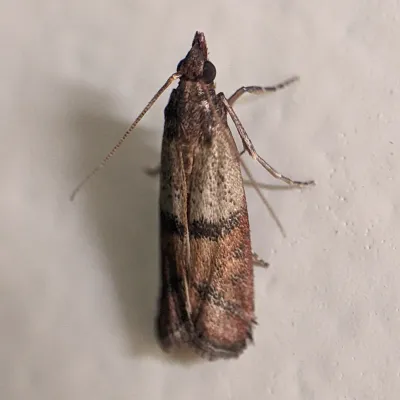
Indian Meal Moth
Plodia interpunctella
The Indian meal moth is the most common pantry pest in North America. These small moths infest stored grains, cereals, dried fruits, pet food, and many other pantry items, contaminating food with their webbing and waste.
View identification guide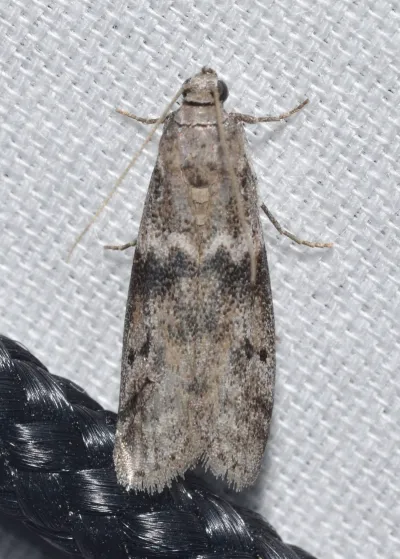
Mediterranean Flour Moth
Ephestia kuehniella
The Mediterranean flour moth is a common stored product pest that infests flour, grain products, and cereals. These gray moths with distinctive zigzag wing markings cause damage primarily in flour mills and bakeries, but can also infest home pantries.
View identification guide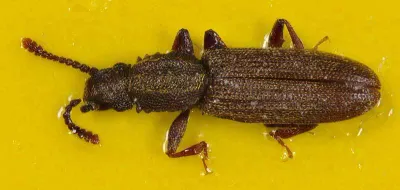
Merchant Grain Beetle
Oryzaephilus mercator
The merchant grain beetle is a common stored product pest found worldwide. Unlike its close relative the sawtoothed grain beetle, the merchant grain beetle can fly and prefers foods with higher oil content like nuts, seeds, and oilseed products.
View identification guide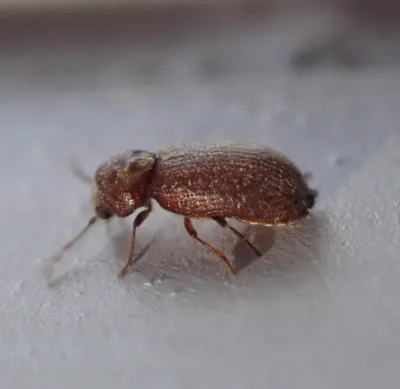
Pantry Beetles
Various (Tribolium, Oryzaephilus, Stegobium, Lasioderma spp.)
Pantry beetles are a group of small beetles that infest stored foods like flour, cereals, spices, and dried goods. Common types include flour beetles, sawtoothed grain beetles, drugstore beetles, and cigarette beetles.
View identification guide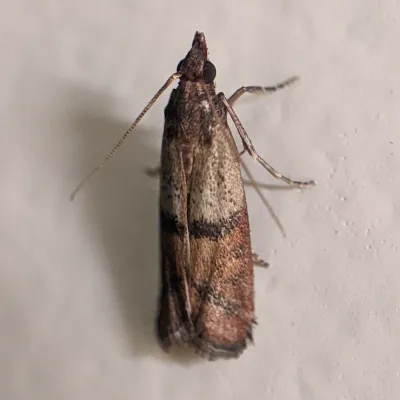
Pantry Moths
Plodia interpunctella
Pantry moths, also known as Indian meal moths, are the most common stored product pests in North American homes. These small moths infest dry goods like flour, cereals, dried fruits, pet food, and nuts.
View identification guide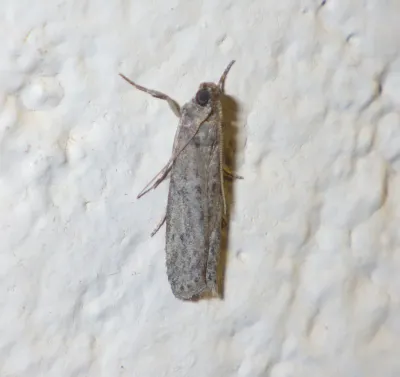
Raisin Moth
Cadra figulilella
The raisin moth is a stored product pest that infests dried fruits, dates, raisins, nuts, and other pantry goods. These small gray-brown moths contaminate food with silk webbing, frass, and excrement as their larvae bore through stored products.
View identification guide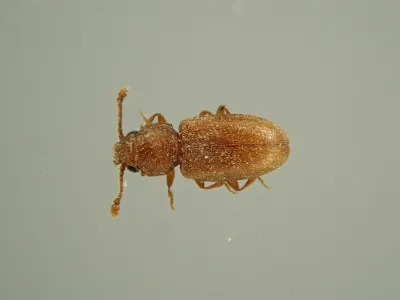
Red Flour Beetle
Tribolium castaneum
The red flour beetle is a small, reddish-brown stored product pest that infests flour, cereals, and grain products. It is one of the most common pantry pests worldwide, particularly in warmer southern regions where it can fly and spread easily.
View identification guide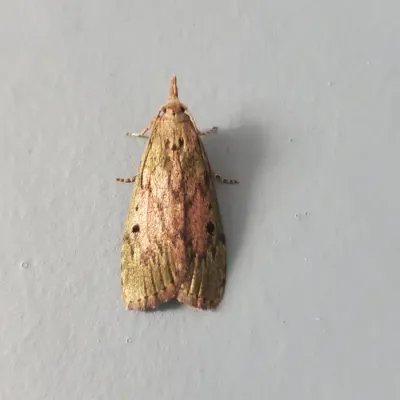
Rice Moth
Corcyra cephalonica
The rice moth is a stored-product pest found in warm climates and heated storage facilities across North America. Its larvae feed on rice, grains, flour, and dried goods, producing dense silk webbing that binds food into unusable clumps.
View identification guide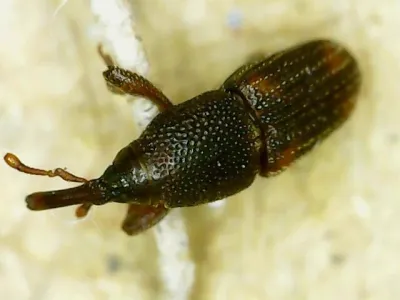
Rice Weevil
Sitophilus oryzae
The rice weevil is a small reddish-brown beetle with a long snout that infests stored grains. It has four faint yellowish spots on its wing covers and can fly, making it one of the most widespread pantry pests in North America.
View identification guide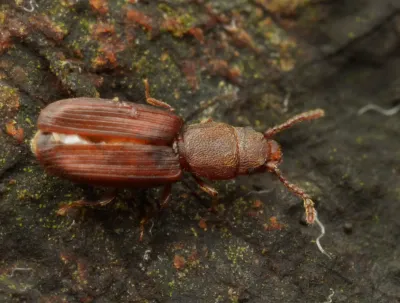
Rusty Grain Beetle
Cryptolestes ferrugineus
The rusty grain beetle is a small, flattened stored product pest that infests grain, flour, and other dried foods. It is one of the most common pantry pests worldwide and thrives in warm, humid conditions.
View identification guide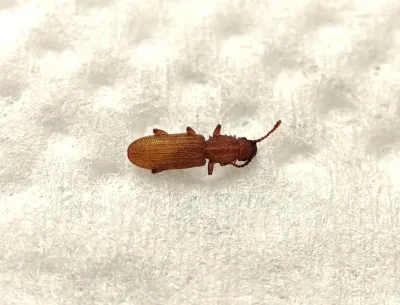
Sawtoothed Grain Beetle
Oryzaephilus surinamensis
The sawtoothed grain beetle is one of the most common stored product pests worldwide. These small, flattened beetles infest cereals, flour, dried fruits, and many other pantry items, contaminating food with their presence and waste.
View identification guide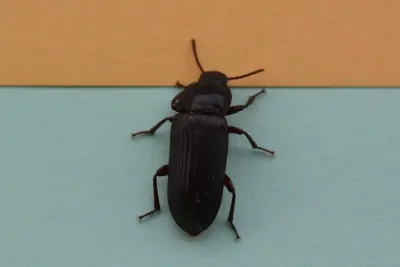
Yellow Mealworm
Tenebrio molitor
The yellow mealworm beetle is a dark brown to black stored-product pest whose larvae, known as mealworms, infest grain, flour, cereals, and animal feed. It is one of the most common darkling beetles found in pantries, barns, and food storage areas across North America.
View identification guideCommon Questions about Pantry Pests
How do pantry pests get into sealed packages?
+
Most pantry pest infestations start at food processing or storage facilities before products reach your home. Insects or eggs may already be inside when you buy the product. Some beetles can also chew through thin cardboard and plastic packaging.
What foods do pantry pests infest?
+
Pantry pests attack a wide range of dry goods including flour, cereals, grains, rice, pasta, crackers, dried fruits, nuts, spices, chocolate, pet food, and birdseed. Different species prefer different foods.
Are pantry pests harmful to eat?
+
While accidentally eating pantry pests or their larvae is unpleasant, it is generally not harmful. However, heavily infested foods should be discarded due to contamination from waste products, shed skins, and webbing.
How do I get rid of pantry pests?
+
Start by inspecting all stored foods and discarding anything infested. Clean shelves thoroughly, including cracks and crevices. Store remaining foods in airtight containers. Pheromone traps can help monitor for remaining pests.
How can I prevent pantry pest infestations?
+
Store dry goods in airtight glass, metal, or heavy plastic containers. Inspect groceries before storing them. Use older products first. Keep pantry shelves clean and free of spilled food. Avoid buying damaged packages.
Why do I keep seeing small moths in my kitchen?
+
Small moths flying near ceilings, especially in the kitchen, are likely Indian meal moths. The adults do not cause damage but indicate larvae are feeding somewhere in stored foods. Check all dry goods for webbing and larvae.
Explore Other Pest Categories
Browse our comprehensive pest library for identification guides and control information.



With five years of hands-on experience in the pest control industry, George Schulz is a registered technician with the Virginia Pest Management Association and a proud third-generation professional in a family business that's been protecting homes for over 57 years.
Find Local Pantry Pest Control Services
We provide professional pantry pests control throughout Virginia, Maryland, and the DC Metro area.