Stripe-Tailed Scorpions Identification Guide
Paravaejovis spinigerus
The stripe-tailed scorpion is a medium-sized desert scorpion found across the American Southwest and northern Mexico. Named for the dark ridges along its tail segments, this burrowing arachnid is one of the most commonly encountered scorpions in Arizona.
Taxonomy
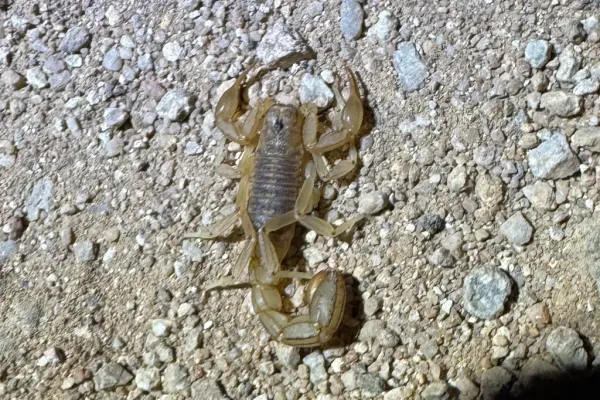
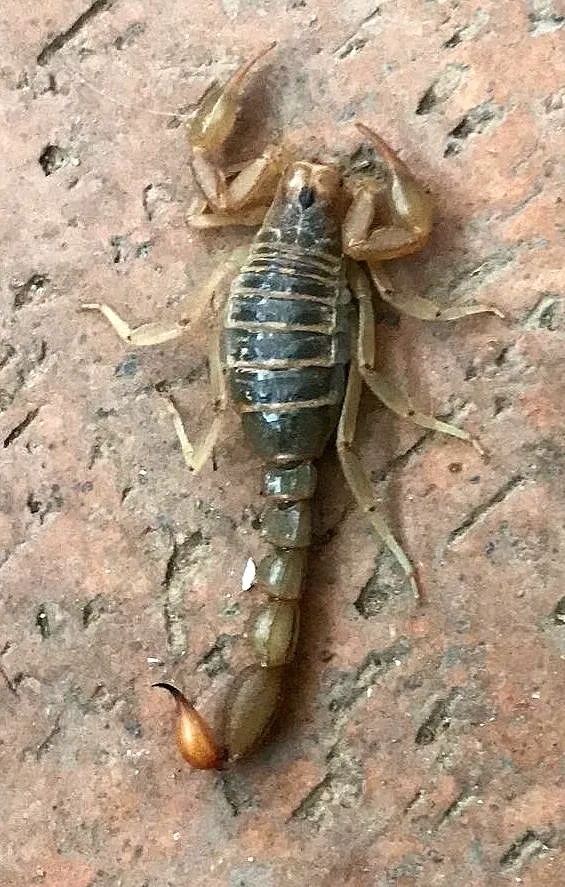
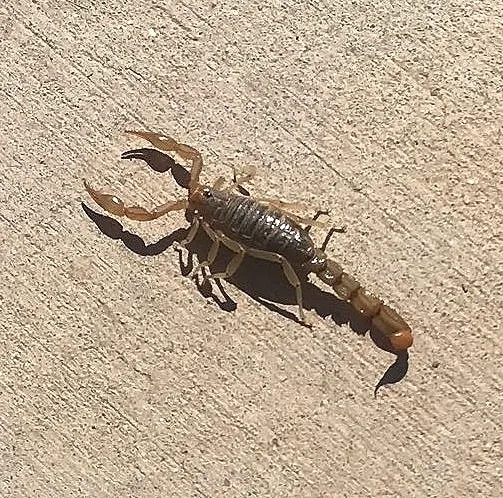
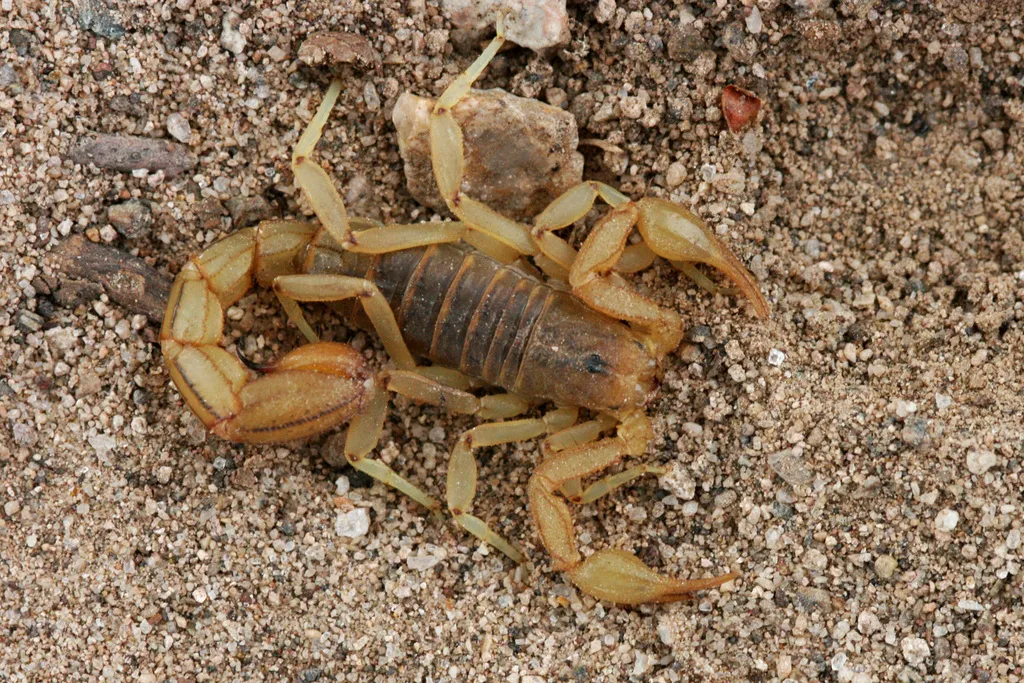
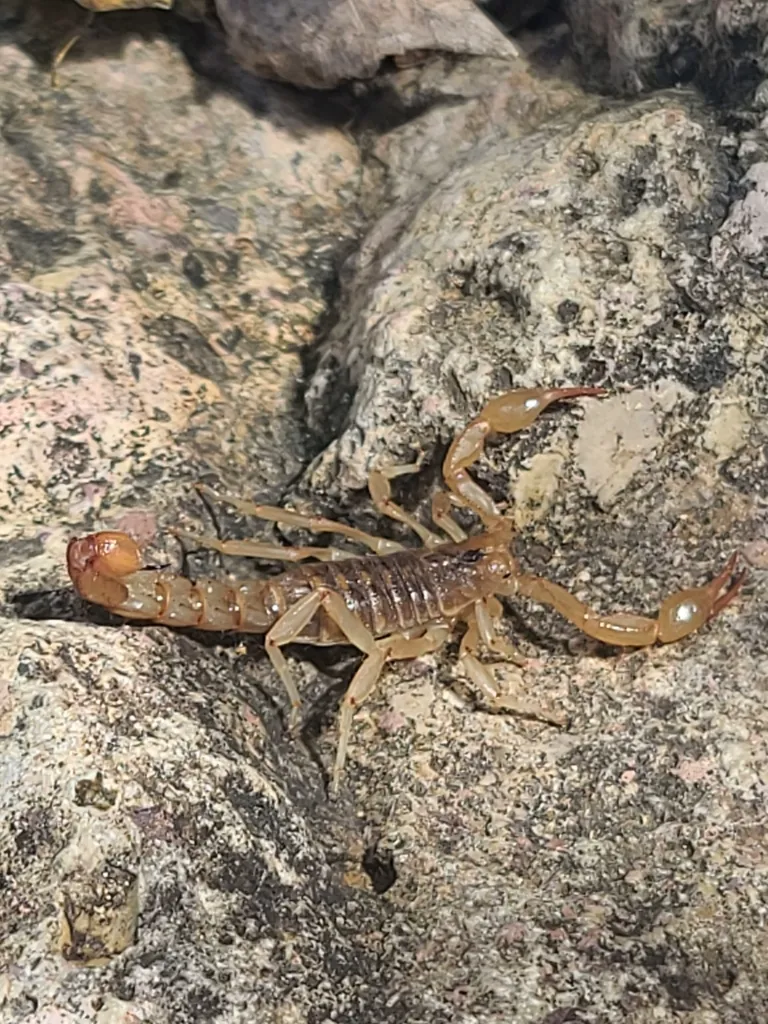
Stripe-Tailed Scorpions Coloration
Common color patterns to help identify stripe-tailed scorpions
Stripe-Tailed Scorpions
Seasonal Activity
When stripe-tailed scorpions are most active throughout the year

Where Stripe-Tailed Scorpions Are Found
Hover over states to see their names. Green regions indicate where stripe-tailed scorpions have been reported.
Stripe-Tailed Scorpion Identification Guide
Physical Characteristics
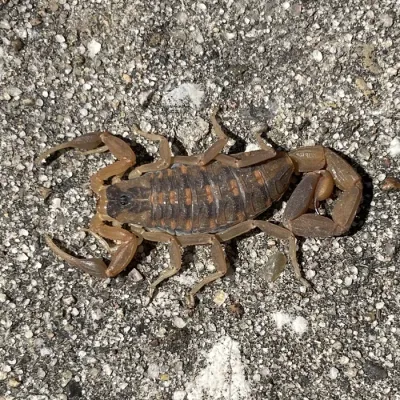
The stripe-tailed scorpion (Paravaejovis spinigerus) is a medium-sized scorpion that measures 2 to 3 inches long. You can spot it by the dark ridges that run along its tail segments. This feature gives it its common name. The body is tan to light brown, often with a darker brown shade along the back.
Next to the Arizona bark scorpion, the stripe-tailed scorpion looks stockier. It has a thicker tail and heavier pincers (called pedipalps). This bulky shape is one of the quickest ways to tell the two apart. It has eight legs, a pair of pincers, and a curved tail with a rounded stinger at the tip. Like all scorpions, it glows blue-green under ultraviolet light. A handheld blacklight is one of the best tools for finding them.
Scientists used to place this species in the genera Vaejovis and Hoffmannius. A 2013 study moved it to Paravaejovis. You may also hear it called the Arizona stripe-tailed scorpion or the devil scorpion.
Common Species in North America
Several scorpion species are found across the desert Southwest. The stripe-tailed scorpion is often confused with a few of them:
- Arizona bark scorpion (Centruroides sculpturatus): The most dangerous scorpion in North America. It has a much thinner tail and slim pincers. It climbs well and often shows up on walls and inside homes.
- Striped bark scorpion (Centruroides vittatus): Lives in the south-central United States. It has two dark stripes down its back instead of ridges on the tail. It belongs to a different family (Buthidae) and has thinner pincers.
- Giant desert hairy scorpion (Hadrurus arizonensis): The largest scorpion in North America, over 5 inches long. It is much bigger and hairier, with a dark body and yellowish legs.
Stripe-Tailed Scorpion Behavior and Biology
Habitat and Distribution
Stripe-tailed scorpions live in the Sonoran Desert region. They are most common in Arizona, especially in the southern and central parts of the state. You can also find them in parts of southern California, southwestern New Mexico, and northern Mexico (Sonora, Baja California, and Baja California Sur). They do not live in the eastern United States, the Mid-Atlantic, or Canada.
Bark scorpions are good climbers, but stripe-tailed scorpions stay on the ground. They dig shallow burrows or scrapes under rocks, logs, and loose debris. In the desert, look for them under flat rocks, in rocky washes, and in sandy soil. Near homes, they hide under landscaping rocks, pavers, woodpiles, and stored building materials.
Diet and Feeding Habits
Stripe-tailed scorpions hunt at night. They wait near their burrow or under cover and sense passing prey through ground vibrations. They eat crickets, beetles, spiders, and other small bugs. They grab food with their pincers and sting larger prey to subdue it. Like other scorpions, they digest food outside their body. They release enzymes that break the prey down before eating it.
Reproduction and Lifecycle
Stripe-tailed scorpions give live birth instead of laying eggs. A female produces 25 to 35 young at a time. The babies climb onto the mother’s back right after birth and ride there until their first molt, about one to two weeks later. Young scorpions shed their skin five to six times over two to four years before they are fully grown. Adults live another two to four years after that, so the total lifespan can reach four to eight years.
Mating starts with a courtship dance. The male grabs the female’s pincers and walks her across the ground until he places a spermatophore (a sperm packet) for her to pick up. Most scorpion species follow this same pattern.
Treatment Methods for Stripe-Tailed Scorpions
Good scorpion control uses a mix of sealing entry points, cleaning up hiding spots, and applying targeted treatments. Scorpions are tough pests, and spraying alone rarely fixes the problem. The best results come from tackling it from several angles.
Sealing Entry Points and Reducing Harborage
Preventing scorpions from getting indoors is the most important step:
- Seal cracks and gaps: Caulk foundation cracks. Add weatherstripping to doors and windows. Put in tight door sweeps. Check gaps around pipes, wires, and vents.
- Clear hiding spots: Move rock piles, stacked firewood, and yard debris away from the foundation. Store firewood at least 20 feet from the house and keep it off the ground.
- Trim plants: Cut back shrubs, ground cover, and tree branches that touch the house. Dense plants near walls create damp hiding spots that scorpions like.
- Cut down on bugs: Turn off outdoor lights that draw insects at night, or switch to yellow “bug lights.” Fewer crickets and beetles near the home means less food for scorpions.
Detection and Monitoring
- Blacklight checks: Walk around your foundation and yard at night with a UV flashlight. Scorpions glow bright blue-green under the light, so they are easy to see.
- Sticky traps: Place glue boards along baseboards and in garages. They help you track scorpion activity and find problem areas.
Chemical and Professional Control
When sealing and cleanup are not enough, targeted treatments can help bring scorpion numbers down:
- Dust treatments placed in wall voids, weep holes, and expansion joints give long-lasting protection where scorpions like to hide.
- Perimeter treatments around foundations and entry points create a barrier that cuts down on scorpions reaching your home.
- Crack-and-crevice treatments inside the home target specific hiding spots. These work better than broad sprays for scorpions.
A licensed pest control company can help find entry points and apply the right treatments where they will work best.
What to Do After a Sting
Most stings from this scorpion cause pain, swelling, and numbness near the sting site. These symptoms usually go away within a few hours. Clean the area with soap and water. Apply a cold pack and take pain medicine if needed. Call Poison Control at 1-800-222-1222 for guidance. Get emergency care if the person stung is a young child or elderly adult, or if symptoms include trouble breathing, muscle twitching, or unusual eye movements.
This information is for general reference only and is not medical advice. Always talk to a doctor or call Poison Control for questions about scorpion stings.
References
- Scorpions of the Desert Southwest - University of Arizona Cooperative Extension
- Taxonomic Revision of Paravaejovis - González-Santillán & Prendini, AMNH (2013)
- Paravaejovis spinigerus - BugGuide
- Arizona Scorpions - Arizona State Parks
- Scorpion Envenomation - StatPearls / NCBI
- Scorpion Fluorescence Under UV Light - PMC
Other Other Pests
Explore other species in the other pests family
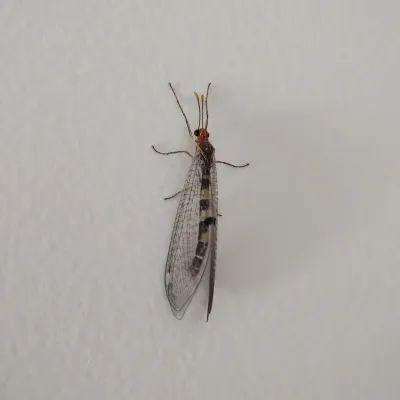
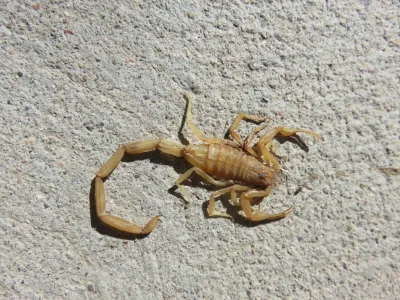
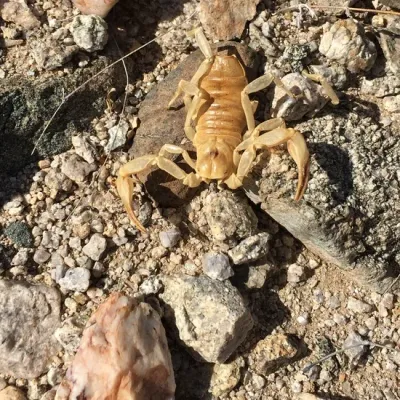
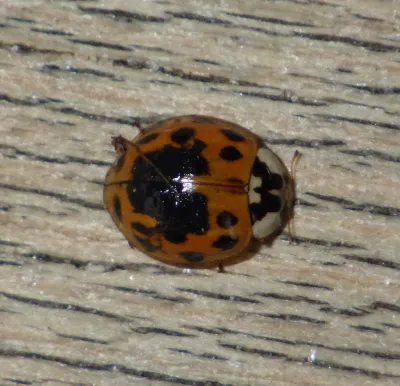
Commonly Confused With
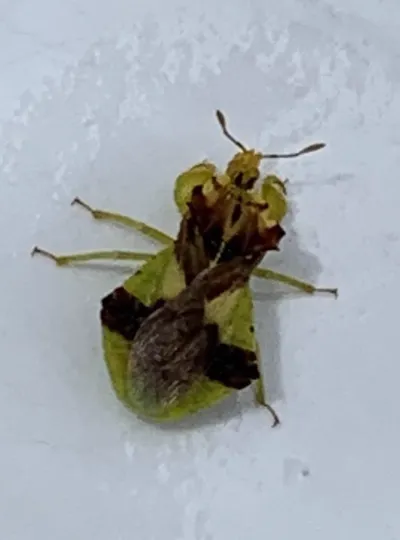
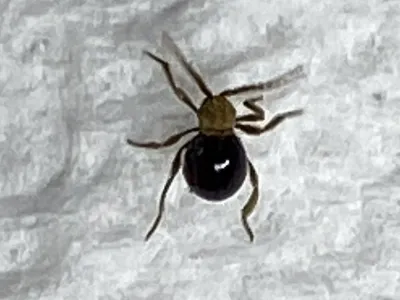
Stripe-Tailed Scorpions are often mistaken for these similar pests
Where Stripe-Tailed Scorpions Are Found
Hover over states to see their names. Green regions indicate where stripe-tailed scorpions have been reported.
Common Questions about Stripe-Tailed Scorpions
Are stripe-tailed scorpions dangerous?
+
Stripe-tailed scorpion stings are painful but not usually serious for healthy adults. You may feel pain, swelling, and mild numbness that goes away in a few hours. Their venom is much weaker than the Arizona bark scorpion's. Young children, older adults, or people with allergies may have stronger reactions and should see a doctor after a sting.
Where do stripe-tailed scorpions live?
+
Stripe-tailed scorpions are native to the Sonoran Desert region. They are most common in Arizona, parts of southern California, southwestern New Mexico, and the Mexican states of Sonora and Baja California. They prefer dry, rocky habitats with loose soil where they can dig shallow burrows under rocks and surface debris.
How can I tell a stripe-tailed scorpion from an Arizona bark scorpion?
+
The stripe-tailed scorpion has a thicker tail and bulkier pincers than the bark scorpion. Its tail has dark ridges along the segments. The Arizona bark scorpion has a very thin tail, slim pincers, and a lighter, more even color. The fastest way to tell them apart is body shape. If the tail and pincers look thick and stocky, it is likely a stripe-tailed scorpion.
Do stripe-tailed scorpions come inside homes?
+
Yes, stripe-tailed scorpions can get into homes, though less often than bark scorpions. They stay on the ground rather than climbing, so they come in through cracks in foundations, gaps under doors, or holes around pipes. They are most likely to come inside during hot summer months when looking for water or cooler spots.
When are stripe-tailed scorpions most active?
+
Stripe-tailed scorpions are active at night and most common during warm months from May through September. Activity peaks during the summer monsoon season when warm nights and extra moisture bring them out to hunt. From November through February, they stay in their burrows and are rarely seen.
How do I find scorpions around my home?
+
The best way is to walk around your yard at night with a UV blacklight flashlight. All scorpions glow bright blue-green under the light, making them easy to see on walls, walkways, and in your landscaping. Check near the foundation, around rock features, woodpiles, and stored items. Sticky traps along baseboards and in garages can also help track activity.
What do stripe-tailed scorpions eat?
+
Stripe-tailed scorpions eat crickets, beetles, spiders, and other small bugs. They sense prey through ground vibrations and grab it with their pincers. They sting larger or struggling prey to hold it down. Cutting down on insects around your home can make the area less appealing to scorpions.

With five years of hands-on experience in the pest control industry, George Schulz is a registered technician with the Virginia Pest Management Association and a proud third-generation professional in a family business that's been protecting homes for over 58 years. He manages and trains a team of service pros while also leading internal research efforts—recently spearheading a deep-dive review of thousands of documents on pest control materials to hand-pick the most kid and pet friendly, most effective solutions tailored specifically for homes in the DC metro area.
Local Other Pests Help
Dealing with other pests at home? Our licensed technicians provide pest control across Northern Virginia and Maryland.
