Head Lice Identification Guide
Pediculus humanus capitis
Head lice are tiny wingless insects that live on the human scalp and feed on blood. They spread through direct head-to-head contact and are one of the most common parasitic infestations among school-age children in North America.
Taxonomy
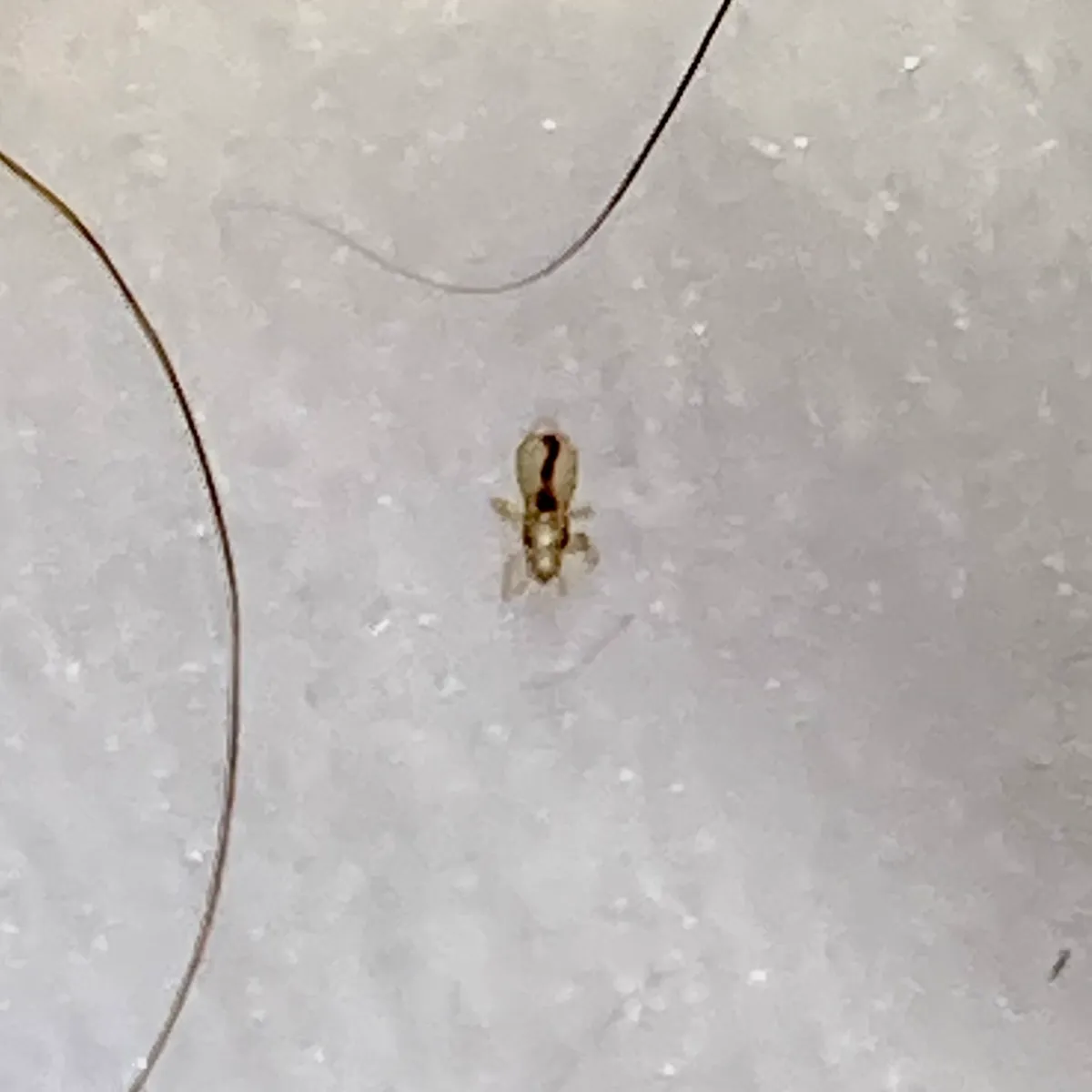
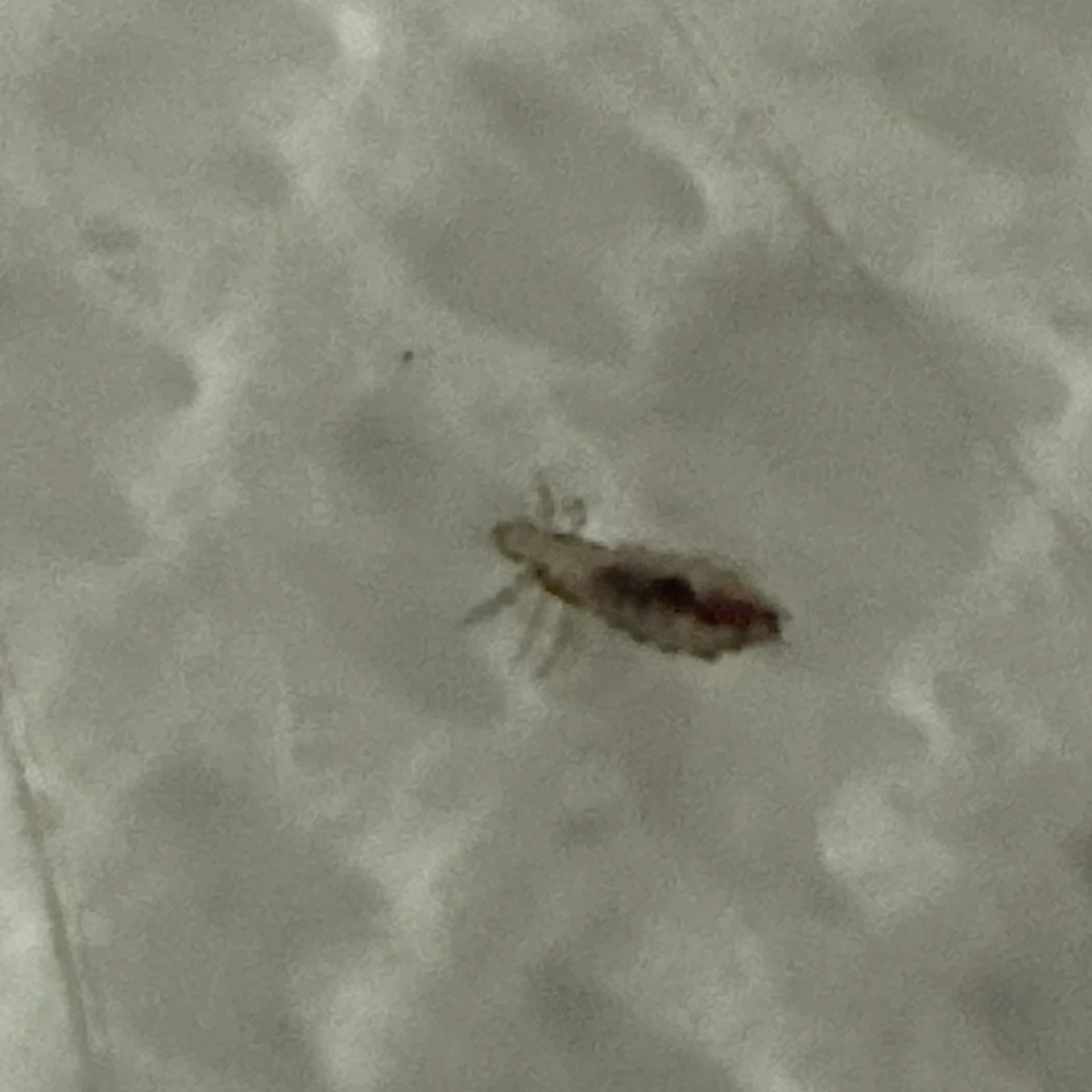
Head Lice Coloration
Common color patterns to help identify head lice
Head Lice
Seasonal Activity
When head lice are most active throughout the year

Where Head Lice Are Found
Hover over states to see their names. Green regions indicate where head lice have been reported.
Head Lice Identification Guide
Physical Characteristics
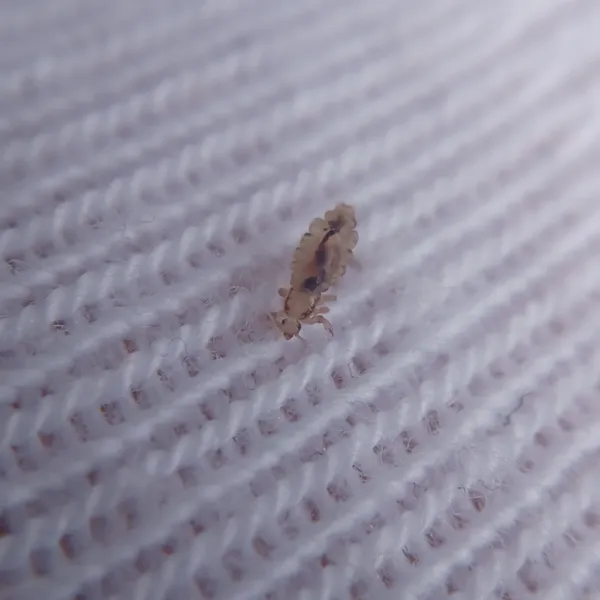
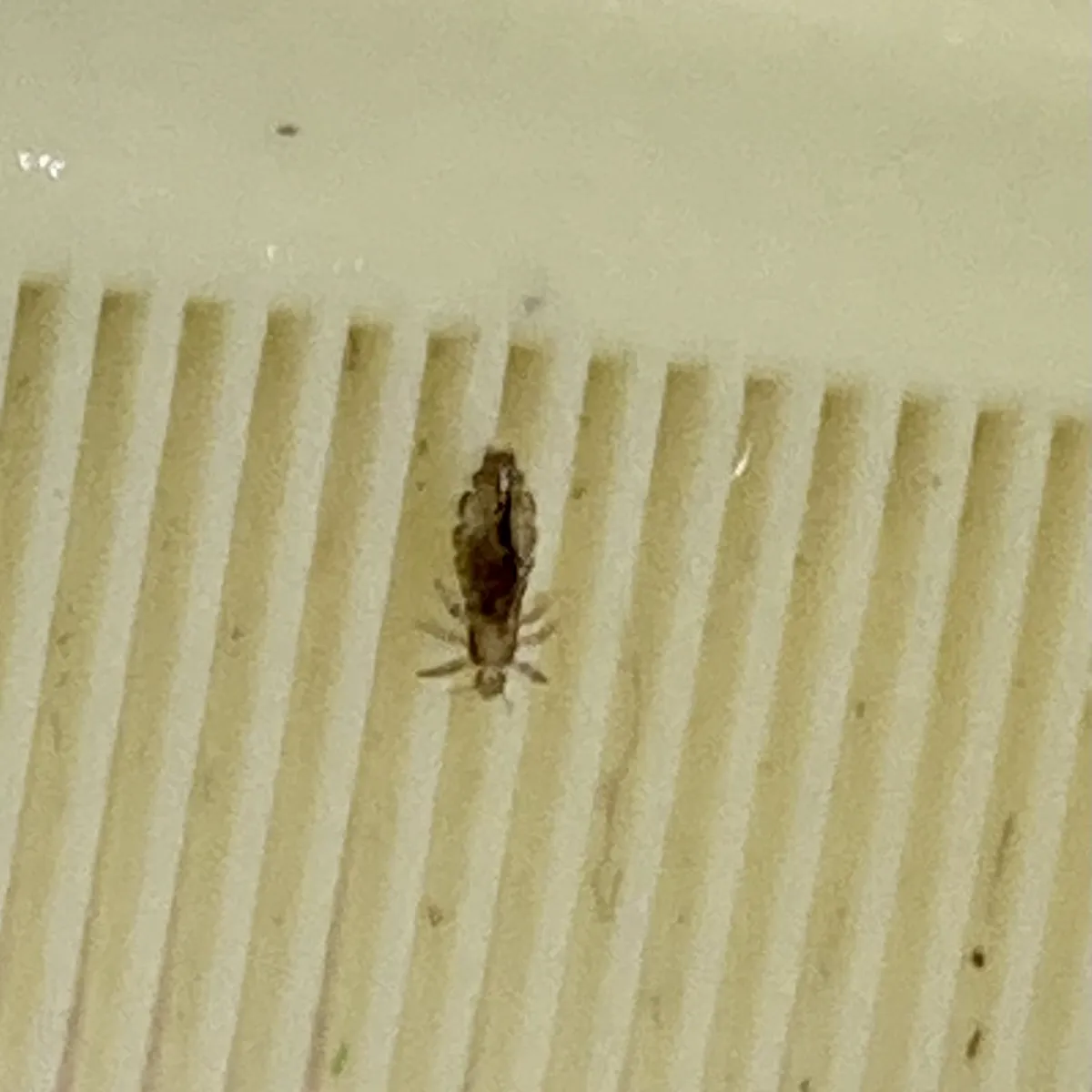
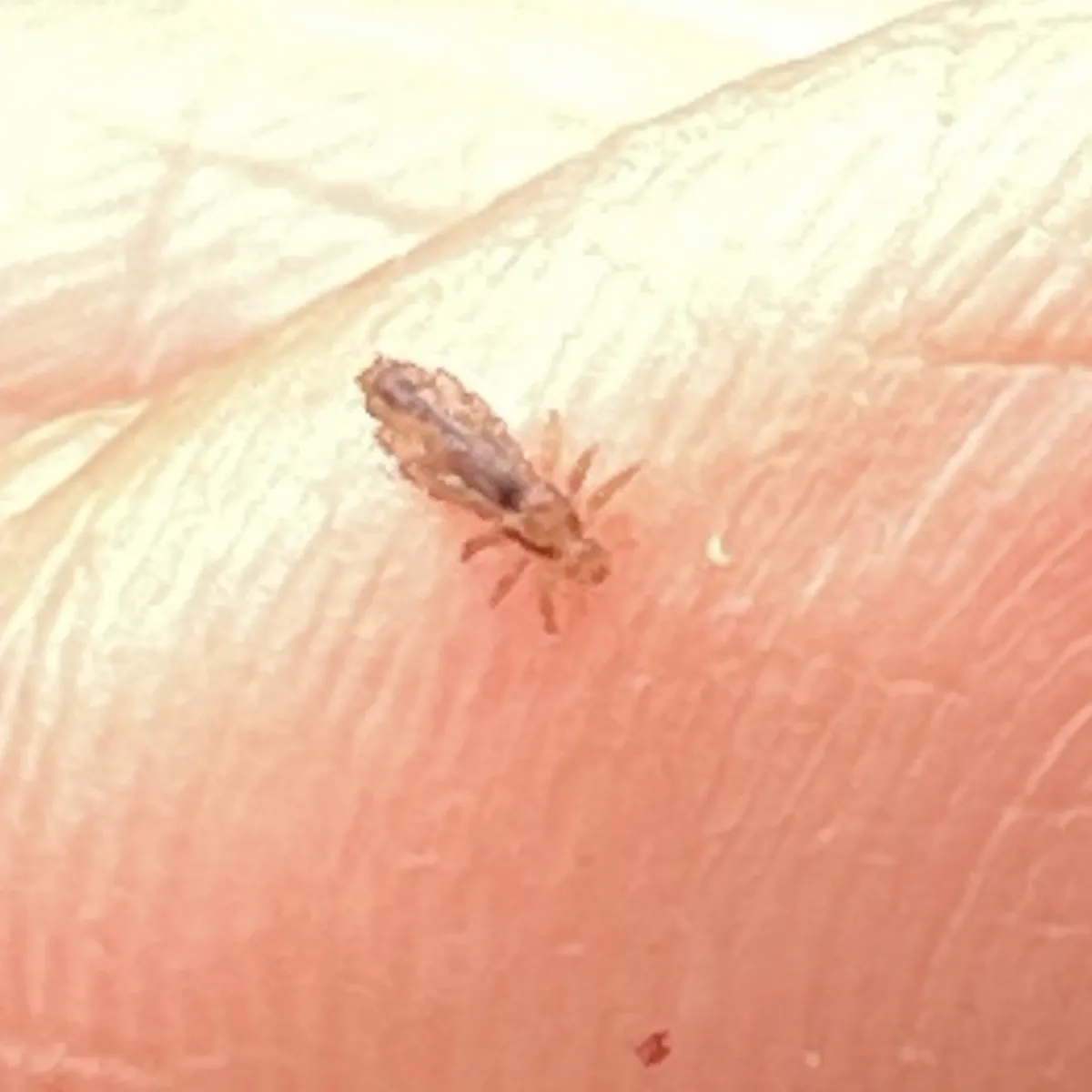
The head louse (Pediculus humanus capitis) is a tiny wingless insect that lives its entire life on the human scalp. Adults are about 2 to 3 millimeters long, roughly the size of a sesame seed. Their bodies are flat and oval with six legs. Each leg ends in a curved claw built to grip hair.
Color changes based on feeding. Unfed adults are tan, grayish-white, or nearly see-through. After feeding on blood, they turn reddish-brown. All three pairs of legs sit near the front of the body and are made for clinging, not jumping. Head lice have no wings and cannot fly.
Eggs, called nits, are oval and about 0.8 millimeters long. The female glues each one to a hair shaft close to the scalp with a waterproof coating. Live nits look yellowish or tan. Hatched or empty shells appear white or clear.
How to Distinguish Head Lice from Look-Alikes
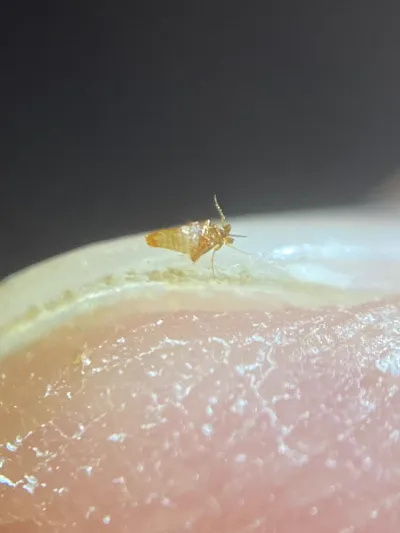
Several things are commonly mistaken for head lice or nits:
- Dandruff consists of loose, irregular flakes that brush off easily. Nits are oval and firmly attached to the hair shaft, resisting removal.
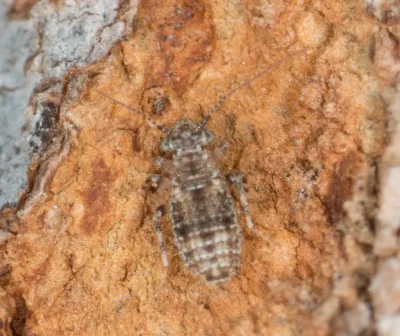
- Booklice are similar in size but live in damp places on paper, books, and stored goods. They eat mold and starch, not blood.
- Fleas are darker, more narrow from side to side, and can jump long distances. Head lice are flat from top to bottom and only crawl.
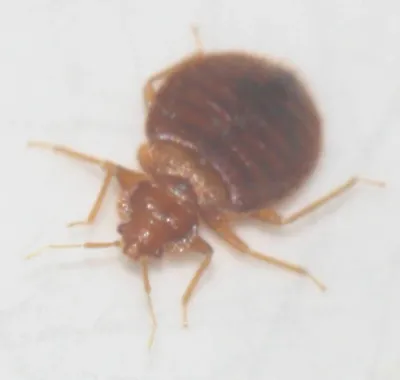
- Bed bugs are larger, rounder, and reddish-brown. They live in mattresses and furniture, not on people.
- Hair casts are thin white tubes that slide freely along the hair shaft. Nits, by contrast, stay glued in place.
The best way to confirm head lice is to find a live, crawling louse on the scalp. Nits found within about 6 millimeters of the scalp suggest an active infestation, according to the CDC.
Head Lice Behavior and Biology
Habitat and Host Specificity
Head lice live only on human heads. They cannot survive on pets, furniture, or other surfaces for more than about 24 to 48 hours. They are found wherever people live and are most common among children ages 3 to 11 who have close contact at school, daycare, or during play.
Lice stay near the scalp where it is warm and humid. They gather most often behind the ears and at the back of the neck. These sheltered spots give them the best conditions for feeding and laying eggs.
Diet and Feeding
Head lice feed on blood. They use their mouthparts to pierce the scalp and feed several times a day. Their saliva keeps blood flowing while they eat. This saliva causes the itching that most people link to a lice problem. Some people, especially during a first case, may not feel itchy for several weeks as their body builds a reaction.
Life Cycle and Reproduction
The head louse life cycle includes three stages: egg (nit), nymph, and adult.
- Eggs (nits): Females lay about 6 to 8 eggs per day, gluing each one to a hair shaft close to the scalp. Eggs hatch in about 6 to 9 days.
- Nymphs: After hatching, the young louse (nymph) sheds its skin three times over about 7 days before becoming an adult. Nymphs look like smaller adult lice and start feeding on blood right after hatching.
- Adults: Mature lice live for about 30 days on a host. One female can lay over 100 eggs in her lifetime.
Without blood, adult lice die within 1 to 2 days off the scalp. Nits that fall off the hair are unlikely to hatch because they need the steady warmth of the scalp.
How Head Lice Spread
The main way head lice spread is through direct head-to-head contact. This is why they are so common among young children who play close together. Sharing combs, brushes, hats, or headphones can also spread lice, but this is less common because lice do not live long off a host.
Head lice cannot jump, hop, or fly. They can only crawl. They move fast when exposed to light, which makes them hard to spot without careful combing.
Treatment Methods for Head Lice
Head lice are a personal health issue, not a structural pest problem. Treatment focuses on the person and their nearby belongings. The CDC and the American Academy of Pediatrics recommend the following methods.
-
Confirm the problem first. Find a live, crawling louse on the scalp before starting treatment. Nits alone, especially those found far from the scalp, may point to a past case rather than a current one.
-
Over-the-counter lice treatments. Products with permethrin (1%) or pyrethrins are common first choices. Apply them according to the label and plan a second treatment 7 to 10 days later to kill newly hatched nymphs.
-
Prescription treatments. When store-bought products do not work, which can happen because of resistance in some areas, a doctor may prescribe spinosad, malathion lotion, topical ivermectin, or benzyl alcohol.
-
Wet combing with a nit comb. Comb through wet, conditioned hair with a fine-toothed metal nit comb. This can be done on its own or along with other treatments. Repeat every 2 to 3 days for at least two weeks.
-
Environmental cleanup. Wash clothing, bedding, and towels used in the last 48 hours in hot water (at least 130 degrees Fahrenheit) and dry on high heat. Seal items that cannot be washed in a plastic bag for 48 hours. Vacuum furniture and floors where the person recently sat or lay down. Soak combs and brushes in hot water for 5 to 10 minutes.
-
What not to do. Do not use household bug sprays or foggers. They are not needed for head lice and may cause harm. Do not treat people who do not have live lice. Check everyone in the household and only treat those with an active case.
When over-the-counter treatments do not resolve the problem, or for children under 2 years old, consult a healthcare provider for guidance on the best treatment options.
Note: The information above is for general awareness only and is not medical advice. Always consult a healthcare provider for diagnosis and treatment recommendations.
References
Other Other Pests
Explore other species in the other pests family
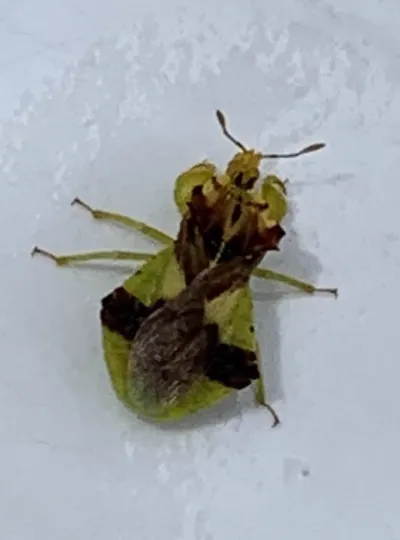
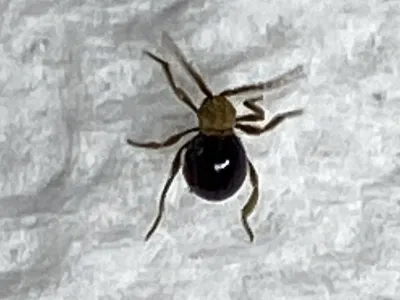
Commonly Confused With
Head Lice are often mistaken for these similar pests
Where Head Lice Are Found
Hover over states to see their names. Green regions indicate where head lice have been reported.
Common Questions about Head Lice
How do head lice spread?
+
Head lice spread almost exclusively through direct head-to-head contact. Sharing hats, brushes, or headphones may contribute, but this is far less common. Lice cannot jump or fly. They crawl from one person's hair to another during close contact.
Can head lice live on pets?
+
No. Head lice are obligate human parasites and cannot survive on dogs, cats, or other animals. They are adapted specifically to human scalp hair and blood.
How long can head lice survive off a human head?
+
Adult head lice typically die within 24 to 48 hours off the human scalp because they need regular blood meals and the warmth of the scalp to survive. Nits that fall off the head are unlikely to hatch because they require body heat.
Do head lice prefer dirty or clean hair?
+
Head lice do not prefer dirty hair. They are equally likely to infest clean or unwashed hair. Lice attach to hair shafts regardless of hygiene, and having head lice is not a sign of poor cleanliness.
How can I tell the difference between nits and dandruff?
+
Nits are oval-shaped and firmly glued to the hair shaft close to the scalp. They will not flake off when brushed. Dandruff, on the other hand, consists of loose flakes that easily fall away when you touch or brush the hair.
Should children with head lice stay home from school?
+
The CDC and the American Academy of Pediatrics recommend against excluding children from school solely for head lice or nits. Children can finish the school day and begin treatment at home. A no-nit policy is considered unnecessary by most health authorities.
What is the fastest way to get rid of head lice?
+
The most effective approach combines a proven pediculicide treatment (over-the-counter or prescription) with thorough wet combing using a fine-toothed nit comb. Follow the product directions exactly and retreat at the recommended interval, usually 7 to 10 days later, to catch any newly hatched nymphs.
Do I need to fumigate my house if someone has head lice?
+
No. Household fumigation sprays are unnecessary and not recommended by the CDC. Head lice do not survive long off the scalp. Washing recently used bedding and clothing in hot water, drying on high heat, and vacuuming furniture where the infested person sat or lay is sufficient.

With five years of hands-on experience in the pest control industry, George Schulz is a registered technician with the Virginia Pest Management Association and a proud third-generation professional in a family business that's been protecting homes for over 58 years. He manages and trains a team of service pros while also leading internal research efforts—recently spearheading a deep-dive review of thousands of documents on pest control materials to hand-pick the most kid and pet friendly, most effective solutions tailored specifically for homes in the DC metro area.
Local Other Pests Help
Dealing with other pests at home? Our licensed technicians provide pest control across Northern Virginia and Maryland.
