Florida Bark Scorpions Identification Guide
Centruroides gracilis
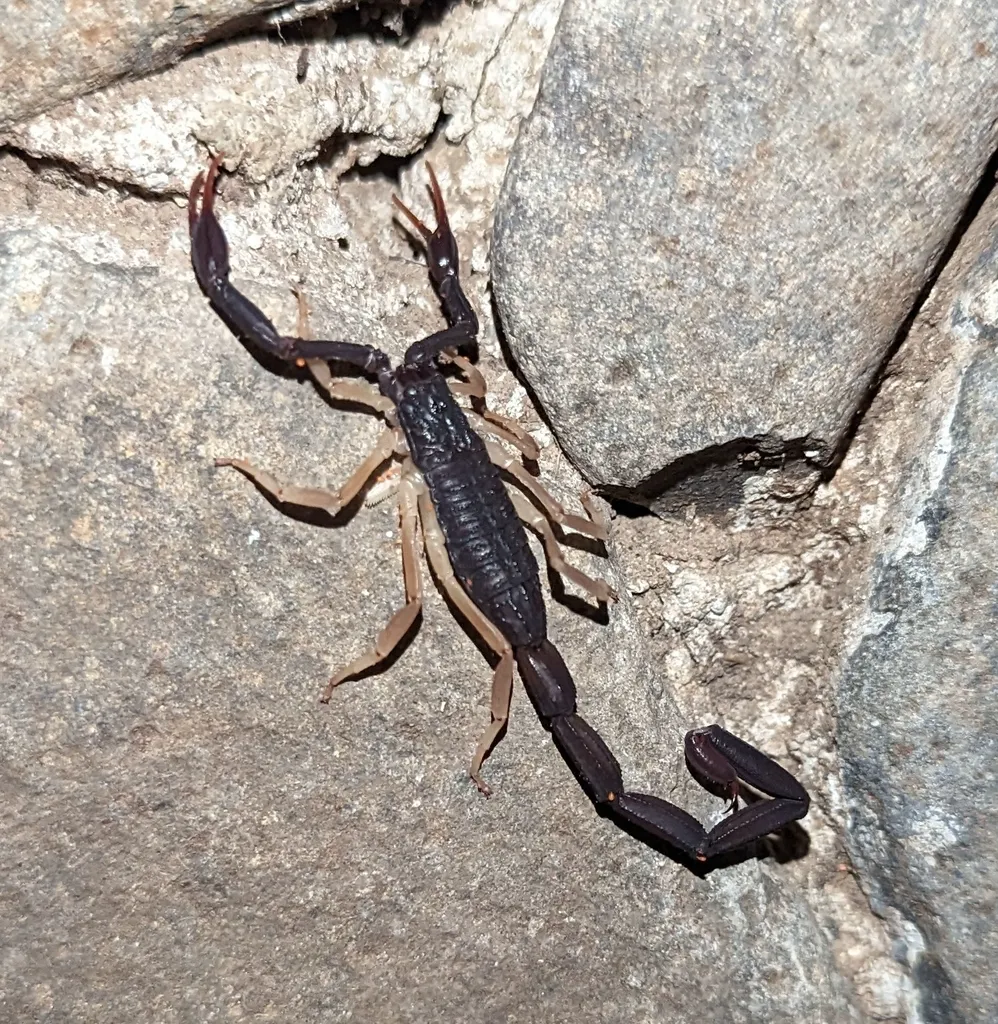
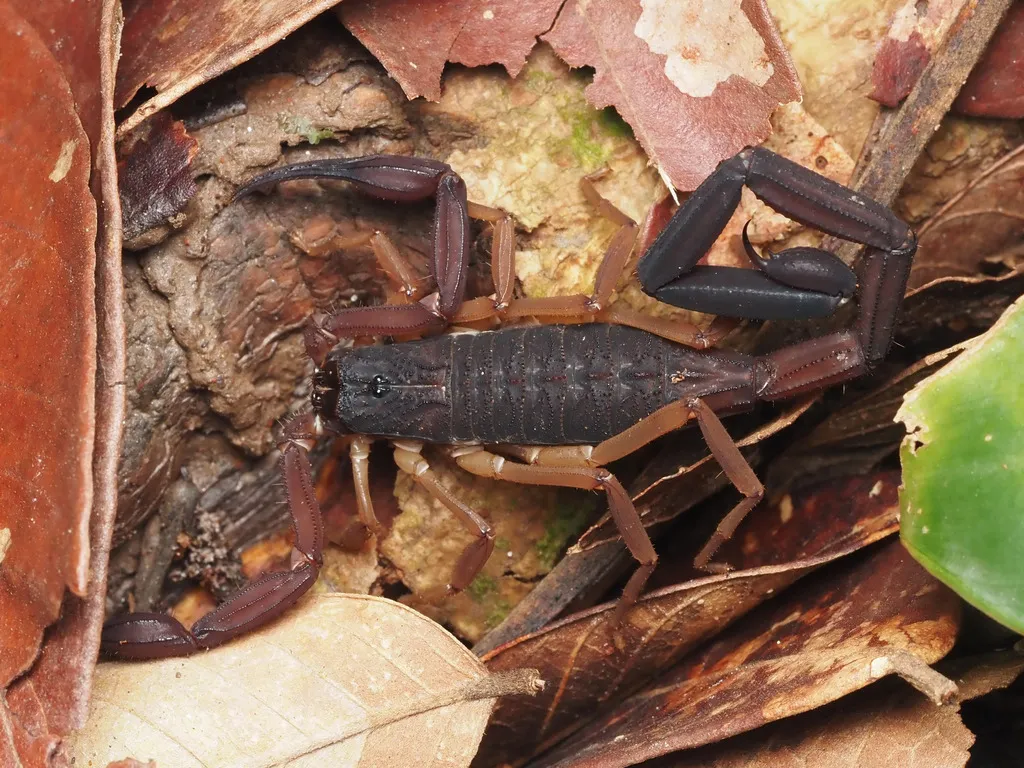
The Florida bark scorpion is a slender, dark brown scorpion found throughout Florida and parts of the Caribbean. Also called the slender brown scorpion, this nocturnal arachnid hides under bark, rocks, and debris during the day and hunts insects at night.
Taxonomy
Florida Bark Scorpions Coloration
Common color patterns to help identify florida bark scorpions
Florida Bark Scorpions
Seasonal Activity
When florida bark scorpions are most active throughout the year

Where Florida Bark Scorpions Are Found
Hover over states to see their names. Green regions indicate where florida bark scorpions have been reported.
Florida Bark Scorpion Identification Guide
Physical Characteristics
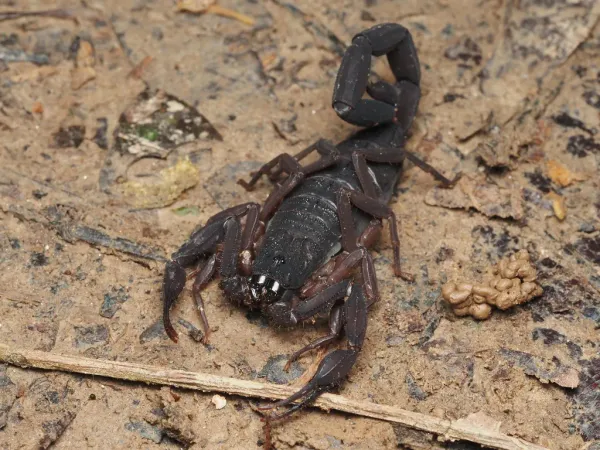
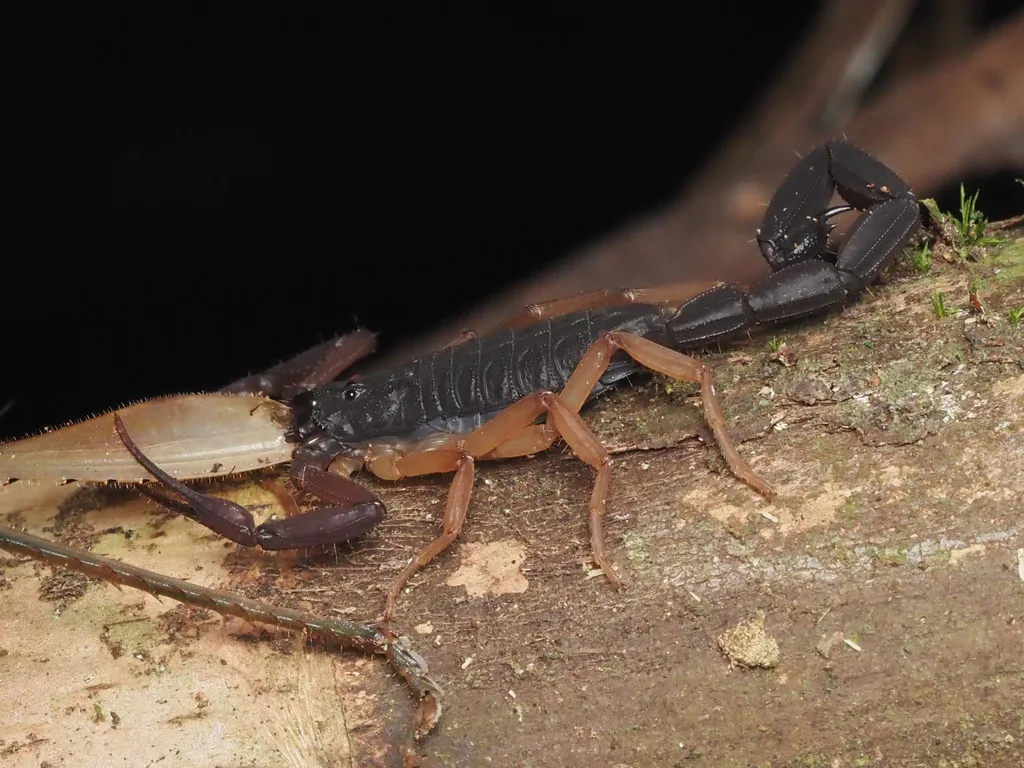
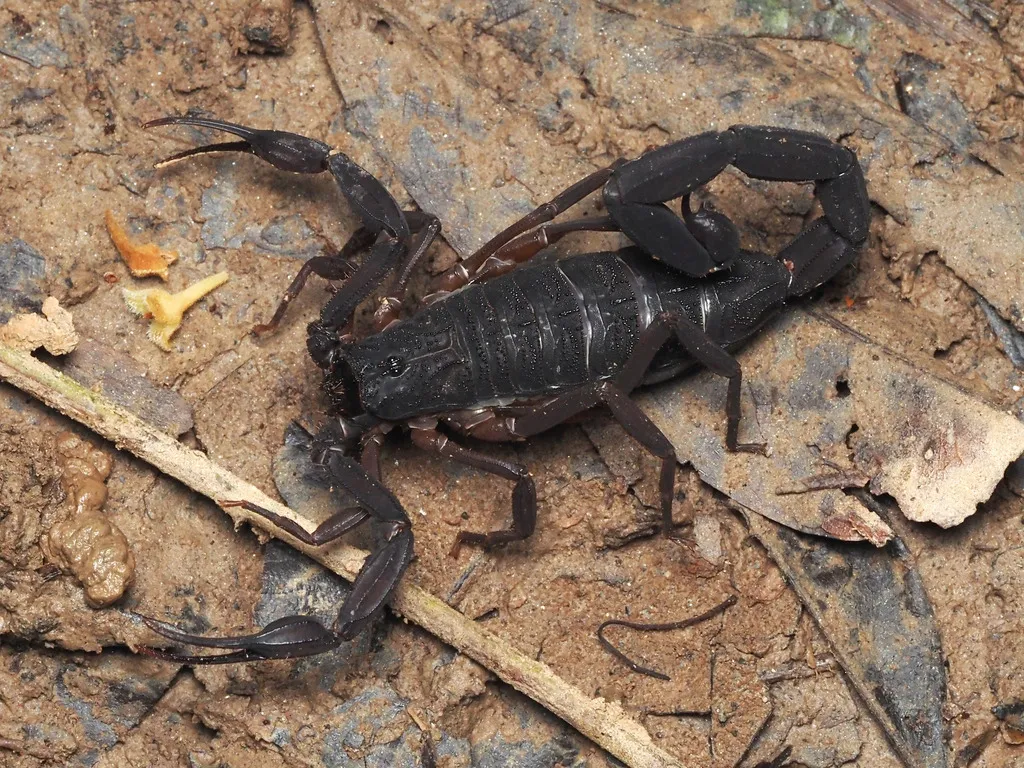
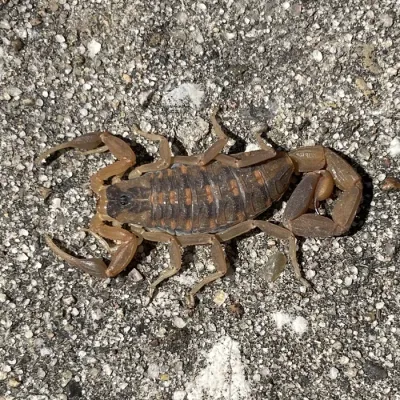
The Florida bark scorpion (Centruroides gracilis) is a medium-sized scorpion, about 1.5 to 3 inches long. Its body is dark brown to nearly black on top, with reddish-brown legs and pincers. The belly is lighter, usually tan or cream. Unlike the striped bark scorpion, this species does not have dark stripes down its back.
It has a slim body with thin, long pincers. The tail is narrow and ends in a round stinger. Males often have longer, thinner tails than females. Its flat body lets it squeeze through very tight cracks and gaps in walls and foundations.
Like all scorpions, this species glows bright blue-green under ultraviolet light. A handheld blacklight is one of the best tools for finding them around your home at night.
Common Species in North America
The Florida bark scorpion is one of several Centruroides species in the southeastern United States and Caribbean. People often mix it up with these related scorpions:
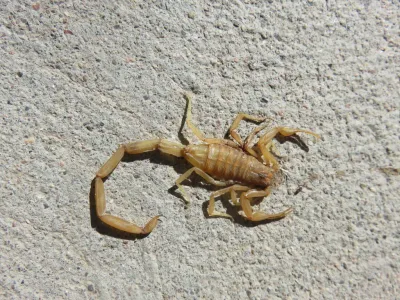
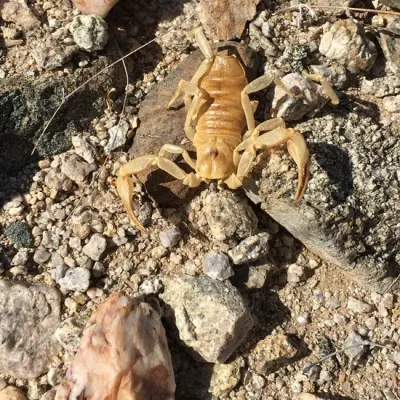
- Striped bark scorpion (Centruroides vittatus): The most common scorpion in the south-central U.S. It is lighter (tan to yellowish-brown) and has two dark stripes down its back. It lives from Texas through Oklahoma, Kansas, and Missouri.
- Hentz striped scorpion (Centruroides hentzi): A smaller scorpion in the southeastern U.S. whose range overlaps with the Florida bark scorpion. It is more reddish or tan with faint striping.
- Arizona bark scorpion (Centruroides sculpturatus): Found mainly in Arizona and the Sonoran Desert. This is the most dangerous scorpion in North America. Its stings can cause serious nerve-related symptoms. It is lighter and thinner than the Florida bark scorpion.
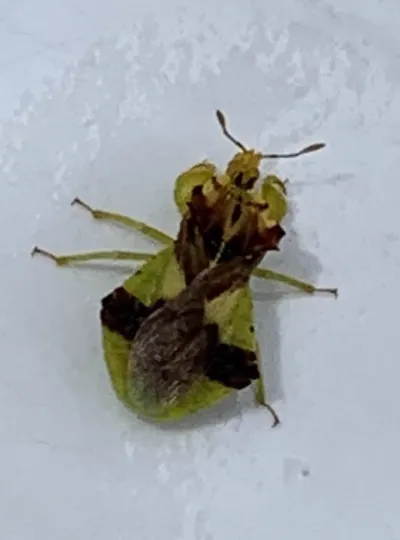
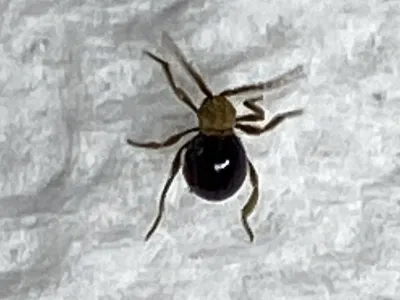
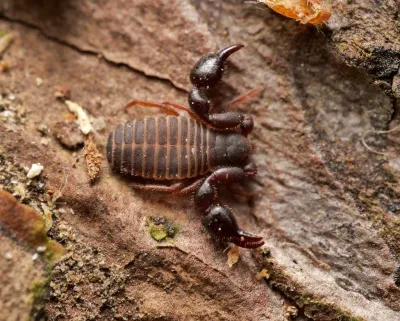
- Pseudoscorpions: Tiny creatures (2-8 mm) that look like mini scorpions but have no tail or stinger. They are harmless.
Florida Bark Scorpion Behavior and Biology
Habitat and Distribution
The Florida bark scorpion comes from the Caribbean, Central America, and northern South America. In the United States, it has settled across much of Florida, from the Keys north through most of the state. A few records also exist in Gulf Coast counties in Alabama. In Mexico, it lives in Veracruz, Tabasco, the Yucatan Peninsula, and along the Pacific coast.
During the day, these scorpions hide under loose tree bark, fallen logs, rocks, palm fronds, and leaf litter. They are good climbers and often climb trees and rough surfaces. Near homes, they hide under woodpiles, landscape timbers, rock walls, mulch beds, and thick ground cover. They get inside through cracks in foundations, gaps under doors, holes around pipes and wires, and spaces near windows, vents, and weep holes.
Diet and Feeding Habits
Florida bark scorpions hunt only at night. They eat cockroaches, crickets, spiders, and other small bugs. They do not build webs or traps. Instead, they roam around looking for food. They grab prey with their pincers and sting larger insects to subdue them. They digest food outside their body by releasing juices that break down the prey before eating it.
Reproduction and Lifecycle
Like all scorpions, the Florida bark scorpion gives live birth. It does not lay eggs. Females can have 20 to 40 babies at a time. The young are pale and soft. They climb onto the mother’s back right after birth and stay there until their first shed, about one to two weeks later.
Young scorpions shed their skin several times over two to three years before they become adults. Adults can then live two to five more years. This slow growth means that once scorpions move in near a home, they can stay for a long time.
Venom and Sting
The Florida bark scorpion is venomous, but its sting is not as dangerous as the Arizona bark scorpion’s. Most stings cause pain, swelling, and numbness near the sting site. These symptoms usually go away within a few hours. However, stings can be worse for young children, elderly adults, and people with allergies or other health problems. If stung, wash the area with soap and water, apply a cold pack, and call Poison Control at 1-800-222-1222 for help. Get emergency care if you have trouble breathing, muscle twitching, or other serious symptoms.
This is general information only, not medical advice. Always talk to a doctor or call Poison Control about scorpion stings.
Treatment Methods for Florida Bark Scorpions
Good scorpion control means sealing entry points, cleaning up hiding spots, and using targeted treatments when needed. Spraying alone rarely works for scorpions. The best results come from tackling the problem from several angles.
Sealing Entry Points and Reducing Hiding Spots
Keeping scorpions out of your home is the most critical step:
- Seal cracks and gaps: Caulk foundation cracks, add weatherstripping to doors and windows, and install tight-fitting door sweeps. Check for gaps around pipes, wires, weep holes, and vents.
- Clear debris near your home: Move woodpiles, rock piles, leaf litter, and thick ground cover away from your foundation. Store firewood at least 20 feet from the house and keep it elevated off the ground.
- Trim plants and trees: Cut back branches and shrubs that touch your home. Scorpions use these to climb to upper floors and rooflines. Remove dead palm fronds that give them places to hide.
- Cut down on bugs: Switch outdoor lights to yellow “bug lights” or turn them off at night. Fewer bugs near your home means less food for scorpions. Keeping cockroach and cricket numbers down also helps.
Detection and Monitoring
- Blacklight checks: Walk around your foundation and walls at night with a UV flashlight. Scorpions glow bright blue-green under the light, making them easy to see even in dark corners.
- Sticky traps: Place glue board traps along baseboards, in garages, and near entry points. These help you track scorpion activity and find problem areas.
Chemical and Professional Treatments
When sealing and cleanup are not enough, targeted treatments can help bring scorpion numbers down:
- Dust treatments placed in wall voids, weep holes, and expansion joints give long-lasting protection where scorpions like to hide.
- Perimeter treatments around foundations and entry points create a barrier that cuts down on scorpions reaching your home.
- Crack-and-crevice treatments inside the home target specific hiding spots. These work better than broad sprays for scorpions.
A licensed pest control company can help find entry points and apply the right treatments where they will work best.
References
- Centruroides gracilis - ITIS Taxonomic Record
- Centruroides gracilis - GBIF Species Profile
- Scorpions in Florida - UF/IFAS Extension
- Nationwide Scorpion Exposures, 2005-2015 - PMC
- Scorpion Stings - Mayo Clinic
- Centruroides Venom Comparative Study - ScienceDirect
- Distribution of Centruroides in the United States - Journal of Arachnology
Other Other Pests
Explore other species in the other pests family
Commonly Confused With
Florida Bark Scorpions are often mistaken for these similar pests
Where Florida Bark Scorpions Are Found
Hover over states to see their names. Green regions indicate where florida bark scorpions have been reported.
Common Questions about Florida Bark Scorpions
Are Florida bark scorpions dangerous?
+
Florida bark scorpion stings are painful but rarely life-threatening in healthy adults. Symptoms typically include localized pain, swelling, and numbness that last several hours. However, stings can cause more serious reactions in young children, elderly individuals, or people with allergies. Seek medical attention if symptoms are severe or if the person stung is in a vulnerable group.
Where do Florida bark scorpions live?
+
Florida bark scorpions are found throughout peninsular Florida, with established populations across much of the state. They also occur in parts of the Caribbean, Central America, and coastal Mexico. They prefer warm, humid environments and are commonly found under tree bark, rocks, leaf litter, and inside wall voids or structural gaps.
How can I tell if I have scorpions in my house?
+
The best way to detect scorpions is to inspect at night using a UV blacklight. Scorpions fluoresce a bright blue-green color under ultraviolet light, making them very easy to spot on walls, floors, and around entry points. You may also find them in shoes, closets, bathrooms, garages, or under items stored on the floor.
What attracts scorpions to my home?
+
Scorpions are attracted to areas that offer shelter, moisture, and prey. Woodpiles, rock gardens, leaf litter, and dense vegetation near your foundation draw them in. Inside, they seek cool, damp areas like bathrooms, garages, and closets. Outdoor lighting that attracts insects also draws scorpions looking for food.
What is the difference between a Florida bark scorpion and a striped bark scorpion?
+
The Florida bark scorpion (Centruroides gracilis) is typically darker brown to nearly black with reddish-brown legs, while the striped bark scorpion (Centruroides vittatus) is lighter tan or yellowish-brown with two visible dark stripes running down its back. Their ranges differ too. Florida bark scorpions live mainly in Florida and the Caribbean, while striped bark scorpions are found across the south-central United States.
What should I do if a Florida bark scorpion stings me?
+
Clean the sting site with soap and water, apply a cold compress to reduce pain and swelling, and take over-the-counter pain relievers if needed. Contact Poison Control at 1-800-222-1222 for guidance. Seek emergency medical care if you experience difficulty breathing, muscle twitching, drooling, or abnormal eye movements.
When are Florida bark scorpions most active?
+
Florida bark scorpions are nocturnal and most active during warm months from May through October. In subtropical and tropical parts of their range, they can remain active year-round. They hide during the day under bark, rocks, debris, and inside structural crevices, then come out at night to hunt insects.

With five years of hands-on experience in the pest control industry, George Schulz is a registered technician with the Virginia Pest Management Association and a proud third-generation professional in a family business that's been protecting homes for over 58 years. He manages and trains a team of service pros while also leading internal research efforts—recently spearheading a deep-dive review of thousands of documents on pest control materials to hand-pick the most kid and pet friendly, most effective solutions tailored specifically for homes in the DC metro area.
Local Other Pests Help
Dealing with other pests at home? Our licensed technicians provide pest control across Northern Virginia and Maryland.
