Fleas
Ctenocephalides felis
Fleas are small, wingless parasitic insects that feed on the blood of mammals and birds. The cat flea is the most common species found infesting homes, pets, and carpets throughout North America.
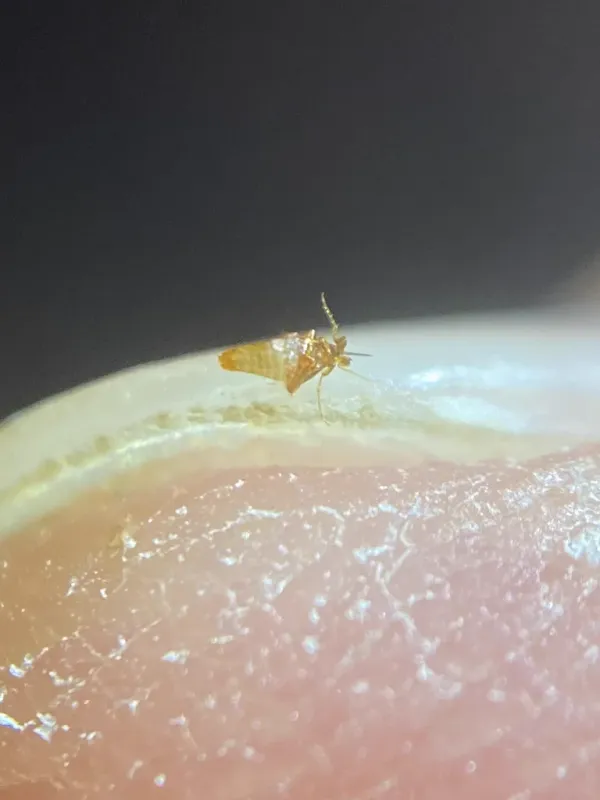
Fleas Identification Guide
Physical Characteristics
Fleas are small, wingless insects that measure 1 to 4 millimeters long. Their bodies are flat from side to side. This shape lets them move easily through pet fur and carpet fibers. Adult fleas are reddish-brown to dark brown. They turn darker after feeding on blood.
Fleas have powerful hind legs built for jumping. A flea can jump up to 7 inches high and 13 inches forward. This makes them one of the best jumpers for their body size in the animal kingdom. Their bodies have backward-pointing bristles and spines. These help them hold onto hosts and move through hair and fur.
Fleas have mouthparts made for piercing skin and sucking blood. They do not have the compound eyes found in many insects. Instead, they have simple eyes that sense light and movement. Their antennae are short and fit into grooves on the sides of their head.
Common Species
-
Cat flea (Ctenocephalides felis): Despite its name, the cat flea is the most common flea found on both cats and dogs in North America. Over 90% of flea problems involve this species.
-
Dog flea (Ctenocephalides canis): This flea looks similar to the cat flea but is less common in the United States. It is found more often in Europe.
-
Human flea (Pulex irritans): This species was once common in homes but is now rare in North America due to better sanitation. It can still be found where pigs and other livestock live.
-
Oriental rat flea (Xenopsylla cheopis): This flea lives on rodents and is known for spreading plague. It is less common in modern homes but can appear where rodent problems exist. Homeowners dealing with Fleas may also encounter Flea, which can appear in similar environments.
Fleas Behavior and Biology
Fleas go through four life stages: egg, larva, pupa, and adult. Knowing this life cycle helps with effective flea control. Each stage needs a different treatment approach.
Female fleas start laying eggs within 24 to 48 hours of their first blood meal. A single female can lay 40 to 50 eggs per day in the host’s fur. These eggs are not sticky and fall off into carpets, bedding, and other spots where pets rest. Within two weeks, one flea can produce hundreds of eggs.
Flea eggs hatch in 2 to 12 days based on temperature and humidity. The larvae are tiny, worm-like creatures about 1.5 to 5 millimeters long. They avoid light and burrow into carpet fibers, floor cracks, and pet bedding. Larvae do not feed on blood. Instead, they eat organic debris and adult flea waste called “flea dirt,” which is dried blood.
After 5 to 20 days of feeding, larvae spin cocoons and enter the pupal stage. This is the toughest stage of the flea life cycle. Pupae can stay dormant for days or several months. They wait for the right conditions to emerge. Heat, vibrations, and carbon dioxide tell them a host is nearby.
Adult fleas come out of their cocoons when they sense a host. They must feed within a few hours to survive. They usually stay on the same host for their entire adult life, which can last several months. The complete flea life cycle takes 21 to 28 days in good conditions. It can stretch to several months in cooler or drier settings.
How We Treat for Fleas
Flea control needs a full approach that targets all life stages. We treat both the pets and their environment. Our treatment combines quick action against adult fleas with long-term prevention.
-
Initial assessment: Our technicians find where the problem is worst. They locate areas where pets spend the most time and find how fleas are getting in. This helps us target treatments better.
-
Indoor treatment: We apply products to carpets, furniture, pet bedding areas, and other spots where fleas hide. We use insect growth regulators that stop flea eggs and larvae from becoming adults. This breaks the breeding cycle.
-
Outdoor treatment: If pets spend time outside, we treat shaded areas, under decks, and along fence lines where fleas live. This stops fleas from coming back inside.
-
Follow-up visits: Flea pupae resist treatment while in their cocoons. Follow-up visits are usually needed 2 to 3 weeks after the first treatment. This kills new adults before they can reproduce.
-
Customer guidance: Homeowners play a key role in flea control. We give you instructions for vacuuming daily, washing pet bedding in hot water, and working with your vet on pet treatments. Treating your pets at the same time as your home is vital for success.
Health Risks from Flea Infestations
Fleas are more than just a nuisance. They can spread diseases and cause health problems for both humans and pets. Learn more about how to get rid of fleas in your house and the differences between fleas and ticks tick.
Flea bites show up as small, red, itchy bumps. They often appear in clusters or lines on the lower legs and ankles. Some people get flea allergy dermatitis. This is an allergic reaction to flea saliva that causes intense itching and skin swelling. Pets, especially cats and dogs, can also get this condition.
Fleas carry the dog tapeworm. When pets or children accidentally swallow an infected flea, they can get tapeworms. This is another reason why flea control matters for your family’s health.
Cat scratch disease comes from a germ that fleas spread between cats. Humans get infected when scratched or bitten by an infected cat. The risk is higher if flea waste is in the wound.
Though rare in the United States, fleas can spread murine typhus and plague. These diseases are more common in areas with many rodents. The oriental rat flea is the primary carrier of plague, while northern rat fleas also play a role in disease transmission.
Medical Disclaimer: This information is for learning purposes only. It is not medical advice. If you have bad reactions to flea bites or think you have a flea-related illness, see a doctor.
References and Further Reading
Types of Fleas
Click on any species below to learn more about identification, behavior, and control methods.
Bat Fleas
Ischnopsyllidae
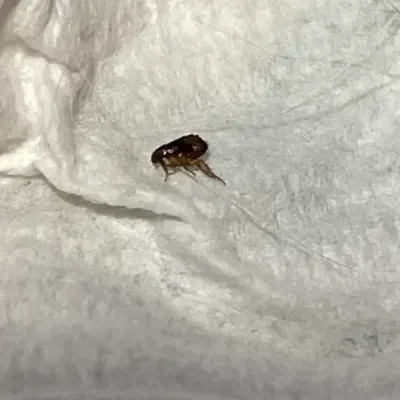
Bat fleas are specialized parasitic insects that live exclusively on bats. They belong to the family Ischnopsyllidae and are rarely found in homes unless bats have roosted in the structure.
View identification guide
Bird Fleas
Ceratophyllidae family
Bird fleas are small parasitic insects that primarily infest wild birds, poultry, and their nests. When birds leave or nests are disturbed, these fleas can enter homes and bite humans in search of a blood meal.
View identification guide
Cat Fleas
Ctenocephalides felis
Cat fleas are the most common flea species in North America, infesting cats, dogs, and occasionally biting humans. Despite their name, they affect multiple host species and are responsible for over 90% of flea infestations in homes.
View identification guide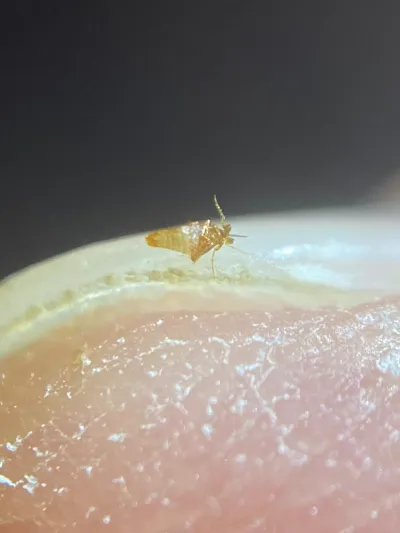
Chigoe Fleas
Tunga penetrans
Chigoe fleas are the smallest known flea species that burrow into the skin of hosts, causing a painful condition called tungiasis. Native to tropical regions, they are occasionally encountered by travelers returning from Central America, South America, the Caribbean, and sub-Saharan Africa.
View identification guide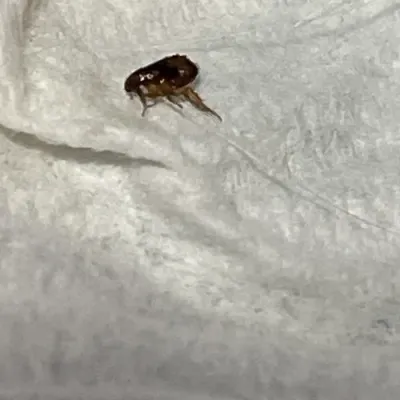
Dog Fleas
Ctenocephalides canis
Dog fleas are small, wingless parasitic insects that primarily infest dogs and other canines. Though less common than cat fleas in North America, they remain an important pest of outdoor and rural dogs.
View identification guide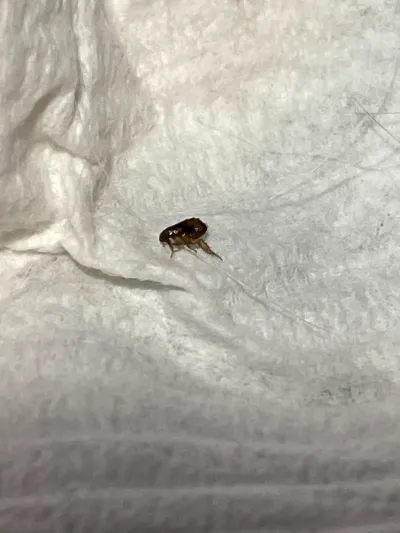
European Chicken Fleas
Ceratophyllus gallinae
European chicken fleas are small, brown parasites that primarily infest poultry and wild birds. Also called hen fleas, they can bite humans and pets when bird populations are nearby or when nests are found in attics and eaves.
View identification guide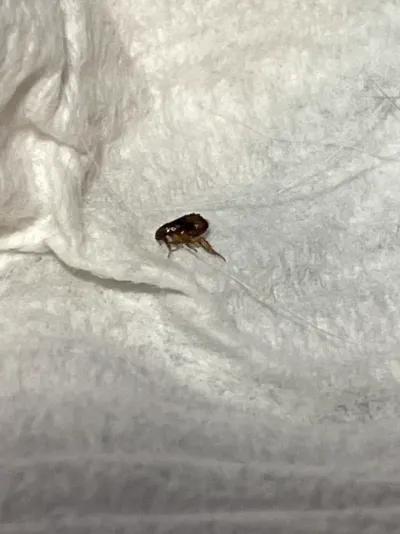
Ground Squirrel Fleas
Oropsylla montana
Ground squirrel fleas are parasitic insects that primarily infest California ground squirrels and other ground-dwelling rodents in western North America. They are medically significant as the primary vector of sylvatic plague in the western United States.
View identification guide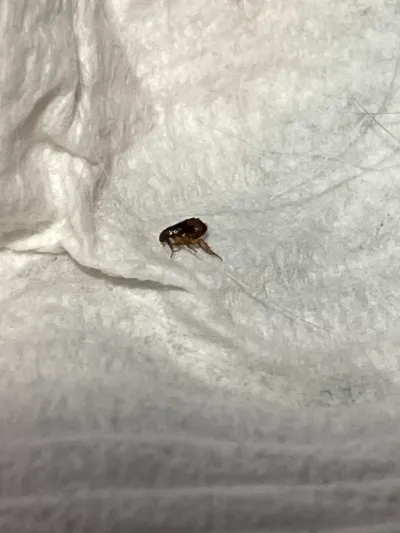
Human Fleas
Pulex irritans
The human flea is a species that once commonly infested human dwellings but is now rare in North America due to improved sanitation. It can still be found in areas with livestock, particularly pigs, and in regions with poor living conditions.
View identification guide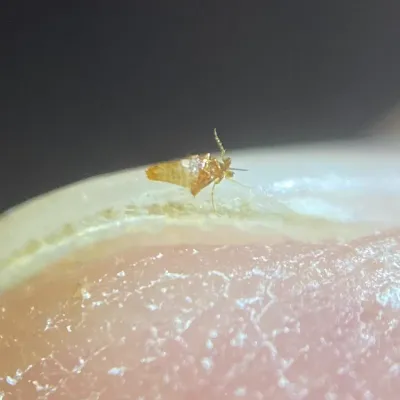
Mouse Fleas
Leptopsylla segnis
Mouse fleas are small parasitic insects that primarily infest house mice and other rodents. Also known as the European mouse flea, they can transmit diseases including murine typhus and tapeworms to humans.
View identification guide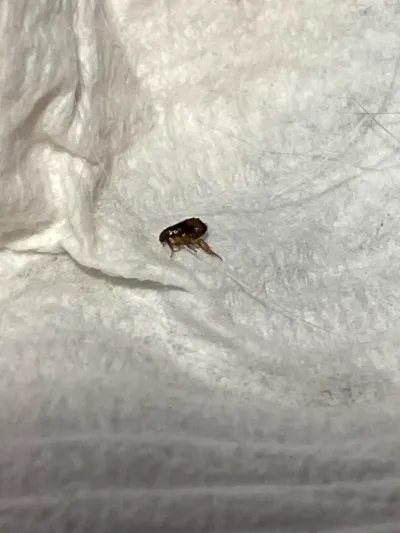
Northern Rat Flea
Nosopsyllus fasciatus
The Northern Rat Flea is a rodent-associated parasitic insect found in temperate climates throughout North America and Europe. While less notorious than its tropical cousin, this flea can transmit diseases including plague and murine typhus.
View identification guide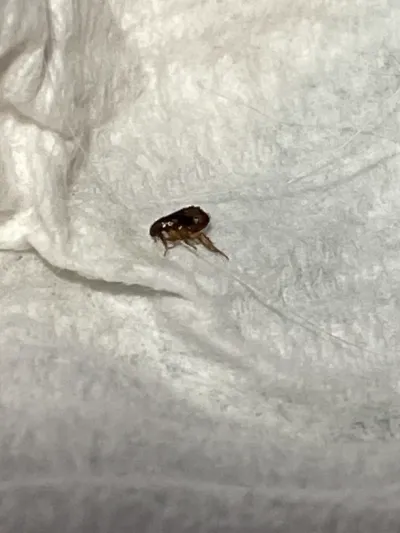
Oriental Rat Flea
Xenopsylla cheopis
The Oriental Rat Flea is one of the most medically significant fleas in history, serving as the primary vector for bubonic plague. This small parasitic insect primarily infests rats but will readily bite humans when rodent hosts are unavailable.
View identification guide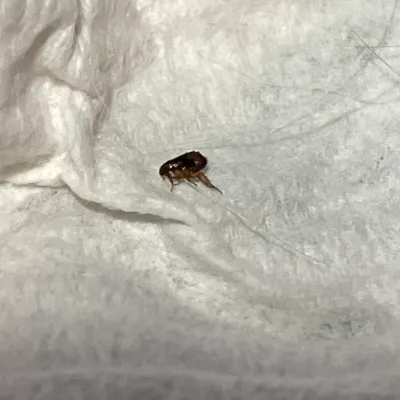
Prairie Dog Fleas
Oropsylla hirsuta
Prairie dog fleas are specialized parasitic insects that primarily infest black-tailed prairie dogs throughout the western Great Plains. They are significant vectors of sylvatic plague, the wildlife form of bubonic plague caused by Yersinia pestis bacteria.
View identification guide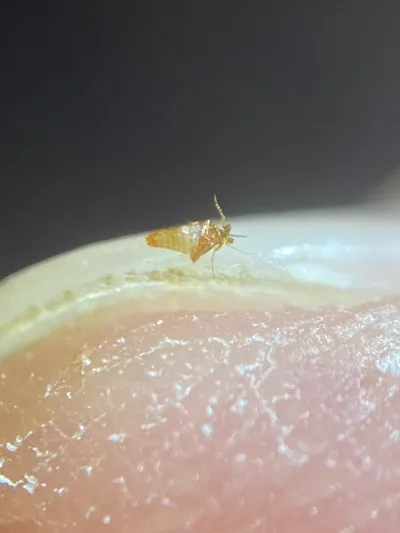
Rabbit Fleas
Spilopsyllus cuniculi
Rabbit fleas are small parasitic insects that primarily infest wild and domestic rabbits. While less common in homes than cat fleas, they can bite humans and pets when rabbit hosts are nearby or when wild rabbits live close to residential areas.
View identification guide Rat Fleas
Xenopsylla cheopis
Rat fleas are parasitic insects that primarily infest rodents and are notorious for their role in transmitting plague and murine typhus. These small, wingless pests can bite humans when rodent hosts are unavailable.
View identification guide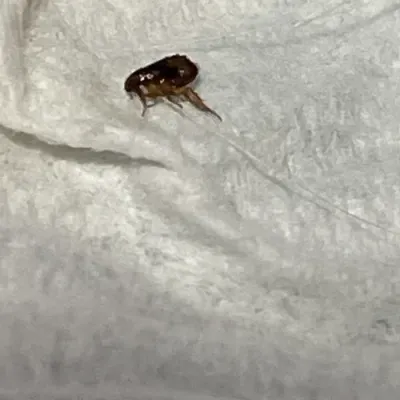
Squirrel Fleas
Orchopeas howardi
Squirrel fleas are parasitic insects that primarily infest grey squirrels, fox squirrels, and flying squirrels. When squirrels nest in attics or nearby trees, these fleas can enter homes and bite humans and pets.
View identification guide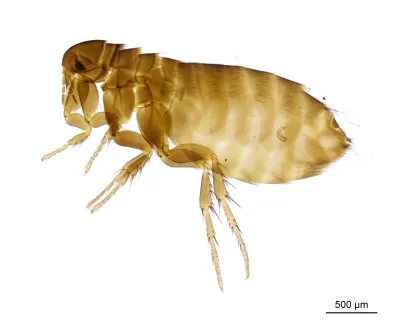
Sticktight Fleas
Echidnophaga gallinacea
Sticktight fleas are small parasitic insects that attach firmly to their hosts and feed for extended periods. Also known as hen fleas, they primarily affect poultry but can infest dogs, cats, and occasionally bite humans.
View identification guide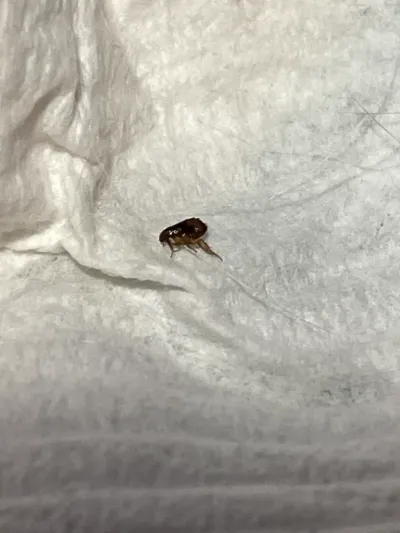
Western Chicken Fleas
Ceratophyllus niger
The western chicken flea is an ectoparasite of birds that primarily infests poultry and wild birds along the Pacific coast of North America. Unlike other fleas, adults spend most of their time in nests and only visit hosts briefly to feed.
View identification guideCommon Questions about Fleas
How do I know if I have fleas in my home?
+
Look for pets scratching a lot, small red bites on your lower legs, and tiny dark specks on pet bedding or carpets. You might also see small jumping insects. To test for flea dirt, put specks on a wet white paper towel. If they turn reddish-brown, you have flea waste.
Can fleas live in homes without pets?
+
Yes, fleas can live in homes without pets. They may come in on used furniture, clothing, or from wildlife near your home. Flea pupae can stay dormant in carpets for months. They hatch when they sense movement or warmth from a host.
How long does it take to get rid of a flea infestation?
+
Getting rid of fleas usually takes 3 to 5 weeks of steady treatment. This takes time because flea pupae resist treatments. You need multiple visits to break the flea life cycle as new adults hatch.
Why do fleas keep coming back after treatment?
+
Fleas seem to come back because pupae hide in cocoons that resist treatments. These dormant pupae can survive for months and hatch when conditions are right. You need to treat all pets, clean your home well, and do follow-up treatments over several weeks.
What diseases can fleas transmit to humans?
+
Fleas can spread murine typhus, plague (rare in the US), and cat scratch disease. They also cause flea allergy dermatitis in humans and pets. Fleas can pass tapeworms to pets and sometimes children.
Do I need to treat my yard for fleas?
+
Outdoor treatment helps if your pets spend time in the yard. Fleas live in shaded, moist areas where pets rest. Treating both inside and outside prevents fleas from coming back in from mulch, decks, or grassy spots.
How does professional flea treatment work?
+
We apply products to carpets, furniture, and pet resting areas. We use insect growth regulators that stop young fleas from becoming adults. This breaks the life cycle and gives longer-lasting results.
Explore Other Pest Categories
Browse our comprehensive pest library for identification guides and control information.



With five years of hands-on experience in the pest control industry, George Schulz is a registered technician with the Virginia Pest Management Association and a proud third-generation professional in a family business that's been protecting homes for over 57 years.
Find Local Flea Control Services
We provide professional fleas control throughout Virginia, Maryland, and the DC Metro area.