Bed Bugs
Cimex lectularius
Bed bugs are small, reddish-brown insects that feed on human blood at night while people sleep. They hide in mattress seams, furniture cracks, and other dark spaces near beds.
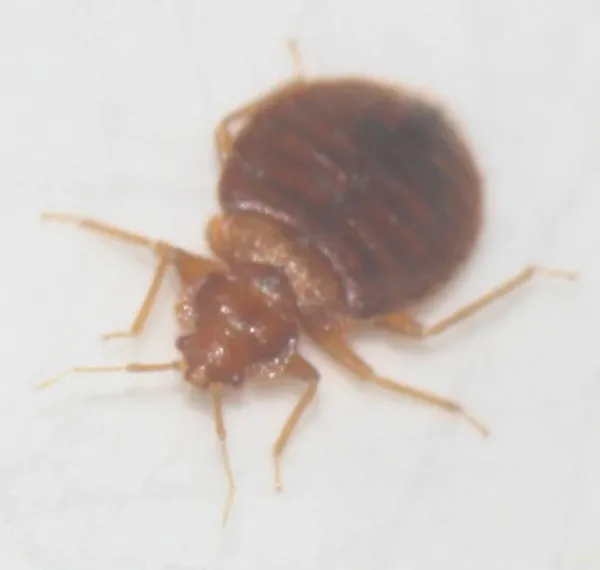
Bed Bug Identification Guide
Physical Characteristics
Bed bugs are small, flat, oval insects about the size of an apple seed. They grow to 4-7mm long. Adults are reddish-brown and become darker after feeding. Their flat bodies let them squeeze into very narrow cracks and crevices. They have six legs and short antennae. While they have small wing pads, they cannot fly.
Young bed bugs (called nymphs) look like smaller, paler versions of adults. They are see-through to yellowish-white. After feeding, the blood shows through their bodies, making them easier to spot. Bed bug eggs are tiny, about 1mm, and pearl-white. You often find them in clusters in hidden spots. For help identifying these pests, see our pictures of bed bugs guide.
Common Species
-
Common Bed Bug (Cimex lectularius): The most widespread species in North America. This species causes most home infestations.
-
Tropical Bed Bug (Cimex hemipterus): Found mainly in tropical and subtropical climates. It looks and acts very similar to the common bed bug.
Bed Bug Behavior and Biology
Bed bugs are nighttime pests that feed only on blood. They find their hosts by sensing body heat and the carbon dioxide people breathe out. They usually feed between 1:00 and 5:00 AM when people are in deep sleep. A single feeding takes 5-10 minutes. After eating, the bed bug crawls back to a nearby hiding spot to digest. Homeowners dealing with Bed Bugs may also encounter Bed Bug, which can appear in similar environments.
Habitat and Hiding Places
During the day, bed bugs hide in protected locations close to their food source. Common hiding spots include:
- Mattress seams, piping, and tags
- Box spring frames and fabric
- Headboards and bed frames
- Cracks in furniture, walls, and floors
- Behind baseboards and electrical outlets
- Inside picture frames and wall hangings
- Luggage and clothing stored near beds
Life Cycle
Female bed bugs lay eggs in hidden spots, usually 5-8 eggs per week. The eggs hatch in 6-10 days. The young bugs start looking for blood right away. Bed bugs go through five growth stages before becoming adults. They must feed at least once at each stage to grow. In good conditions (70-80 degrees F with regular access to hosts), bed bugs go from egg to adult in about 5-6 weeks. Adults can live 10-12 months.
Signs of Infestation
- Rusty or reddish stains on sheets from crushed bed bugs
- Dark spots (digested blood) that bleed into fabric like a marker
- Tiny pale yellow eggs, eggshells, and shed skins
- Live bed bugs in mattress seams and other hiding spots
- A musty, sweet smell in badly infested areas
- Itchy bite marks, often in lines or clusters on exposed skin
Bed bugs are sometimes confused with other pests. Learn the differences in our guides on bed bugs vs. fleas flea and carpet beetles vs. bed bugs. The masked hunter, a type of assassin bug, is a natural predator of bed bugs and may appear indoors where bed bug populations exist.
Treatment Methods for Bed Bugs
Bed bug infestations need professional treatment for complete removal. Related pests like bat bugs and swallow bugs require different treatment approaches, so correct identification is essential. Common bed bugs have become resistant to many common pesticides. This makes store-bought treatments mostly ineffective. Professional pest control companies use several proven methods.
Heat Treatment
Heat treatment raises room temperatures to 135-145 degrees F, which kills all bed bug life stages including eggs. This method can treat a whole room or building in a single day. It reaches bugs hiding in hard-to-reach areas. This approach needs special equipment and trained technicians to make sure all areas get hot enough.
Chemical Treatments
Professional insecticides include desiccants like silica gel that destroy the bugs’ outer coating and cause them to dry out. Neonicotinoid-based products damage the bed bugs’ nervous system. These work well against populations that resist other pesticides. Most infestations need multiple treatments about 2 weeks apart.
Combined Treatment Approach
The best results come from using multiple methods together. This includes thorough inspection, targeted chemical applications, heat treatment, and physical barriers like mattress encasements. Reducing clutter, sealing cracks, and washing infested items in hot water (at least 120 degrees F) help support professional treatments.
Prevention Tips
- Inspect hotel rooms and accommodations before unpacking
- Keep luggage on hard surfaces away from beds
- Examine secondhand furniture before bringing it home
- Use protective mattress and box spring encasements
- Reduce clutter where bed bugs can hide
- Vacuum frequently and dispose of vacuum contents in sealed bags
- Act quickly at the first sign of bed bugs to prevent spread
References
Types of Bed Bugs
Click on any species below to learn more about identification, behavior, and control methods.
Bat Bugs
Cimex adjunctus / Cimex pilosellus
Bat bugs are blood-feeding parasites closely related to bed bugs that primarily feed on bats but can bite humans when their preferred hosts are absent.
View identification guide
Chimney Swift Bugs
Cimexopsis nyctalis
Chimney swift bugs are blood-feeding parasites in the bed bug family that primarily live in chimney swift nests. When their bird hosts migrate or are excluded, these pests may enter homes seeking alternate blood meals.
View identification guide
Eastern Bat Bug
Cimex adjunctus
The Eastern bat bug is a blood-feeding parasite closely related to bed bugs that primarily feeds on bats in eastern North America. When bats leave or are removed from buildings, these bugs may bite humans in search of an alternative blood meal.
View identification guide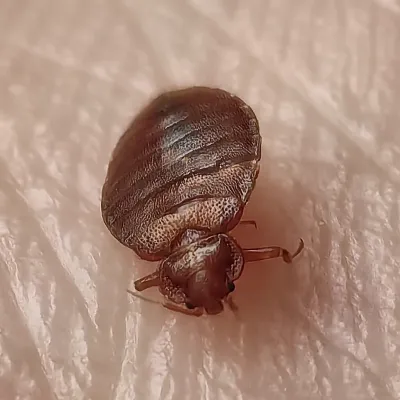
Swallow Bugs
Oeciacus vicarius
Swallow bugs are blood-feeding parasites closely related to bed bugs that primarily infest cliff swallow and barn swallow nests. When their bird hosts migrate, these pests may enter homes seeking alternate blood meals.
View identification guide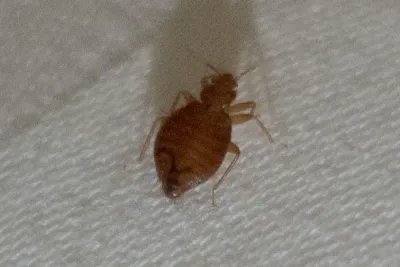
Tropical Bed Bugs
Cimex hemipterus
Tropical bed bugs are blood-feeding insects closely related to the common bed bug. They thrive in warm, humid climates and are increasingly found in subtropical and tropical regions of North America, particularly Florida and along the Gulf Coast.
View identification guideCommon Questions about Bed Bugs
How do I know if I have bed bugs?
+
Look for small rust-colored stains on sheets from crushed bugs or their droppings. You may also notice tiny pale yellow eggs, shed skins, or the bugs hiding in mattress seams and furniture cracks. Bites often show up in lines or clusters on skin that was exposed while sleeping.
Where do bed bugs come from?
+
Bed bugs travel on luggage, clothing, used furniture, and personal items. They spread through hotels, apartments, buses, and anywhere people gather. Having bed bugs does not mean your home is dirty.
Can bed bugs spread disease?
+
Bed bugs are not known to spread disease to people. The main health worry is the itchy skin reaction from their bites. Scratching bites too much can lead to skin infections.
How long can bed bugs survive without feeding?
+
Adult bed bugs can live several months to over a year without eating if conditions are cool. This makes them hard to get rid of just by leaving a space empty.
Do bed bugs only live in beds?
+
No. While they like to stay close to where people sleep, bed bugs also hide in furniture, behind baseboards, in outlets, picture frames, and wall cracks. They usually stay within about 8 feet of where people sleep.
Can I get rid of bed bugs myself?
+
Getting rid of bed bugs on your own is very hard and often does not work. These pests resist many store-bought sprays. You usually need professional treatment like heat treatment or special chemicals to fully remove them.
How quickly do bed bugs multiply?
+
One female bed bug can lay 5-8 eggs per week and 200-500 eggs in her lifetime. Eggs hatch in about 6-10 days. Young bed bugs can become adults that reproduce in as little as 5-6 weeks if conditions are right.
Explore Other Pest Categories
Browse our comprehensive pest library for identification guides and control information.



With five years of hands-on experience in the pest control industry, George Schulz is a registered technician with the Virginia Pest Management Association and a proud third-generation professional in a family business that's been protecting homes for over 57 years.
Find Local Bed Bug Control Services
We provide professional bed bugs control throughout Virginia, Maryland, and the DC Metro area.