Southern Fire Ants Identification Guide
Solenopsis xyloni
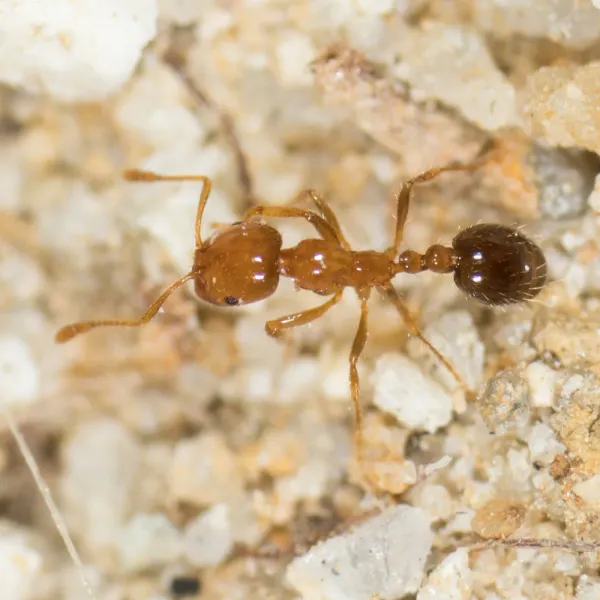
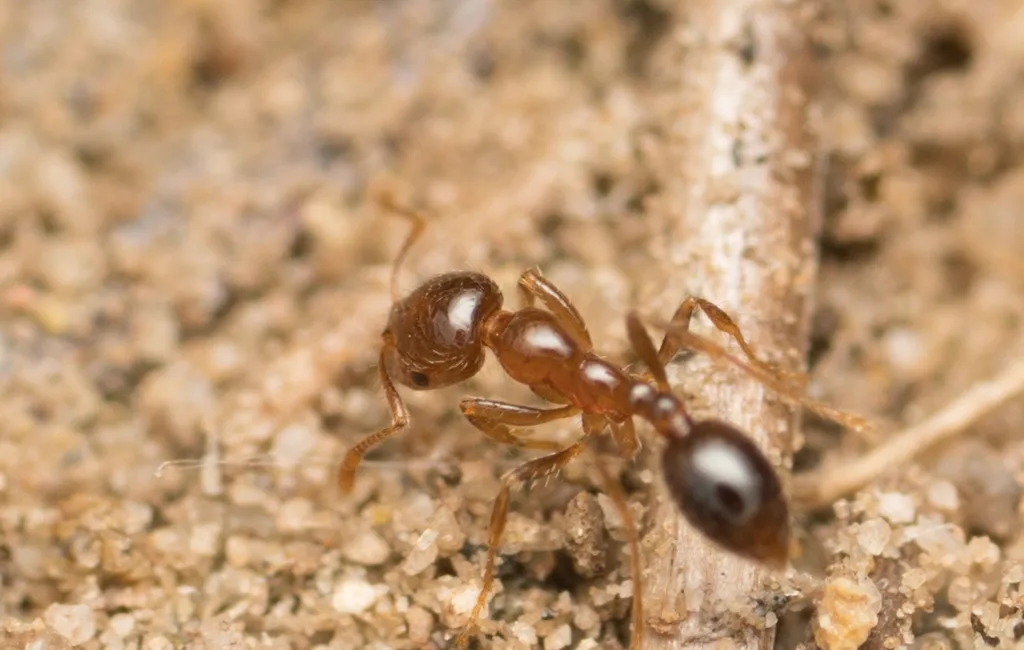
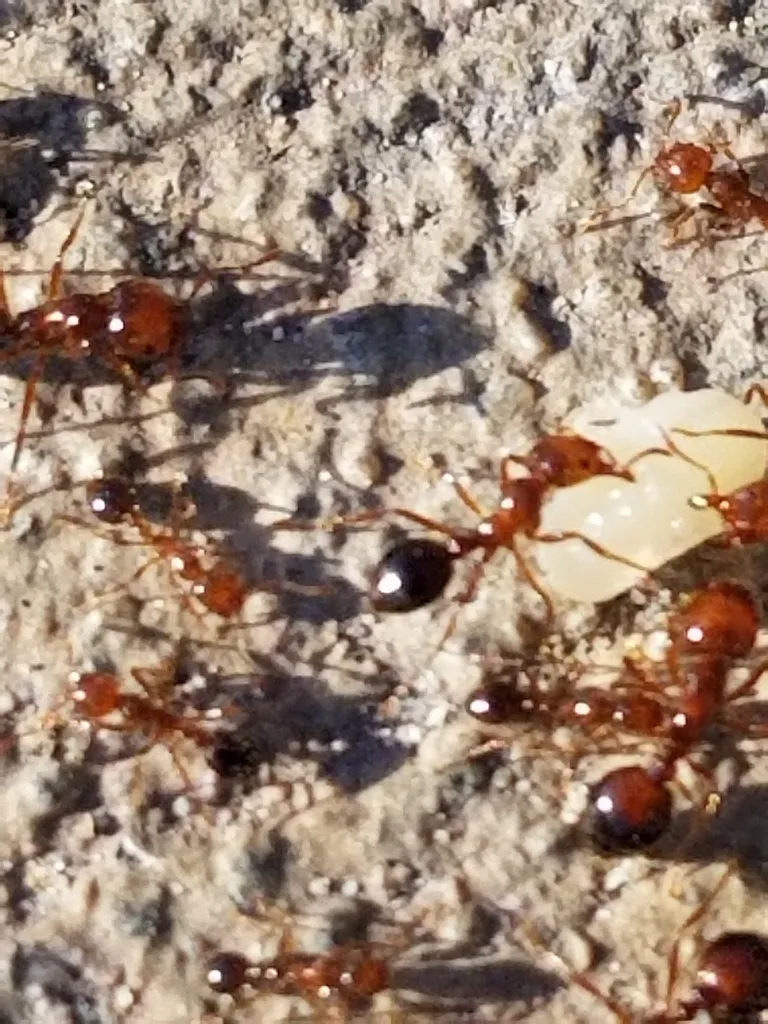
Southern fire ants are native stinging ants of the southern United States and northern Mexico. Workers have an amber to reddish head and thorax with a dark abdomen, and they nest in loose, irregular soil craters in lawns, gardens, and yards.
Taxonomy
Southern Fire Ants Coloration
Common color patterns to help identify southern fire ants
Southern Fire Ants
Seasonal Activity
When southern fire ants are most active throughout the year

Where Southern Fire Ants Are Found
Hover over states to see their names. Green regions indicate where southern fire ants have been reported.
Southern Fire Ant Identification Guide
The southern fire ant (Solenopsis xyloni) is a native stinging ant of the southern United States and northern Mexico. It is a close relative of the invasive red imported fire ant (Solenopsis invicta). The two act alike. But they are separate species. They look different, build different nests, and live in different places.
Southern fire ants once lived across the whole southern tier of the country, from the Carolinas to California. Then red imported fire ants spread through the Southeast. They pushed out much of the native species. Today, southern fire ants are most common in Texas, the desert Southwest, and California. They are not known to be established in Virginia, Maryland, or Washington, DC.
Physical Characteristics
Southern fire ant workers come in several sizes in the same colony. Workers are about 1/8 to 1/4 inch (roughly 2.5 to 6 mm) long.
Key features to look for:
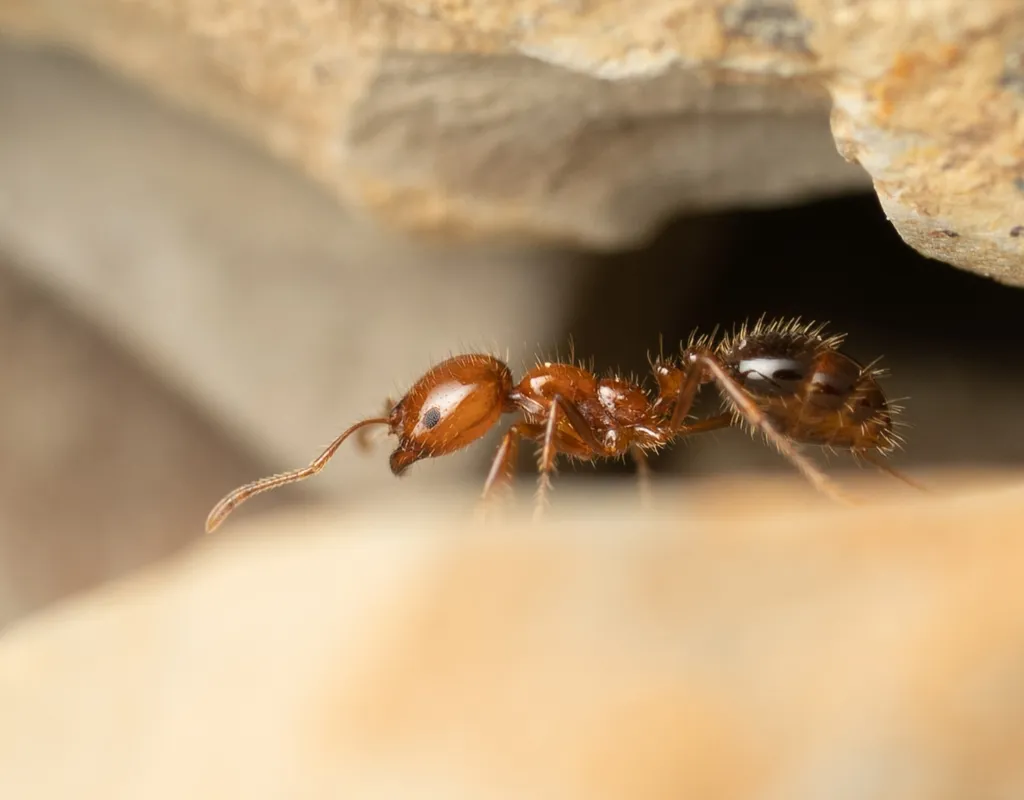
- Two-toned color: Amber to yellowish-red head and thorax with a dark brown to black abdomen. Some populations, especially in California deserts, are reddish-orange all over.
- Golden hairs covering the body, easy to see in good light
- Two-node waist between the thorax and abdomen
- 10-segmented antennae ending in a two-segment club
- Two clypeal teeth: The front edge of the head has two small teeth. The red imported fire ant has three. You will need a hand lens or microscope to see this.
- Modest head size: Even the largest workers do not have the oversized, square heads seen in the tropical fire ant (Solenopsis geminata).
Winged queens and males appear before mating flights. Queens are larger than workers and dark brown.
Common Species
Several fire ants and look-alikes share parts of the southern fire ant’s range:
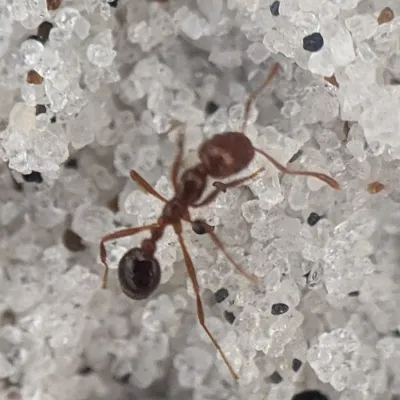
- Red imported fire ant (Solenopsis invicta): An invasive species with a more uniform reddish-brown color, three clypeal teeth, and tall domed mounds. It is the fire ant most people in the Southeast encounter.
- Black imported fire ant (Solenopsis richteri): Dark brown to black all over. Limited to parts of Mississippi, Alabama, and Tennessee.
- Tropical fire ant (Solenopsis geminata): A native fire ant of the Gulf Coast and Florida. Its large workers have very big, square heads. It can hybridize with the southern fire ant.
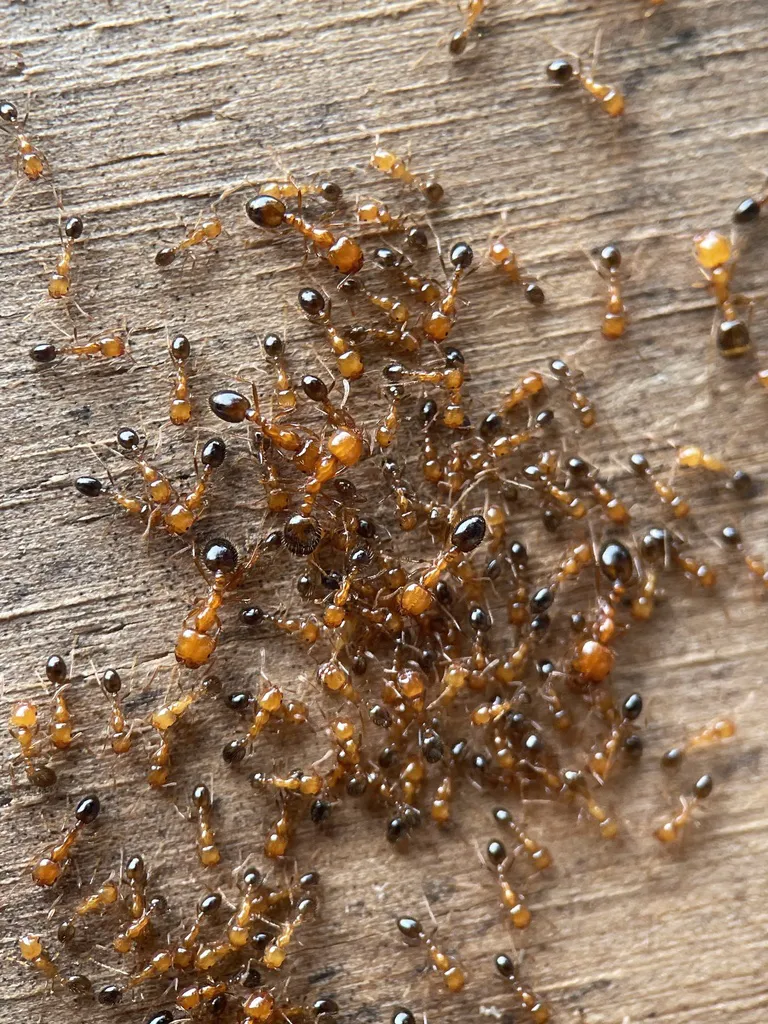
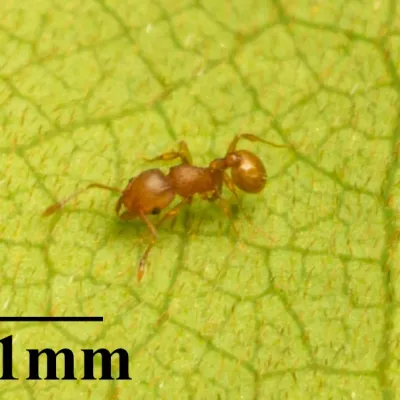
- Little fire ant (Wasmannia auropunctata): Much smaller (about 1.5 mm) and golden in color, with no visible mound.
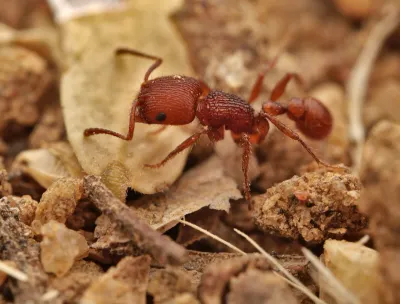
- Harvester ants (Pogonomyrmex species): Also red, seed-collecting, and stinging in the Southwest, but larger (about 1/4 to 1/2 inch) with all workers about the same size. Their nests are wide cleared discs.
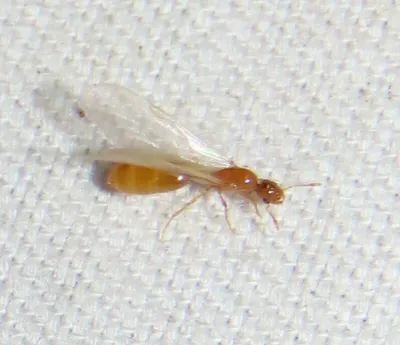
- Thief ants (Solenopsis molesta): A tiny yellowish relative, about 1.5 mm long, that does not sting in a noticeable way.
Southern Fire Ant Behavior and Biology
Habitat
Southern fire ants prefer warm, open, sunny ground. Common nest sites include:
- Lawns, gardens, and landscape beds
- The base of tree trunks and shrubs
- Under rocks, boards, and pavers
- Cracks along sidewalks, driveways, and foundations
Their nests are small, low mounds with flat, irregular craters of loose soil. This is a key difference from the tall, dome-shaped mounds of red imported fire ants. In dry areas, nests may be hard to spot until the ants swarm out.
Diet
Southern fire ants eat a wide range of foods:
- Live and dead insects and other small animals
- Seeds, which they gather and store in the nest
- Honeydew from aphids, scale insects, and mealybugs
- Protein and sweet foods around homes, such as pet food and crumbs
They guard aphids and scale insects to keep the honeydew coming. This protects those pests from their natural enemies. In yards and citrus groves, aphid and scale problems can get worse. Workers may also chew on flowers, new twig growth, and the bark of young trees.
Life Cycle
Like other ants, southern fire ants go through four stages: egg, larva, pupa, and adult. Eggs and larvae are white. Larvae go through four stages, and only the last stage can eat solid food. Pupae start white with dark eye spots and darken with age.
New colonies start mostly from mating flights. Winged queens and males fly out on warm days, often after rain. After mating, a queen sheds her wings, digs a small chamber, and raises her first workers. The colony then grows over the following months.
Stinging Behavior
Southern fire ants defend their nests quickly. When a nest is disturbed, many workers rush out and sting. The sting burns and may leave an itchy bump or small blister. It is usually reported as less painful than a red imported fire ant sting.
People with insect sting allergies can still have serious reactions. Seek medical care right away for hives, swelling of the face or throat, dizziness, or trouble breathing.
This information is for education only and is not medical advice.
Treatment Methods for Southern Fire Ants
Southern fire ants respond to many of the same methods used for other fire ants. University of Florida IFAS Extension advises using more than one method for fire ants.
- Confirm the species first: Many ants look alike. A correct ID matters, since baits and timing work differently for different ants.
- Baits: Fire ant baits are carried back to the nest and shared with the queen and young. They work best when ants are actively foraging, soil is dry, and no rain is expected for a day or two. Fresh bait works better than old, stale bait.
- Individual nest treatments: Drenches or granular products applied directly to a nest can knock down a colony faster. They work well as a follow-up to baiting for nests that are still active.
- Two-step approach: In yards with many nests, a broadcast bait followed by spot treatment of remaining nests often gives the best results.
- Protect plants: Controlling aphids and scale reduces the honeydew that draws ants onto trees and shrubs. Sticky tree bands can keep foraging ants off young trees.
- Prevention indoors: Store pet food in sealed containers, clean up crumbs and grease, and seal gaps around doors, windows, and utility lines.
Always read and follow the product label, and keep children and pets away from treated areas as directed.
If you live in the Mid-Atlantic and are finding stinging ants in your yard, they are unlikely to be southern fire ants. Other species, such as the European fire ant or pavement ants, are more common there. Our ant control service can help identify and manage the ants found around Northern Virginia, Maryland, and DC homes.
References
- University of California - Ants Pest Notes: Southern fire ant description, nesting, and food preferences
- University of California - Red Imported Fire Ant: Comparison of red imported and native southern fire ants
- USDA/idtools Citrus Pests - Southern Fire Ant: Identification, distribution, and plant damage
- Journal of Economic Entomology - Guidelines to Improve Identification of Solenopsis xyloni and Solenopsis invicta: Morphological differences between the two species
- University of Florida IFAS Extension - Managing Imported Fire Ants: Fire ant bait and mound treatment strategies
- CDC/NIOSH - Fire Ants: Health guidance on fire ant stings
Other Ants
Explore other species in the ants family
Commonly Confused With
Southern Fire Ants are often mistaken for these similar pests
Where Southern Fire Ants Are Found
Hover over states to see their names. Green regions indicate where southern fire ants have been reported.
Common Questions about Southern Fire Ants
How can I tell southern fire ants from red imported fire ants?
+
Southern fire ants usually look two-toned, with an amber or reddish head and thorax and a dark brown to black abdomen. Red imported fire ants are a more even reddish-brown. Under magnification, the red imported fire ant has three small teeth on the front edge of its head (the clypeus), while the southern fire ant has only two. Their nests also differ: red imported fire ants build tall domed mounds, while southern fire ants make low, loose, irregular craters.
Are southern fire ants found in Virginia or Maryland?
+
No established populations of southern fire ants are known in Virginia, Maryland, or Washington, DC. The species ranges from the Carolinas and Georgia west across the Gulf states and Texas to Arizona, Nevada, and California. Stinging ants in the Mid-Atlantic are more likely to be another species, so a close look or an expert ID is worth getting.
Do southern fire ant stings hurt?
+
Yes. The sting causes a burning pain and can leave a small, itchy bump or blister. Reports suggest it is usually less painful than a red imported fire ant sting. People who are allergic to insect stings can still have serious reactions, so seek medical care right away for swelling of the face or throat, hives, or trouble breathing.
Are southern fire ants native?
+
Yes. Unlike the red and black imported fire ants, which came from South America, the southern fire ant is native to the southern United States and northern Mexico. In much of the Southeast, the invasive red imported fire ant has pushed it out, but it is still common in parts of Texas and the desert Southwest, and it is one of the most common stinging ants in California.
What does a southern fire ant nest look like?
+
Southern fire ants build small, flat, irregular craters of loose soil rather than tall domes. Nests are often at the base of trees and plants, under rocks or boards, or in cracks along sidewalks and driveways. When disturbed, many workers rush out quickly to defend the nest.
Do southern fire ants damage plants?
+
They can. Southern fire ants collect and store seeds, and they may chew on the bark of young trees, new twig growth, flowers, and developing fruit. They also protect honeydew-producing insects like aphids and scale, which can make those plant pests worse. In farm and orchard settings they have been known to clog drip irrigation lines.
Do southern fire ants come indoors?
+
They sometimes forage inside homes, especially in hot, dry weather. Workers are drawn to protein and sweet foods, so pet food, crumbs, and grease can attract them. Sealing gaps, cleaning up food, and treating outdoor nests all help keep them out.

With five years of hands-on experience in the pest control industry, George Schulz is a registered technician with the Virginia Pest Management Association and a proud third-generation professional in a family business that's been protecting homes for over 58 years. He manages and trains a team of service pros while also leading internal research efforts—recently spearheading a deep-dive review of thousands of documents on pest control materials to hand-pick the most kid and pet friendly, most effective solutions tailored specifically for homes in the DC metro area.
Local Ants Help
Dealing with ants at home? Our licensed technicians provide ant control across Northern Virginia and Maryland.
