
The fastest way to get rid of gnats is to find and remove where they are breeding, not just swat the ones flying around. Kill the adults and you feel better for a day. Remove the wet soil, the drain film, or the rotting fruit they hatch from, and the whole swarm disappears in a couple of weeks.
I’ve worked as a licensed technician here at Better Termite & Pest Control since 2015, third generation in our family business. In my experience, almost every “gnat” call comes down to one of three insects with three different hiding spots. Once you know which one you have, the fix is straightforward. This guide walks you through it.
What Gnats Actually Are
The first thing to know is that “gnat” is not one specific bug. It’s an umbrella word people use for lots of tiny flying insects. So getting rid of gnats doesn’t have one single answer. It depends on the type.
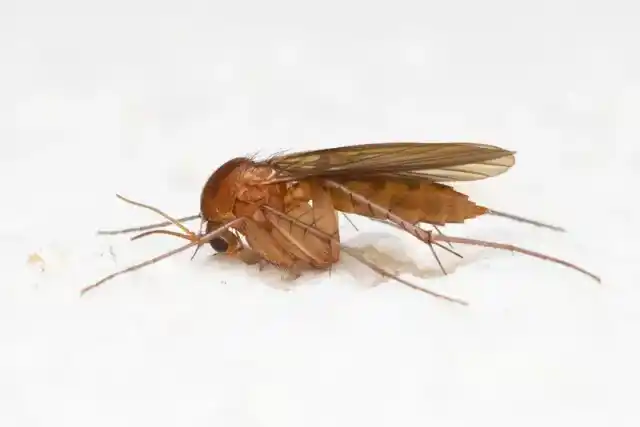
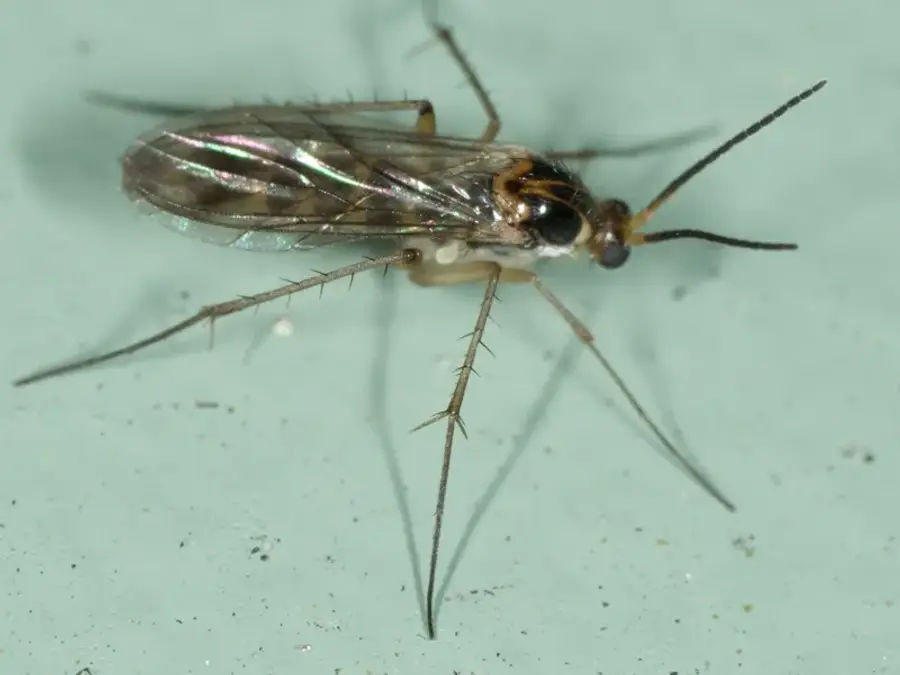
Indoors in the DMV, the three you’ll almost always be dealing with are fungus gnats, drain flies (also called moth flies), and fruit flies. They look similar at a glance, but they breed in completely different places. That’s the key. Kill the adults all you want, but if the breeding site is still there, more will hatch tomorrow.
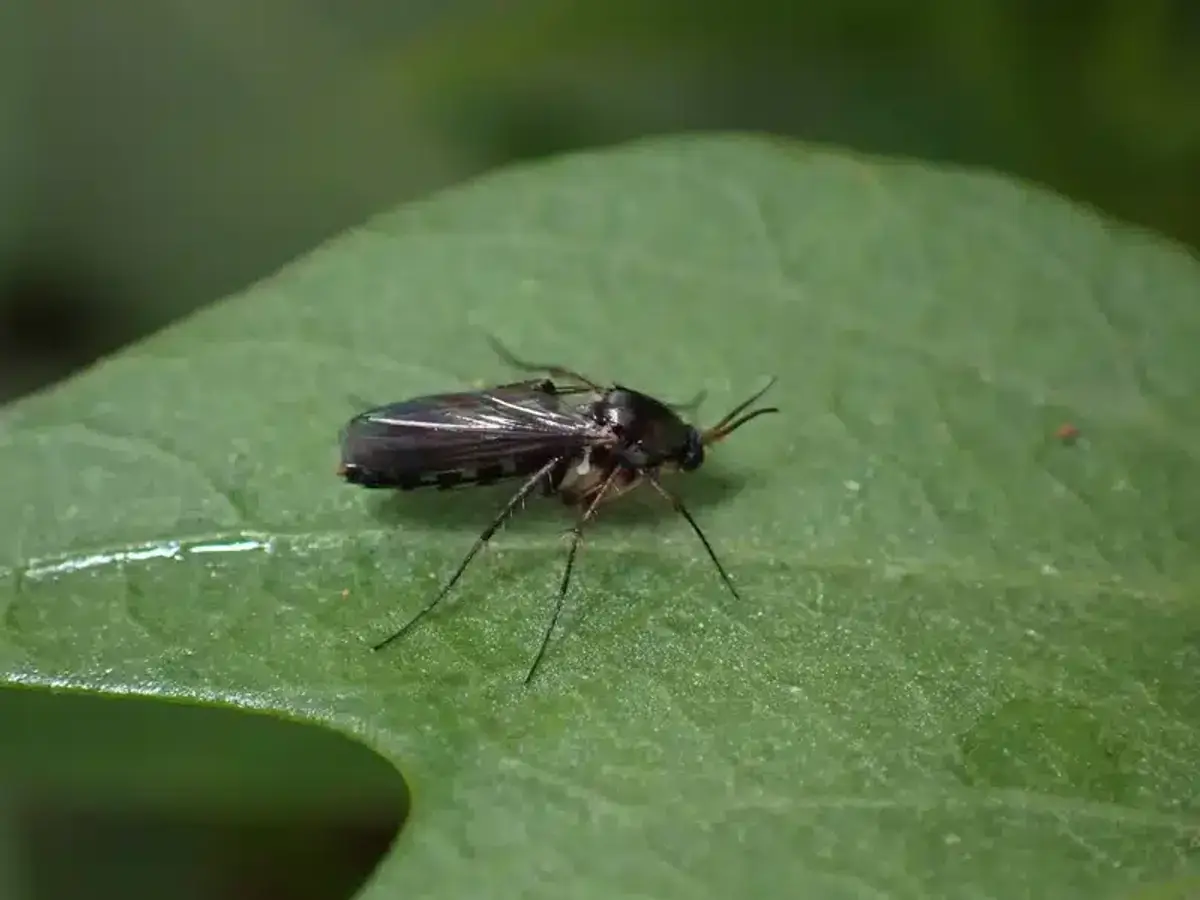
The good news is that none of the common indoor gnats are a health threat. According to Colorado State University Extension, fungus gnat adults do not bite and are harmless. The same goes for drain flies. The gnats that actually bite are outdoor biting midges, the tiny “no-see-ums,” which are a whole different group and not what’s circling your kitchen.
How to Identify Which Gnat You Have
The quickest way to identify your gnat is to notice where it hangs out. That tells you more than trying to study a bug the size of a pinhead.
- Near houseplants and potting soil? Fungus gnats. They’re delicate, dark, and mosquito-like, about 1/8 inch long, and they’re weak fliers that hover low around the soil. Virginia Tech Cooperative Extension describes them as slender, grayish to black gnats around 3 mm long.
- Near a sink, tub, or shower drain? Drain flies. They’re fuzzy and moth-like, with hairy wings that give them a soft, furry look. They tend to sit still on walls near the drain and only flutter short distances.
- Near fruit, the trash, or the recycling? Fruit flies. They’re tan to brownish and often have bright red eyes. They swarm ripe or rotting produce and fermenting liquids.
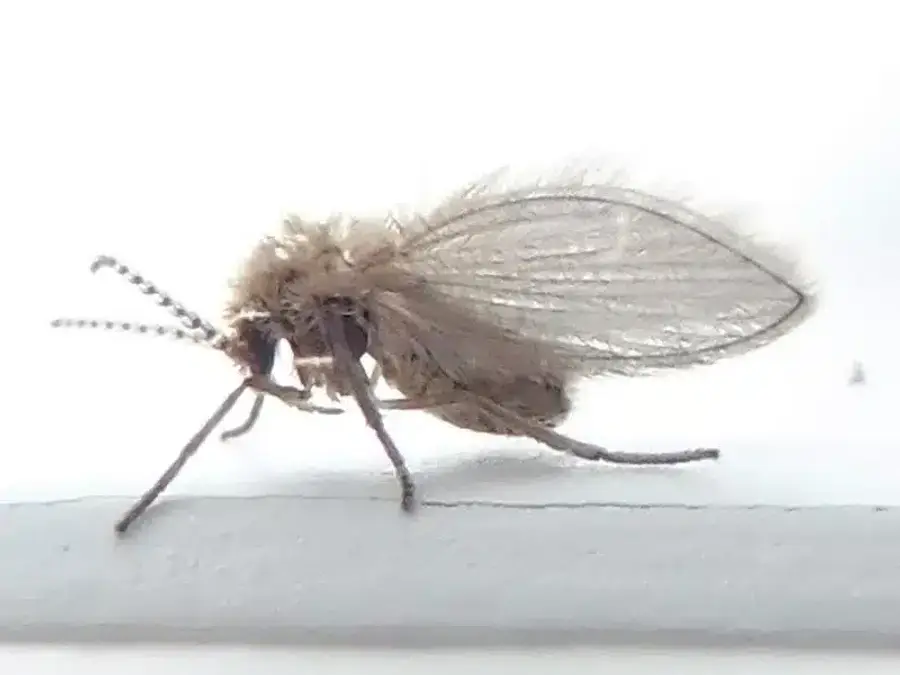
| Fungus Gnats | Drain Flies | Fruit Flies | |
|---|---|---|---|
| Where you’ll see them | Houseplant soil | Sink/shower drains | Fruit, trash |
| Look | Dark, mosquito-like | Fuzzy, moth-like | Tan, red eyes |
| Size | About 1/8 inch | About 1/8 inch | About 1/8 inch |
| Breeds in | Moist potting soil | Drain film | Rotting produce |
If you want to go deeper on telling these three apart, we have full comparison guides on drain flies vs gnats and gnats vs fruit flies. For this guide, once you know which one you have, jump to the matching section below.
How to Get Rid of Fungus Gnats
Fungus gnats live and breed in damp potting soil. The larvae feed on fungus that grows in wet dirt, so the real cure is simple: dry out the soil. Do that and you starve the next generation.
Stop overwatering. Let the top 1 to 2 inches of soil dry out between waterings, without letting the plant wilt. University of California pest experts recommend exactly this, plus good drainage, because larvae can’t survive in dry soil. This one change solves most fungus gnat problems on its own.
Set yellow sticky traps flat at the base of your plants to catch the egg-laying adults. This lowers the population and lets you see whether you’re winning. Just know traps are a monitoring aid, not a standalone fix. They don’t touch the larvae in the soil.
For a stubborn infestation, drench the soil with a product containing Bacillus thuringiensis subsp. israelensis (Bti), a naturally occurring soil bacterium sold in common “mosquito bits” form. It kills the larvae but not eggs or adults, and it doesn’t linger, so you’ll need to repeat it about every 5 days until the cycle breaks.
Mix more perlite or sand into the potting mix to improve drainage, and repot if the old medium has broken down and stays soggy. Water less in fall and winter when plants drink less. Dry, well-drained soil is what keeps them from coming back.
The order matters here. Drying the soil starves the larvae, the sticky traps and Bti clean up what’s already growing, and the drainage fix keeps it from starting over. Give it time, though, because the eggs already in the soil still need to run their course.
If you’ve dried out the soil and the gnats still won’t quit after a few weeks, the moisture may be coming from somewhere else in the room. That’s worth a closer look.
How to Get Rid of Drain Flies
Drain flies breed in the slimy organic film that builds up inside a drain. Not the water, the gunk. That film coating the pipe walls is where the larvae live and feed. So the fix is mechanical: scrub that film out.
First, find the culprit drain. Cover the suspect drain opening with clear tape, sticky side down, and leave it overnight. If drain flies are breeding there, you’ll find them stuck to the tape by morning. Check every sink, tub, and floor drain this way.
Physically clean the drain with a stiff brush or a drain snake to strip off the gelatinous film on the pipe walls. This is the actual fix. Virginia Tech notes that pouring bleach or boiling water down the drain may kill a few surface larvae but won’t penetrate the organic material, so it only gives short-term relief.
After scrubbing, use an enzyme or bacterial drain cleaner to digest any remaining scum and keep buildup from returning. Penn State Extension points out these products break down the gelatinous drain film that the larvae depend on. Repeat regularly on drains that clog easily.
If flies keep appearing after you’ve cleaned every reachable drain, the breeding site is probably hidden, like a cracked pipe under a slab, a condensate line, or moisture trapped somewhere you can’t see. That’s the point to bring in a professional.
A lot of people reach for a chemical first because it feels faster. With drain flies, that usually backfires. The film protects the larvae, so scrubbing is the step that counts.
Sometimes even a thorough cleaning doesn’t end it, and that points to a breeding site you can’t easily reach. One job from our own team shows exactly how tricky that can get.
One of our registered technicians, Daren, still talks about a drain fly house that stumped everyone for a long time. Every obvious source got checked and cleaned, and the flies kept coming. In the back of his mind he kept noticing the home had double-pane windows, and he suspected moisture had gotten inside them.
He turned out to be right. After the family started renovating and pulled the old windows, there was a solid line of drain fly larvae breeding in the moisture trapped inside the frames. That was the source the whole time. It’s a good reminder that when a gnat problem won’t quit, the breeding site is usually somewhere you haven’t thought to look.
How to Get Rid of Fruit Flies
Fruit flies breed on ripe, rotting, and fermenting food. The fix is mostly sanitation. Get rid of what they’re feeding on and they lose their nursery.
- Remove the source. Toss or refrigerate overripe fruit and vegetables. Take out the trash and recycling, and rinse out cans and bottles that held anything sweet or fermented.
- Wipe down hidden spots. Check under the fruit bowl, the bottom of the trash can, and around the recycling bin for sticky residue.
- Trap the stragglers. A jar with about an inch of apple cider vinegar and a drop of dish soap, covered with plastic wrap poked with a few holes, catches the remaining adults. University of Maryland Extension recommends this exact trap but stresses that sanitation is the primary control. Traps reduce the count; they don’t fix the cause.
Fruit flies are a big enough topic for their own guide, and we’re publishing a dedicated one. For now, the short version is this: clean up the food source first, then trap what’s left.
Do Gnat Traps Actually Work?
This is the question I get most, so let me be direct. Traps work, but only for what they’re designed to do: catch adult flyers. The apple cider vinegar trap, the yellow sticky card, the store-bought gnat trap, all of them lower the number of adults buzzing around.
What no trap does is kill the eggs and larvae sitting in the soil, the drain, or the fruit. That’s the breeding factory. If you only trap adults, the factory keeps producing, and you’ll be emptying traps forever.
So use traps as a helper while you go after the real target. Dry out the potting soil. Scrub the drain. Clear out the produce. The trap cleans up the survivors; the source removal ends the infestation.
University extension programs give the same advice across fungus gnats, drain flies, and fruit flies: sanitation and source removal come first, and sprays come last. Pesticides are treated as only a temporary step, used after you’ve cleaned up the breeding site. Sticky traps are called a monitoring tool, not a cure. The takeaway is simple. Find the source, remove it, and reach for products only when you truly need them.
How to Prevent Gnats
Prevention comes down to two levers: moisture and sanitation. Nearly every indoor gnat needs a damp or organic breeding site, so take those away and you take away the gnats.
- Don’t overwater plants: Let the top of the soil dry between waterings and use pots with good drainage.
- Keep drains clean: Scrub sink and shower drains periodically and use an enzyme cleaner to prevent film buildup.
- Manage food waste: Refrigerate ripe produce, empty the trash often, and rinse recycling.
- Fix moisture problems: Repair leaks, dry out damp basements and crawl spaces, and clear standing water.
- Use fresh potting mix: Start plants in clean, well-draining soil rather than old, broken-down medium.
These habits are the same ones that keep a whole range of moisture-loving pests out. If you’re fighting other tiny invaders too, our guide on how to get rid of springtails covers the moisture control angle in more detail.
When to Call a Professional
Most gnat problems are a do-it-yourself job once you find the source. But there’s a clear line where it makes sense to call for help: you’ve cleaned the obvious sources and the gnats keep coming back.
When that happens, the breeding site is almost always hidden, like moisture inside a wall or window frame, an old plumbing line under the house, or a drain you can’t reach. Chasing that down takes inspection and experience. As Daren’s window story shows, sometimes the source is somewhere you’d never think to check.
At Better Termite & Pest Control, our family has served the DMV for 58 years with a team of licensed technicians. We treat pests using an integrated approach: find and eliminate the source first, then use products only where they’re needed. We’ve also removed 9 of the harshest chemicals from our programs, using products we’d feel comfortable with in our own homes.
If your gnats won’t quit, we can help. Our general pest control service covers nuisance flies like these, and you can learn more about our eco-friendly approach to treatment. Call us at 703-683-2000 or email info@bettertermite.com for identification and a treatment plan built for your home.