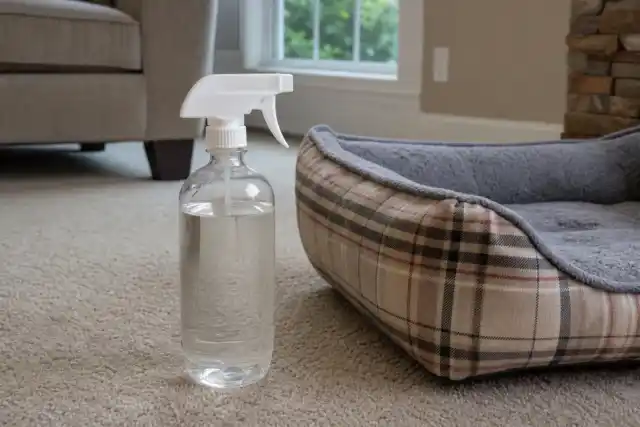

No, vinegar does not kill fleas. Not white vinegar, and not apple cider vinegar. A veterinarian writing for PetMD says it directly: apple cider vinegar doesn’t kill fleas, and any repelling effect likely comes from the smell. At best, a vinegar spray drowns the few fleas you soak. It doesn’t touch the eggs, larvae, and cocoons that make up most of a flea problem.
Homeowners ask me about vinegar a lot, usually right after they’ve tried it. I understand why. It’s cheap, it’s already under the sink, and it feels gentle around kids and pets. But fleas are a numbers game. Below, I’ll explain what vinegar actually does to a flea, why the myth sticks around, and what clears fleas out of a house for good.
The Short Answer: Vinegar Doesn’t Kill Fleas
Vinegar is mostly water. According to the National Pesticide Information Center, household vinegar generally contains only 4-6% acetic acid. That’s enough to clean a window. It isn’t enough to kill bugs.
Also, vinegar isn’t sold as a flea product. Flea products that work go through EPA review. Their labels list fleas. Vinegar’s label never does.
White Vinegar vs. Apple Cider Vinegar
People search for both, so here’s how they compare. The short version is that neither one kills fleas.
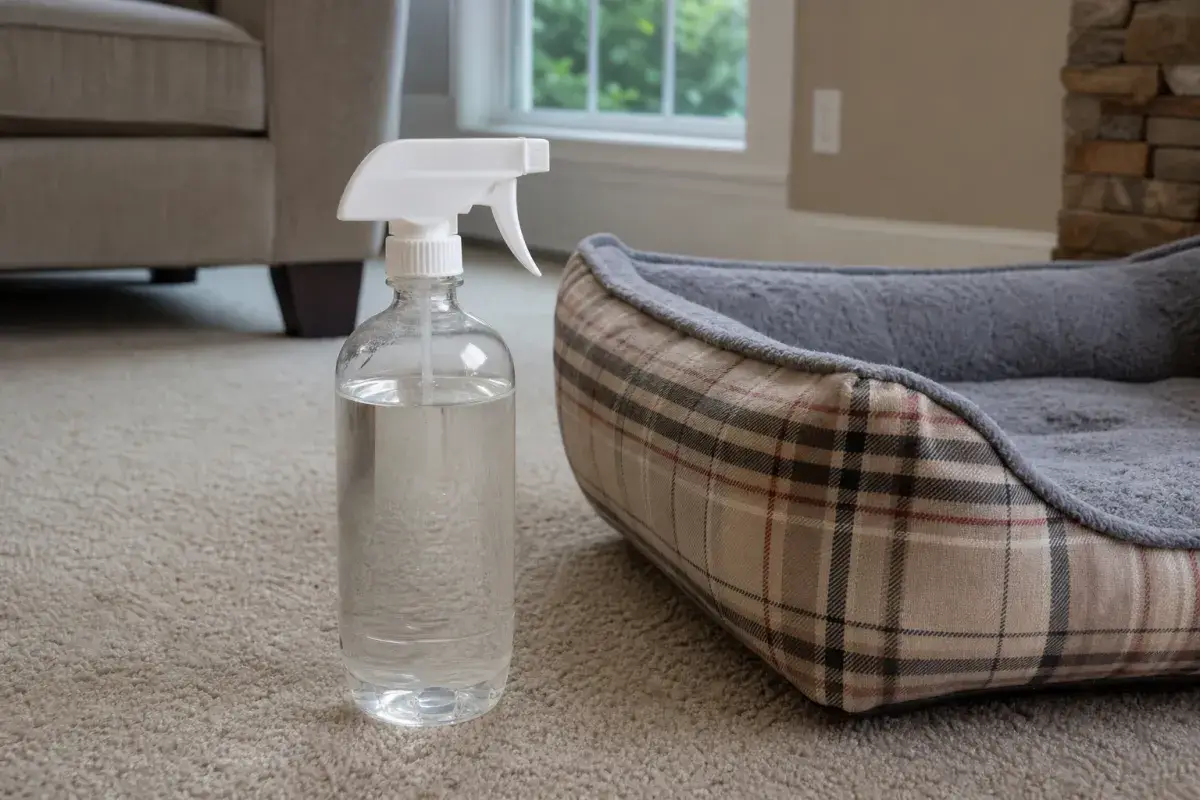
Does white vinegar kill fleas? No. White vinegar has the same weak acid as other kitchen vinegars. It’s the one most people spray on carpets and furniture. It may drown a flea you soak directly, but it leaves the eggs, larvae, and cocoons alone. It also leaves a strong smell and can soak into carpet padding.
Does apple cider vinegar kill fleas? No. Apple cider vinegar (ACV) is the version people usually put on pets, either as a spray or in the water bowl. PetMD’s veterinarian notes that ACV’s risks outweigh its benefits, so it isn’t recommended as a flea repellent. It can irritate skin, and pets that lick it off can get an upset stomach.
Why People Think Vinegar Works
There are three reasons the vinegar trick seems to help. None of them is the vinegar killing fleas.
First, liquid drowns fleas. Soak any small insect in a spray and it may die. That’s the water, not the acid. Dish soap makes it work better. Soap helps fleas sink. University of Florida entomologists describe a simple soapy water flea trap: a shallow dish of soapy water under a light. Adult fleas are drawn to it at night and drown. No vinegar needed.
Second, the smell may push fleas away for a while. Fleas can move off a spot that reeks of vinegar. However, the smell fades within hours. Meanwhile, the fleas simply wait nearby or hop back onto your pet.
Third, cleaning does the real work. Most vinegar routines end with “then vacuum” or “wash the bedding.” Those steps really do kill fleas. In a study from Ohio State University entomologists, vacuuming killed an average of 96% of adult cat fleas and all of the larvae and pupae tested. So if you sprayed and then vacuumed, thank the vacuum.
I could not find a single published study that tests vinegar or apple cider vinegar against fleas. The flea control research that does exist looks at vet medications, growth regulators, and cleaning.
The closest research is on acetic acid, the active part of vinegar, as a bug repellent. In a 2018 study in Insects, acetic acid only repelled lesser mealworm beetles at the highest concentration tested. That dose was many times stronger than kitchen vinegar, and the insect wasn’t a flea.
The National Pesticide Information Center’s flea page also advises against home remedies. Most haven’t been shown to control fleas in homes.
Where Fleas Actually Hide
To see why a vinegar spray falls short, it helps to know where the fleas are. The adults on your pet are just the part you can see. A female flea lays her eggs in your pet’s fur, but they aren’t glued down.
According to University of Kentucky entomology, those eggs soon fall off into carpet, under furniture cushions, and wherever your pet rests. The larvae that hatch stay hidden beneath carpet fibers. Then they spin cocoons, which protect them from sprays and dusts.
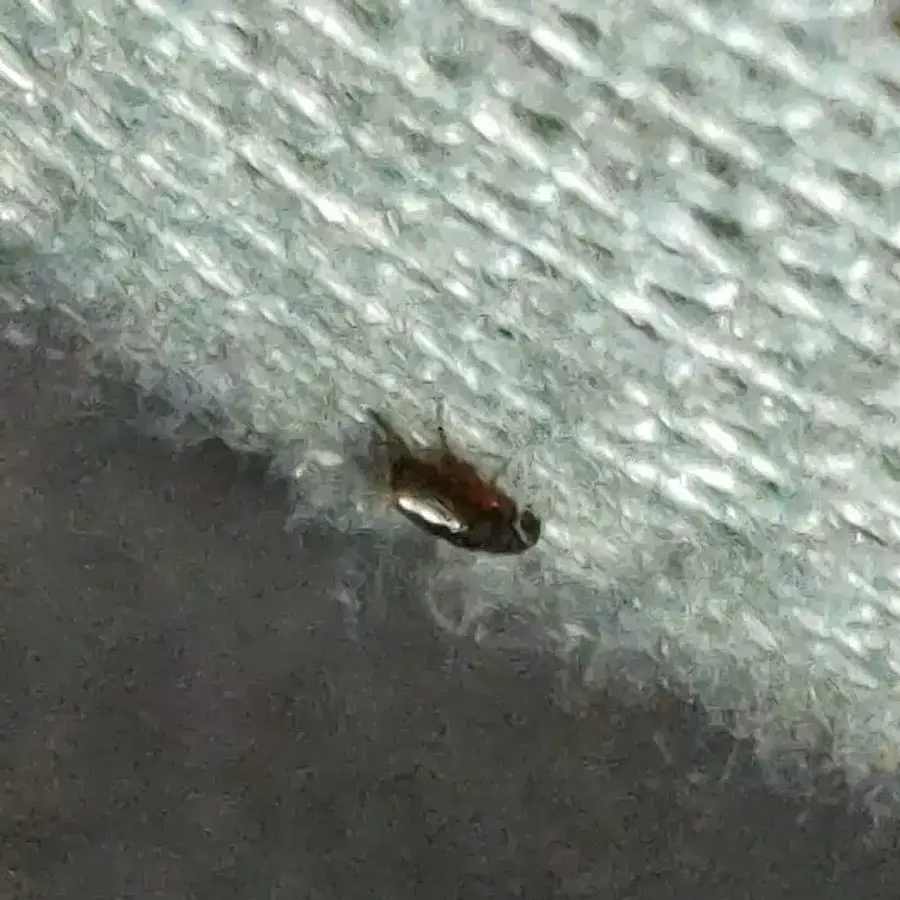
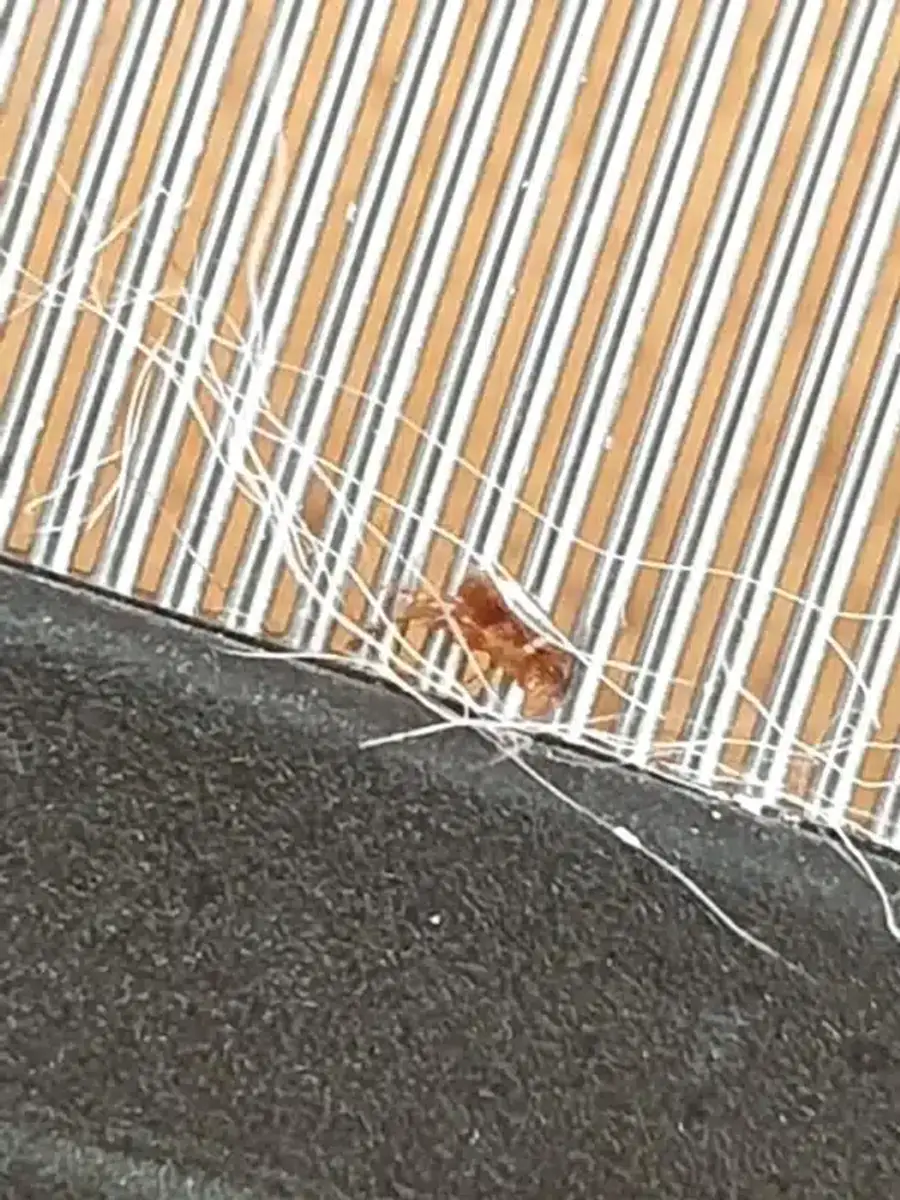
The cocoon stage is why fleas seem to come back after every home remedy. Texas A&M AgriLife’s flea control guide says an adult flea can stay in its cocoon for up to 5 months. When a pet or person walks by, it can come out within seconds. A spray that fades in an afternoon can’t keep up with that.
Most indoor flea problems in Northern Virginia and Maryland homes are cat fleas, which feed on both cats and dogs. Virginia Tech’s entomologists note that flea numbers climb slowly in spring and explode in mid-to-late summer. Our humid summers suit them well.
Is Vinegar Harmful to Pets?
In small amounts on a surface, vinegar is low risk. The problem is putting it on or in your pet.
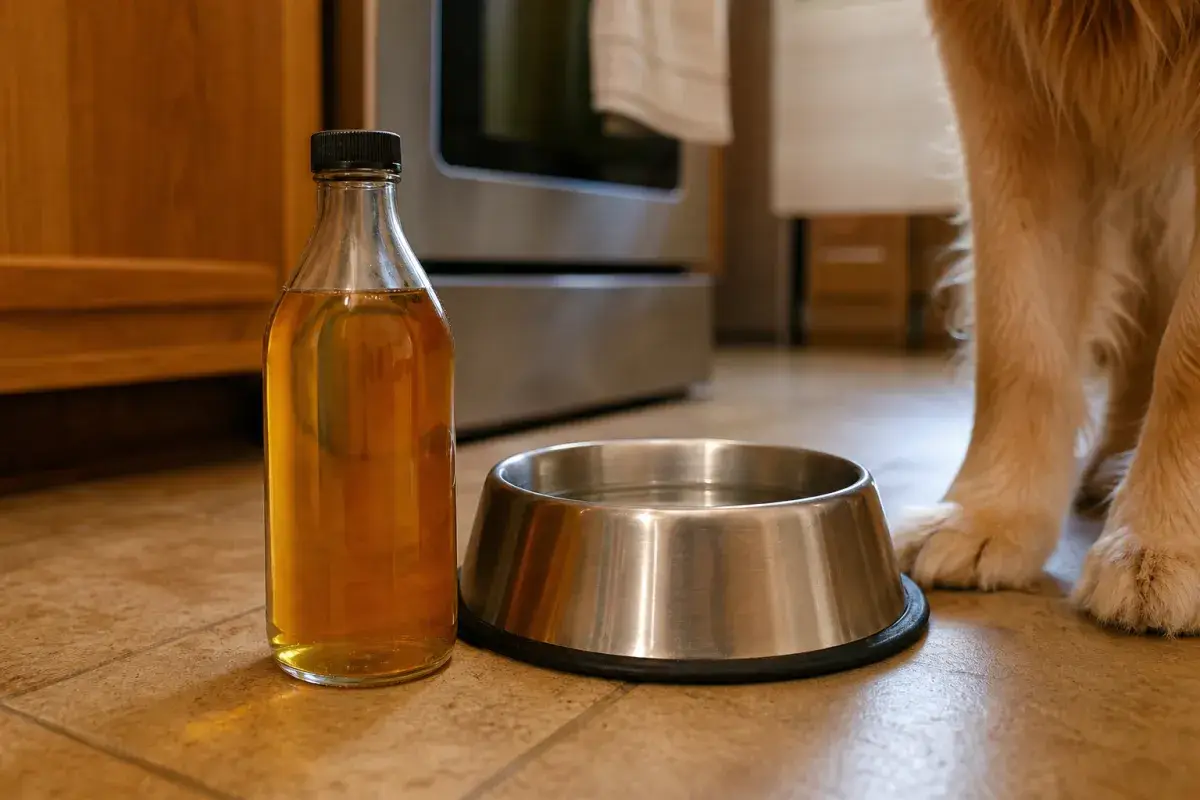
According to the PetMD veterinarian above, apple cider vinegar on the skin can cause real irritation. Pets then lick it and swallow it. Given by mouth, it commonly causes vomiting, diarrhea, drooling, and a poor appetite. It should never go in your pet’s ears.
Vinegar can also hurt your home. The National Wood Flooring Association warns that its acidity can damage wood floors and finishes over time. On marble or limestone, it can dull or etch the surface. So spraying it along baseboards and floors can cost you more than it saves.
Does Vinegar Kill Flea Eggs or Larvae?
No. There’s no evidence vinegar stops flea eggs from hatching or kills larvae in carpet. Eggs are tiny and sit at the base of carpet fibers. Larvae burrow down there, too. A spray either misses them or soaks the carpet pad. That leaves the damp spot larvae like best.
This is the core reason vinegar fails as a flea fix. You might knock back a few adults, but the next wave is already growing underneath.
If that’s where you are, it’s time to switch tactics. A spray bottle won’t catch up with a flea problem that’s already in the carpet.
What Works Better Than Vinegar
Here’s how vinegar stacks up against methods that have real support behind them.
| Method | Kills Fleas? | What It Reaches | Best Use |
|---|---|---|---|
| White or apple cider vinegar | No proven effect | Only fleas it soaks | Cleaning, not flea control |
| Vacuuming | Yes, most adults, larvae, and pupae it picks up | Carpet, rugs, furniture | Daily for 2+ weeks |
| Soap and water | Yes, by drowning | Fleas on the comb or in a trap | Flea combing and night traps |
| Hot wash and dry | Yes | Bedding, blankets, pet beds | Weekly during a flea problem |
| Vet-recommended pet treatment | Yes | Fleas on your pet | Ongoing, as your vet directs |
| Insect growth regulator (IGR) | Stops eggs and larvae from maturing | Carpets, cracks, and crevices | Professional or labeled home use |
Texas A&M’s guide also notes that soap acts as a gentle insecticide on light infestations. When you comb your pet, dip the flea comb in soapy water to kill the fleas you pull off. Again, plain soapy water does the job without vinegar.
For step-by-step carpet methods, see our guides on how to kill fleas in carpet and how to get fleas out of carpet. For a whole-home plan, including the yard, read how to get rid of fleas in your house.
- Vinegar: cleans and deodorizes, doesn’t kill fleas, can irritate pets and damage some floors
- Vacuuming: kills most of the fleas it picks up, and it’s free
- Pet treatment: stops your pet from reseeding the house with eggs
- Bedding: hot wash and high-heat dry kills fleas hiding in fabric
- Growth regulator: stops the next generation before it bites
What About Other Home Remedies?
Vinegar isn’t the only pantry fix people try. We’ve looked at two others in detail. Baking soda doesn’t kill fleas either, and its “success” also comes from the vacuuming afterward. Diatomaceous earth does kill some fleas, mainly larvae in dry carpet, but it’s slow and it misses eggs and cocoons. Of the three, diatomaceous earth is the only one with real flea-killing activity.
When to Call a Professional
Fleas are one of the pests our licensed technicians treat across Northern Virginia and Maryland. A professional flea treatment focuses on the places fleas develop: carpets, pet resting areas, furniture edges, and baseboards. It usually pairs a product that kills adult fleas with an insect growth regulator. All the products we use are EPA approved, having passed through our internal research team. Each one is something we’d feel comfortable using in our own homes.
However, a home treatment only works if your pets are treated at the same time. The CDC’s flea prevention guidance says a good plan covers both the pet and its surroundings, with vet-recommended flea control for pets.
It’s time to call a pro if:
- You’ve vacuumed daily and treated your pets for three weeks and still see fleas.
- You’re getting bitten, especially around your ankles.
- You moved into a home where the last owners had pets.
- Fleas are showing up in more than one room.
You can learn more about how we handle fleas on our flea control service page.
The Bottom Line on Vinegar for Fleas
Vinegar doesn’t kill fleas. White and apple cider vinegar are too weak to kill bugs. They also don’t reach the eggs, larvae, and cocoons in your carpet. Any fleas that die from a spray drown in the liquid. Meanwhile, putting ACV on or in your pet can cause skin irritation and stomach upset. The steps that actually work take a couple of weeks: vacuum daily, wash bedding hot, treat every pet with a vet-recommended product, and use a growth regulator on carpets if fleas hang on.
Better Termite & Pest Control has served the DC metro area for 58 years, with more than 1,800 reviews from our customers. If fleas keep coming back, call us at 703-683-2000 or email info@bettertermite.com for an estimate. We’re happy to answer questions, even if you just want to know whether your DIY plan is on track.