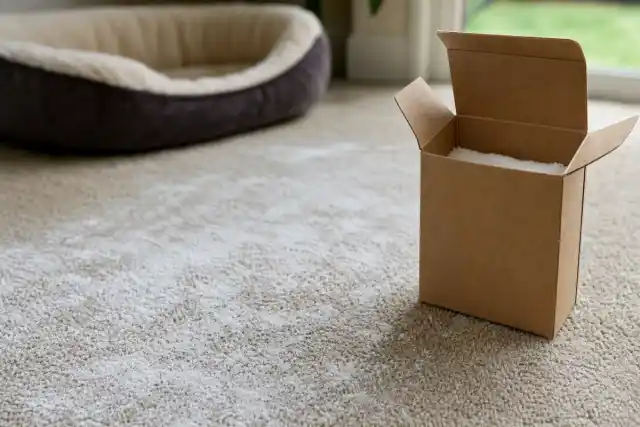

No, baking soda does not kill fleas. There’s no research showing it kills adult fleas, flea eggs, or flea larvae. A vet-reviewed guide from PetMD states plainly that baking soda won’t kill adult fleas and won’t protect your pet. When the “sprinkle and vacuum” trick seems to work, the vacuum is doing the job, not the powder.
I’ve been in pest control since 2015, and I get why people try it. Baking soda is cheap. It’s already in the pantry. And it feels gentle around pets and kids. But fleas are a numbers game, and a pantry powder doesn’t touch the part of the problem you can’t see. Below, I’ll explain why the myth sticks, what to do if you already sprinkled it, and what actually clears fleas out of a home.
The Short Answer: Baking Soda Does Not Kill Fleas
Baking soda is sodium bicarbonate. It’s a mild, slightly alkaline powder that’s great at soaking up odors. However, it isn’t an insecticide, and it has no proven way of killing fleas.
The usual claim online is that baking soda “dehydrates” fleas. That idea comes from real flea dusts like diatomaceous earth and silica gel. Those dusts scratch or soak up the waxy coat on an insect’s body. Baking soda is soft, so it doesn’t work that way. As a result, fleas walk right through it.
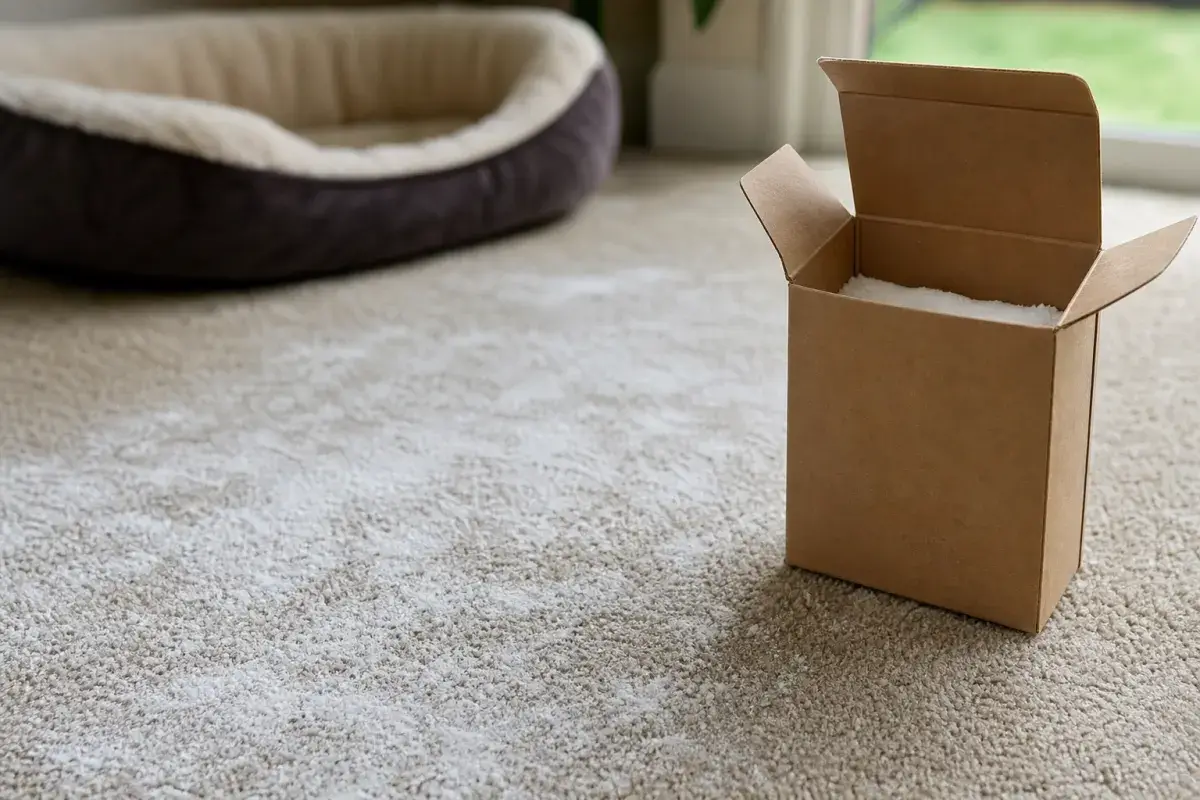
Why the Baking Soda Flea Myth Won’t Die
The baking soda method almost always ends with “then vacuum thoroughly.” That last step is the reason people think it worked.
Vacuuming is a surprisingly strong flea killer. In a study from Ohio State University entomologists, vacuuming killed an average of 96% of adult cat fleas and 100% of the pupae and larvae tested. The researchers think the brushes and strong airflow rub off the flea’s waxy outer layer. Then it dries out and dies.
So if you sprinkle baking soda, scrub it in, and vacuum, you’ll probably catch fewer fleas afterward. Basically, you’d get the same result, or close to it, by skipping the baking soda and vacuuming alone.
There are no published studies testing baking soda against fleas in real homes. The flea research that does exist points to cleaning and pet treatment as the core of control.
- Vacuuming physically kills fleas at every life stage after the egg, based on the Ohio State work above.
- Vacuuming also wakes up adult fleas waiting inside their cocoons. Pressure and vibration trigger them to hatch, so they get picked up on the next pass.
- Baking soda is sold as a food and cleaning product. It isn’t labeled or sold as a flea control product.
Where Fleas Actually Hide in Your Home
To see why baking soda falls short, it helps to know where the fleas are. According to the same PetMD guide, adult fleas make up only about 5% of a home’s flea population. Eggs make up about 50%, larvae about 35%, and pupae (cocoons) about 10%.
In other words, most of the problem isn’t hopping around. It’s buried at the base of carpet fibers, in pet beds, under couch cushions, and along baseboards.
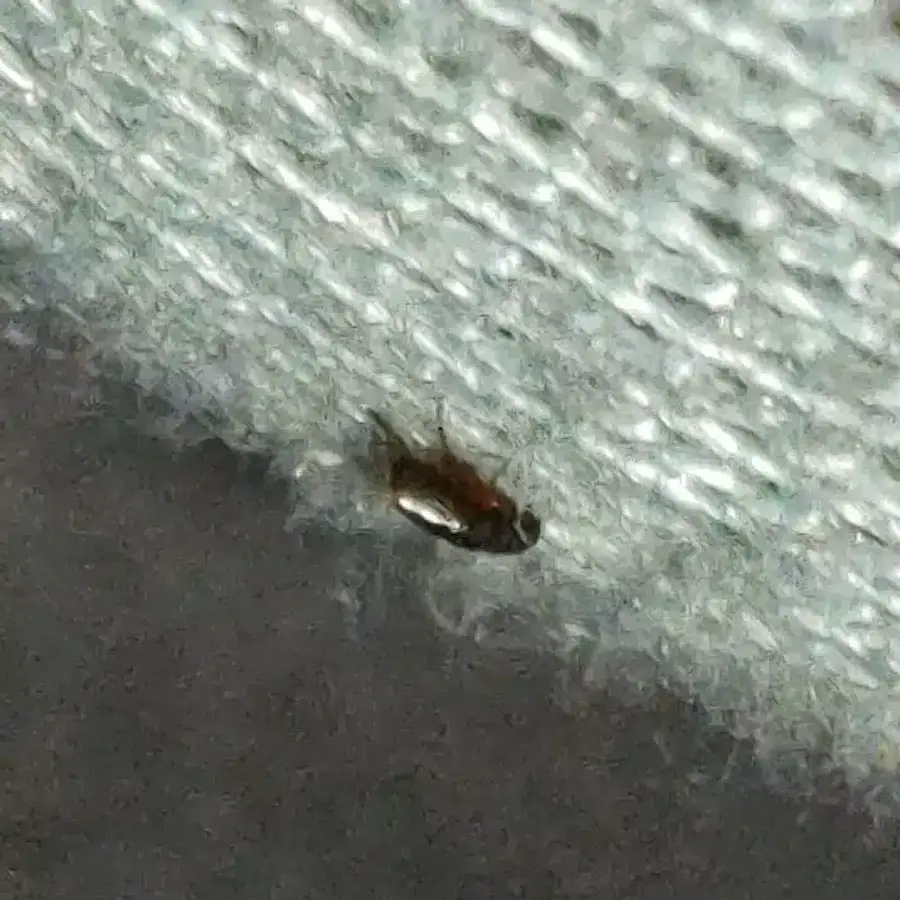
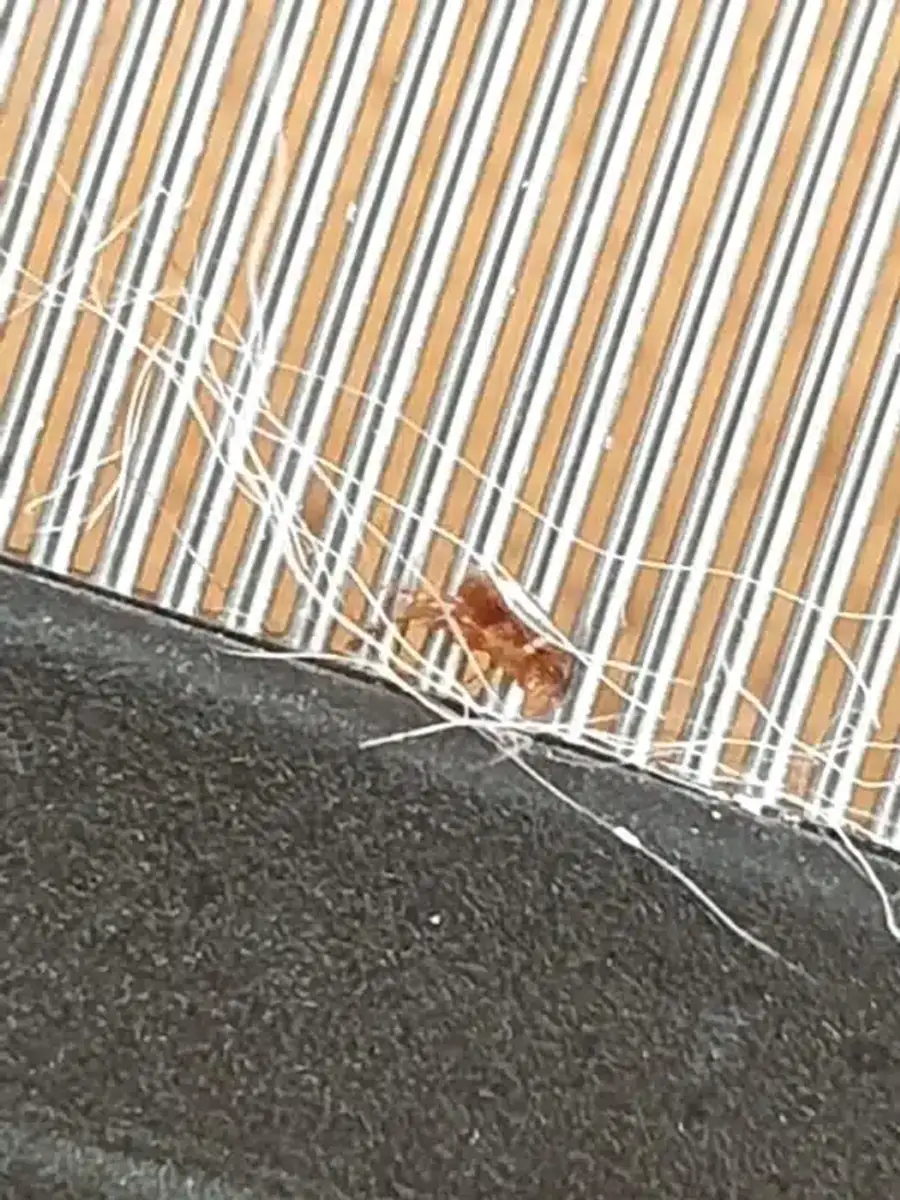
The flea life cycle also works against a quick fix. The UC Statewide IPM Program notes that eggs hatch in 2-5 days, and larvae feed for 8-15 days before spinning a cocoon. When it’s cool, a grown flea can wait inside that cocoon for up to 12 months. That’s why fleas often seem to come back a week or two after any treatment.
Most indoor flea problems in Northern Virginia and Maryland homes are cat fleas, which feed on both cats and dogs. Flea larvae need warmth and high humidity, so our warm, humid summers suit them well.
Does Baking Soda Kill Flea Eggs or Larvae?
This is where most DIY guides overpromise. Some say baking soda dries out eggs and larvae, even if it can’t kill adults. I couldn’t find any published research to back that up.
Here’s the practical problem. Eggs roll off your pet and drop deep into the carpet. Larvae crawl away from light and hide at the base of the fibers. A light dusting of powder stays near the top, and most of it gets vacuumed up within hours. Meanwhile, cocoons are sticky and covered in debris. That makes them hard to kill with almost anything.
What About Baking Soda and Salt?
Many recipes mix baking soda with table salt. Salt is often said to dry out flea larvae. However, PetMD warns that the amount of salt it would take to kill flea eggs and larvae is toxic to dogs and cats that lick it or breathe it in.
Mixing the two doesn’t create a stronger treatment. You end up with the weak points of both, plus more risk to your pets.
The good news is that you don’t need either powder. The steps below cost little or nothing, and they work.
Already Sprinkled Baking Soda? Do This Next
If the baking soda is already down, don’t worry. Just turn the cleanup into real flea control. Here’s the routine I’d follow.
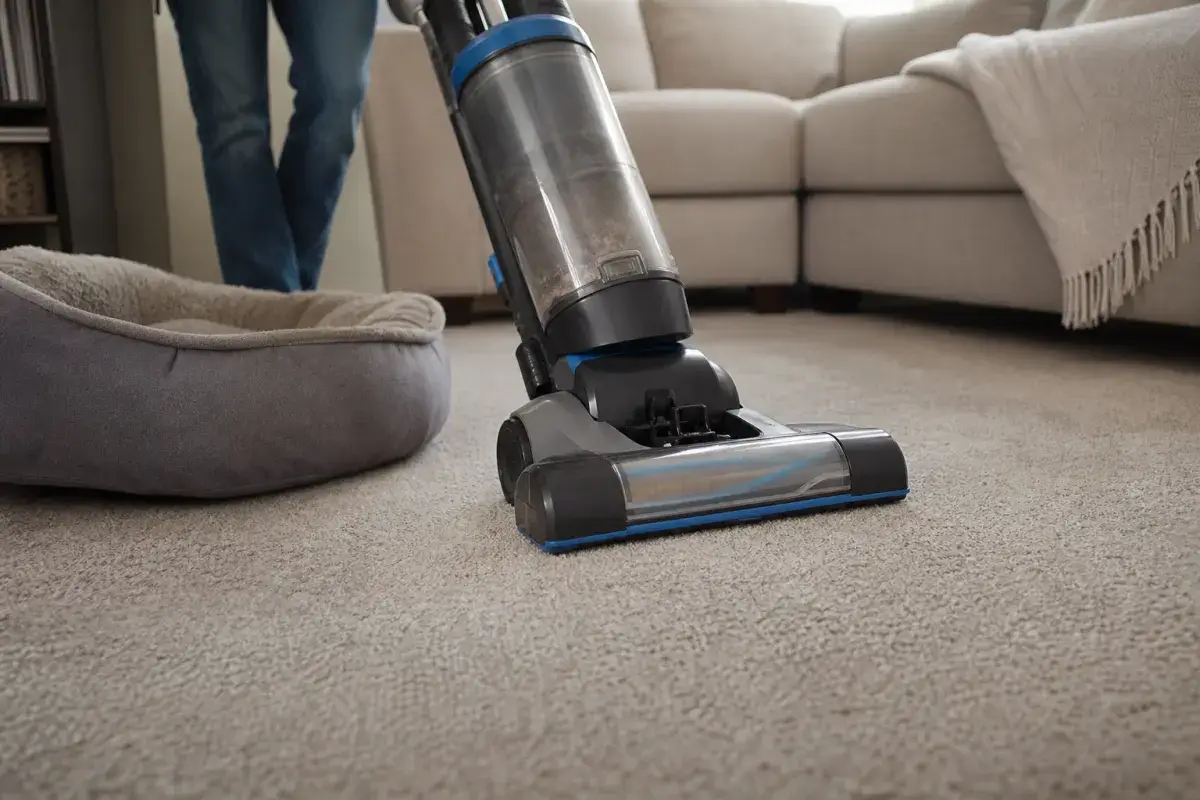
Vacuum every bit of the baking soda up, especially where pets sleep. Go slowly and use the crevice tool along baseboards, under furniture, and in couch seams. Empty the canister or toss the bag in an outdoor trash can right away.
Vacuum carpets, rugs, and upholstered furniture every day for at least 10-14 days. Each pass picks up newly hatched adults and larvae. It also shakes more fleas out of their cocoons so you catch them on the next pass. Our guide on how to get fleas out of carpet covers carpet cleaning in more detail.
Wash pet beds, throw blankets, and your own bedding in hot water, then dry them on high heat. Repeat weekly while you’re still seeing fleas.
Talk to your veterinarian about a flea product for your pet. If your pet keeps carrying fleas, your home will keep getting new eggs no matter how much you clean. Treat every dog and cat in the house, not just the one that’s scratching.
Expect to see some fleas for two to three weeks as cocoons hatch. That’s normal. If you’re still seeing steady flea activity after about three weeks of daily vacuuming and pet treatment, it’s time to bring in a professional.
Daily vacuuming is the step people tend to skip once the bites slow down. Stick with it for the full two weeks, because new adults keep coming out of their cocoons during that time.
You’ll also want a simple way to tell whether the plan is working.
What Works Better Than Baking Soda
Here’s how baking soda stacks up against the methods that have real support behind them.
| Method | Kills Fleas? | What It Reaches | Best Use |
|---|---|---|---|
| Baking soda | No proven effect | Carpet surface only | Deodorizing, not flea control |
| Vacuuming | Yes, most adults, larvae, and pupae it picks up | Carpet, rugs, furniture | Daily for 2+ weeks |
| Steam cleaning | Yes, many fleas | Deeper into carpet and upholstery | Once at the start |
| Hot wash and dry | Yes | Bedding, blankets, pet beds | Weekly during a flea problem |
| Vet-recommended pet treatment | Yes | Fleas on your pet | Ongoing, as your vet directs |
| Insect growth regulator (IGR) | Stops eggs and larvae from maturing | Carpets, cracks, and crevices | Professional or labeled home use |
The University of Maryland Extension calls thorough vacuuming the primary control strategy. It also notes that steam cleaning carpets kills and removes many fleas. For carpets, it points to products that pair an adult flea killer with an insect growth regulator. The growth regulator keeps eggs from hatching and larvae from growing up.
If you want a deeper comparison of carpet treatments, see our guide on how to kill fleas in carpet. For a whole-home plan, including the yard, read how to get rid of fleas in your house.
- Baking soda: freshens carpet smell, doesn’t kill fleas, can upset pets’ stomachs in large amounts
- Vacuuming: kills most of the fleas it picks up, and it’s free
- Pet treatment: stops your pet from reseeding the house with eggs
- Bedding: hot wash and high-heat dry kills fleas hiding in fabric
- Growth regulator: stops the next generation before it bites
When to Call a Professional
Fleas are one of the pests our licensed technicians treat across Northern Virginia and Maryland. A professional flea treatment focuses on the places fleas develop: carpets, pet resting areas, furniture edges, and baseboards. It usually pairs a product that kills adult fleas with an insect growth regulator. All the products we use are EPA approved, having passed through our internal research team. Each one is something we’d feel comfortable using in our own homes.
However, a home treatment only works if your pets are treated at the same time. The CDC’s flea prevention guidance says the same thing: a good plan covers both the pet and the pet’s environment, and pets should get vet-recommended flea control year-round.
It’s time to call a pro if:
- You’ve vacuumed daily and treated your pets for three weeks and still see fleas.
- You’re getting bitten, especially around your ankles.
- You moved into a home where the last owners had pets.
- Fleas are showing up in more than one room.
You can learn more about how we handle fleas on our flea control service page.
The Bottom Line on Baking Soda for Fleas
Baking soda doesn’t kill fleas. It doesn’t kill adults, and there’s no good evidence it kills eggs or larvae. If you’ve seen fewer fleas after a baking soda treatment, thank your vacuum. The steps that actually work are simple, though they take a couple of weeks: vacuum daily, wash bedding hot, treat every pet with a vet-recommended product, and use a growth regulator on carpets if the problem hangs on.
Better Termite & Pest Control has served the DC metro area for 58 years, with more than 1,800 reviews. If fleas keep coming back, call us at 703-683-2000 or email info@bettertermite.com for an estimate. We’re happy to answer questions, even if you just want to know whether your DIY plan is on track.