Flower Wasps Identification Guide
Tiphioidea
Flower wasps are solitary, ground-nesting wasps named for their habit of visiting flowers for nectar. They are beneficial parasitoids of white grubs and are generally not aggressive toward people.
Taxonomy
Flower Wasps Coloration
Common color patterns to help identify flower wasps
Flower Wasps
Seasonal Activity
When flower wasps are most active throughout the year
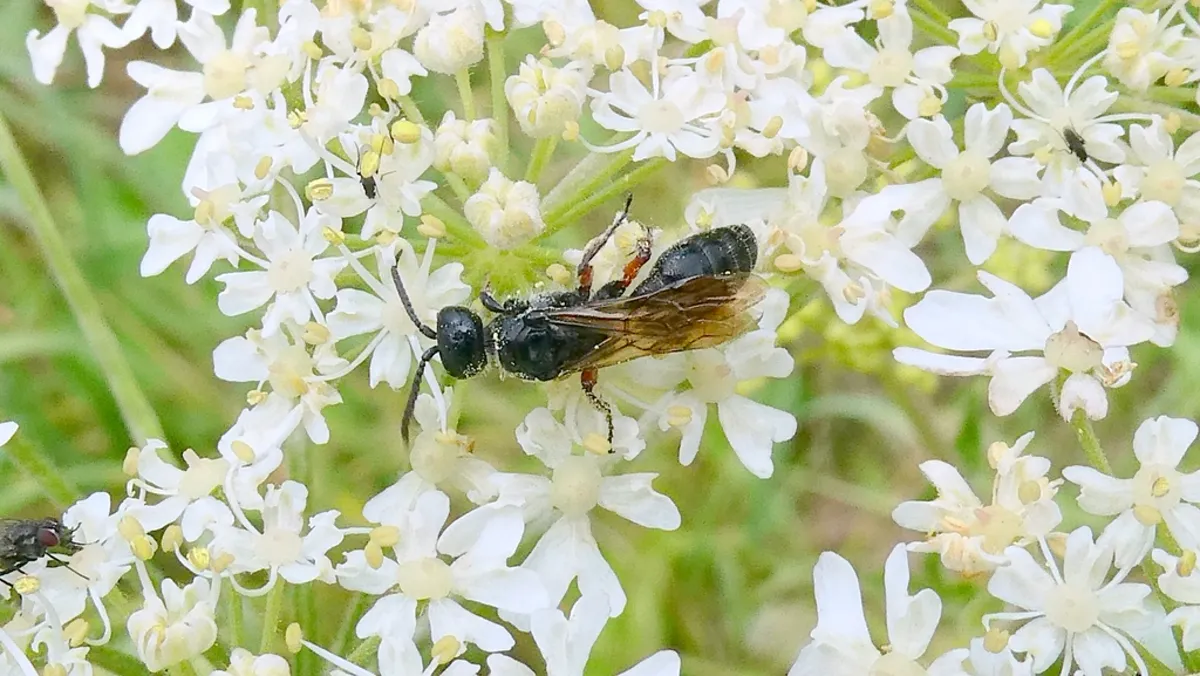
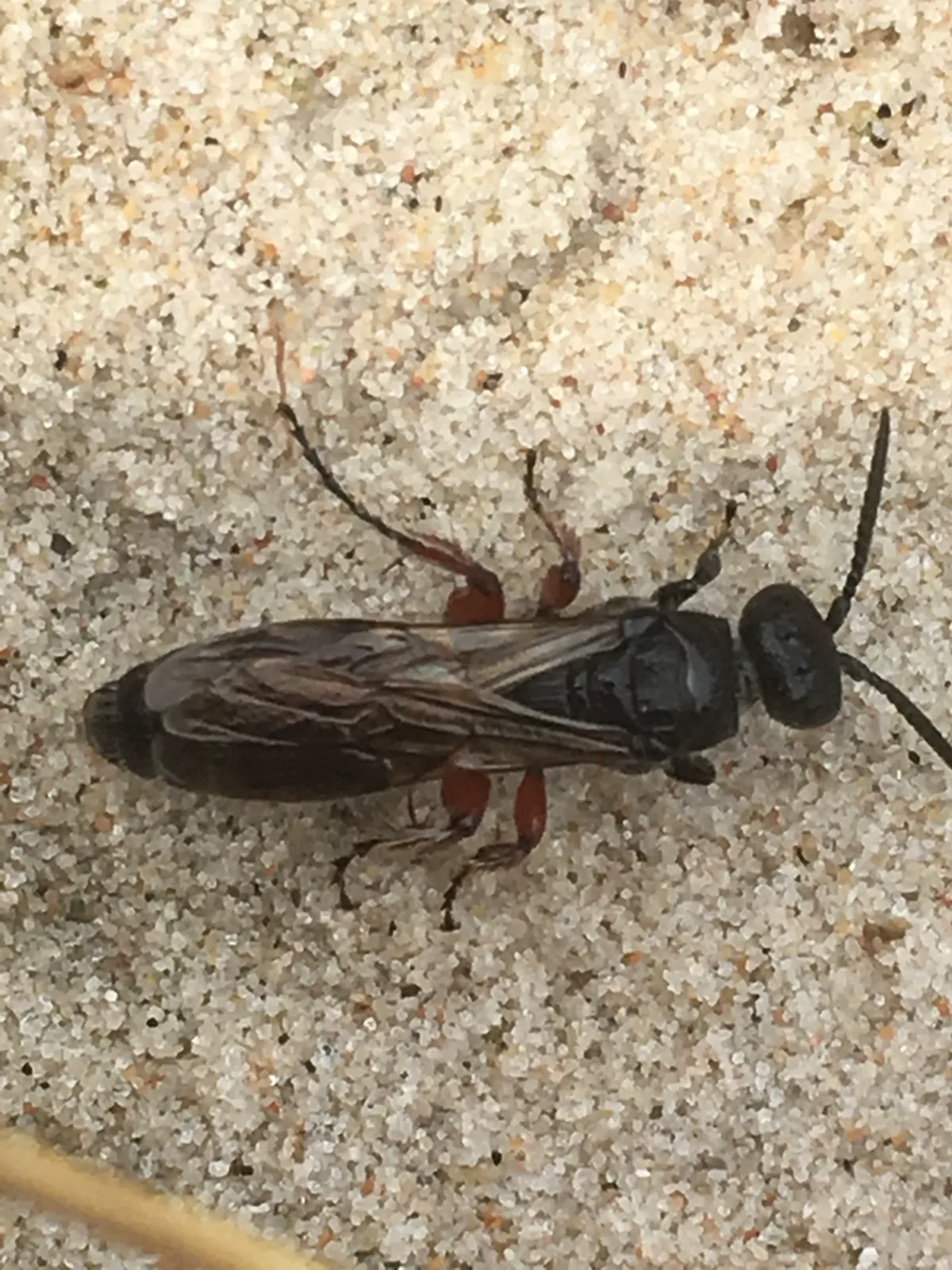

Where Flower Wasps Are Found
Hover over states to see their names. Green regions indicate where flower wasps have been reported.
Flower Wasp Identification Guide
Physical Characteristics
Flower wasps are a group of solitary wasps in the superfamily Tiphioidea, which includes the families Tiphiidae and Thynnidae. They get their common name from their habit of visiting flowers to feed on nectar. Most flower wasps found in North America measure between 12 and 30 millimeters long, or roughly half an inch to just over an inch.
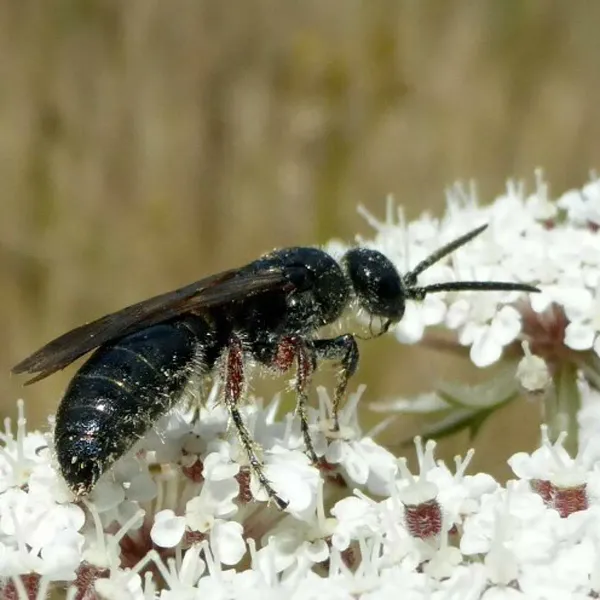
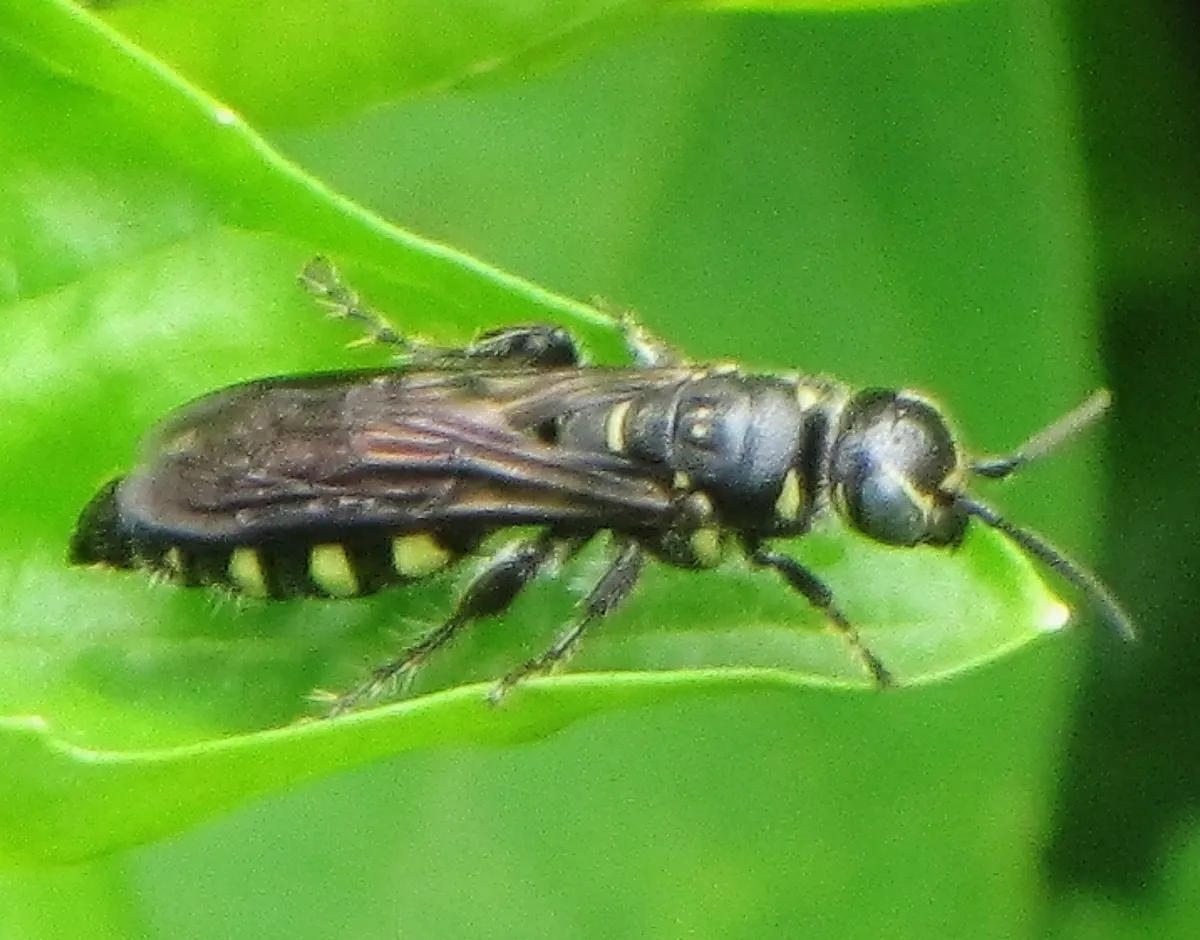
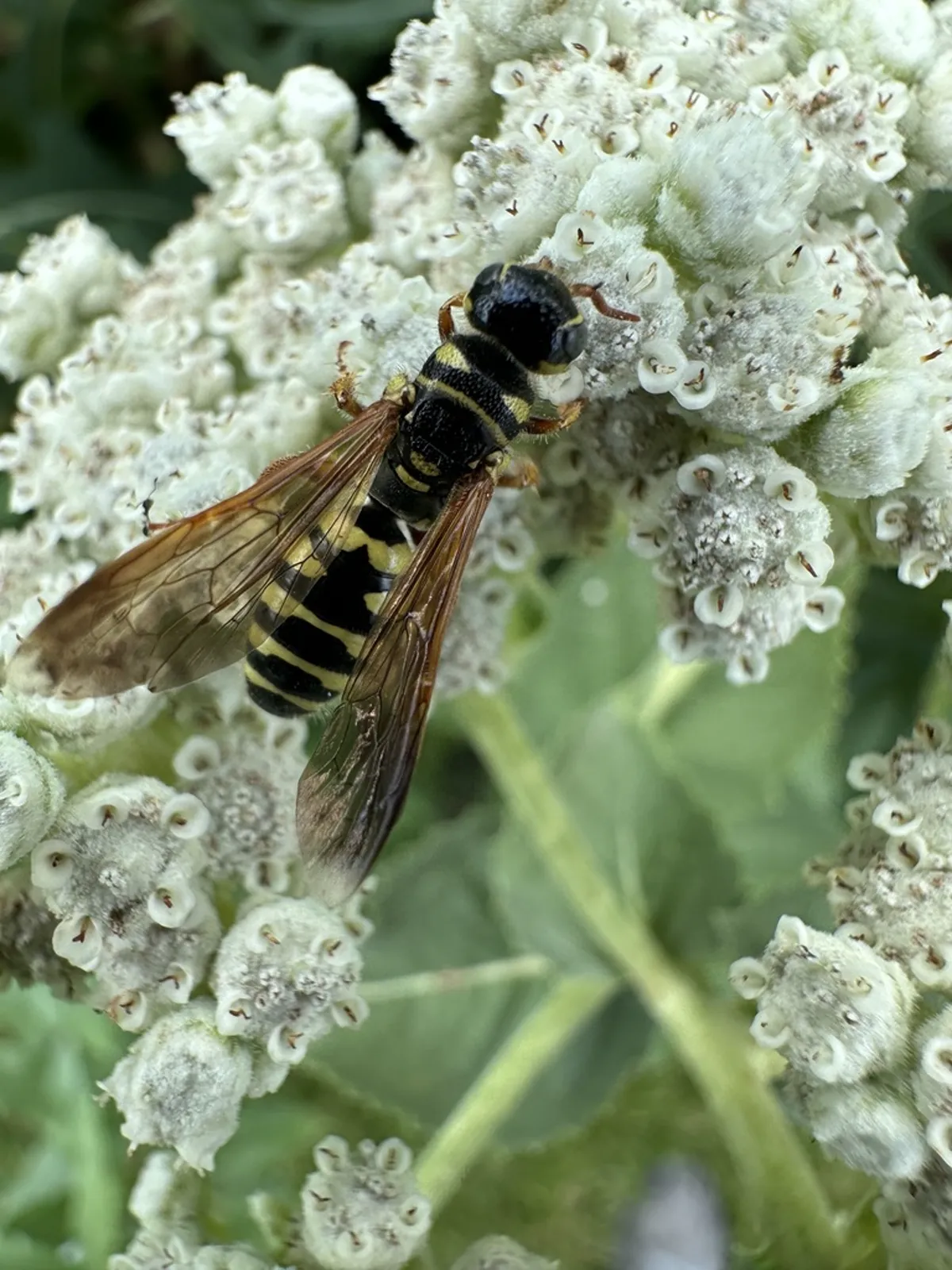
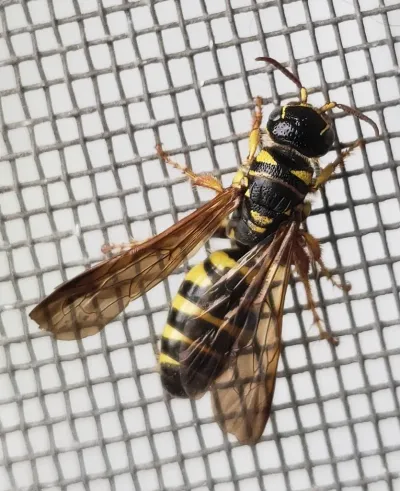
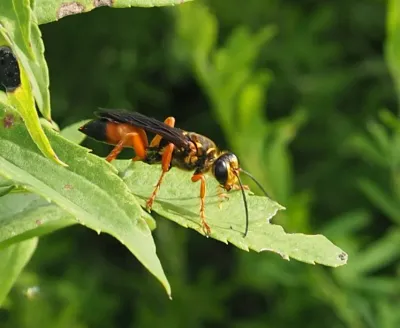
These wasps have a slender, elongated body with a distinct narrow waist between the thorax and abdomen. The body color is typically black or very dark brown, and many species have yellow, orange, or reddish-brown markings on the abdomen. Some species display pale bands across the abdomen that can superficially resemble yellowjacket patterning. The wings are often tinted amber, bronze, or smoky rather than clear, which helps set them apart from social wasps.
Females tend to be slightly smaller than males in some species and may have more robust legs built for digging into soil. Males are typically slimmer with longer antennae. Both sexes have six legs, and the legs often show reddish-brown or orange coloring.
Common Species in North America
Several flower wasp species are commonly encountered across the continent:
-
Five-banded thynnid wasp (Myzinum quinquecinctum): One of the most recognizable flower wasps in the eastern United States. It has five distinct yellow bands across a black abdomen and amber-tinted wings. Adults measure 16 to 22 millimeters.
-
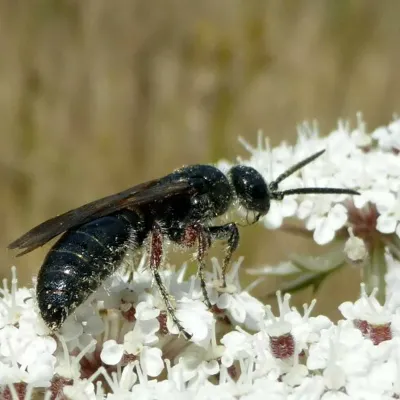
Tiphiid wasps (Tiphia spp.): Small, shiny black wasps that are common in lawns where beetle grubs are present. They are typically 8 to 15 millimeters long and are important natural enemies of Japanese beetle grubs.
-
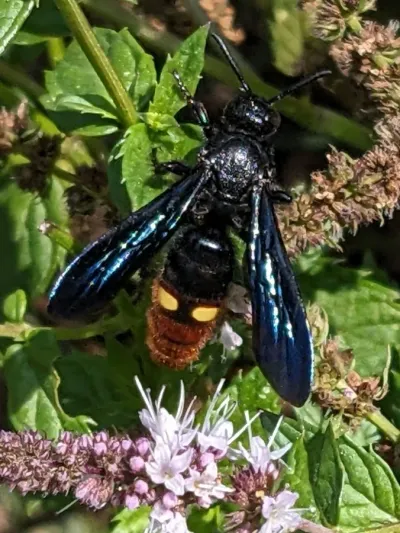
Scoliid wasps (blue-winged wasps and relatives): Sometimes grouped with flower wasps due to similar habits. These are stockier and often have iridescent blue or purple wings. They parasitize green June beetle and other large scarab grubs.
Flower Wasp Behavior and Biology
Life Cycle
Flower wasps go through complete metamorphosis with four life stages: egg, larva, pupa, and adult. Their life cycle is closely tied to scarab beetle larvae living in the soil.
After mating, the female flies low over lawns, garden beds, and other areas with loose soil. She detects beetle grubs below the surface, digs down to reach them, and stings the grub to paralyze it. She then lays a single egg on or near the immobilized larva. When the wasp egg hatches, the larva feeds on the beetle grub over several weeks, eventually consuming it entirely. The wasp larva then spins a cocoon and pupates underground. In northern climates, most species overwinter as larvae or pupae in the soil and emerge as adults the following summer.
Most North American flower wasps produce one generation per year. In warmer southern regions, some species may have an extended flight season or produce a partial second generation.
Feeding Habits
Adult flower wasps are dedicated nectar feeders. They are frequently seen on a wide variety of flowering plants, with particular preference for wildflowers in the aster family (Asteraceae), carrot family (Apiaceae), and mint family (Lamiaceae). Common plants that attract them include goldenrod, Queen Anne’s lace, boneset, mountain mint, and wild parsnip.
Because they visit flowers so regularly, flower wasps serve as minor pollinators. While they are not as efficient as bees at moving pollen, their frequent flower visits do contribute to pollination of wildflowers and garden plants.
Habitat and Behavior
Flower wasps are solitary insects. There is no queen, no worker caste, and no shared nest. Each female operates independently. Males spend their time visiting flowers for nectar and searching for mates. In some species, males gather in loose clusters on plant stems in the evening and disperse again in the morning.
These wasps prefer open areas with turf, bare soil, or loose garden soil where beetle grubs develop. Lawns, meadows, fields, parks, and flower gardens are all common habitats. They are found throughout the eastern and central United States, from New England south to Florida and west to the Great Plains. Some species extend into the Southwest.
Flower wasps are calm and non-aggressive. They do not guard a nest or food source and will not chase or harass people. Stings are rare and typically only happen when a wasp is accidentally grabbed or stepped on.
Treatment Options for Flower Wasps
When Treatment May Be Needed
Homeowners often notice flower wasps when large numbers hover over a lawn or gather around garden beds. This activity can be alarming, especially for families with small children or anyone with a wasp-sting allergy. While flower wasps are solitary and far less aggressive than social wasps, their presence in high-traffic areas like play spaces, pool decks, or walkways may call for management.
Treatment Approaches
Because flower wasps nest in the soil and are solitary, control strategies differ from those used for social wasps like yellowjackets or paper wasps:
-
Grub control: Reducing the white grub population that attracts flower wasps is one of the most effective long-term strategies. Treating the lawn for grubs in late summer or early fall targets beetle larvae before they draw wasps the following season.
-
Turf-level treatment: A residual insecticide applied to the lawn surface where wasps are actively hovering can reduce adult activity. This targets females as they search for grubs in the soil.
-
Spot treatment: If flower wasp activity is concentrated in a specific part of the yard, targeted treatment of that zone can address the concern without treating the entire property.
A pest control professional can evaluate the situation and recommend the right approach based on the level of activity and where the wasps are concentrated.
Prevention Tips
A few steps can help reduce flower wasp activity around your home:
- Address grub infestations early: Brown patches in the lawn often signal a grub problem. Treating grubs removes the food source that draws flower wasps to your yard.
- Maintain healthy turf: A thick, well-established lawn is less likely to develop heavy grub infestations than thin or stressed turf.
- Irrigate strategically: Heavy watering can temporarily discourage female wasps from digging into the soil, though this should be balanced with proper lawn care practices.
- Monitor activity: Keep track of where flower wasps are most active. Early identification helps a pest control professional target the right areas efficiently.
References
Other Wasps
Explore other species in the wasps family
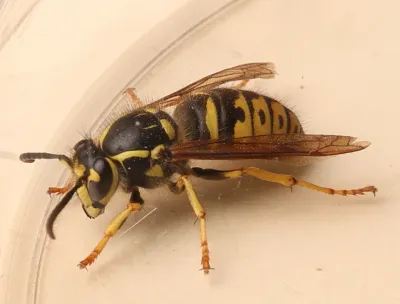
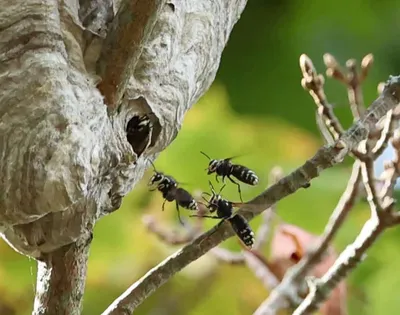
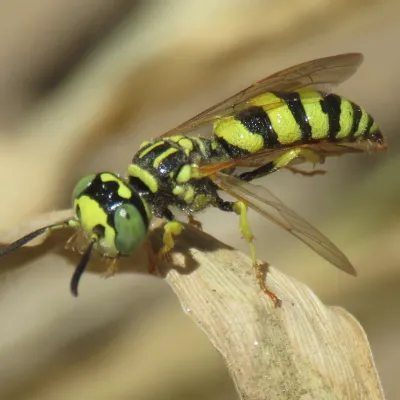
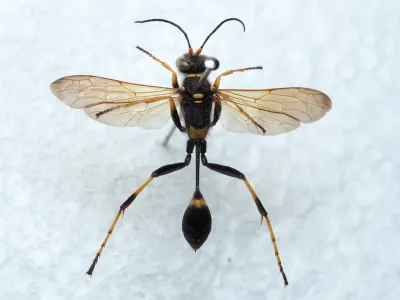
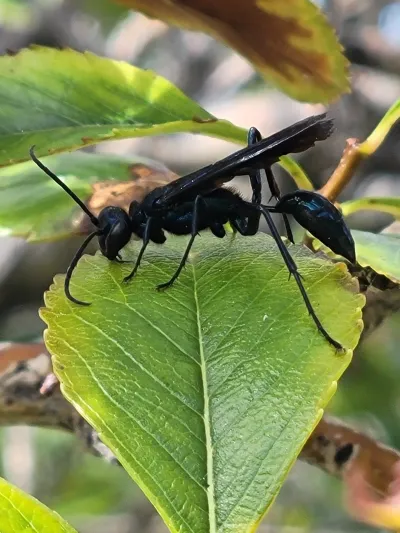
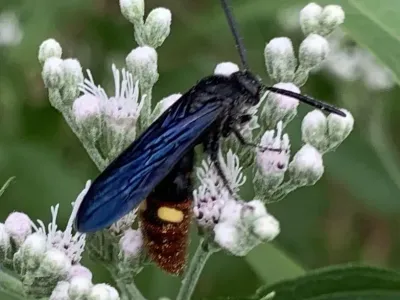
Commonly Confused With
Flower Wasps are often mistaken for these similar pests
Where Flower Wasps Are Found
Hover over states to see their names. Green regions indicate where flower wasps have been reported.
Common Questions about Flower Wasps
Are flower wasps dangerous to people?
+
Flower wasps are not aggressive and rarely sting. They are solitary wasps that do not guard a nest or swarm. Males cannot sting at all. Females can sting if picked up or stepped on, but this is uncommon. Most people can safely observe them visiting flowers in the yard without concern.
Why are there wasps flying low over my lawn?
+
If you see wasps hovering close to the ground, they are likely flower wasps searching for beetle grubs in the soil. Females hunt for white grubs like Japanese beetle or June beetle larvae to lay their eggs on. This behavior is most common in summer and is actually beneficial because it helps reduce grub populations naturally.
Do flower wasps build nests on houses?
+
No. Flower wasps are solitary and do not build paper or mud nests on structures. Females lay their eggs underground on beetle grubs. You will not find a visible nest attached to your home, eaves, or porch from these wasps.
What is the difference between a flower wasp and a yellowjacket?
+
Flower wasps are solitary and calm. They visit flowers for nectar and fly slowly near the ground. Yellowjackets are social wasps that build large colonies and are often aggressive around food and garbage. Flower wasps are typically more slender, have tinted wings, and will not chase or harass people.
Should I kill flower wasps in my yard?
+
In most cases, no. Flower wasps are beneficial insects that help control white grub populations in your lawn. White grubs are the larvae of Japanese beetles, June beetles, and other scarab beetles that damage turf. Allowing flower wasps to do their work can reduce grub damage naturally without the need for chemical treatments.
What do flower wasps eat?
+
Adult flower wasps feed on nectar from flowers. They are commonly seen on wildflowers like goldenrod, Queen Anne's lace, and mountain mint. Their larvae feed on white grubs in the soil, which is how they earn their reputation as beneficial garden insects.
When are flower wasps most active?
+
Flower wasps are most active from June through September. Peak activity typically occurs in July and August when adults are visiting flowers to feed and females are searching for grubs in the soil. They are not active during the colder months.

With five years of hands-on experience in the pest control industry, George Schulz is a registered technician with the Virginia Pest Management Association and a proud third-generation professional in a family business that's been protecting homes for over 58 years. He manages and trains a team of service pros while also leading internal research efforts—recently spearheading a deep-dive review of thousands of documents on pest control materials to hand-pick the most kid and pet friendly, most effective solutions tailored specifically for homes in the DC metro area.
Local Wasps Help
Dealing with wasps at home? Our licensed technicians provide pest control across Northern Virginia and Maryland.
