Beewolf Wasps Identification Guide
Philanthus spp.
Beewolf wasps are solitary ground-nesting wasps that hunt bees to provision their underground brood cells. Despite their name, they are not aggressive toward people and rarely sting unless handled.
Taxonomy
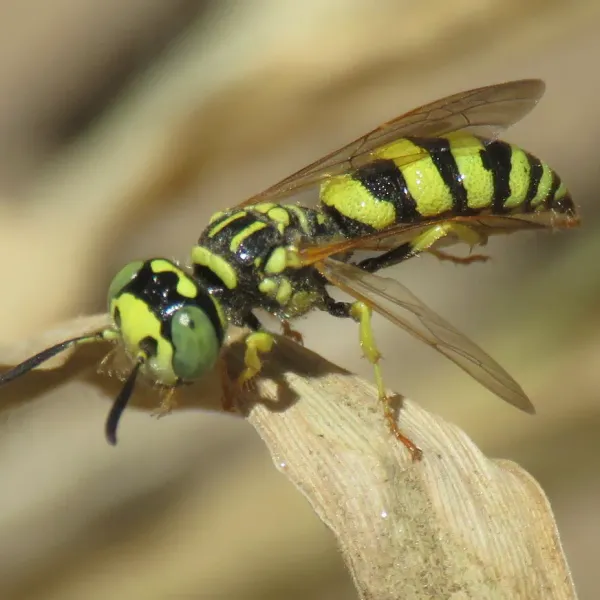
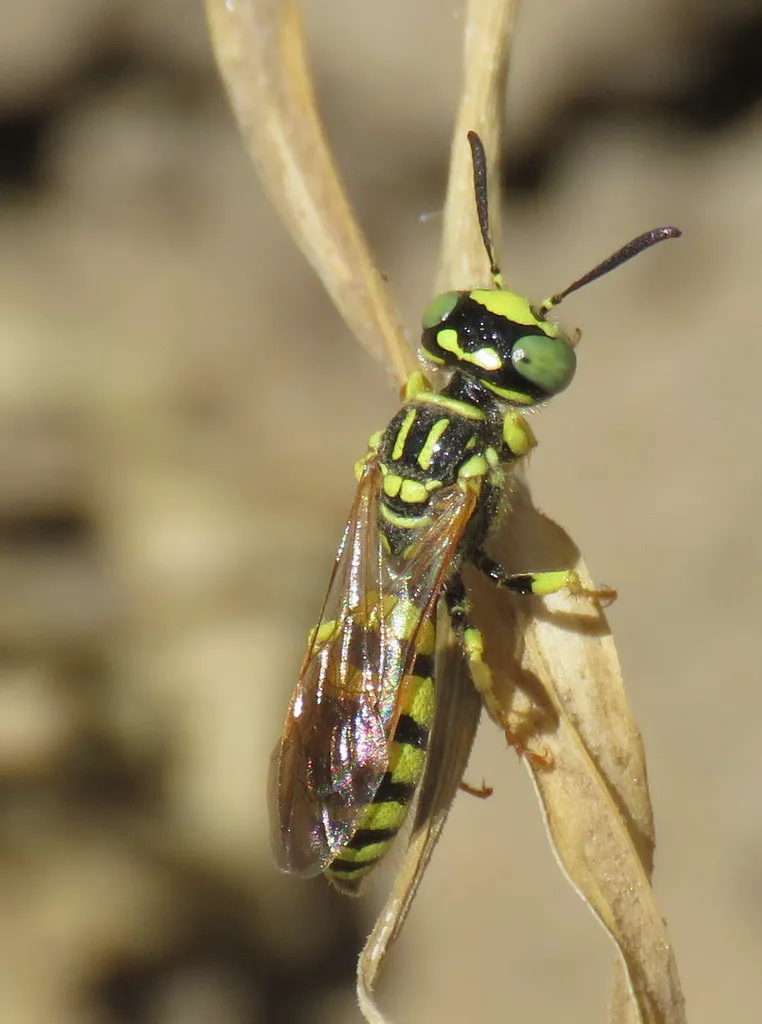
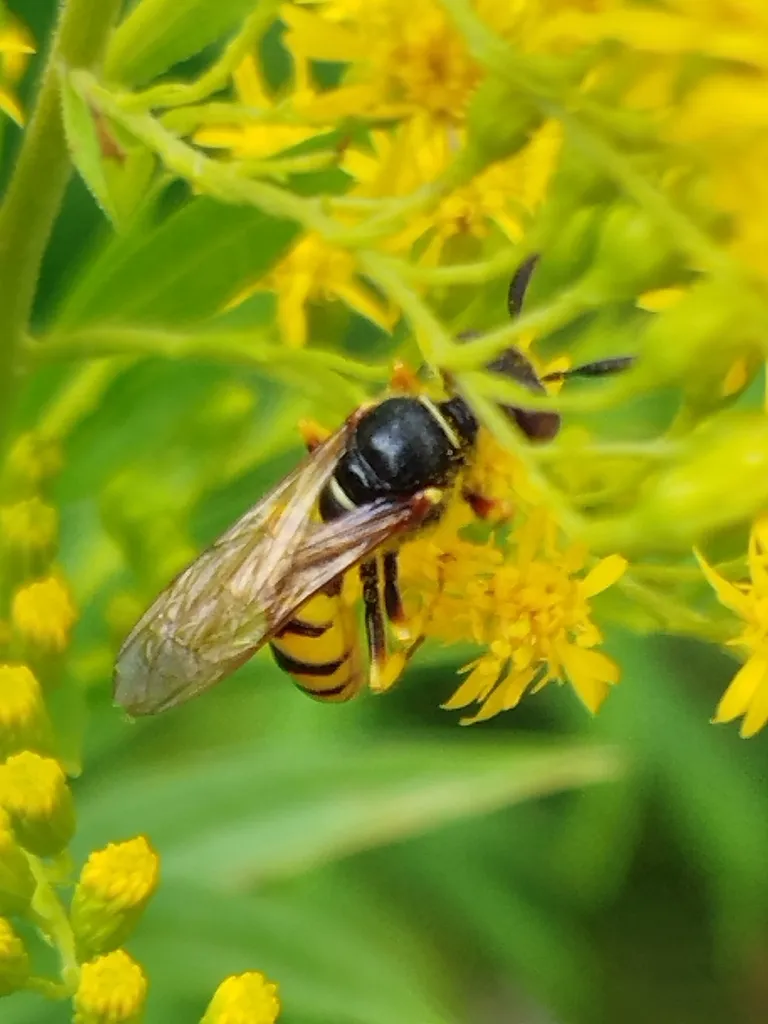
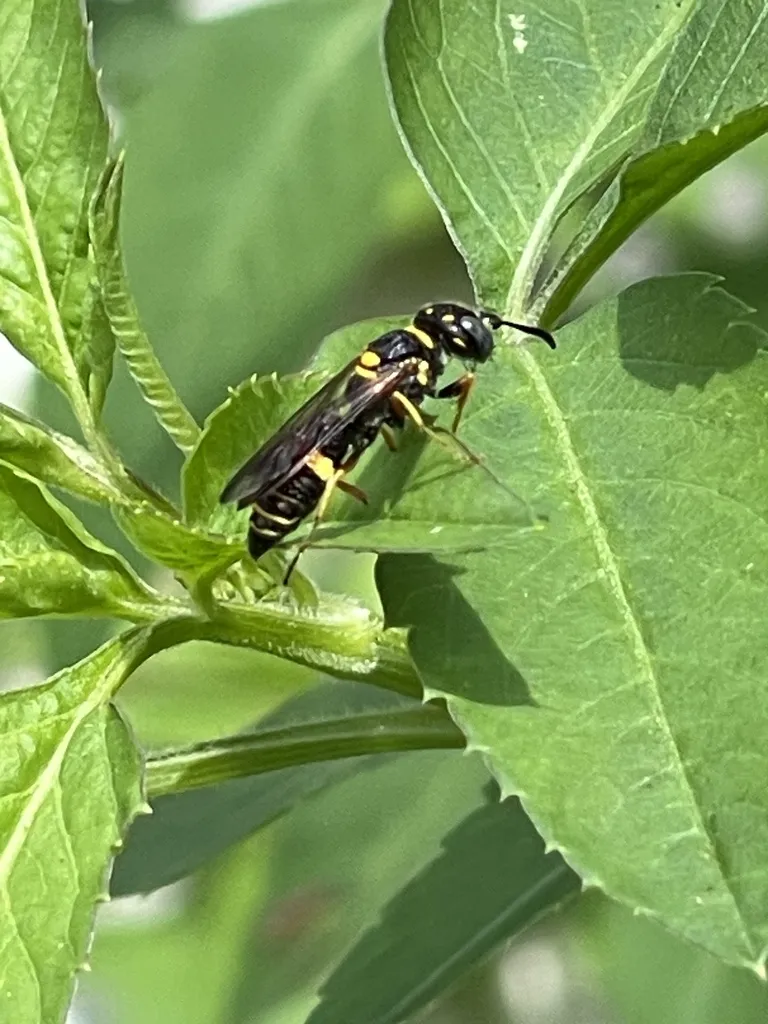
Beewolf Wasps Coloration
Common color patterns to help identify beewolf wasps
Beewolf Wasps
Seasonal Activity
When beewolf wasps are most active throughout the year

Where Beewolf Wasps Are Found
Hover over states to see their names. Green regions indicate where beewolf wasps have been reported.
Beewolf Wasp Identification Guide
Physical Characteristics
Beewolf wasps are medium-sized solitary wasps that range from about 8 to 17 millimeters in length. Most North American species fall in the 10 to 12 millimeter range. They have a compact, robust body shape that is stockier than many other wasps. Their coloring is typically black with bright yellow markings or bands across the abdomen. Some species show reddish-brown tones on portions of the thorax or legs.
The head is broad relative to the body. Females tend to be larger than males and have a more robust build suited for digging and carrying prey. Males often have more extensive yellow markings on the face. Both sexes have two pairs of translucent wings and six legs. The overall appearance can remind people of a small, stocky yellowjacket, but the behavior and body proportions are noticeably different up close.
Common Species in North America
Several beewolf species are found across North America. The most commonly encountered include:
- Hump-backed beewolf (Philanthus gibbosus) — The most widespread North American species. It measures about 10 to 12 millimeters and has distinct black and yellow banding. It preys on a variety of solitary bee species and is found across much of the eastern and central United States.
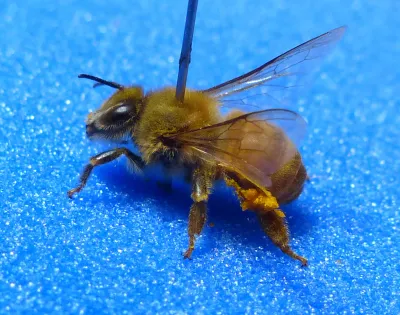
- European beewolf (Philanthus triangulum) — Originally native to Europe, this species has been documented in parts of North America. It is larger, reaching up to 17 millimeters, and is known to specialize in hunting honey bees.
- Bumblebeewolf (Philanthus bicinctus) — Found in western North America, this species targets bumblebees and other larger bee species despite its own modest size.
Distinguishing from Similar Species
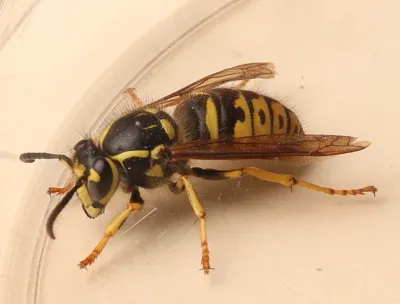
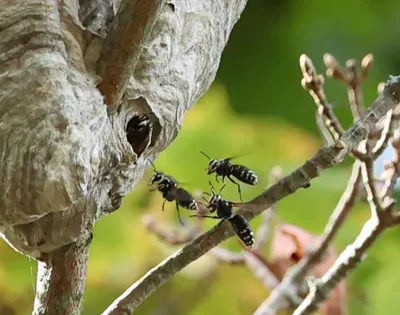
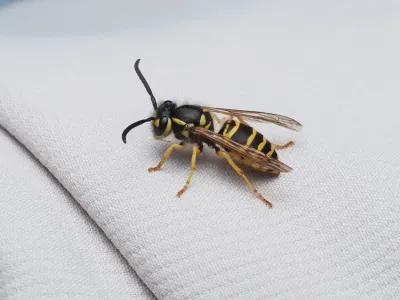
People sometimes confuse beewolves with yellowjackets because of the similar black and yellow coloring. However, beewolves are solitary and do not build paper nests or scavenge around food. They are most often seen hovering low over bare ground or carrying paralyzed bees, which yellowjackets do not do.
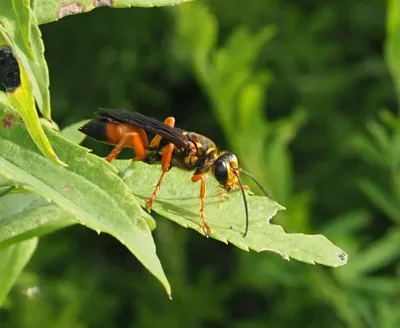
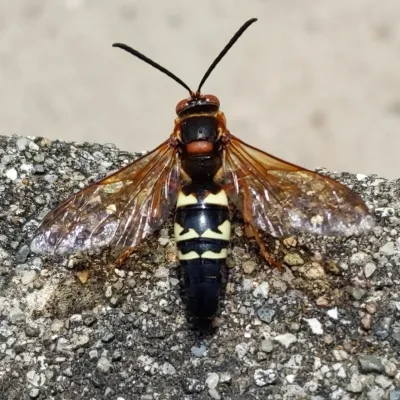
Beewolves can also be confused with digger wasps and cicada killers, which share similar ground-nesting habits. Cicada killers are significantly larger, often 30 millimeters or more, and hunt cicadas rather than bees. Other digger wasps may hunt different prey like grasshoppers or caterpillars, while beewolves specifically target bees.
Beewolf Wasp Behavior and Biology
Nesting and Life Cycle
Beewolf wasps are solitary insects. Each female builds and provisions her own nest without help from other wasps. There is no colony, no queen, and no worker caste. Females dig burrows in bare or sandy soil, creating a vertical shaft with individual brood cells branching off to the sides. Each cell is stocked with one or more paralyzed bees and a single egg.
The lifecycle follows a predictable annual pattern in temperate regions. Adults emerge from underground cocoons in late spring or early summer. After mating, females begin digging and provisioning nests. Larvae hatch, consume the stored bees, and spin cocoons by late summer or early fall. They then enter a prolonged dormant state called diapause and overwinter underground. Most temperate populations produce one generation per year.
Hunting Behavior
Female beewolves are skilled hunters. They locate prey by patrolling flowers where bees are feeding. When a beewolf spots a target bee, she approaches in flight, grasps the bee, and delivers a paralyzing sting. The venom does not kill the bee immediately but renders it unable to move. The female then carries the paralyzed bee back to her burrow in flight, often gripping it with her middle legs beneath her body.
This hunting strategy keeps the food supply fresh for developing larvae. A paralyzed bee stays alive and nutritious for days or weeks inside the sealed brood cell, giving the larva a reliable food source throughout its development.
Antibiotic Symbiosis
One of the most remarkable features of beewolf biology is a defensive partnership with bacteria. Female beewolves carry Streptomyces bacteria in specialized glands on their antennae. Before sealing a brood cell, the female applies a secretion containing these bacteria to the cell walls. The bacteria produce multiple antibiotic compounds that protect the developing larva and cocoon from fungal infections during the long months of underground dormancy. This symbiosis has been studied extensively by researchers and represents one of the best-documented examples of antibiotic-producing symbiosis in insects.
Diet
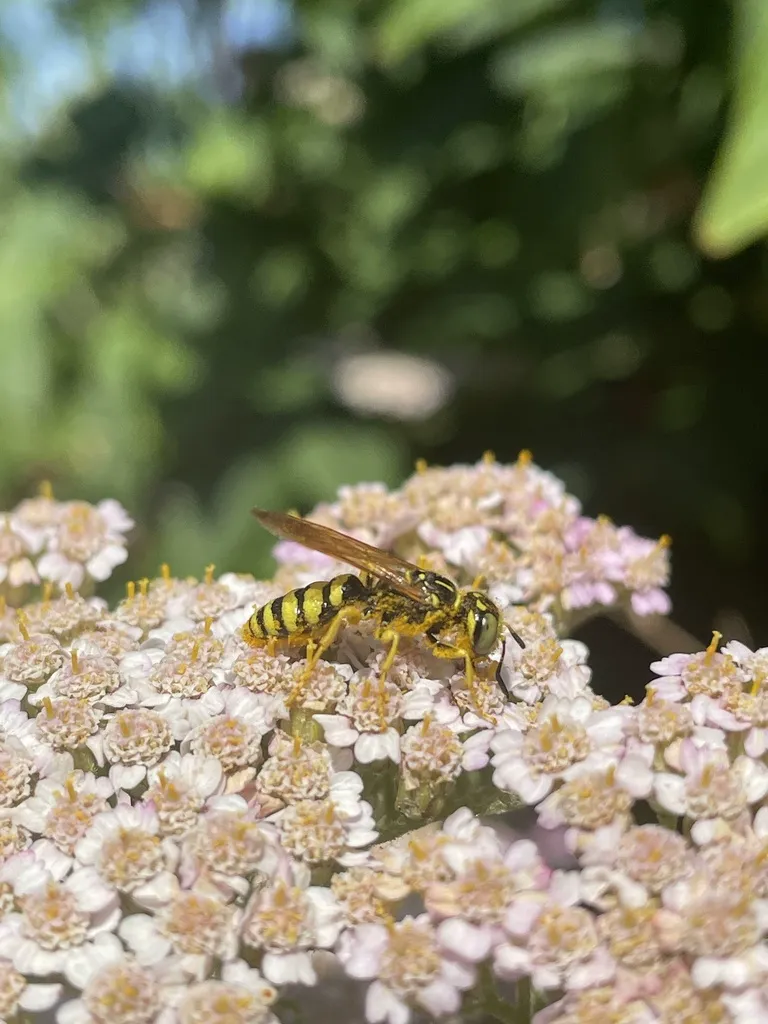
Adult beewolves feed on flower nectar for their own energy needs. They are frequently seen visiting yarrow, goldenrod, and other open-faced wildflowers. Larvae are strictly carnivorous and feed only on the paralyzed bees their mother provides. The specific bee species targeted varies depending on the beewolf species and local bee availability.
Treatment Methods for Beewolf Wasps
Beewolf wasps are solitary and non-aggressive, and their burrowing creates only small cosmetic holes in soil rather than structural damage. However, when nesting activity becomes a concern around homes, playgrounds, or high-traffic areas, several treatment approaches can be effective.
-
Habitat Modification: Beewolves prefer to nest in bare or sandy soil with good sun exposure. Encouraging thick grass growth, adding mulch, or planting ground cover in bare patches can make areas less attractive for nesting and is often the most effective long-term strategy.
-
Targeted Dust Applications: For active nesting areas near structures, insecticidal dust can be applied directly into individual burrow openings. This targeted approach addresses the nesting wasps without broad environmental impact.
-
Bee Protection for Beekeepers: Where beewolves are preying on managed honey bee colonies, beekeepers can install entrance reducers and fine mesh screens on hives. Moving hives away from known beewolf nesting areas and planting vegetative barriers between hives and nesting sites can also reduce predation. The Canadian Food Inspection Agency provides guidance on protecting hives from wasp predators.
-
Professional Assessment: A pest control professional can evaluate the extent of nesting activity and recommend the most appropriate treatment plan based on the location and level of concern.
References
- Beewolf - Wikipedia
- Philanthus gibbosus - Maryland Biodiversity Project
- Philanthus - BugGuide
- Bee-wolf - The Wildlife Trusts
- Kaltenpoth et al. - Symbiotic Bacteria Protect Wasp Larvae from Fungal Infestation (PubMed)
- Honey Bee Producer Guide - Canadian Food Inspection Agency
- Philanthus Taxonomy - ITIS
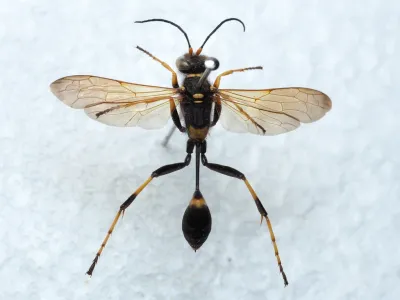
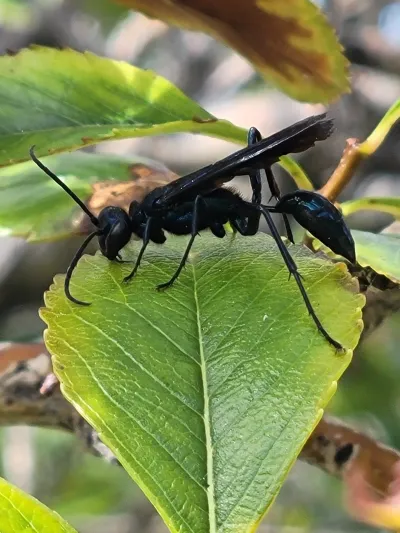
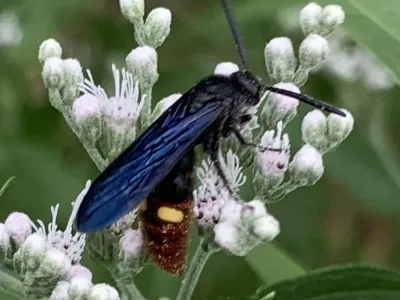
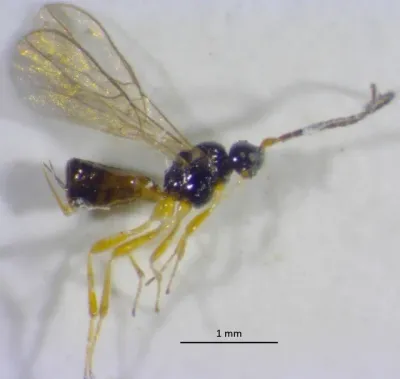
Other Wasps
Explore other species in the wasps family
Commonly Confused With
Beewolf Wasps are often mistaken for these similar pests
Where Beewolf Wasps Are Found
Hover over states to see their names. Green regions indicate where beewolf wasps have been reported.
Common Questions about Beewolf Wasps
Are beewolf wasps dangerous to people?
+
Beewolf wasps are not aggressive toward people. They are solitary wasps and do not defend a colony the way yellowjackets or hornets do. Females can sting if handled or stepped on, but they rarely do so. Males cannot sting at all.
Why are beewolf wasps digging holes in my lawn?
+
Female beewolves dig burrows in bare or sandy soil to create underground nests for their young. Each burrow contains individual brood cells where the female places paralyzed bees as food for her larvae. These small holes are cosmetic and do not cause structural damage.
Do beewolf wasps kill honey bees?
+
Yes, some beewolf species hunt honey bees and other bee species. The European beewolf (Philanthus triangulum) is known to target honey bees specifically. North American species like the hump-backed beewolf (Philanthus gibbosus) prey on a wider range of solitary bee species. However, beewolves rarely cause meaningful damage to managed bee populations.
How can I tell a beewolf wasp from a yellowjacket?
+
Beewolves have a stockier build than yellowjackets and are often seen hovering near the ground or carrying paralyzed bees. Yellowjackets are social wasps that build paper nests and are attracted to food and sugary drinks. Beewolves are solitary, do not build paper nests, and are not attracted to human food.
When are beewolf wasps most active?
+
Beewolves are most active during mid to late summer, typically from July through August. Adults emerge from their underground cocoons in late spring or early summer and are active through early fall. They are daytime hunters and are most visible on warm, sunny days.
Should I get rid of beewolf wasps in my yard?
+
If beewolf wasps are nesting in areas where they cause concern, habitat modification is usually the most effective approach. Encouraging thick grass growth or adding mulch to bare patches can discourage nesting. A pest control professional can assess the situation and recommend targeted strategies if the activity is significant.
How do beewolf wasps protect their young from disease?
+
Beewolf wasps have a remarkable partnership with Streptomyces bacteria that they carry in specialized glands on their antennae. Females apply these bacteria to their brood cells, and the bacteria produce natural antibiotics that protect the developing larvae from harmful fungi during their long underground development period.

With five years of hands-on experience in the pest control industry, George Schulz is a registered technician with the Virginia Pest Management Association and a proud third-generation professional in a family business that's been protecting homes for over 58 years. He manages and trains a team of service pros while also leading internal research efforts—recently spearheading a deep-dive review of thousands of documents on pest control materials to hand-pick the most kid and pet friendly, most effective solutions tailored specifically for homes in the DC metro area.
Local Wasps Help
Dealing with wasps at home? Our licensed technicians provide pest control across Northern Virginia and Maryland.
