Tiphiid Wasps Identification Guide
Tiphiidae
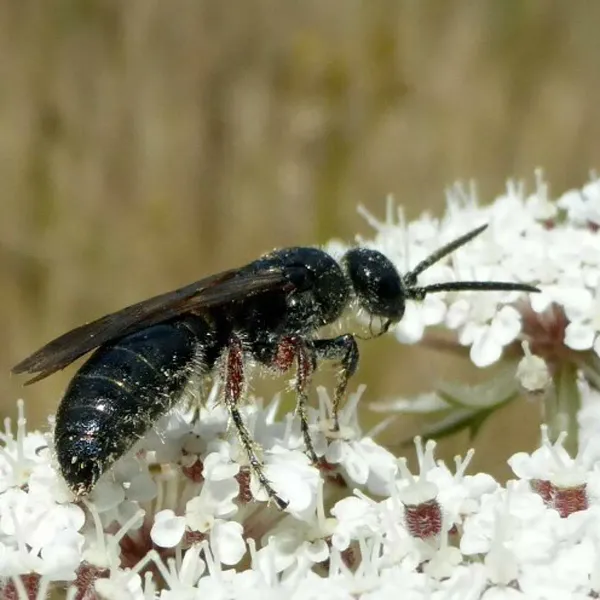
Tiphiid wasps are small, shiny black solitary wasps that hunt scarab beetle grubs in the soil. They are often seen visiting flowers or flying low over lawns in spring and late summer.
Taxonomy
Tiphiid Wasps Coloration
Common color patterns to help identify tiphiid wasps
Tiphiid Wasps
Seasonal Activity
When tiphiid wasps are most active throughout the year

Where Tiphiid Wasps Are Found
Hover over states to see their names. Green regions indicate where tiphiid wasps have been reported.
Tiphiid Wasp Identification Guide
Physical Characteristics
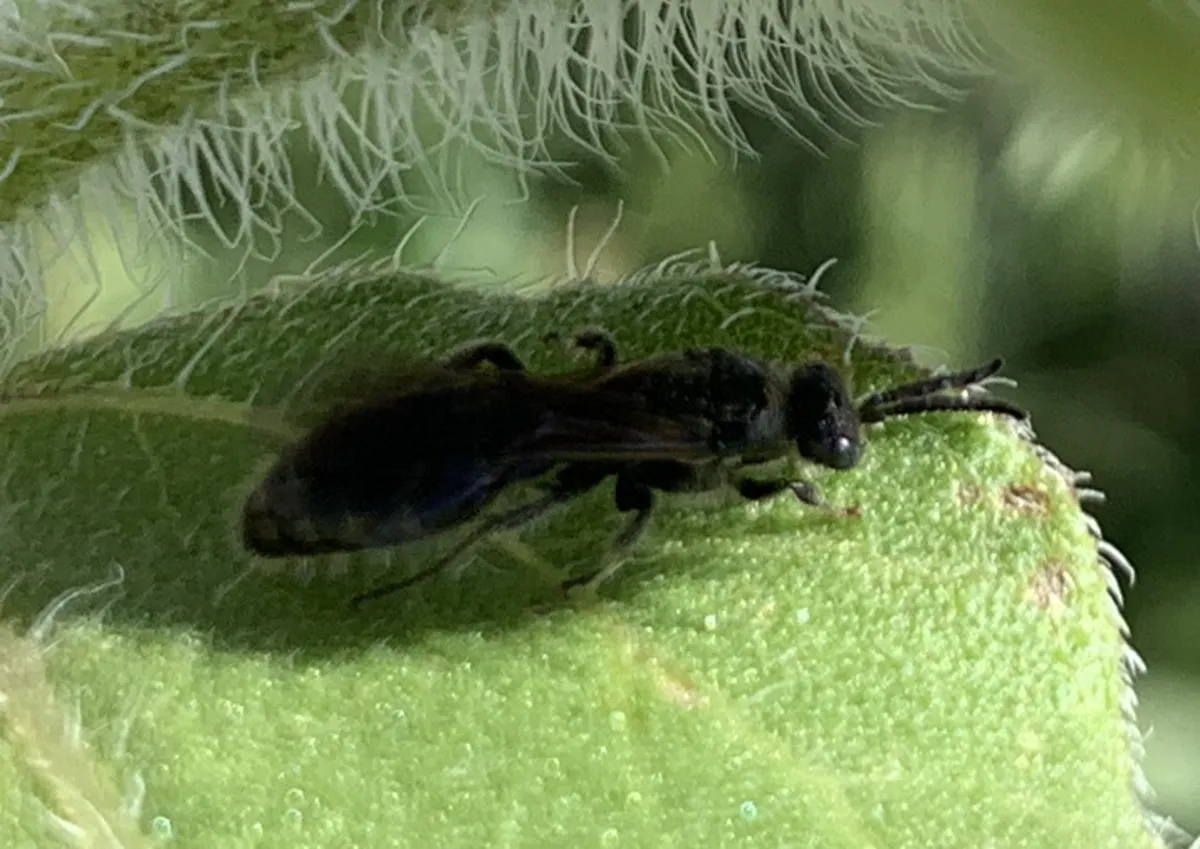
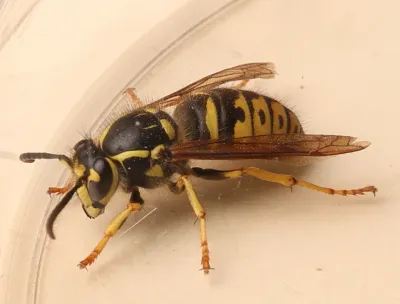
Tiphiid wasps are small, solitary wasps with sleek, shiny black bodies. Adults are 8 to 15 millimeters long, or about 0.3 to 0.6 inches. They are much smaller and more compact than yellowjackets or paper wasps.
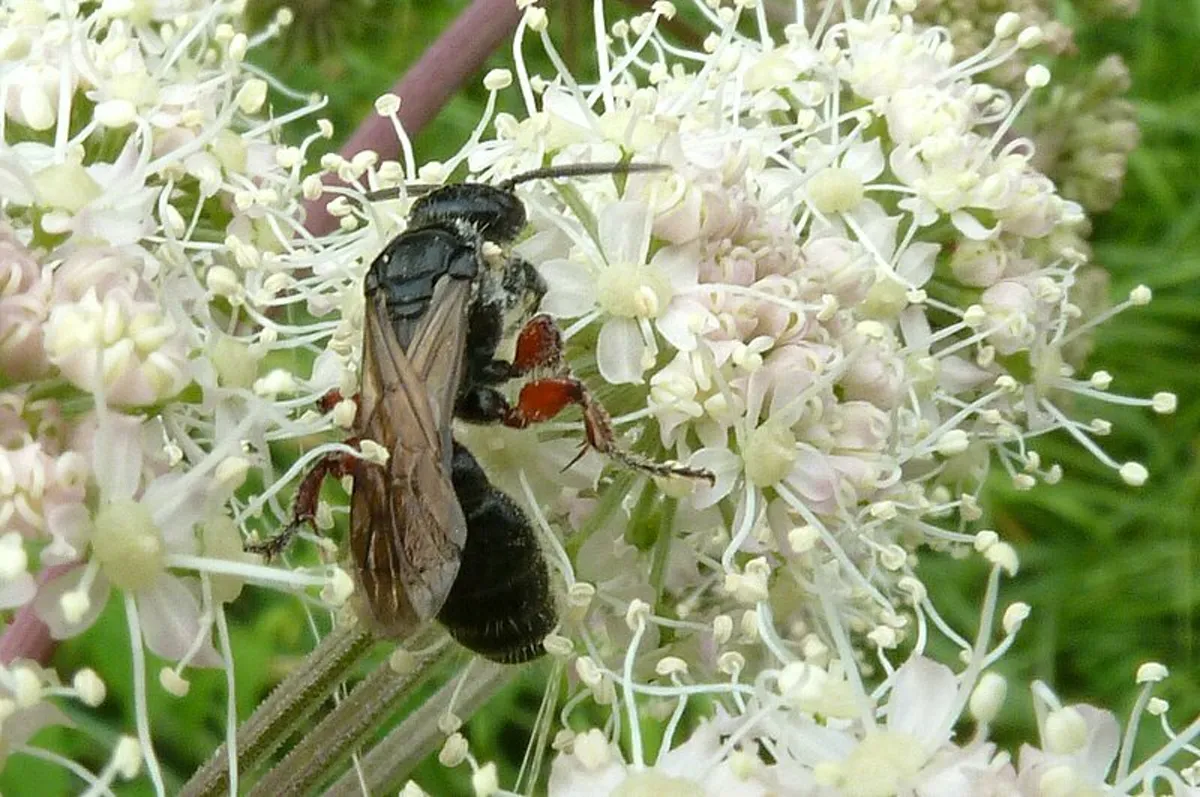
Their bodies are mostly smooth and shiny with very little hair. This sets them apart from the fuzzier scoliid wasps. The wings are dark and slightly smoky. Females are a bit larger than males, with strong forelegs made for digging into soil. Males are more slender with longer antennae. Like all wasps, tiphiids have six legs, two pairs of wings, and a narrow “wasp waist.”
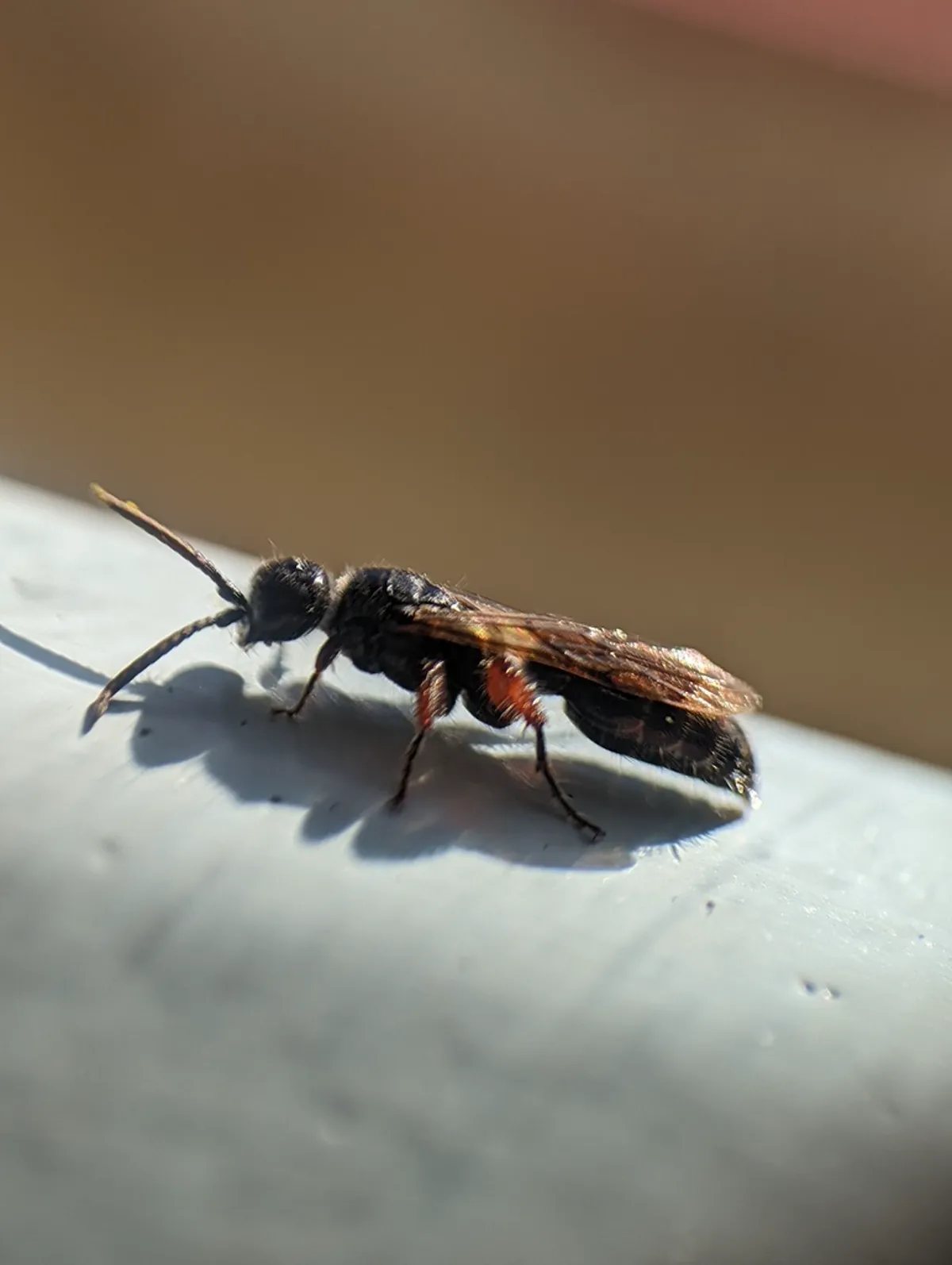
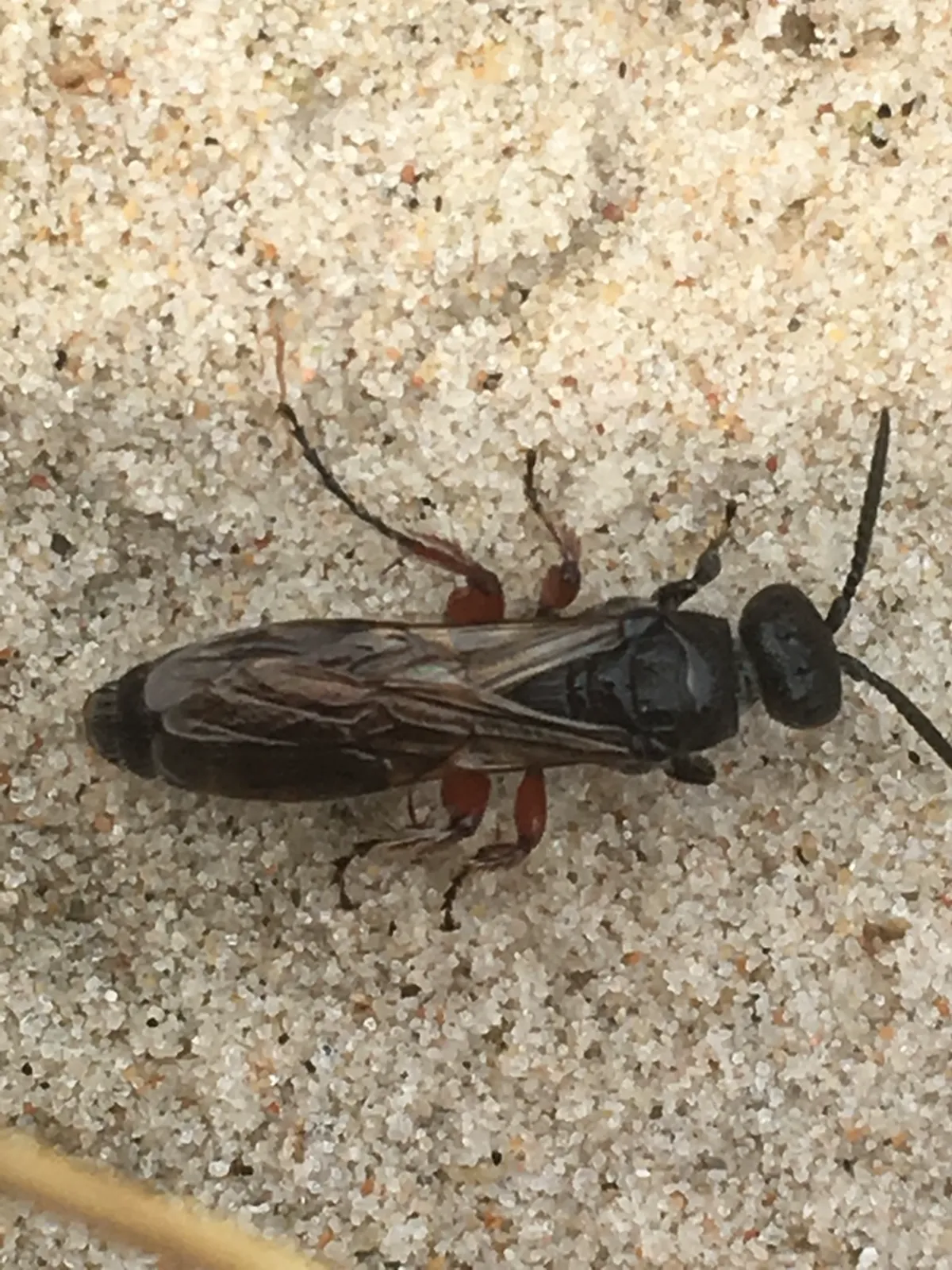
Some species have dark brown or reddish-brown markings on the legs or abdomen. In most cases, though, these wasps look like small, glossy black insects.
Common Species
Several tiphiid wasp species live across North America:
- Spring tiphia (Tiphia vernalis): The most well-known species in the eastern United States. It was brought from Asia in the 1920s and 1930s to help control Japanese beetle grubs. Shiny black, about half an inch long. Active in spring, usually May through early June.
- Fall tiphia (Tiphia popilliavora): Also brought to North America for Japanese beetle control. Active in late summer and early fall, going after younger grubs. It looks much like the spring tiphia.
- Native tiphia species (Tiphia pygidialis and others): Several native species hunt grubs of masked chafers, June beetles, and other scarab beetles. They are common across the eastern and central United States.
Tiphiid Wasp Behavior and Biology
Lifecycle and Reproduction
The tiphiid wasp lifecycle centers on scarab beetle grubs that live in the soil. A female finds a grub by sensing movement or chemical signals underground. She digs down to it, stings it to paralyze it, and lays a single egg on its body.
The wasp larva hatches and feeds on the grub over several weeks. Once fully grown, the larva spins a cocoon in the soil. Most tiphiid species produce one generation per year. New adults come out the next spring or late summer and the cycle starts over.
Diet and Feeding
Adult tiphiid wasps feed on flower nectar and honeydew from aphids and scale insects. They visit many types of blooming plants. Peony plants are a top choice for spring tiphia wasps because the buds produce nectar. Wild carrot, Queen Anne’s lace, and other plants in the carrot family also draw late-summer species.
The larvae feed only on the scarab beetle grub they were laid on. Common hosts include Japanese beetle grubs (Popillia japonica), Oriental beetle grubs (Anomala orientalis), and masked chafer grubs (Cyclocephala spp.).
Habitat and Nesting
Tiphiid wasps do not build visible nests. There is no paper comb, mud tube, or colony to find. Each female works on her own, searching for grubs in the soil. They are most common in open, sunny areas with turf grass, garden beds, or sandy soils where scarab grubs are present.
You will most likely notice tiphiid wasps in two ways: females flying low and slowly over the lawn as they hunt for grubs, and adults visiting flowers for nectar. Males often fly in looping patterns near the ground while looking for mates.
Why Tiphiid Wasps Appear in Your Yard
If you see small black wasps hovering close to your lawn, tiphiid wasps are a likely cause. Their presence is a strong sign that scarab beetle grubs are living in your soil. The wasps follow their prey, so a jump in tiphiid wasp activity usually means a grub population is growing.
Scarab beetle grubs feed on grass roots and can cause serious lawn damage when their numbers are high. Signs of a grub problem include brown patches of turf that peel up easily, spongy spots in the lawn, and digging by birds, skunks, or raccoons.
Treatment Approaches for Tiphiid Wasps
Tiphiid wasps are solitary. They do not build colonies or nests, so there is no central structure to target. The most effective way to reduce their numbers is to treat the grub population in the soil that draws them in.
Grub Control Treatments
Lowering the scarab grub population is the key to reducing tiphiid wasp activity:
- Nematode applications: Microscopic organisms like Heterorhabditis bacteriophora can be applied to turf to target grubs in the soil.
- Milky spore products (Paenibacillus popilliae): These target Japanese beetle grubs over the long term. Once they take hold in the soil, they can keep grub numbers down for years.
- Soil insecticide treatments: Properly timed lawn insecticide applications can reduce grub numbers when applied during the right stage of the grub life cycle.
- Lawn care practices: Healthy turf with proper watering and mowing makes lawns less attractive to egg-laying scarab beetles.
Reducing Encounters
If tiphiid wasp activity near walkways or play areas is a concern:
- Do not walk barefoot in areas where wasps are flying low and searching for grubs.
- Tiphiid wasp activity is seasonal. It drops off after the adult flight period ends.
- Treating the grub population will lower wasp numbers over time as their food source declines.
When to Call a Professional
If you notice turf damage along with a lot of tiphiid wasp activity, a pest control professional can assess the grub problem and recommend the right treatment. Treating the grubs will also cut down on wasp activity around your property.
How to Tell Tiphiid Wasps Apart from Similar Insects
Tiphiid wasps can be confused with other dark-colored wasps or ground-dwelling insects:
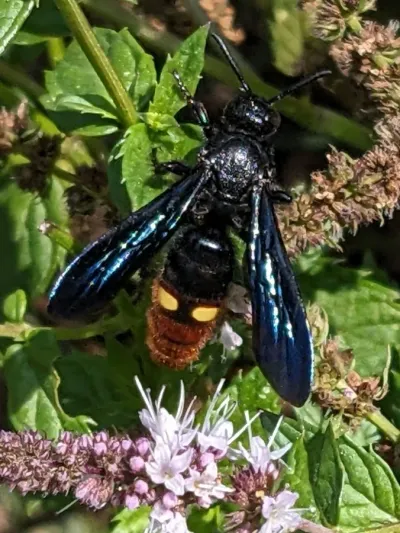
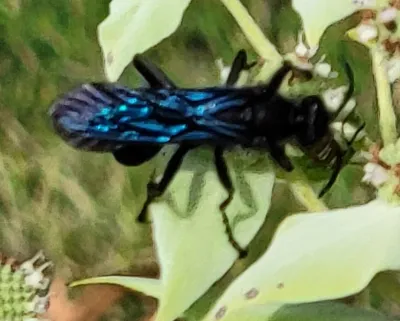
- Scoliid wasps: Much larger and hairier than tiphiids. Scoliid wasps often have bright yellow, orange, or reddish-brown markings on the abdomen and shiny blue-black wings. Tiphiids are smaller, smoother, and mostly plain black.
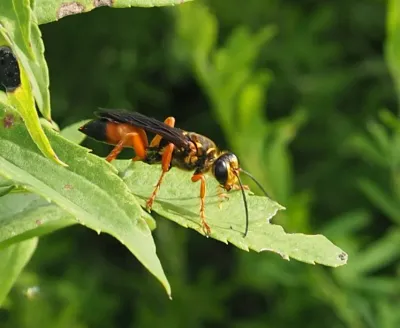
- Digger wasps: Digger wasps vary in size but are often larger and more slender than tiphiids. Many species hunt different prey, such as cicadas or caterpillars.
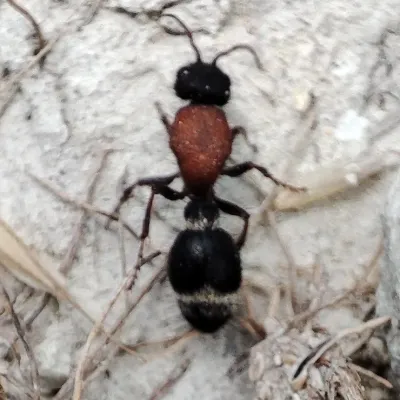
- Velvet ants: Velvet ants are wingless female wasps covered in dense, bright hair, often red, orange, or white. Tiphiid wasps are smooth and shiny. Some tiphiid species have wingless females too, but they lack the thick, fuzzy covering of velvet ants.
- Great black wasps: Much larger than tiphiids, often over one inch long. Great black wasps have a longer body and hunt grasshoppers and katydids instead of beetle grubs.
The best way to spot tiphiid wasps is by their small size, shiny black body, and habit of flying low and slowly over turf.
References
- Spring Tiphia (Tiphia vernalis) - Cornell University
- Family Tiphiidae - NC State University
- Tiphiidae - Wikipedia
- Tiphiid Wasp - Encyclopaedia Britannica
- Seasonal Occurrence and Effect of Supplemental Nectar on Tiphia pygidialis - Environmental Entomology
- Nectar Sources and Parasitism by Tiphia - Environmental Entomology
- Invasion Biology of the Japanese Beetle - Oxford Academic
Other Wasps
Explore other species in the wasps family
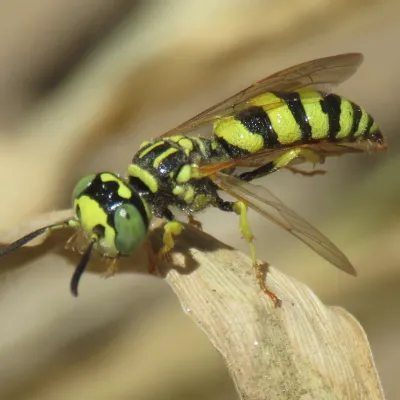
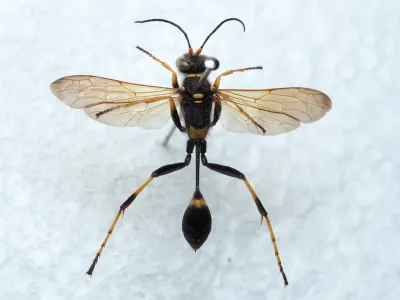
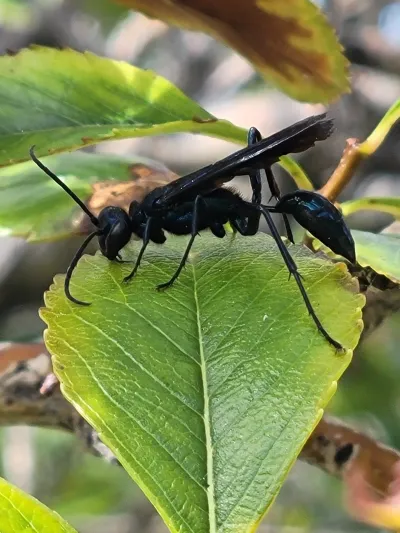
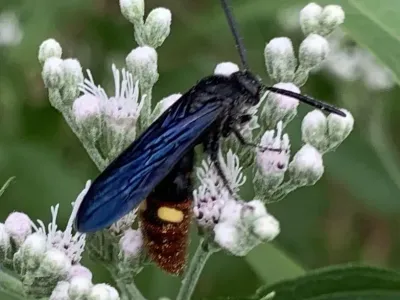
Commonly Confused With
Tiphiid Wasps are often mistaken for these similar pests
Where Tiphiid Wasps Are Found
Hover over states to see their names. Green regions indicate where tiphiid wasps have been reported.
Common Questions about Tiphiid Wasps
Are tiphiid wasps dangerous to people?
+
Tiphiid wasps are not aggressive and rarely sting people. Females have a stinger they use to paralyze beetle grubs, but they do not defend a nest. They will only sting if you handle them directly.
Why are tiphiid wasps flying low over my lawn?
+
When you see small black wasps hovering just above the grass, it is likely a female tiphiid wasp searching for scarab beetle grubs in the soil. This behavior means your lawn has white grubs underground.
Do tiphiid wasps build nests?
+
Tiphiid wasps are solitary and do not build visible nests. Each female works alone, digging into the soil to find beetle grubs. There is no paper comb, hive, or colony to find or remove.
How do you reduce tiphiid wasp activity in a yard?
+
The most effective way to lower tiphiid wasp numbers is to treat the scarab grub population that draws them in. Lawn grub treatments, nematode applications, and milky spore products all reduce the food source that attracts these wasps.
How can I tell tiphiid wasps apart from other wasps?
+
Tiphiid wasps are smaller than most wasps you see around the home, typically under half an inch long. They have shiny black bodies with little hair and a compact build. Their low-flying behavior over turf and visits to flowers set them apart from yellowjackets or paper wasps.
What time of year are tiphiid wasps most active?
+
Tiphiid wasp activity depends on the species. Spring tiphia wasps are most active from late April through June. Late-summer species peak from July through September. Both groups target different life stages of scarab beetle grubs.
Do tiphiid wasps damage my lawn or garden?
+
Tiphiid wasps cause no damage to lawns, gardens, or structures. The small amount of soil they move while digging to reach grubs is minor. The grubs they hunt, however, can cause real turf damage by feeding on grass roots.

With five years of hands-on experience in the pest control industry, George Schulz is a registered technician with the Virginia Pest Management Association and a proud third-generation professional in a family business that's been protecting homes for over 58 years. He manages and trains a team of service pros while also leading internal research efforts—recently spearheading a deep-dive review of thousands of documents on pest control materials to hand-pick the most kid and pet friendly, most effective solutions tailored specifically for homes in the DC metro area.
Local Wasps Help
Dealing with wasps at home? Our licensed technicians provide pest control across Northern Virginia and Maryland.
