Sod Webworm Identification Guide
Crambinae spp. (e.g., Pediasia trisecta, Parapediasia teterrellus)
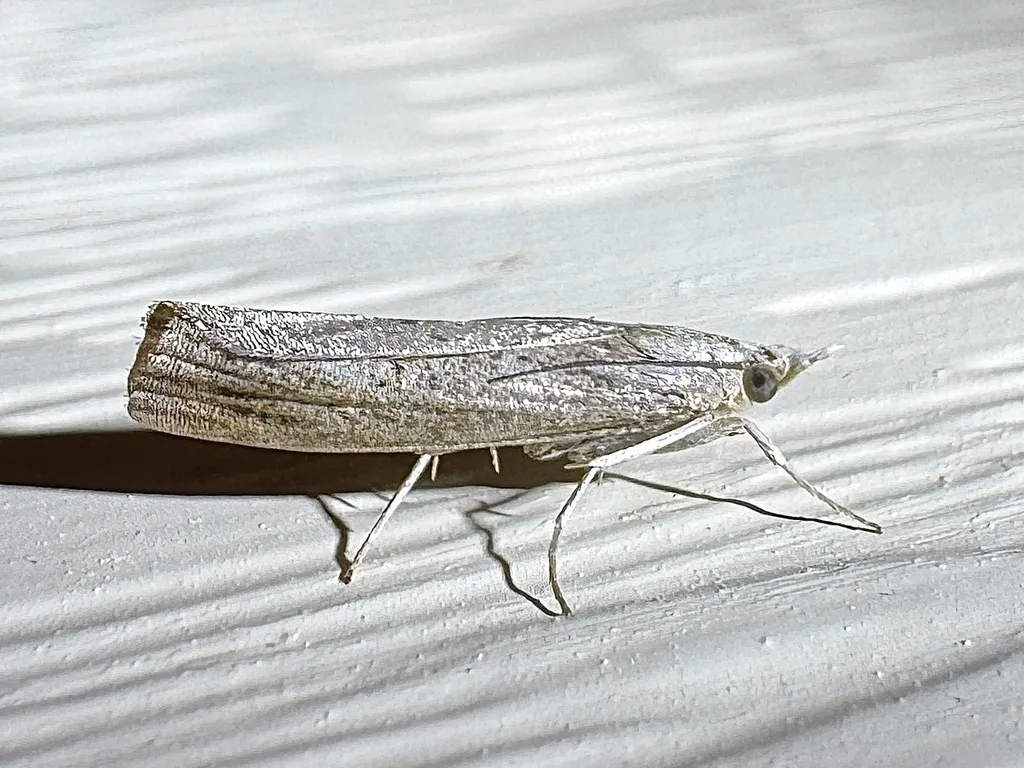
Sod webworms are the caterpillars of small, tan lawn moths that rest with their wings rolled into a tube. The moths are harmless, but the larvae chew grass blades at night and leave brown, baseball-sized patches in sunny lawns in mid to late summer.
Taxonomy
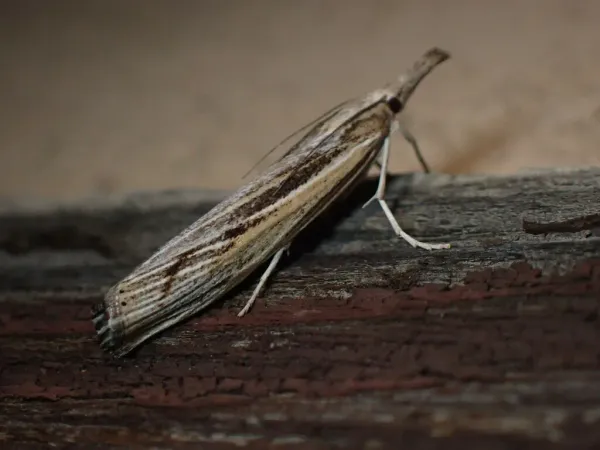
Sod Webworm Coloration
Common color patterns to help identify sod webworm
Sod Webworm
Seasonal Activity
When sod webworm are most active throughout the year

Where Sod Webworm Are Found
Hover over states to see their names. Green regions indicate where sod webworm have been reported.
Sod Webworm Identification Guide
“Sod webworm” is the common name for the caterpillars of a group of small lawn moths called grass-veneers. Most belong to the subfamily Crambinae in the family Crambidae. A Virginia Tech study found at least 16 sod webworm species in Virginia alone. The adults are harmless. The larvae are the turf pest.
Homeowners usually notice the moths first. On summer evenings, they flutter in short, zigzag flights a few inches above the grass. When you walk across the lawn, they pop up, fly a short way, and drop back into the turf.
Physical Characteristics
Adult moths:
- Size: About 1/2 to 3/4 inch long, with a wingspan of 3/4 to 1 inch
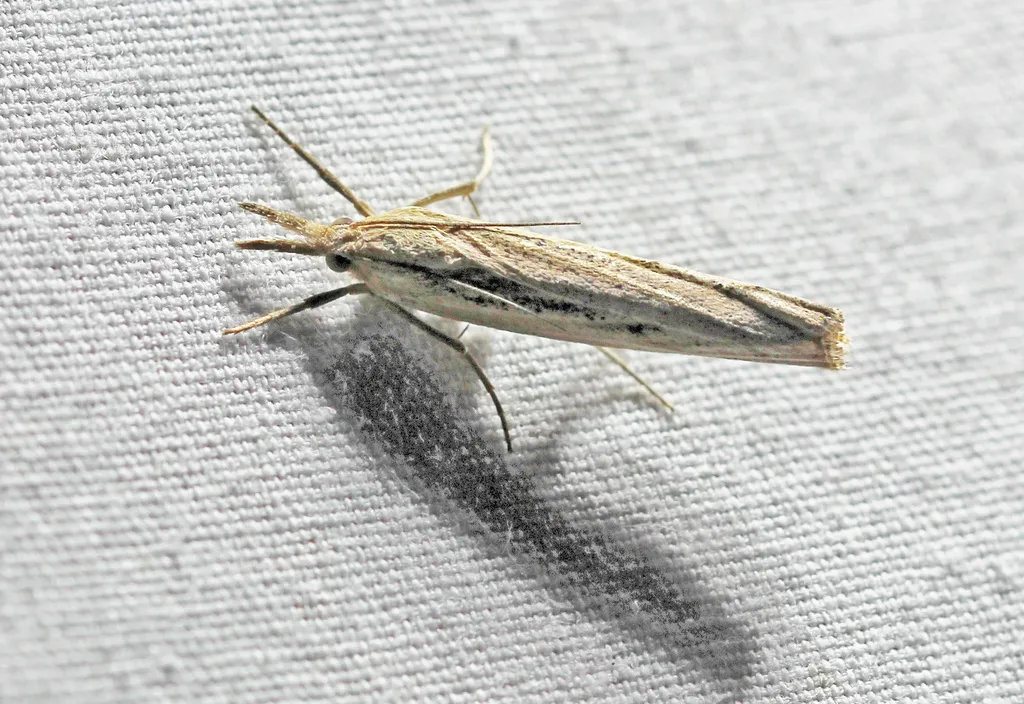
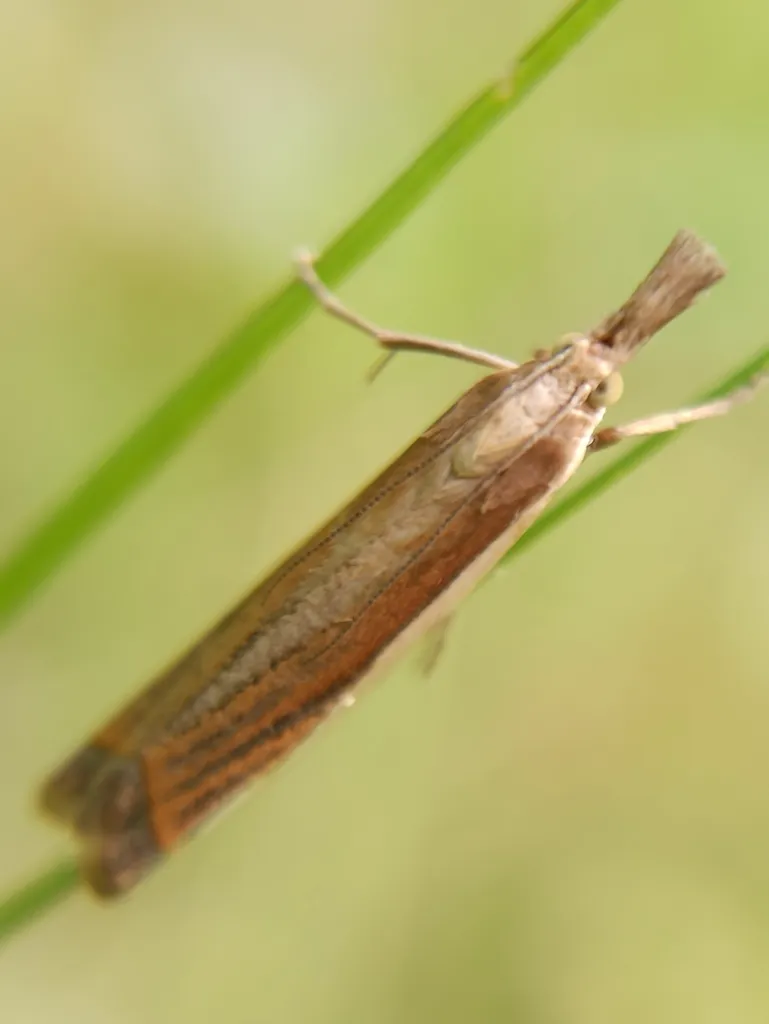
- Color: Dull tan, buff, cream, or light gray. Many species have silver, gold, or brown streaks running the length of the wings.
- Shape at rest: Wings wrap tightly around the body, so the moth looks like a thin tube or a rolled-up piece of straw
- The “snout”: Two long mouthparts (palps) stick straight out from the front of the head. This is why they are also called snout moths.
Larvae (the damaging stage):
- Size: About 1/8 inch when they hatch, growing to 3/4 to 1 inch
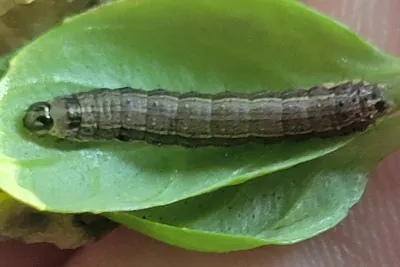
- Color: Beige, gray, green, or brown, usually with rows of dark spots and a few coarse hairs
- Home: Silk-lined tunnels in the thatch, often with small, moist green droppings nearby
How It Differs From Look-Alikes
- Webworms and fall webworms: Fall webworm caterpillars build large silk tents on tree branches. Sod webworms stay in the lawn and never make tree nests.
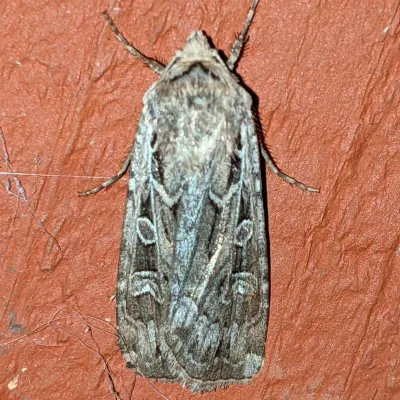
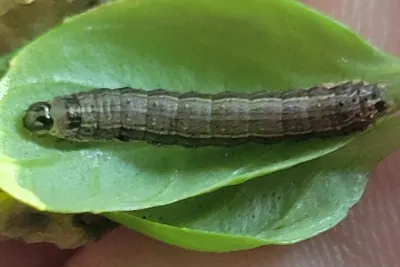
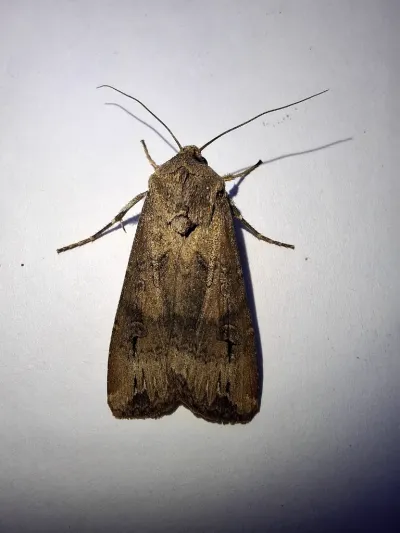
- Fall armyworms: Also eat grass, but the caterpillars are larger, with an upside-down “Y” on the head, and they feed in large groups that move across a lawn in a day or two. The moths are stout and gray-brown, not slim and tube-shaped.
- Black cutworms: Greasy gray caterpillars that cut grass and seedlings at night. They curl into a C when disturbed and are often larger than sod webworms.
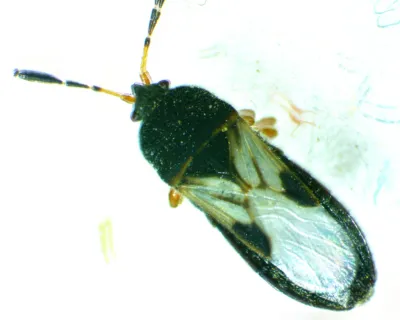
- Chinch bugs: Cause similar yellow-brown patches in hot, sunny turf. But chinch bugs are tiny black-and-white true bugs that suck sap. You will not find chewed blades, silk, or caterpillars.
- White grubs: C-shaped beetle larvae that eat roots. Grub-damaged turf lifts up like loose carpet. Sod webworm turf stays anchored.
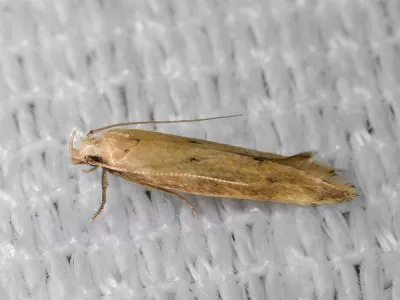
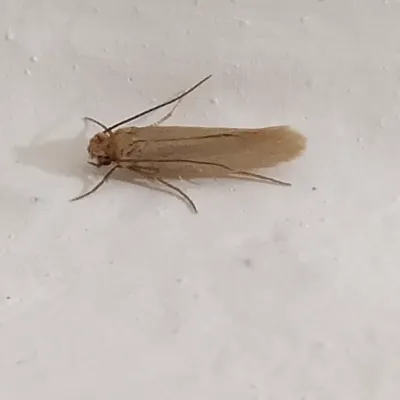
- Clothes moths: Also small and tan, but they live indoors, avoid light, and feed on wool. A tube-shaped moth with a snout near your porch light came from the lawn.
Common Species
- Larger sod webworm (Pediasia trisecta): One of the most widespread species across the northern and central U.S. and southern Canada
- Bluegrass webworm (Parapediasia teterrellus): Common in cool-season lawns in the East and Midwest
- Silver-striped webworm (Crambus praefectellus): Tan wings with a bright silver stripe
- Vagabond crambus (Agriphila vulgivagellus): A late-summer flier, common in lawns and pastures
- Cranberry girdler (Chrysoteuchia topiaria): Feeds on roots and crowns and is common in the Pacific Northwest
- Tropical sod webworm (Herpetogramma phaeopteralis): A Southern species from the Carolinas to Texas that attacks St. Augustinegrass and bermudagrass. Unlike the others, it holds its wings flat.
Sod Webworm Behavior and Biology
Habitat
Sod webworms live in turfgrass, pastures, and grassy fields. Damage is worst in sunny, dry areas such as slopes, the strip along a driveway, and lawns that are stressed by drought. In the North and Mid-Atlantic, they feed on Kentucky bluegrass, perennial ryegrass, fine fescue, and bentgrass. In the South, the tropical sod webworm prefers warm-season grasses.
During the day, adult moths hide in the grass or on nearby shrubs, fences, and siding. At night they fly low over the lawn, and many are drawn to outdoor lights.
Diet
Adult moths do not damage plants. The larvae eat grass. Young caterpillars scrape the surface of the blades. Older ones chew blades off just above the crown and pull them into their tunnels to eat.
Life Cycle
- Winter: Most species spend the winter as partly grown larvae in silk shelters a few inches down in the thatch.
- Spring: The larvae feed for a short time, then pupate in the soil.
- Late spring to early summer: Moths emerge. Females fly over the grass at dusk and drop eggs into the turf as they go.
- Summer: Eggs hatch in about 1 to 2 weeks. Larvae feed at night for several weeks.
- Repeat: Many species have two generations a year in the Mid-Atlantic. The second generation causes most of the damage in July and August. In the Deep South, tropical sod webworm damage peaks from September through November.
Signs of Damage
- Small yellow or brown patches, often about the size of a baseball, that grow and merge
- Grass blades clipped short, with green, pellet-like droppings in the thatch
- Silk-lined tunnels near the soil
- Pencil-sized holes from birds probing for larvae
- Damage that looks like drought stress and gets worse in hot, dry weather
Treatment Methods for Sod Webworms
Sod webworms are a lawn care problem, not a household pest. Our pest control plans do not treat turfgrass. For a damaged lawn, contact a licensed lawn care company or your local cooperative extension office. Extension turf experts suggest these steps:
- Confirm the cause first: Use the soap flush test described in the FAQs at the edge of a brown patch. Brown patches can also come from drought, disease, grubs, or chinch bugs. Penn State Extension suggests treatment may be worth it at about 10 to 15 larvae per square yard.
- Help the grass recover: Water deeply during dry spells and mow at the right height for your grass type. Avoid heavy nitrogen in spring and summer, which builds thatch. Most lawns grow back once feeding stops.
- Choose resistant grass: When you overseed, ask for endophyte-enhanced perennial ryegrass, tall fescue, or fine fescue. These grasses contain a natural fungus that discourages caterpillars.
- Lower-impact options: Insect-killing nematodes (Steinernema carpocapsae) and Bacillus thuringiensis (Bt) products labeled for sod webworms work best on young larvae. Apply them in the evening and water them in.
- Insecticides: If a lawn professional uses one, timing matters. University of Massachusetts experts suggest treating about two to three weeks after a peak in moth flights, late in the day, when larvae are small. Always follow the label.
What we can help with: Sod webworm moths that drift in through an open door cannot breed indoors, so you can simply vacuum them up. If small moths keep showing up in your kitchen, they are more likely pantry moths. Our pantry pest control service handles those. For ants, spiders, and other pests moving from the yard to your house, our TriGuard pest control plan treats the outside of the home with EPA-registered products and includes unlimited free callbacks between visits.
References
- Sod Webworms in Home Lawns, Penn State Extension
- Sod Webworms, UMass Extension Turf Program
- Sod Webworms: Biology and Management in Turfgrass, University of Georgia Extension (C1156)
- Sod Webworms and Cranberry Girdler, Utah State University Extension
- Sod Webworm Fact Sheet, University of New Hampshire Extension
- Sod Webworms in Lawns, University of Maryland Extension
Other Moths
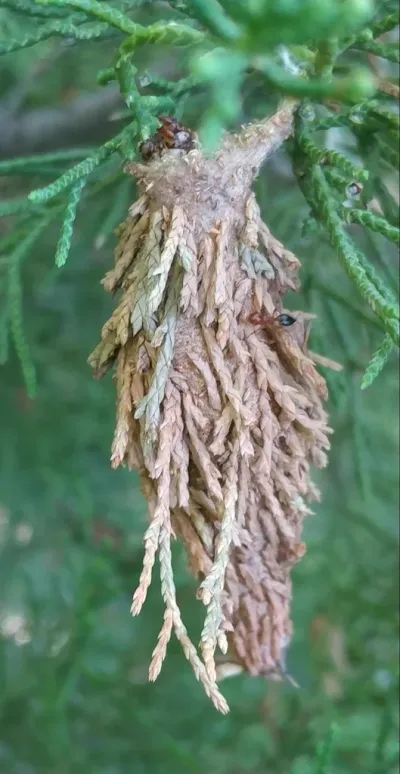
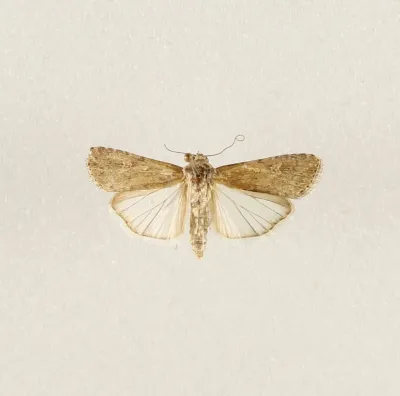
Explore other species in the moths family
Commonly Confused With
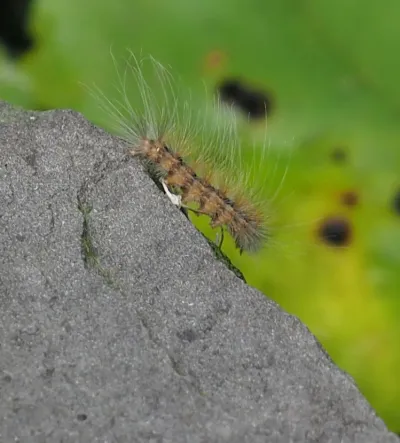
Sod Webworm are often mistaken for these similar pests
Where Sod Webworm Are Found
Hover over states to see their names. Green regions indicate where sod webworm have been reported.
Common Questions about Sod Webworm
Are the little tan moths flying over my lawn a problem?
+
Not by themselves. Sod webworm moths do not bite, sting, or eat anything in your home. They are a sign that eggs are being dropped into the grass. Penn State Extension notes that most lawns can handle a moderate number of larvae, so check for caterpillars before you treat anything.
How do I know if sod webworms are damaging my lawn?
+
Look for small brown patches, often about the size of a baseball, in sunny spots during July and August. Part the grass at the edge of a patch. Blades chewed off near the soil, silk-lined tunnels in the thatch, and small green droppings point to sod webworms. Birds pecking holes in the patches is another clue.
What is the soap flush test?
+
Mix about 1 to 2 tablespoons of dish soap into a gallon of water and pour it over one square yard at the edge of a brown patch. Caterpillars come to the surface within a few minutes. Penn State Extension suggests that treatment may make sense when you find about 10 to 15 larvae per square yard. Rinse the area with plain water afterward.
Do sod webworm moths come inside the house?
+
Sometimes, but only by accident. Like many moths, they fly to porch lights at night and can slip in through an open door. They cannot breed indoors because the larvae need living grass. If small moths keep showing up in your kitchen or closets, you are more likely dealing with pantry moths or clothes moths.
Does Better Termite treat lawns for sod webworms?
+
No. Our plans cover pests in and around the home, not turfgrass. For lawn damage, contact a licensed lawn care company or your local cooperative extension office. If you have pest problems at the house itself, such as ants, spiders, or pantry moths, we can help with those.
Will a lawn recover from sod webworm damage?
+
Usually, yes. Sod webworms chew the blades but rarely kill the crown and roots of healthy grass. Watering during dry spells and a light feeding in fall help most lawns grow back. Badly thinned areas may need overseeding.
How is a sod webworm different from a grub?
+
Sod webworms are thin caterpillars that feed on grass blades at night. Grubs are fat, white, C-shaped beetle larvae that eat the roots underground. Grub-damaged turf peels back like a loose rug. Sod webworm damage stays rooted, but the blades are clipped short.

With five years of hands-on experience in the pest control industry, George Schulz is a registered technician with the Virginia Pest Management Association and a proud third-generation professional in a family business that's been protecting homes for over 58 years. He manages and trains a team of service pros while also leading internal research efforts—recently spearheading a deep-dive review of thousands of documents on pest control materials to hand-pick the most kid and pet friendly, most effective solutions tailored specifically for homes in the DC metro area.
Local Moths Help
Dealing with moths at home? Our licensed technicians provide pest control across Northern Virginia and Maryland.
