Moths
Lepidoptera (various families)
Moths are fabric and food pests that damage clothing, carpets, and stored pantry goods. The larvae cause the damage by feeding on natural fibers like wool and silk or stored grains and dried foods.
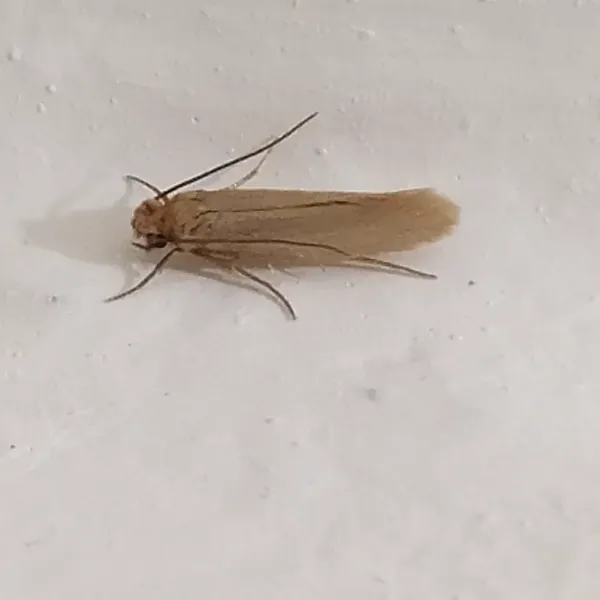
Moth Identification Guide
Physical Characteristics
Moths are winged insects in the order Lepidoptera. Pest moths that infest homes are generally small, measuring 6-25mm in wingspan. Unlike the large, colorful moths attracted to porch lights, household pest moths are small, dull-colored, and often avoid light. They have narrow wings with fringed edges and tend to flutter close to the ground or walls.
Adult moths have reduced mouthparts and may not feed at all during their short adult lives. Their sole purpose is to mate and lay eggs. The larvae (caterpillars) cause all the damage by feeding on fabrics or stored foods.
Common Species
-
Webbing Clothes Moth (Tineola bisselliella): Small golden-tan moths about 6-7mm long. Larvae spin silken tubes as they feed on wool and other natural fibers.
-
Casemaking Clothes Moth (Tinea pellionella): Grayish-brown with dark spots. Larvae build portable cases from fabric fibers.
-
Indian Meal Moth (Plodia interpunctella): The most common pantry moth. Adults have distinctive two-toned wings with copper-colored outer portions.
-
Mediterranean Flour Moth (Ephestia kuehniella): Gray moths that infest flour and grain products.
Moth Behavior and Biology
Moths undergo complete metamorphosis: egg, larva, pupa, and adult. The lifecycle ranges from 2 months to over 2 years depending on species, temperature, and food availability.
Female moths lay eggs near food sources. Clothes moths lay eggs on wool, silk, fur, and feathers. Pantry moths lay eggs directly on or near stored food products. Eggs hatch in 4-10 days under warm conditions.
Larvae are the damaging stage. They feed continuously, molting multiple times before pupating. Clothes moth larvae prefer soiled fabrics containing sweat, food stains, or body oils. Pantry moth larvae tunnel through grains, cereals, and dried foods, leaving behind silk webbing and frass. Homeowners sometimes confuse moth damage with carpet beetle damage, but the two pests leave different evidence behind.
Pupation occurs in silk cocoons, often in hidden locations like fabric folds or crevices. Adults emerge in 1-4 weeks and live only 2-4 weeks, focused entirely on reproduction.
How We Treat for Moths
Moth control requires identifying the species, locating the source, and treating all life stages.
-
Thorough inspection: We identify whether you have clothes moths, pantry moths, or both. We locate the infestation source and check all potential breeding sites.
-
Source elimination: For pantry moths, infested food products must be discarded. For clothes moths, affected items are cleaned, frozen, or treated with heat.
-
Treatment application: We apply targeted treatments to areas where larvae develop. This includes closet floors and shelves for clothes moths, and pantry shelving for food moths.
-
Monitoring: Pheromone traps help track moth activity and confirm when the infestation is eliminated.
-
Prevention guidance: We provide recommendations for proper storage, cleaning practices, and ongoing prevention.
References and Further Reading
Types of Moths
Click on any species below to learn more about identification, behavior, and control methods.
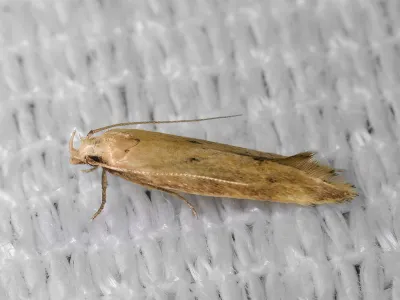
Angoumois Grain Moth
Sitotroga cerealella
The Angoumois grain moth is a serious stored grain pest that infests whole kernels of corn, wheat, rice, and other grains. Unlike most pantry moths, the larvae develop entirely inside a single grain kernel, making early detection difficult.
View identification guide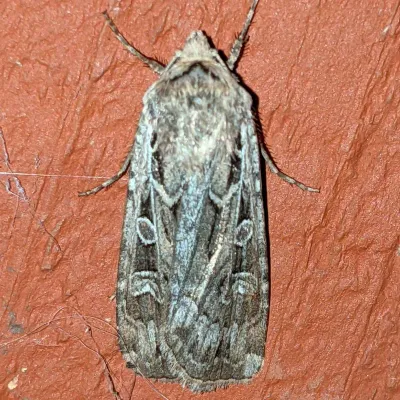
Army Cutworm
Euxoa auxiliaris
The army cutworm is a destructive caterpillar pest found across the Great Plains and western North America. These nocturnal larvae feed on a wide range of crops and garden plants, sometimes moving in large groups that strip entire fields overnight.
View identification guide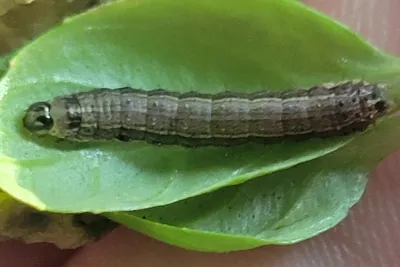
Armyworms
Spodoptera frugiperda
Armyworms are destructive caterpillars that can devastate lawns and turf grass in just a few days, moving across yards in large groups like an army.
View identification guide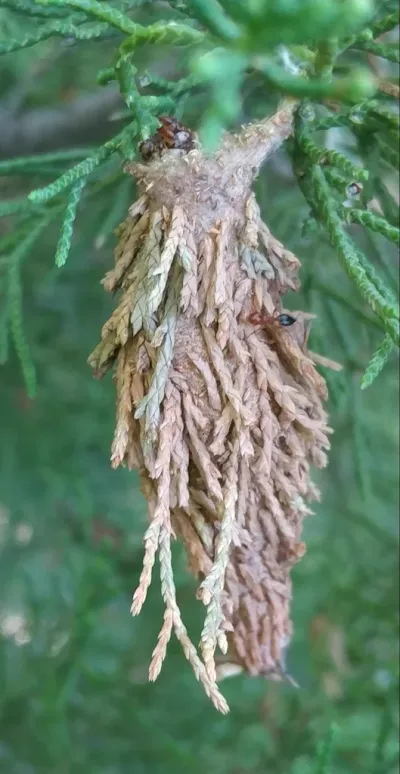
Bagworms
Thyridopteryx ephemeraeformis
Bagworms are moth larvae that construct distinctive spindle-shaped bags from silk and plant debris. They are destructive landscape pests that can defoliate and kill evergreen trees and shrubs.
View identification guide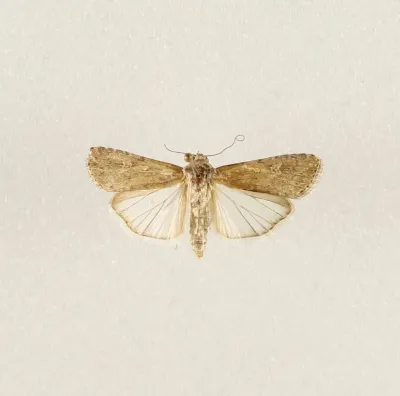
Beet Armyworms
Spodoptera exigua
Beet armyworms are destructive caterpillar pests that feed on over 250 plant species, causing significant damage to vegetables, field crops, and ornamentals across North America.
View identification guide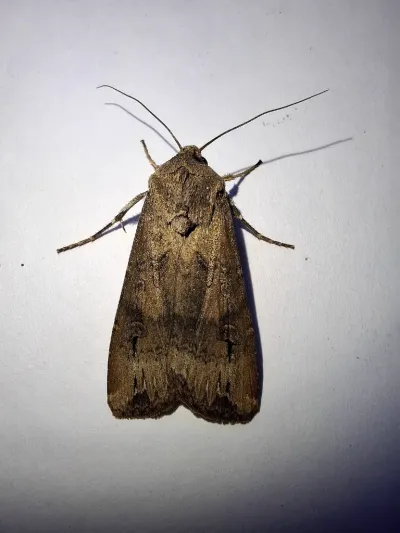
Black Cutworm
Agrotis ipsilon
The black cutworm is one of the most destructive agricultural pests in North America. The adult moth, also known as the Ipsilon Dart, is a migratory species whose larvae cut through young plant stems at the soil line.
View identification guide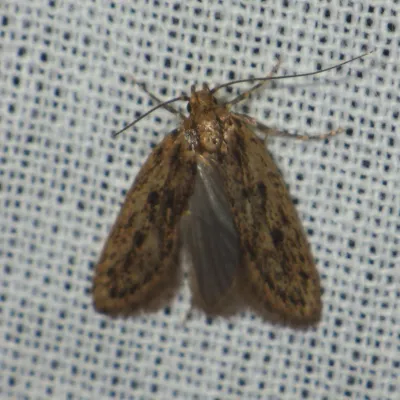
Brown House Moth
Hofmannophila pseudospretella
The brown house moth is a common household pest whose larvae damage textiles, stored foods, and other organic materials. Originally from Asia, this adaptable moth has spread throughout North America and is frequently found in homes year-round.
View identification guide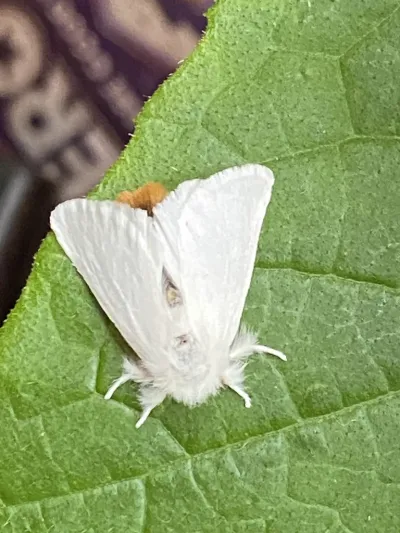
Browntail Moth
Euproctis chrysorrhoea
The browntail moth is an invasive species known for its toxic caterpillar hairs that cause severe skin rashes and respiratory problems. Currently found only in coastal Maine and Cape Cod, this pest defoliates hardwood trees and poses significant public health concerns.
View identification guide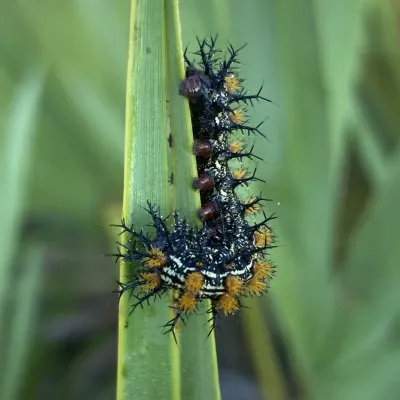
Buck Moth Caterpillars
Hemileuca maia
Buck moth caterpillars are dark, spiny stinging caterpillars that feed primarily on oak trees across eastern North America. Their hollow, branching spines deliver a painful sting on contact, causing immediate burning pain, welts, and swelling that can last several hours.
View identification guide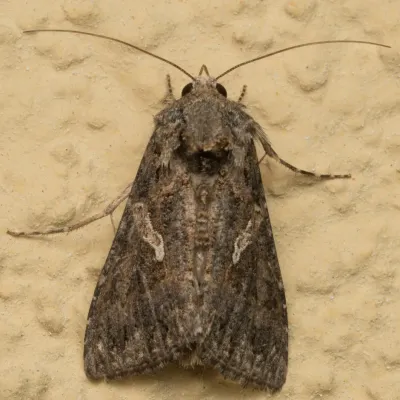
Cabbage Looper
Trichoplusia ni
The cabbage looper is a destructive garden and agricultural moth whose green caterpillars feed on cabbage, broccoli, and many other crops. Named for their distinctive looping crawl, these larvae can cause significant damage to vegetable gardens across North America.
View identification guide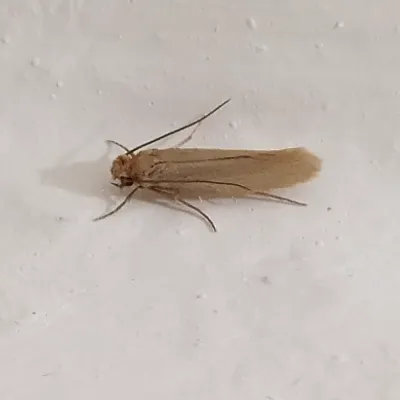
Carpet Moths
Tineola bisselliella
Carpet moths are fabric-destroying pests whose larvae feed on wool carpets, rugs, and other natural fiber floor coverings. These small, golden-tan moths cause significant damage to carpeting and textiles when left unchecked.
View identification guide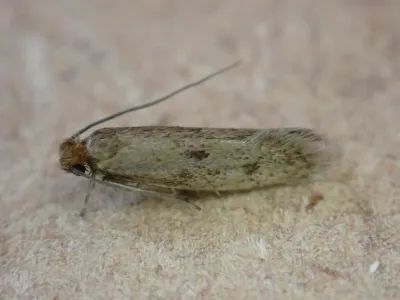
Casemaking Clothes Moth
Tinea pellionella
The casemaking clothes moth is a fabric-damaging pest whose larvae create distinctive portable silk cases as they feed on wool, fur, and other natural fibers. These secretive insects avoid light and can cause significant damage to clothing and textiles before being detected.
View identification guide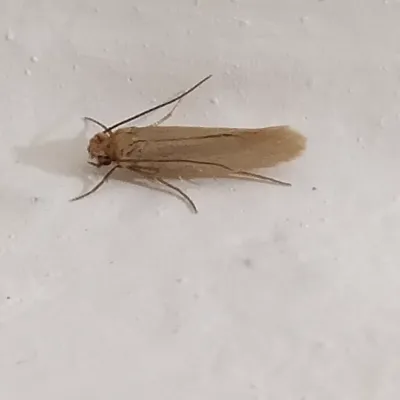
Clothes Moths
Tineola bisselliella & Tinea pellionella
Clothes moths are small, fabric-damaging insects whose larvae feed on wool, silk, fur, and other natural fibers. These secretive pests avoid light and can cause extensive damage to clothing and household textiles before being detected.
View identification guide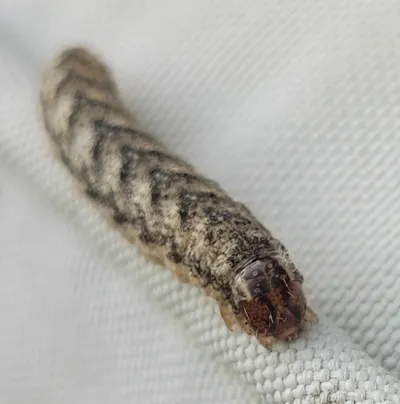
Cutworms
Noctuinae (various species)
Cutworms are the larvae of several species of night-flying moths. These caterpillars hide in soil during the day and emerge at night to feed on plant stems, often cutting young seedlings at the soil line.
View identification guide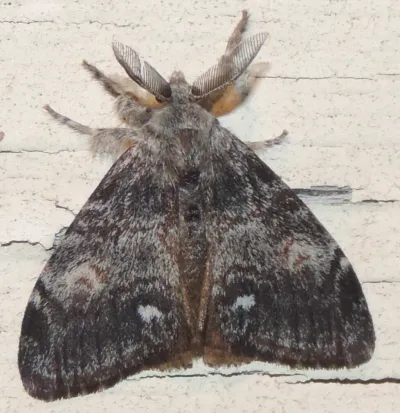
Douglas-fir Tussock Moth
Orgyia pseudotsugata
The Douglas-fir tussock moth is a native North American defoliator that primarily attacks Douglas-fir, true firs, and spruce trees in western forests. The colorful caterpillars can cause severe damage during periodic outbreaks.
View identification guide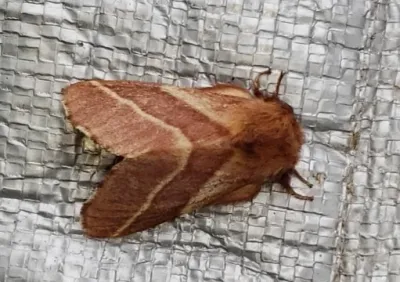
Eastern Tent Caterpillar Moth
Malacosoma americanum
The Eastern tent caterpillar moth is a common North American species whose larvae build distinctive silk tents in the branches of trees. While the adult moths are harmless, the caterpillars can defoliate fruit trees and ornamental plants in spring.
View identification guide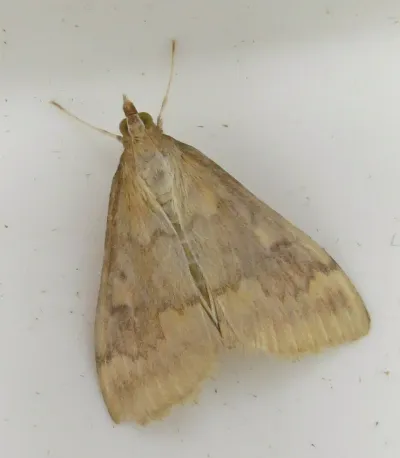
European Corn Borer
Ostrinia nubilalis
The European corn borer is an invasive moth species and one of the most destructive agricultural pests in North America. While primarily affecting corn and other crops, these moths may be attracted to outdoor lights near homes and occasionally enter structures.
View identification guide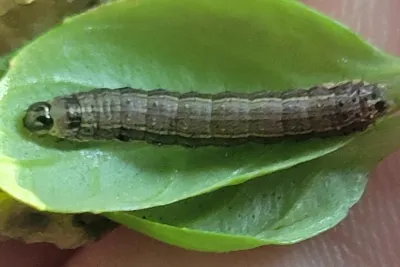
Fall Armyworm
Spodoptera frugiperda
The fall armyworm is a destructive agricultural and lawn pest native to the Americas. Large populations of these caterpillars can quickly devour turf grass, corn, and other crops, earning them the name 'armyworm' for their mass migration across fields.
View identification guide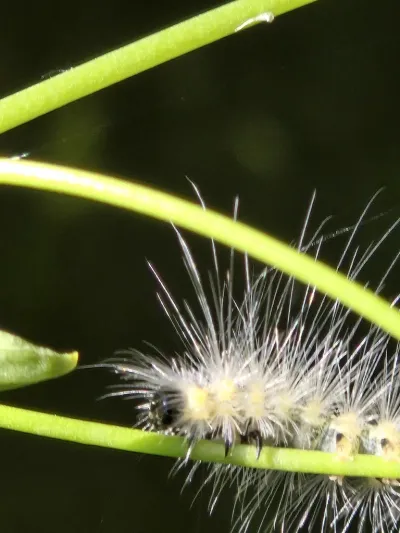
Fall Webworms
Hyphantria cunea
Fall webworms are caterpillars that create large, silky web nests on tree branches in late summer and fall, often defoliating ornamental and shade trees.
View identification guide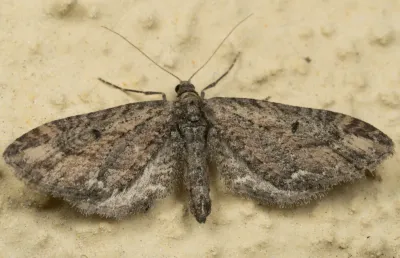
Inchworms
Geometridae (family)
Inchworms are the caterpillar larvae of geometer moths, named for their distinctive looping movement that appears to measure distances as they crawl. These common garden pests feed on tree and shrub foliage across North America.
View identification guide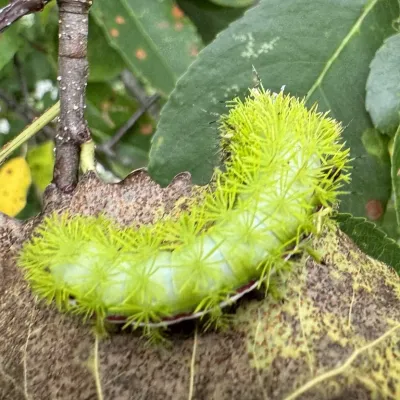
Io Moth Caterpillars
Automeris io
Io moth caterpillars are bright green stinging caterpillars covered in clusters of venomous, branching spines. Contact with their spines causes an immediate, painful sting that produces welts, redness, and swelling lasting several hours.
View identification guide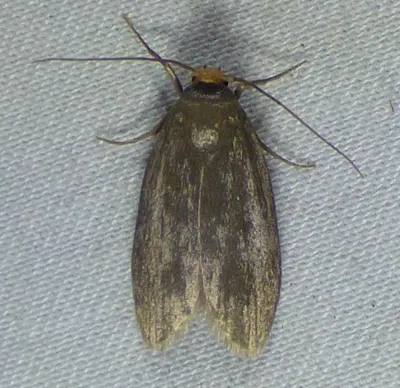
Lesser Wax Moth
Achroia grisella
The lesser wax moth is a small moth that infests honey bee hives and stored beeswax products. These moths damage active beehives, stored frames, and beekeeping supplies, making them a major concern for beekeepers.
View identification guide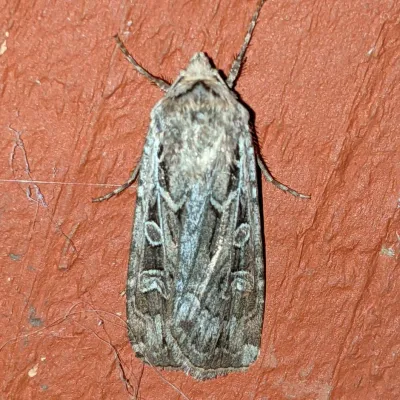
Miller Moth
Euxoa auxiliaris
The miller moth is the adult stage of the army cutworm, a common nuisance pest across the western United States and Great Plains. Named for the dusty wing scales they shed like flour from a mill, these moths migrate in large numbers each spring and frequently invade homes seeking shelter.
View identification guide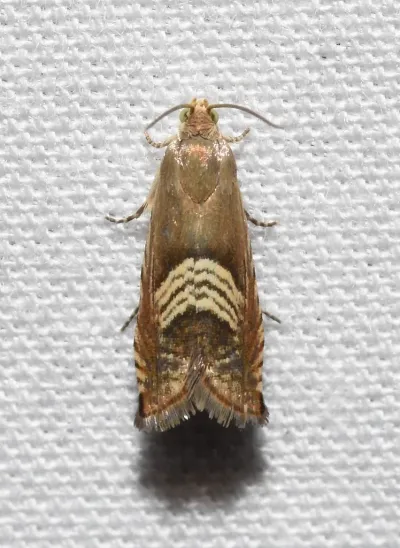
Oriental Fruit Moth
Grapholita molesta
The Oriental fruit moth is a significant agricultural pest that attacks peaches, apples, pears, and other stone and pome fruits. Originally from China, this small gray-brown moth has spread throughout North America, where its larvae bore into growing shoots and ripening fruit.
View identification guide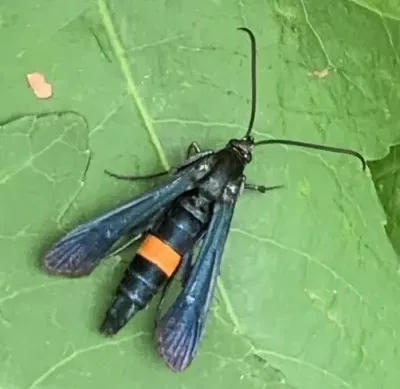
Peachtree Borer Moth
Synanthedon exitiosa
The peachtree borer moth is a destructive clearwing moth whose larvae bore into the trunks of peach, plum, cherry, and other stone fruit trees. Adults closely resemble wasps but do not sting.
View identification guide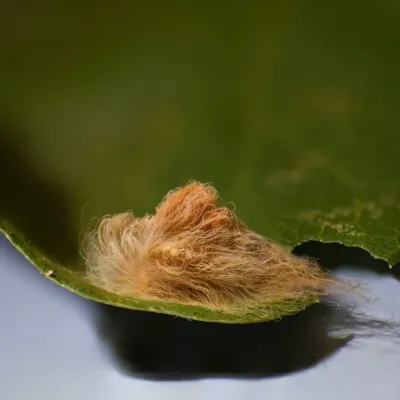
Puss Caterpillars
Megalopyge opercularis
Puss caterpillars are among the most venomous caterpillars in North America. Covered in soft, hair-like setae that conceal sharp, hollow spines, even brief contact with this caterpillar delivers an intensely painful sting that can cause welts, swelling, and in rare cases systemic reactions.
View identification guide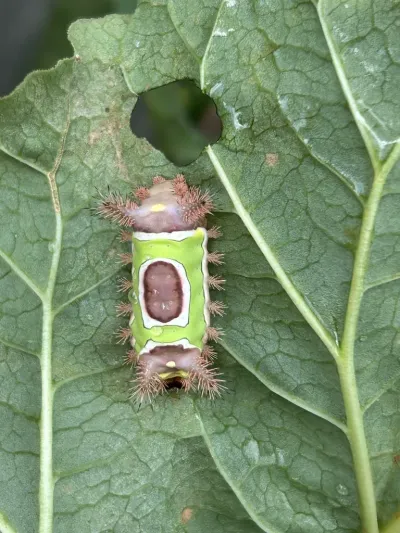
Saddleback Caterpillars
Acharia stimulea
Saddleback caterpillars are stinging slug caterpillars with a distinctive green saddle-shaped marking on their backs. Their venomous spines deliver a painful sting that can cause welts, swelling, and allergic reactions in some people.
View identification guide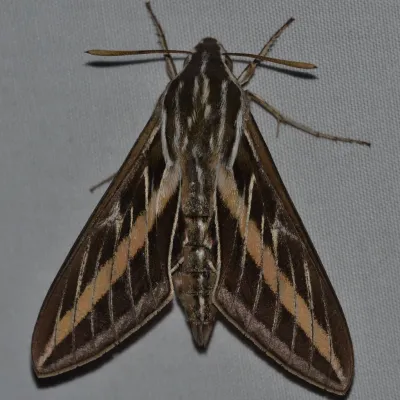
Sphinx Moths
Sphingidae
Sphinx moths are large, powerful fliers also known as hawk moths. Their caterpillars, commonly called hornworms, are familiar garden pests that can rapidly defoliate tomatoes, peppers, and other plants.
View identification guide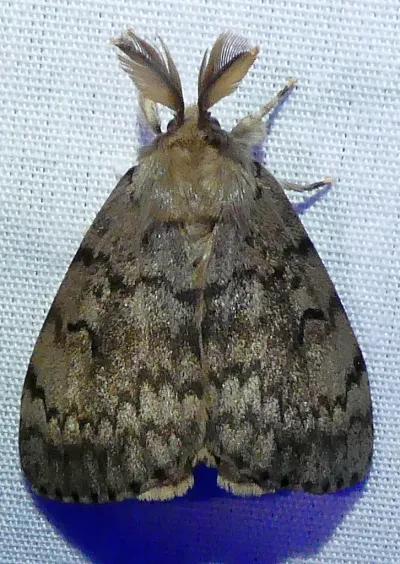
Spongy Moths
Lymantria dispar
Spongy moths are one of the most destructive forest pests in North America. Their caterpillars defoliate hundreds of tree species, causing significant damage to forests, landscapes, and urban trees throughout the eastern United States and Canada.
View identification guide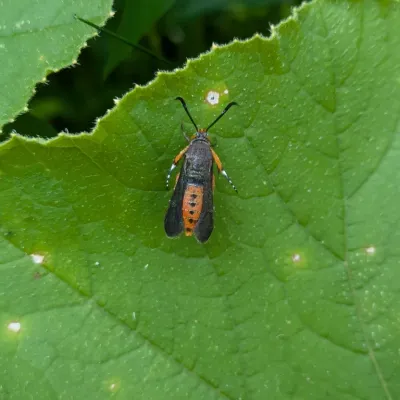
Squash Vine Borer
Melittia cucurbitae
The squash vine borer is a clearwing moth whose larvae bore into the stems of squash, pumpkins, and other cucurbits, often killing the plants from the inside out.
View identification guide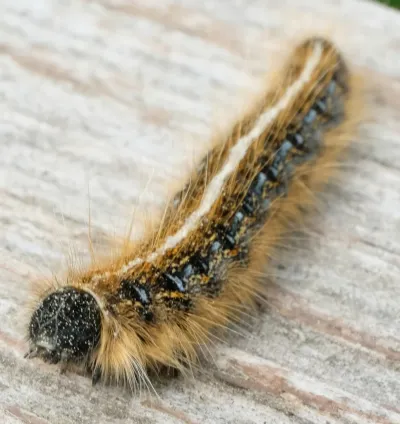
Tent Caterpillars
Malacosoma spp.
Tent caterpillars are hairy moth larvae known for building distinctive silk tents in tree branches. These colonial caterpillars can defoliate ornamental and fruit trees during spring infestations.
View identification guide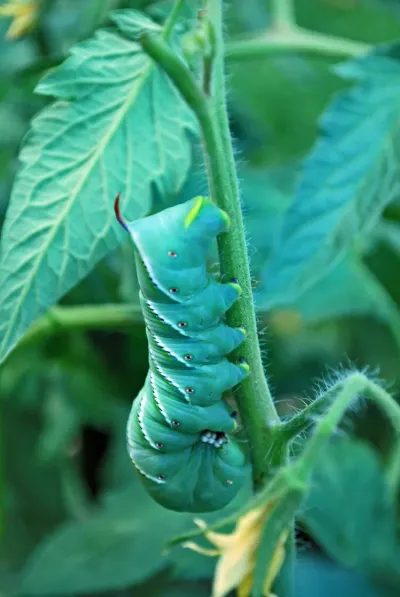
Tobacco Hornworm
Manduca sexta
The tobacco hornworm is a large green caterpillar that feeds voraciously on tomato, pepper, tobacco, and other plants in the nightshade family. These conspicuous garden pests can rapidly defoliate plants but rarely require professional pest control.
View identification guide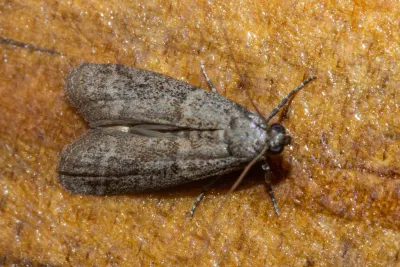
Tobacco Moth
Ephestia elutella
The tobacco moth is a common stored product pest that infests dried foods, grains, cocoa, nuts, and tobacco products. These small grayish-brown moths cause significant damage in homes and food storage facilities throughout North America.
View identification guide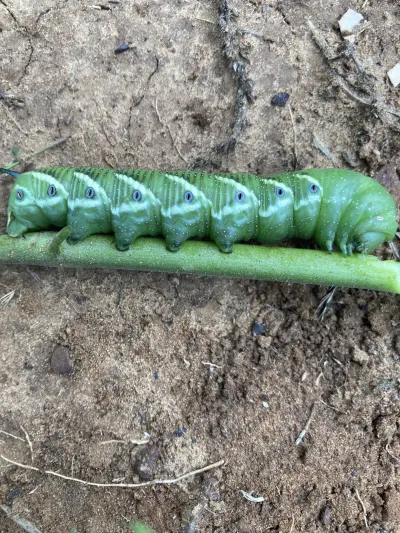
Tomato Hornworms
Manduca quinquemaculata
Tomato hornworms are large green caterpillars that feed on tomato, pepper, and eggplant. They are the larval stage of the five-spotted hawk moth and can quickly defoliate garden plants.
View identification guide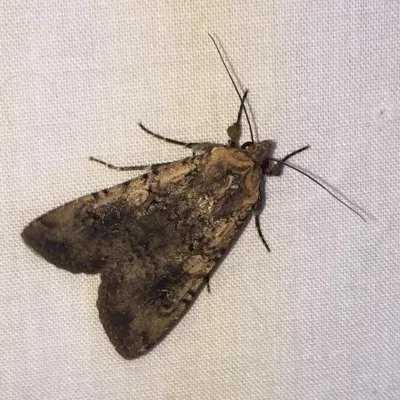
Variegated Cutworm
Peridroma saucia
The variegated cutworm is a destructive garden and agricultural pest. The larvae feed on a wide range of plants, cutting stems at ground level and damaging leaves and fruits. Adult moths are known as pearly underwing moths.
View identification guide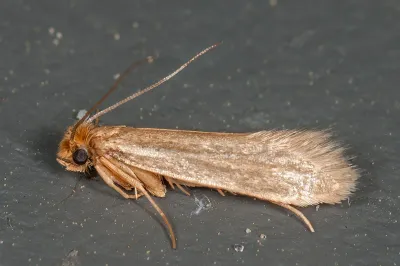
Webbing Clothes Moth
Tineola bisselliella
The webbing clothes moth is the most common and destructive fabric pest worldwide. These small, golden-tan moths avoid light and their larvae cause significant damage to wool, silk, fur, and other natural fiber items stored in dark, undisturbed areas.
View identification guide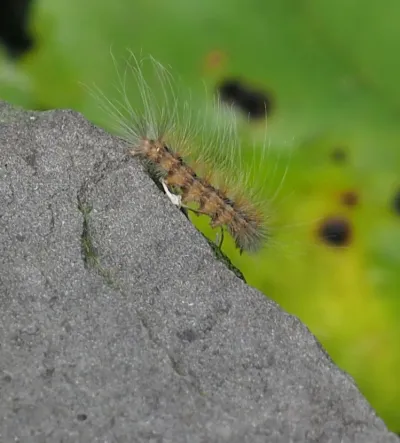
Webworms
Hyphantria cunea / Crambidae spp.
Webworms are caterpillar larvae of moths that create distinctive silken webs on trees and lawns. Fall webworms damage ornamental trees while sod webworms destroy turfgrass.
View identification guide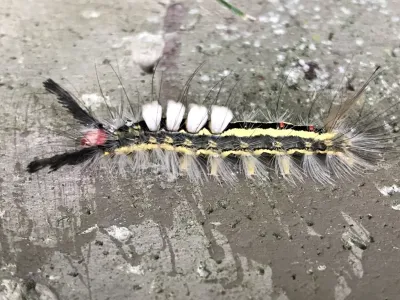
White-marked Tussock Moth
Orgyia leucostigma
The white-marked tussock moth is a native North American insect known for its striking caterpillars. The larvae have distinctive white tufts, black hair pencils, and can defoliate a wide variety of trees in urban landscapes and forests.
View identification guide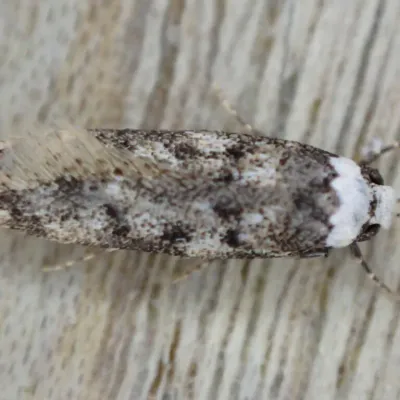
White-Shouldered House Moth
Endrosis sarcitrella
The white-shouldered house moth is a common household pest found worldwide in buildings year-round. Its larvae feed on a wide variety of dried organic materials including stored foods, grains, dried fruits, and occasionally textiles.
View identification guide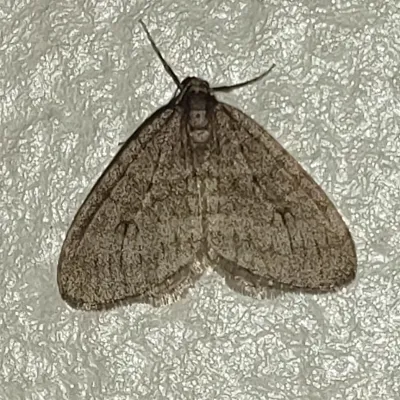
Winter Moth
Operophtera brumata
The winter moth is an invasive defoliating pest that causes significant damage to deciduous trees in late autumn and early spring. Their caterpillars feed aggressively on expanding leaf buds, flowers, and new foliage of oaks, maples, and fruit trees.
View identification guideCommon Questions about Moths
What types of moths damage homes?
+
Two main groups of moths cause problems in homes. [Clothes moths](/pests/moths/clothes-moths/) damage wool, silk, fur, and other natural fibers. Pantry moths infest stored foods like grains, cereals, flour, and dried fruits. In both cases, the larvae cause the damage, not the adult moths.
How do I know if I have moths?
+
For clothes moths, look for irregular holes in wool clothing, silken webbing on fabrics, and small cream-colored larvae. For pantry moths, check for webbing in food containers, small caterpillars in dry goods, and adult moths flying near ceilings in the kitchen. Our guide on [how to tell moths from butterflies](/moth-vs-butterfly/) can also help with identification.
Do moths bite humans?
+
No, moths do not bite humans. Adult moths have reduced mouthparts and often do not feed at all. The damage they cause is strictly to fabrics and stored foods.
How do moths get into my house?
+
Clothes moths can enter on infested clothing, furniture, or textiles from thrift stores and storage facilities. Pantry moths typically come in with purchased food products that were infested at the store or warehouse. Learn more about [the differences between clothes moths and pantry moths](/clothes-moth-vs-pantry-moth/).
How long does it take to get rid of moths?
+
Moth control typically takes 2-3 months due to their lifecycle. Larvae can survive for months and pupae resist many treatments. Consistent cleaning, proper storage, and sometimes professional treatment are needed to break the cycle.
Can I prevent moth infestations?
+
Yes. For clothes moths, clean items before storage, use airtight containers, and inspect secondhand items. For pantry moths, store dry goods in sealed containers, check groceries before storing, and use older products first.
Explore Other Pest Categories
Browse our comprehensive pest library for identification guides and control information.



With five years of hands-on experience in the pest control industry, George Schulz is a registered technician with the Virginia Pest Management Association and a proud third-generation professional in a family business that's been protecting homes for over 57 years.
Find Local Moth Control Services
We provide professional moths control throughout Virginia, Maryland, and the DC Metro area.