Lace Bugs
Tingidae
Lace bugs are small, delicate insects named for the lace-like pattern on their wings and thorax. They are common pests of ornamental trees and shrubs, causing distinctive stippled damage to leaves that can make plants unsightly and stressed.
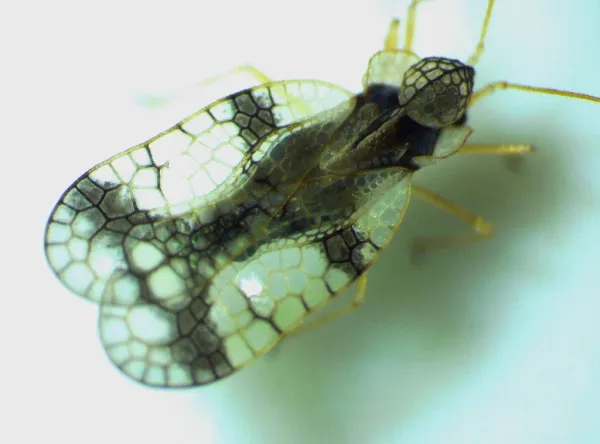
Lace Bug Identification Guide
Physical Characteristics
Lace bugs are small, flattened insects with intricate, lace-like patterns on their wings and the expanded portion of their thorax. This delicate network of cells gives them their common name. Adults are typically 1/8 to 1/4 inch long. Most are whitish, cream, or tan colored, though some have dark markings. Nymphs are darker, spiny, and wingless. Their stippling damage can sometimes be confused with feeding by whiteflies or plant bugs, but the dark fecal spots on leaf undersides are a telltale sign of lace bugs.
Common Species
-
Azalea Lace Bugs: Attack azaleas and rhododendrons, causing severe stippling damage. Among the most damaging landscape pests in their range.
-
Sycamore Lace Bugs: Target sycamore, plane trees, and some oaks. Can cause significant aesthetic damage to shade trees.
-
Hawthorn Lace Bugs: Feed on hawthorn, cotoneaster, and related plants. Common in ornamental landscapes.
-
Oak Lace Bugs: Affect various oak species, though damage is usually less severe than on other hosts.
-
Rhododendron Lace Bugs: Closely related to azalea lace bugs and cause similar damage to rhododendrons.
Lace Bug Behavior and Biology
Lace bugs overwinter as adults in leaf litter and bark crevices, and some species may enter homes seeking shelter in fall. They emerge in spring to lay eggs on leaf undersides, often along the midrib or major veins. Eggs hatch into spiny nymphs that go through several molts before becoming adults. Multiple generations occur each year, with populations building through summer.
Both adults and nymphs feed by inserting their needle-like mouthparts into leaf cells and extracting the contents. This feeding removes chlorophyll, causing the characteristic stippled or bleached appearance. Dark fecal spots accumulate on leaf undersides where they feed.
How We Treat for Lace Bugs
Our treatment approach targets lace bugs while protecting plant health:
-
Inspection: We examine affected plants to confirm lace bug presence, identify the species, and assess damage levels.
-
Timing: Treatments are most effective when applied early in the season before populations build and significant damage occurs.
-
Targeted Sprays: We apply contact treatments to leaf undersides where lace bugs feed and congregate. Thorough coverage is essential for control.
-
Systemic Options: For susceptible plants with recurring problems, systemic treatments can provide season-long protection by making plant tissues toxic to feeding insects.
-
Cultural Care: We provide recommendations for plant care that reduces stress and susceptibility, including proper watering, mulching, and avoiding planting susceptible species in hot, dry locations. Many of the same cultural practices that help manage lace bugs also reduce problems with aphids and other sap-feeding insects on ornamental plants.
Types of Lace Bugs
Click on any species below to learn more about identification, behavior, and control methods.
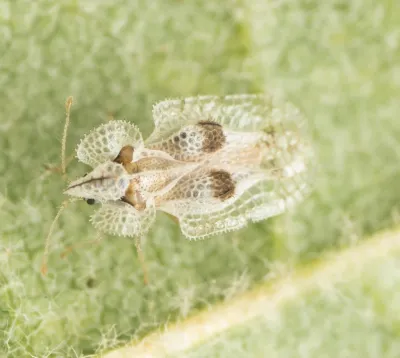
Hawthorn Lace Bugs
Corythucha cydoniae
Hawthorn lace bugs are small sap-feeding insects with delicate lace-patterned wings that feed on hawthorn, pyracantha, cotoneaster, and other rosaceous plants. They cause stippling damage to leaves and may enter homes seeking shelter in fall.
View identification guide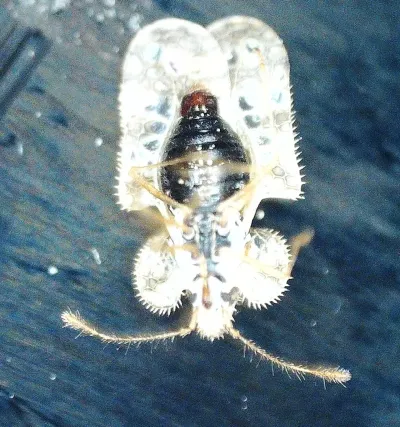
Oak Lace Bugs
Corythucha arcuata
Oak lace bugs are tiny sap-sucking insects with intricate lace-like wings that feed on oak tree foliage. They cause distinctive stippling damage to leaves and may enter homes seeking shelter in fall.
View identification guide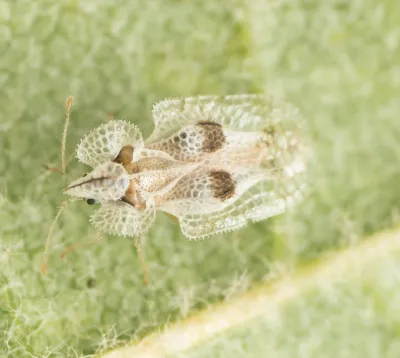
Rhododendron Lace Bugs
Stephanitis rhododendri
Rhododendron lace bugs are tiny, ornate insects that feed on the undersides of rhododendron and azalea leaves, causing distinctive stippling damage and reducing plant health.
View identification guide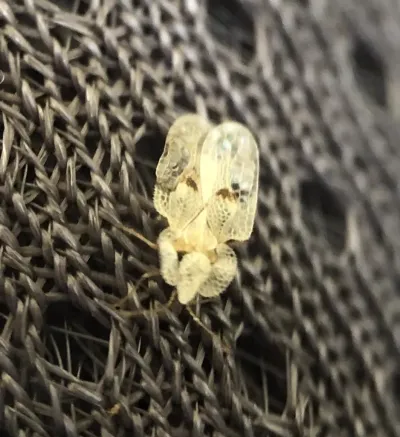
Sycamore Lace Bugs
Corythucha ciliata
Sycamore lace bugs are small, flat insects with delicate lace-like wings that feed on sycamore and plane tree leaves. They cause stippling damage and can become a nuisance when they invade homes seeking overwintering shelter.
View identification guideCommon Questions about Lace Bugs
What damage do lace bugs cause?
+
Lace bugs feed on the undersides of leaves, removing chlorophyll and causing a distinctive stippled or bleached appearance on the upper leaf surface. Heavily infested leaves may turn yellow, brown, or drop prematurely. Severe infestations can stress trees and shrubs.
What plants do lace bugs attack?
+
Different lace bug species target specific plants. Common hosts include azaleas, rhododendrons, sycamores, oaks, hawthorns, and lantana. Most species are plant-specific and won't spread to unrelated plants.
How do I know if my plants have lace bugs?
+
Look for pale stippling on upper leaf surfaces and dark fecal spots on leaf undersides. The bugs themselves are small and may be visible on leaf undersides along with their spiny nymphs. Damage typically appears in late spring and worsens through summer.
Do lace bugs bite humans?
+
No, lace bugs do not bite humans. Their mouthparts are designed only for piercing plant tissues. They are strictly plant pests and pose no direct threat to people or pets.
Can lace bugs kill my plants?
+
Lace bugs rarely kill established plants directly, but severe, repeated infestations can significantly stress plants and make them more susceptible to other problems. Young plants and those already under stress are at greater risk.
Explore Other Pest Categories
Browse our comprehensive pest library for identification guides and control information.



With five years of hands-on experience in the pest control industry, George Schulz is a registered technician with the Virginia Pest Management Association and a proud third-generation professional in a family business that's been protecting homes for over 57 years.
Find Local Lace Bug Control Services
We provide professional lace bugs control throughout Virginia, Maryland, and the DC Metro area.