Gnats
Nematocera (Suborder)
Gnats are small, flying insects that often appear in clouds near moist environments. These tiny pests can be a nuisance in homes, particularly around houseplants, drains, and areas with decaying organic matter.
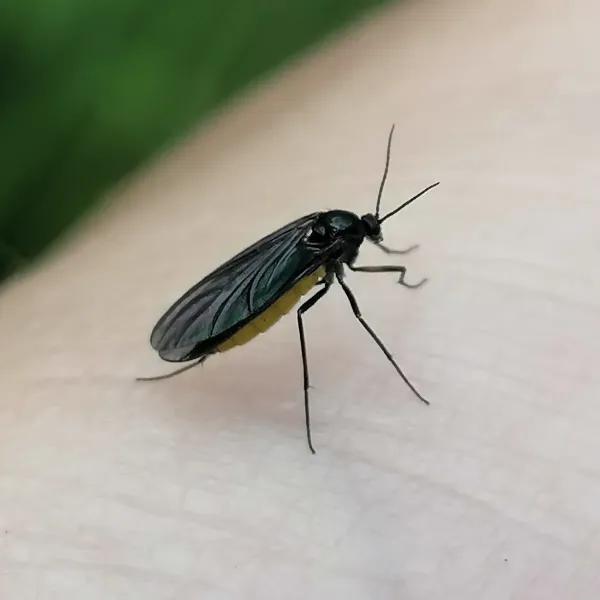
Gnat Identification Guide
Physical Characteristics
Gnats are small flying insects in the fly family. Most gnats are between 1 and 6 millimeters long. This makes them some of the smallest flying insects you will find in your home. Even though they are tiny, gnats can become a major problem when their numbers grow indoors.
The word “gnat” refers to several types of small flies, not just one species. These insects share common features: small size, thin bodies, and long legs compared to their body. Like all flies, gnats have one pair of wings. Their wings are thin and see-through.
Gnats have long antennae that are often longer than their heads. They have large eyes and mouthparts that vary by species. Colors range from black to gray, brown, tan, or yellow. Some species have markings on their bodies.
Common Gnat Species
Several types of gnats affect homeowners in North America:
-
Fungus Gnats: Dark gnats with long legs found near houseplants and wet soil. Adults are 2 to 5 millimeters long. Larvae are white with black heads.
-
Eye Gnats: Very small gnats, about 1.5 to 2.5 millimeters long. They are drawn to moisture around eyes, nose, and mouth. Most common in sandy areas of the Southeast and California.
-
Buffalo Gnats: Also called black flies. They are 1 to 5 millimeters long with a humped back. They breed in streams and rivers. Females bite to get blood.
-
Non-biting Midges: These look like mosquitoes but do not bite. Males have fuzzy antennae. They swarm near water and are drawn to lights at night.
-
No-See-Ums: Tiny biting midges, only 1 to 3 millimeters long, that cause painful, itchy bites. Most active at dawn and dusk near coastal areas and wetlands.
-
Gall Midges: Very small gnats, under 3 millimeters. Most are not home pests but may fly inside when drawn to lights.
Gnat Behavior and Biology
Gnats go through four life stages: egg, larva, pupa, and adult. How long each stage lasts depends on the species and weather. Most gnats finish their life cycle in three to four weeks when it is warm.
Female gnats lay eggs where food and moisture are easy for larvae to find. Fungus gnats lay eggs in wet soil with organic matter. Eye gnats and buffalo gnats lay eggs near sandy soil or flowing water. A single fungus gnat can lay up to 300 eggs.
The larva stage is the longest part of a gnat’s life. Fungus gnat larvae spend about two weeks eating fungi, rotting plant matter, and sometimes plant roots in the top few inches of soil. Buffalo gnat larvae grow in streams, holding onto rocks while feeding. Where larvae grow matters a lot for how big a population gets.
Adult gnats live only one to two weeks. During this time, they mate and females look for places to lay eggs. Most gnats are weak fliers and stay close to where they breed. They are often drawn to lights and may gather near windows during the day.
What Attracts Gnats
Knowing what draws gnats into homes helps you control them:
- Moisture: Overwatered plants, leaky pipes, damp basements, and standing water attract many gnats
- Rotting Matter: Decaying plants, compost, and spoiling food give gnats places to breed and food for larvae
- Fermenting Foods: Ripe and rotting fruit, spilled drinks, and recycling bins attract fruit flies and gnats
- Body Heat and Breath: Biting gnats and eye gnats are drawn to people by body heat and the carbon dioxide we breathe out
- Light: Many gnats are drawn to light and enter homes through open doors and windows at night
- Fungi and Mold: Fungus gnats eat fungi and are drawn to moldy areas in soil or rotting debris
Treatment Methods for Gnats
Good gnat control focuses on finding and removing breeding sources. Adult gnats are easy to see and annoying, but going after larvae and stopping reproduction gives lasting results.
Source Elimination
The best way to manage gnats is to remove the conditions they need to breed:
- Water Plants Less: Let the top inch or two of soil dry between waterings. This simple step makes soil bad for fungus gnat eggs and larvae.
- Clean Your Drains: Remove buildup in sink and floor drains where drain flies and some gnats breed. Use drain cleaners or scrub pipes to remove the slimy film that larvae eat.
- Handle Produce Right: Store ripe fruit in the fridge. Throw away overripe produce quickly. Keep compost bins sealed or outside.
- Cut Down Moisture: Fix leaky faucets and pipes. Add fans to damp areas. Remove standing water from saucers, trays, and containers.
Trapping and Monitoring
Traps can reduce adult gnat numbers and help you find where they are breeding:
- Yellow Sticky Traps: These catch fungus gnats and other small flies. Place them flat on soil or upright near plants to catch adults and track how many you have.
- Apple Cider Vinegar Traps: Put apple cider vinegar in a shallow dish with a drop of dish soap. This mix attracts and drowns fruit flies and gnats. The soap breaks the water surface so they sink.
- Wine Traps: Like vinegar traps, old wine draws gnats looking for fermenting smells.
- Light Traps: Electric traps with UV light attract many flying bugs including gnats. They work best in dark areas away from other lights.
Biological Controls
Several natural control methods target gnat larvae:
- Bti (Bacillus thuringiensis israelensis): This natural soil bacteria makes toxins that kill fly larvae. When poured into soil, Bti kills fungus gnat larvae in days. It does not harm plants, people, or pets.
- Parasitic Nematodes: These tiny worms (Steinernema feltiae) attack and kill fungus gnat larvae in soil. They hunt for larvae and keep working as long as soil stays moist.
- Predatory Mites and Beetles: Certain mites and beetles eat gnat eggs and larvae. Commercial greenhouses often use these for control.
Environmental Management
Keeping gnats out and making your home less inviting to them cuts down on numbers:
- Screen Windows and Doors: Fine mesh screens stop many gnats from getting inside. Fix any tears or gaps.
- Reduce Outdoor Lighting: Use fewer lights near doors, or switch to yellow bulbs that attract fewer bugs.
- Improve Drainage: Make sure plant pots drain well. Do not let water sit in saucers.
- Store Soil Right: Keep extra potting soil in sealed bags or bins so gnats cannot breed in it.
Prevention Strategies
Stopping gnat problems before they start is easier than getting rid of them later:
- Check new plants for gnats before bringing them inside. Keep them separate for a few weeks.
- Use potting mixes and pots that drain well.
- Do not overwater plants. Let the soil surface dry between waterings.
- Store fruit and vegetables properly. Throw away overripe items right away.
- Keep drains clean and free of buildup.
- Empty and wash garbage cans often.
- Rinse bottles and cans before putting them in recycling.
Related Resources
Not sure which type of gnat you are dealing with? These guides can help you identify and manage specific gnat problems:
- Gnats vs Fruit Flies — Learn how to tell gnats apart from fruit flies based on appearance, behavior, and breeding sites.
- Drain Flies vs Gnats — Understand the key differences between drain flies and gnats so you choose the right treatment.
- Gnat vs Mosquito — Find out whether the biting pests in your yard are gnats or mosquitoes.
- Fungus Gnats vs Drain Flies — A side-by-side comparison of two commonly confused indoor pests.
References
Types of Gnats
Click on any species below to learn more about identification, behavior, and control methods.
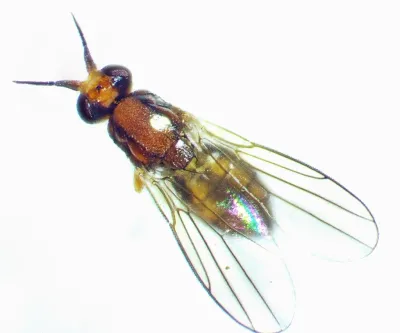
Eye Gnats
Liohippelates spp.
Eye gnats are tiny flies attracted to moisture around eyes, noses, and mouths. These non-biting pests are a major nuisance in warm regions with sandy soils and can transmit bacterial conjunctivitis.
View identification guide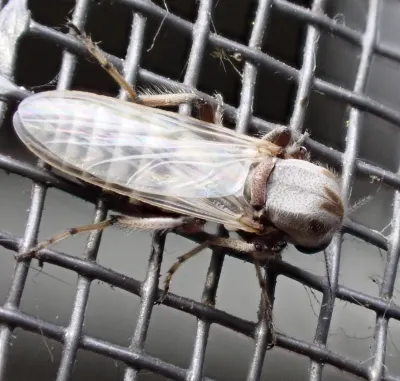
No-See-Ums
Ceratopogonidae (Family)
No-see-ums are tiny biting midges that can cause painful, itchy bites. These nearly invisible insects are most active at dawn and dusk near coastal areas and wetlands.
View identification guideCommon Questions about Gnats
What are gnats and why are they in my house?
+
Gnats are small flying insects attracted to moisture, decaying organic matter, and certain scents. They commonly enter homes through open doors and windows or arrive on houseplants and produce. Overwatered plants, clogged drains, and ripe fruit are the most common indoor attractants.
Do gnats bite humans?
+
Most gnats found indoors, such as fungus gnats and fruit flies, do not bite. However, some outdoor gnat species like buffalo gnats (black flies) and eye gnats can bite or cause irritation. Biting gnats are typically found near streams, rivers, and other bodies of water rather than inside homes.
How do I get rid of gnats in my kitchen?
+
Start by eliminating breeding sources. Dispose of overripe fruit, clean drains thoroughly, empty garbage regularly, and wipe up spills. Apple cider vinegar traps can catch adult gnats while you address the underlying cause. Consistent sanitation is the most effective long-term solution.
Why do gnats fly around my face?
+
Gnats are attracted to carbon dioxide from your breath, body heat, moisture, and certain scents including perfumes, lotions, and the natural oils on your skin. Eye gnats specifically seek out the protein-rich fluids secreted near eyes, noses, and mouths.
How long do gnats live?
+
Adult gnats typically live one to two weeks, but their rapid reproduction means populations can grow quickly. A single female fungus gnat can lay up to 300 eggs in her short lifespan. The complete lifecycle from egg to adult takes approximately 17 to 28 days depending on temperature.
Are gnats harmful to houseplants?
+
Adult gnats do not harm plants, but fungus gnat larvae can damage seedlings, cuttings, and young plants by feeding on root hairs and small roots. Established plants usually tolerate minor infestations, but heavy larval populations can cause stunted growth, yellowing leaves, and plant decline.
What is the difference between gnats and fruit flies?
+
While both are small flying insects, they have different appearances and habits. Fungus gnats are dark-colored with long legs and prefer moist soil, while fruit flies are tan with red eyes and are attracted to fermenting produce. Identifying the correct pest helps target the appropriate breeding source.
Can gnats spread disease?
+
Most indoor gnats do not transmit diseases to humans. However, eye gnats have been linked to the spread of bacterial conjunctivitis (pink eye) in some regions. Buffalo gnats can transmit diseases to livestock. In homes, gnats are primarily a nuisance rather than a health threat.
Explore Other Pest Categories
Browse our comprehensive pest library for identification guides and control information.



With five years of hands-on experience in the pest control industry, George Schulz is a registered technician with the Virginia Pest Management Association and a proud third-generation professional in a family business that's been protecting homes for over 57 years.
Find Local Gnat Control Services
We provide professional gnats control throughout Virginia, Maryland, and the DC Metro area.