Crickets
Family Gryllidae and Gryllotalpidae
Crickets are jumping insects known for their distinctive chirping sounds. While most species are harmless outdoor dwellers, some can become household pests, invading basements and garages or causing significant damage to lawns and landscaping.
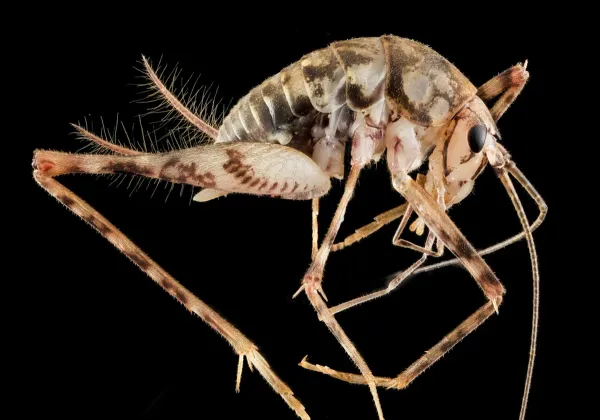
How to Identify Crickets
Physical Characteristics
Crickets are medium-sized insects with cylindrical bodies, long antennae, and powerful hind legs built for jumping. Most species measure between 12mm and 50mm in length. They have two pairs of wings, though not all species fly. The front wings are leathery and protect the more delicate hind wings beneath.
Male crickets produce their characteristic chirping sound by rubbing their front wings together, a process called stridulation. Each species has a distinct chirp pattern that females recognize.
Common Cricket Types
-
Field Crickets are the most common species, with shiny black bodies and a loud chirp. They live outdoors but often enter homes in fall seeking warmth. Several regional species exist, including fall field crickets, spring field crickets, and Texas field crickets.
-
House Crickets are light brown and slightly smaller than field crickets. Originally from Asia, they are now common throughout North America and often infest homes. The related tropical house cricket is also spreading through the pet trade.
-
Camel Crickets (also called cave crickets) are humpbacked, wingless crickets that prefer dark, damp spaces like basements and crawl spaces. They do not chirp. The invasive greenhouse camel cricket now dominates indoor populations in eastern North America.
-
Mole Crickets are burrowing crickets with large, shovel-like front legs. They tunnel through soil and are major lawn pests in the southeastern United States.
-
Mormon Crickets are actually katydids, not true crickets. These large, flightless insects can form migratory bands in the western United States and cause significant agricultural damage.
-
Jamaican Field Crickets are a tropical species commonly bred as feeder insects. They are found in the southernmost U.S. states and are increasingly common in pet trade supply chains.
Cricket Behavior and Biology
Crickets are primarily nocturnal insects. They hide during the day and become active at night to feed, mate, and call for partners. Most species are omnivorous, eating plants, dead insects, fabric, paper, and even other crickets. Crickets are often confused with grasshoppers, though the two differ in antennae length, activity patterns, and sound production.
Female crickets lay eggs in soil or plant material using a needle-like ovipositor. Eggs hatch into nymphs that resemble small, wingless adults. Nymphs molt several times before reaching maturity, typically over 8 to 12 weeks.
Crickets are sensitive to temperature. Their chirping rate actually increases with temperature, and some species like the snowy tree cricket can be used as a rough thermometer. In cold weather, crickets seek shelter in buildings, leading to fall and winter invasions. Learn more about the cricket life cycle and whether crickets can fly.
Treatment Methods for Crickets
Effective cricket control combines exclusion, habitat modification, and targeted treatments.
-
Exclusion: Seal gaps around doors, windows, pipes, and the foundation. Install door sweeps and repair damaged screens. This prevents crickets from entering in the first place.
-
Habitat Modification: Reduce outdoor lighting that attracts crickets, or switch to yellow bug lights. Remove debris, woodpiles, and tall grass near the foundation. Fix moisture problems in basements and crawl spaces.
-
Indoor Treatment: Sticky traps placed along walls and in corners capture crickets that make it inside. For larger infestations, professional treatments can eliminate crickets from their hiding spots.
-
Lawn Treatment: For mole crickets and other turf-damaging species, lawn treatments applied during the nymph stage in early summer provide the best control. See our mole cricket guide for specific lawn treatment recommendations.
Types of Crickets
Click on any species below to learn more about identification, behavior, and control methods.
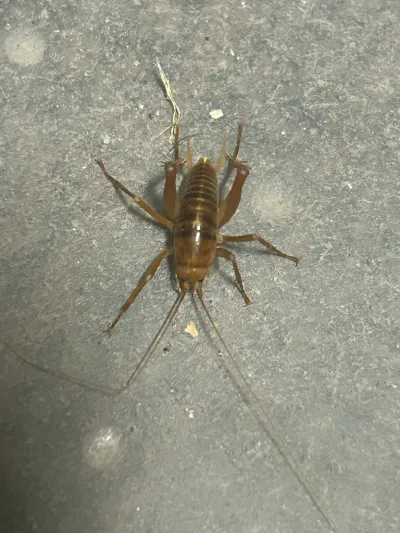
Camel Crickets
Ceuthophilus spp. and Diestrammena spp.
Camel crickets, also known as cave crickets or spider crickets, are humpbacked, wingless insects that thrive in dark, damp environments. Unlike true crickets, they do not chirp and are often found in basements, crawl spaces, and garages.
View identification guide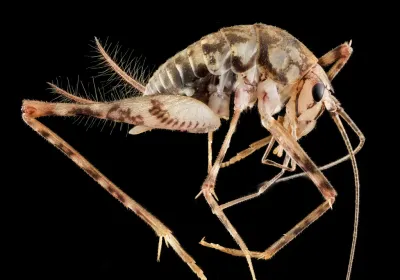
Cave Crickets
Family Rhaphidophoridae
Cave crickets are humpbacked, wingless insects that thrive in dark, damp environments like basements and crawl spaces. Also known as camel crickets or spider crickets, they do not chirp and are common household pests throughout North America.
View identification guide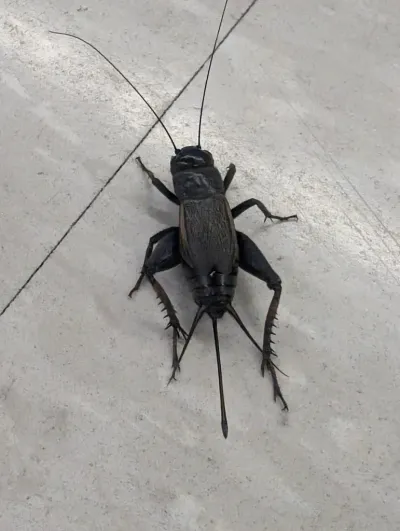
Fall Field Crickets
Gryllus pennsylvanicus
Fall field crickets are the most common field crickets in North America, known for their loud chirping on late summer and autumn nights. They overwinter as eggs and mature in late summer, often invading homes as temperatures drop in fall.
View identification guide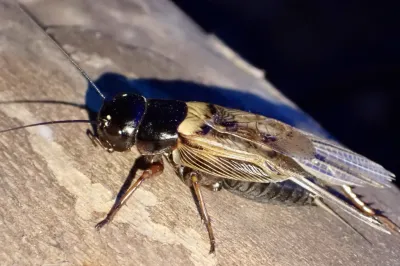
Field Crickets
Gryllus spp.
Field crickets are common outdoor insects known for their loud chirping on summer nights. These dark-colored crickets often invade homes in fall seeking warmth, becoming a nuisance with their persistent nighttime calls and ability to damage fabrics.
View identification guide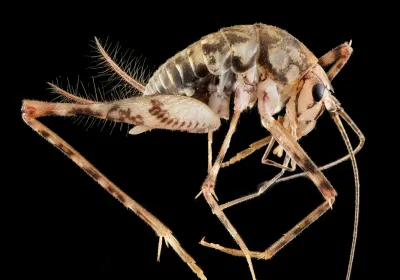
Greenhouse Camel Crickets
Tachycines asynamorus
Greenhouse camel crickets are invasive Asian insects that have become the most common indoor cricket species in eastern North American homes. These humpbacked, wingless crickets thrive in dark, moist environments and are frequently found in basements, crawl spaces, and garages.
View identification guide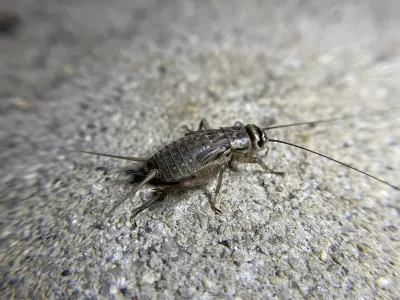
House Crickets
Acheta domesticus
House crickets are small, light brown insects known for their distinctive nighttime chirping. Originally from Asia, they have become one of the most common indoor cricket species in North America, often invading homes in search of warmth and food.
View identification guide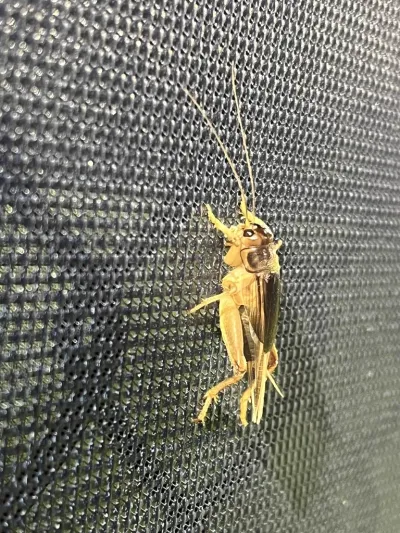
Jamaican Field Crickets
Gryllus assimilis
Jamaican field crickets are tropical field crickets native to the Caribbean that have established populations in the southern United States. Lighter in color than native field crickets, they are known for their quieter chirps and year-round breeding cycle in warm climates.
View identification guide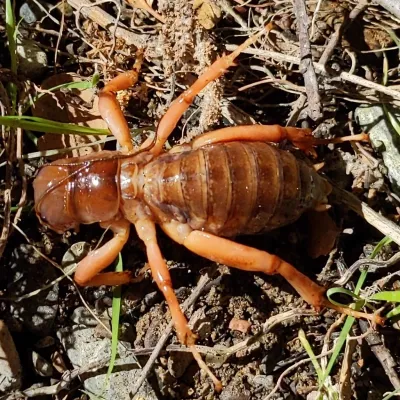
Jerusalem Crickets
Stenopelmatus spp.
Jerusalem crickets are large, flightless insects with distinctive bulbous heads and banded abdomens. Despite their name, they are not true crickets and do not chirp. These slow-moving, nocturnal insects are native to western North America and are sometimes called potato bugs or child of the earth.
View identification guide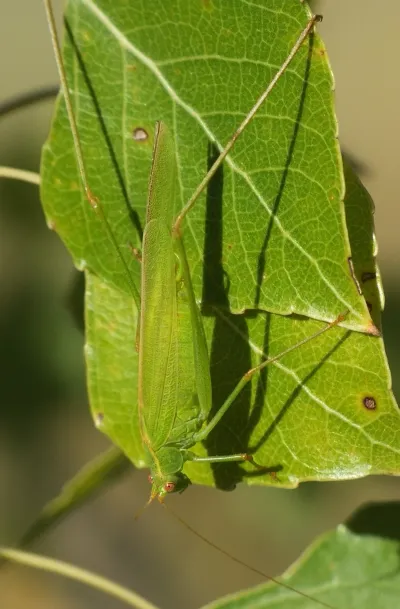
Katydids
Family Tettigoniidae
Katydids are large, leaf-shaped insects related to crickets and grasshoppers. Known for their distinctive nighttime calls that sound like 'katy-did, katy-didn't,' these harmless insects are masters of camouflage but occasionally wander into homes attracted by lights.
View identification guide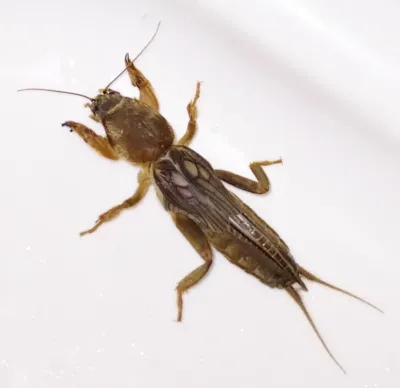
Mole Crickets
Family Gryllotalpidae
Mole crickets are burrowing insects with shovel-like front legs adapted for digging through soil. They are among the most destructive turf pests in the southeastern United States, causing millions of dollars in lawn damage annually by tunneling and feeding on grass roots.
View identification guide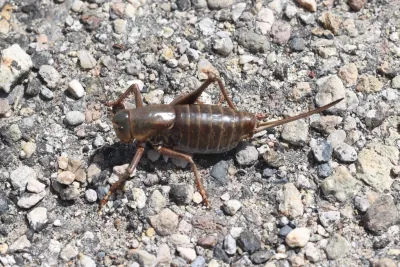
Mormon Crickets
Anabrus simplex
Mormon crickets are large, flightless insects native to western North America. Despite their name, they are not true crickets but shield-backed katydids. They are known for forming massive migratory bands that can devastate crops and rangeland.
View identification guide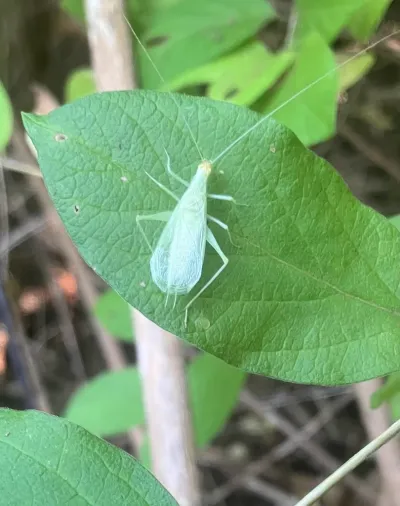
Snowy Tree Crickets
Oecanthus fultoni
Snowy tree crickets are slender, pale green insects famous for their rhythmic chirping that can be used to estimate temperature. While they rarely cause significant damage, their egg-laying habits can occasionally harm fruit trees and ornamental plants.
View identification guide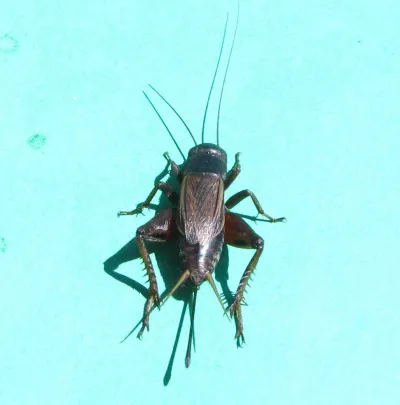
Southeastern Field Crickets
Gryllus rubens
Southeastern field crickets are warm-climate field crickets found throughout the southeastern United States. Unlike northern field crickets that die off in winter, these crickets can remain active year-round in warm regions, producing their characteristic chirping sounds even in mild winter months.
View identification guide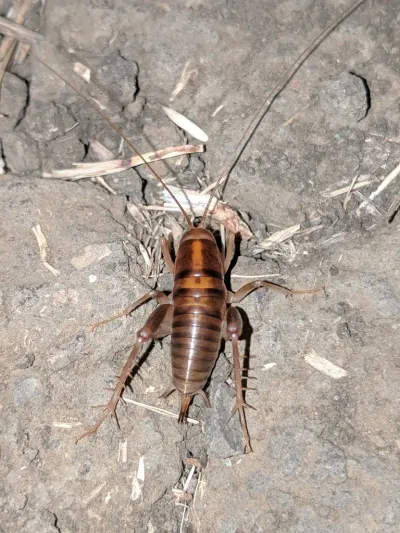
Spotted Camel Crickets
Ceuthophilus maculatus
Spotted camel crickets are native North American cave crickets commonly found in basements, crawl spaces, and garages. These wingless, humpbacked insects are named for the dark spotted markings on their bodies and are among the most frequently encountered Ceuthophilus species in the eastern United States.
View identification guide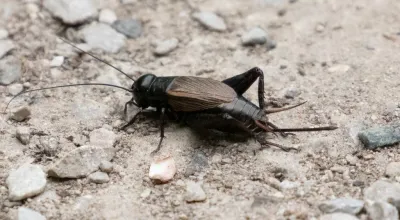
Spring Field Crickets
Gryllus veletis
Spring field crickets are early-season field crickets that overwinter as nymphs and mature in late spring. They produce the familiar chirping sounds heard in April through June, before fall field crickets become active later in the year.
View identification guide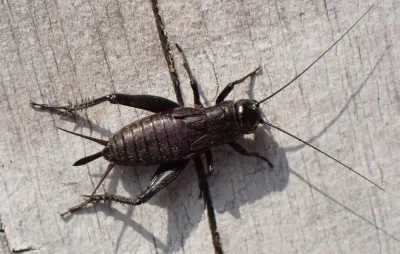
Texas Field Cricket
Gryllus texensis
The Texas field cricket is a large, dark-colored cricket known for its remarkably loud chirping. Found throughout the south-central United States, these insects frequently invade homes during late summer and fall, causing fabric damage and sleepless nights with their persistent calls.
View identification guide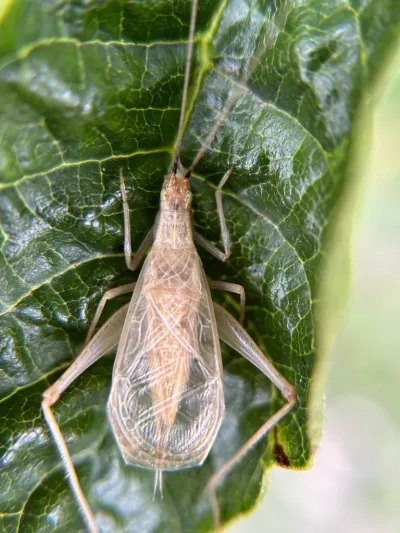
Tree Crickets
Subfamily Oecanthinae
Tree crickets are delicate, pale green or tan insects known for their melodic chirping songs on warm summer nights. Though rarely household pests, they occasionally enter homes attracted to lights and can cause minor plant damage in gardens.
View identification guide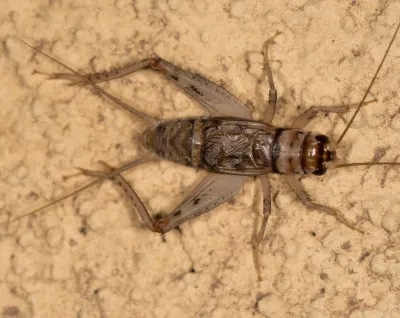
Tropical House Crickets
Gryllodes sigillatus
Tropical house crickets are small, light brown crickets increasingly common in North American homes. Originally from southwestern Asia, they have spread worldwide through commercial cricket farming and often escape into residential areas.
View identification guideCommon Questions about Crickets
Why are crickets chirping in my house?
+
Only male crickets chirp, and they do so to attract females. If you hear chirping inside your home, it means crickets have found their way indoors, typically through gaps around doors, windows, or the foundation. The chirping is loudest during warm weather and at night.
Are crickets harmful to humans?
+
Crickets do not bite or sting humans and are not venomous. However, they can damage fabrics, paper, and stored food products. Some species, like mole crickets, cause significant damage to lawns and turf grass by tunneling through soil and feeding on roots.
What attracts crickets to my home?
+
Crickets are attracted to light, moisture, and food sources. Outdoor lights at night draw them to your home, and they enter seeking shelter from extreme weather. Basements, garages, and crawl spaces provide the dark, damp conditions they prefer.
How do I get rid of crickets in my basement?
+
Reduce moisture by using dehumidifiers and fixing leaks. Seal entry points around pipes and foundations. Remove clutter and debris where crickets hide. Sticky traps can help capture crickets, and professional treatments can eliminate larger infestations.
Do crickets cause lawn damage?
+
Most crickets do not damage lawns. However, mole crickets are a major exception. They tunnel through soil, severing grass roots and causing brown patches of dead turf. Mole cricket damage is most common in the southeastern United States.
How long do crickets live?
+
Most cricket species live 8 to 10 weeks as adults, though their entire life cycle from egg to adult takes 2 to 3 months. In warm climates, crickets can remain active year-round, while in cooler regions they typically die off in late fall.
Explore Other Pest Categories
Browse our comprehensive pest library for identification guides and control information.



With five years of hands-on experience in the pest control industry, George Schulz is a registered technician with the Virginia Pest Management Association and a proud third-generation professional in a family business that's been protecting homes for over 57 years.
Find Local Cricket Control Services
We provide professional crickets control throughout Virginia, Maryland, and the DC Metro area.