Ants

Short Guide To Carpenter Ants

George Schulz Published: Updated:
Short Guide To Carpenter Ants

Carpenter ants and ants in general can quickly turn a calm home into a worry. Common ants are tiny wood workers that can cause serious issues in your home if left unchecked. They work relentlessly and many ants can find a way into your space, making this guide an essential tool.

Behavior & Identification

Carpenter ants live in colonies and work as a team by excavating wood to create their galleries. These ants are clever and persistent. They are among the largest ants in our region, and ants from a prominent parent colony can spread quickly. If you suspect you have an ant problem in Alexandria, contact us today.

These pests build trails that hundreds of ants use, and ants rely on wood grain when selecting where to build. Many ants will burrow through decaying wood, while carpenter ants can excavate wood even in newer structures. Parent colony efforts drive carpenter ants to find every potential nesting site.

Non-Repellents - The Gold Standard

Many pest control services use non-repellents that encourage carpenter ants to spread the treatment through their network. Non-repellent products help them move it to the parent colony. Ants exposed to these treatments will carry the product between areas, keeping ants under control.

A pest control professional can recommend non-repellent formulas that target carpenter ants precisely. Carpenter ants require effective treatments when working through wood grain, and ants in well-managed homes become fewer.

General Pest Control Treatment
Dewebbing
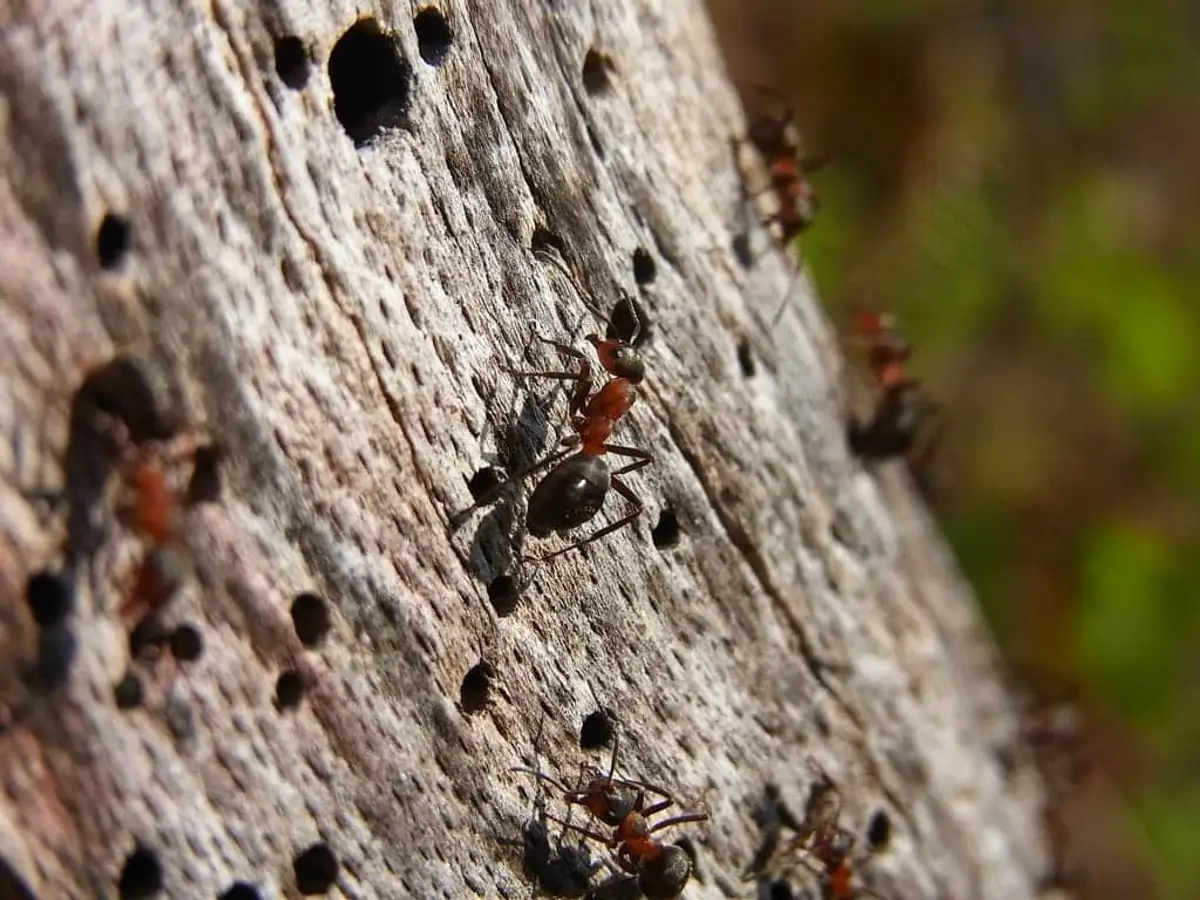
ant trail walking on branch
Ant trail walking on branch

Inspecting for Hot Spots

Regular inspections can help spot carpenter ants early. A licensed pest control professional looks for areas of high activity. Ants clearly show trails where carpenter ants establish their routines.

Common Hotspots to Inspect

  • Areas with poor ventilation and decaying wood
  • Rotting wood and tree stumps
  • Locations where insect body parts accumulate
  • Sites showing ant trails and high activity

Technicians check common hotspots such as poor ventilation and decaying wood. They can be spotted near rotting wood and tree stumps, and ants leaving insect body parts behind help experts pinpoint infestation areas.

Moisture and Activity

Excess moisture is a key factor that attracts carpenter ants. Damp conditions encourage carpenter ants to thrive, and ants in moist areas are more likely to settle. Moisture in decaying wood and damaged wood offers the perfect environment.

A pest control professional can help manage these conditions and identify areas where ants are drawn to rustling sounds and moisture damage.

Potential for Damage

Structural Damage Warning

Carpenter ant damage can be serious. They weaken wood by excavating galleries that create voids, compromising structural integrity. Damage may include weakened beams and areas where ants eat wood, leaving behind sawdust-like shavings that signal wood decay.

Often, bites from defensive ants aren’t the worst issue; instead, carpenter ant galleries reveal that ants have been busy removing wood grain from structures. Carpenter ant bites may also call attention to a larger problem.

Old termite damage
Structural Termite Damage And Mud Tubes
Carpenter Ants Damage On Tree

Preventative Strategies

Being proactive lets you prevent carpenter ants before they spread through your home. If you are in Reston, Virginia, learn more about local pest control services.

Modern treatments use non-repellent solutions that gradually reduce carpenter ants in your home. Products like borate based solutions and Alpine WSB target them without aggressive sprays. These products encourage carpenter ants to share the treatment with the parent colony.

A pest control professional can develop customized strategies, ensuring that they are controlled effectively. Buying the right product and following the instructions helps avoid buildup. The technician also explains how ants may sometimes eat wood, which reveals more about their feeding habits.

Moisture Control

Targeting moisture issues is crucial when dealing with carpenter ants. Moisture combined with decaying wood often drives them to seek shelter. Ants thrive in spots where moisture lingers, so reducing dampness is essential.

Fixing leaks and ensuring proper ventilation can lower the chance of returning. Carpenter ants establish their galleries on wood grain surfaces, and water damage creates ideal conditions. Addressing poor ventilation in areas with living trees and decaying wood helps remind ants that conditions have improved.

Using a Pest Control Professional

Hiring a pest control professional is wise when they overrun your home. A trusted pest control professional inspects your property and identifies ants quickly. Professional help ensures that ants and the larger parent colony are addressed properly.

A pest control professional will use non-repellent products that effectively target ants and their pathways. With experience, these experts help reduce infestation levels before heavy damage occurs. Timely intervention by a pest control professional is a smart step for managing these persistent ants.

Final Thoughts

Carpenter ants are exacting workers that can cause significant damage if left untreated. These ants have a strong impact on wood structures and ants living in your home. With proper moisture control, inspections, and professional help, they can be managed effectively.

Staying on top of potential issues stops them from forming extensive galleries. A pest control professional will inspect for damage and suggest methods to prevent them from spreading further. You should address infestations as soon as you spot any ants around your home.

Taking preventive steps such as repairing water leaks and removing decaying wood ensures that they have fewer nesting sites. Watch for signs like rustling sounds and wood grain damage that suggest they are busy excavating wood.

Frequently Asked Questions

What is the fastest way to get rid of carpenter ants?

+

The fastest way to get rid of often includes having a licensed pest control professional visit your home. Quick responses using non-repellent treatments allow them to share the corrective measure with their parent colony. Fast action stops them from building extensive galleries.

Why do I suddenly have carpenter ants in my house?

+

Carpenter ants appear suddenly when conditions such as damp decaying wood and poor ventilation exist. Moisture attracts them and ants, including several species, quickly form colonies. A persistent parent colony often spurs their presence spread throughout the home.

How do you tell if it's a carpenter ant?

+

You can tell if it’s one by looking for a rustling sound in the walls or for sawdust like shavings near damaged wood. Galleries in decaying wood, along with ants that sometimes eat wood, are clear signs. Plus, winged ants on warm days often indicate that they are establishing a reproductive phase.

George Schulz
About the Author
George Schulz

With five years of hands-on experience in the pest control industry, George Schulz is a registered technician with the Virginia Pest Management Association and a proud third-generation professional in a family business that’s been protecting homes for over 57 years. He manages and trains a team of service pros while also leading internal research efforts—recently spearheading a deep-dive review of thousands of documents on pest control materials to hand-pick the most kid and pet friendly, most effective solutions tailored specifically for homes in the DC metro area.