Paper Wasps Identification Guide
Polistes spp.
Paper wasps are social insects that build distinctive umbrella-shaped nests from chewed wood fibers. They become a nuisance and sting risk when nesting near human activity.
Taxonomy
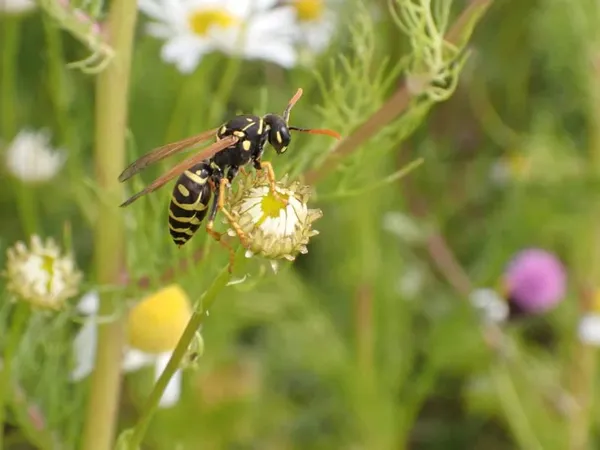
Paper Wasps Coloration
Common color patterns to help identify paper wasps
Paper Wasps
Seasonal Activity
When paper wasps are most active throughout the year

Where Paper Wasps Are Found
Hover over states to see their names. Green regions indicate where paper wasps have been reported.
Paper Wasps Identification Guide
Physical Characteristics
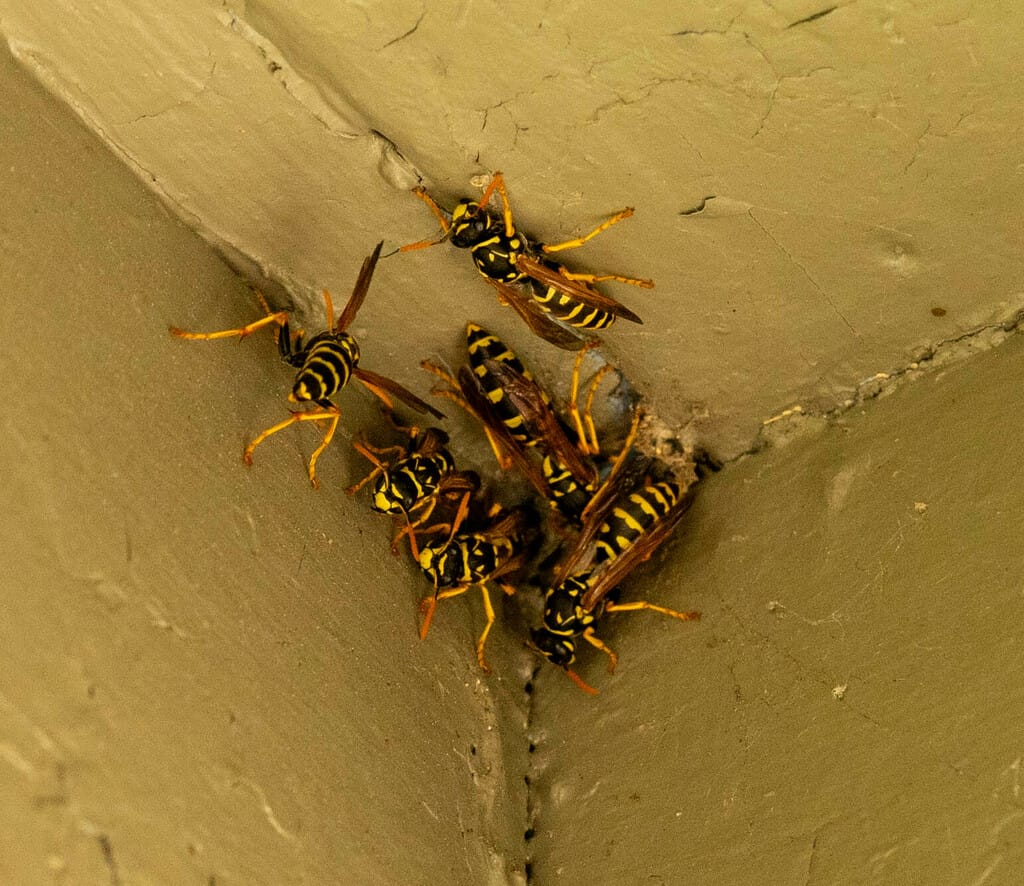
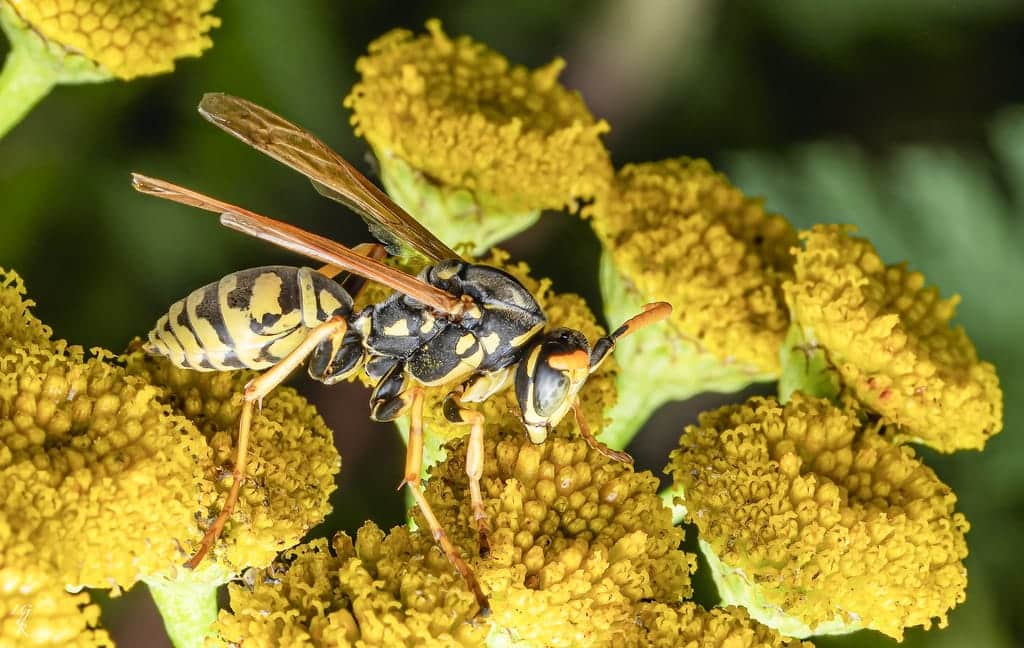
Paper wasps are medium-sized wasps. They range from 0.5 to 1 inch in length. They have slender bodies with a narrow waist and long legs. Their wings fold lengthwise when at rest. Colors vary but often include brown, yellow, red, and black. Paper wasps look more elongated than yellow jackets and hornets. They are not as aggressive unless their nest is disturbed. Red paper wasps are among the largest species, reaching up to one inch long with distinctive rust-red coloring.
Common Species
-
Northern Paper Wasp (Polistes fuscatus)
-
European Paper Wasp (Polistes dominula)
-
Metric Paper Wasp (Polistes metricus) A related species, Cow Killers, shares similar characteristics.
Paper Wasps Behavior and Biology
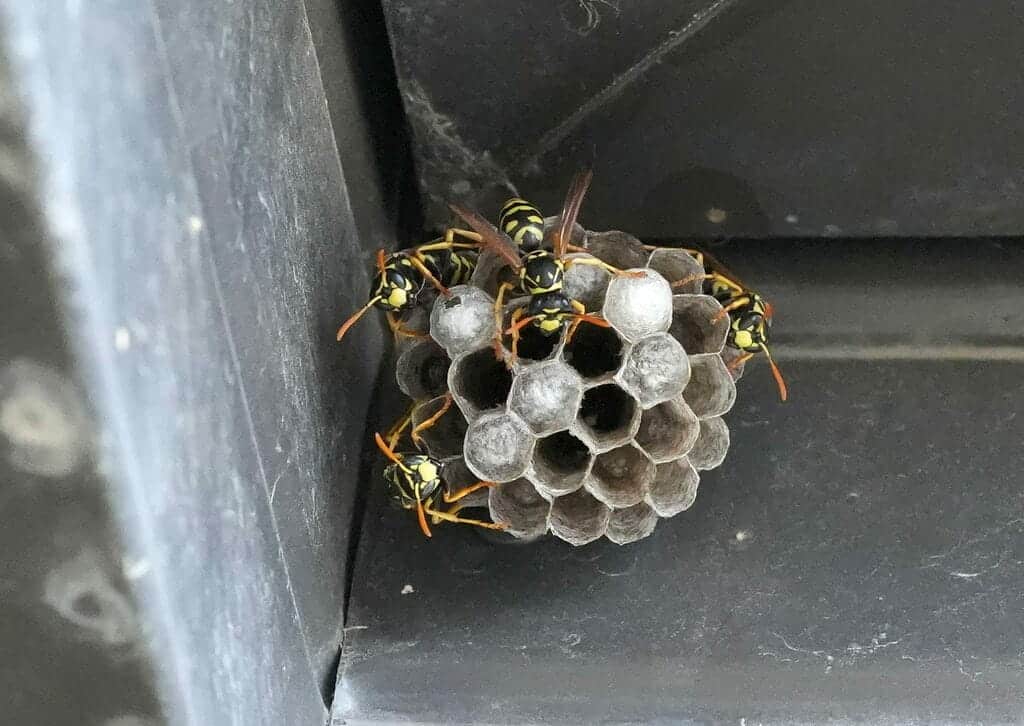
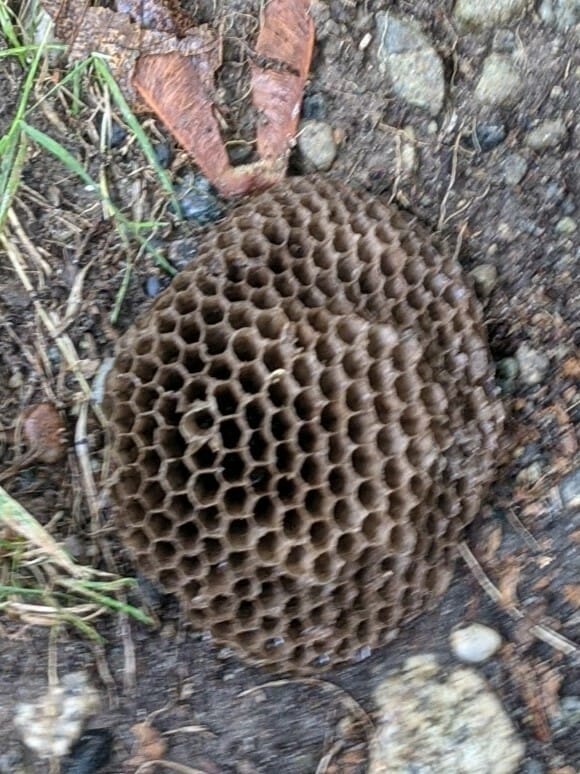
Paper wasps are social insects that live in small colonies. Queens come out in spring to start new nests. They lay eggs that grow into worker wasps. Their nests are made from chewed wood fibers mixed with saliva. This forms their signature umbrella-like shape. Paper wasps eat nectar and hunt caterpillars and other insects. Unlike the enclosed nests built by bald-faced hornets, paper wasp nests are open and easy to see from below.
How We Treat for Paper Wasps
When dealing with paper wasp infestations, we follow a structured approach:
-
Our technician first identifies the nest location, usually found under eaves or in other sheltered areas.
-
A residual insecticide is applied directly to the nest to eliminate the colony.
-
For nests in high-traffic areas, we carefully remove the nest to prevent future issues.
-
Customers are advised on prevention strategies, such as sealing gaps and reducing attractants around their property.
-
If wasps return, customers with an active plan have access to free unlimited callbacks to retreat the issue until resolved.
Learn more about the differences between yellowjacket nests vs. paper wasp nests and how to tell a yellowjacket vs. paper wasp apart.
References
Other Wasps
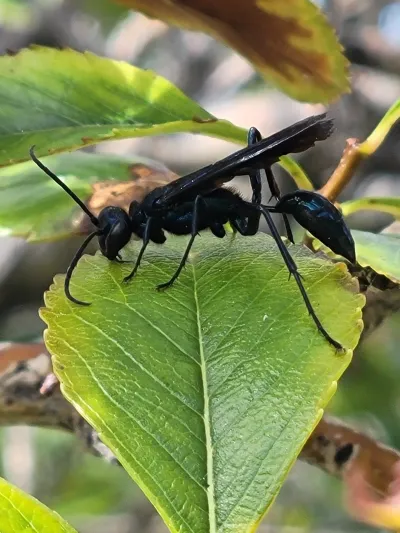
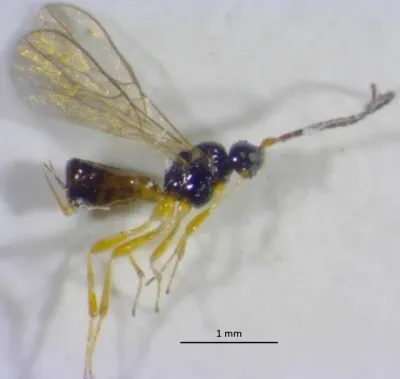
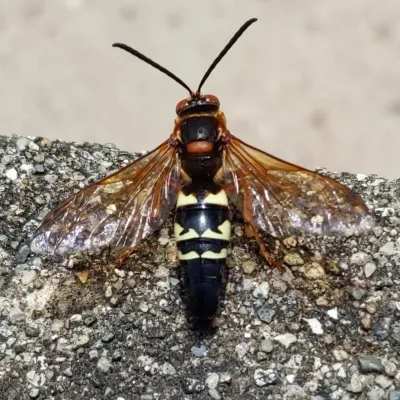
Explore other species in the wasps family
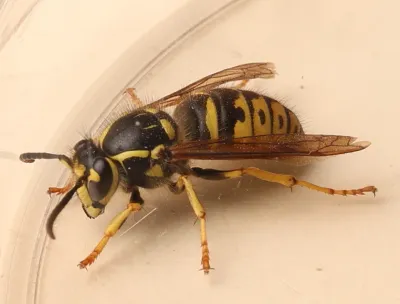
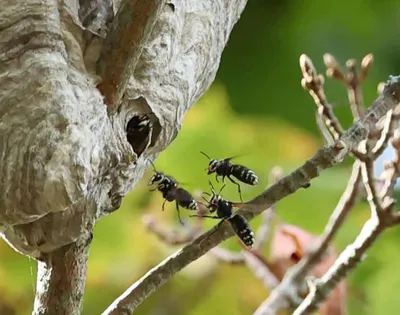
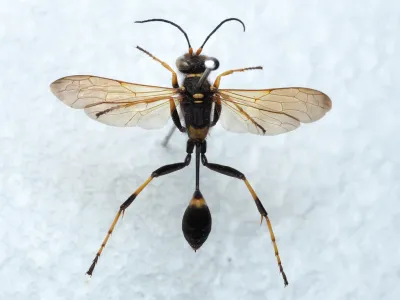
Commonly Confused With
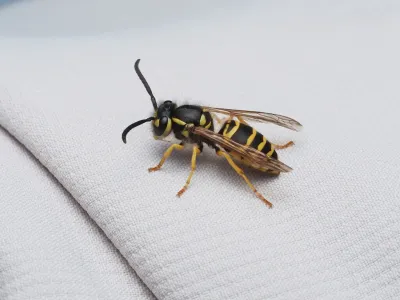
Paper Wasps are often mistaken for these similar pests
Where Paper Wasps Are Found
Hover over states to see their names. Green regions indicate where paper wasps have been reported.
Common Questions about Paper Wasps
Are paper wasps dangerous?
+
Paper wasps are generally not aggressive but will sting if they feel their nest is threatened. Their sting can be painful and cause allergic reactions in sensitive individuals.
Where do paper wasps build their nests?
+
They prefer sheltered locations such as under eaves, in sheds, or on porch ceilings. Their nests are open and umbrella-shaped, unlike the enclosed nests of hornets.
What attracts paper wasps to my home?
+
Paper wasps are drawn to areas with abundant food sources like flowers, fruit, and insects. They also look for sheltered locations with access to wood fibers for nest-building.
Can I remove a paper wasp nest myself?
+
Attempting to remove a nest without proper precautions can result in multiple stings. We recommend professional treatment to eliminate the colony effectively.
What should I do if I see paper wasps around my home?
+
If you notice paper wasps frequently flying around your property, check for nests in sheltered areas. Contact us for an inspection and treatment plan if needed.
How quickly can you treat a paper wasp nest?
+
We offer same-day or next-day service in most cases. Once treated, the wasp activity will decrease within 24 hours.
Do you prevent paper wasps from returning?
+
Yes, in addition to removing active nests, we provide recommendations on reducing attractants and sealing potential nesting sites. Ongoing service plans ensure continuous protection.
More Resources About Paper Wasps
Explore our guides and articles for more information about paper wasps.
- ›Yellow Jacket Nest vs Paper Wasp Nest: How to Tell Them Apart
- ›Mud Dauber vs Wasp: Key Differences You Should Know
- ›Types of Hornets and Wasps: ID Guide for Homeowners
- ›Wasp Nest in Wall? Signs, Dangers & Professional Removal
- ›Wasps in Maryland: Types, Nests & How to Handle Them
- ›Wasp vs Bee vs Hornet: How to Tell What's Buzzing Around
- ›Wasp Nest Removal: Why Professionals Prevent Return Visits
- ›Hornet vs Wasp: How to Identify Common DC Area Species
- ›Types of Wasp Nests: How to Identify and Remove Them
- ›How To Kill Ground Bees: Complete Guide For Homeowners
- ›Yellow Jacket vs Paper Wasp: How to Tell Them Apart
- ›How to Get Rid of Carpenter Bees: Pro Methods That Work
- ›European Hornet Nest: What They Look Like & Treatment
- ›Ground Hornet Facts: Appearance and Effective Treatments

With five years of hands-on experience in the pest control industry, George Schulz is a registered technician with the Virginia Pest Management Association and a proud third-generation professional in a family business that's been protecting homes for over 57 years. He manages and trains a team of service pros while also leading internal research efforts—recently spearheading a deep-dive review of thousands of documents on pest control materials to hand-pick the most kid and pet friendly, most effective solutions tailored specifically for homes in the DC metro area.