Slugs
Deroceras reticulatum
Slugs are soft-bodied mollusks without shells that feed on plants and thrive in moist environments, often damaging gardens and occasionally entering homes.
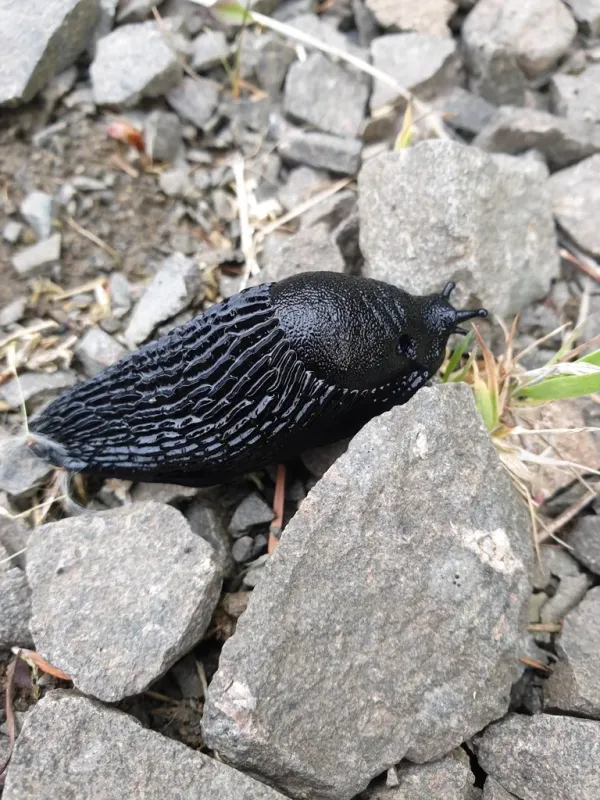
Slug Identification Guide
Physical Characteristics
Slugs are soft-bodied creatures that look like snails without shells. They have long, muscular bodies covered in mucus. This slime helps them move and keeps them from drying out. Their heads have two pairs of tentacles. The upper pair holds their eyes. The lower pair senses smell and taste. Slugs can be less than an inch long or up to six inches, depending on the species.
Slug colors vary a lot. Common garden slugs are gray, brown, or tan. Leopard slugs have spotted patterns. Black slugs can be jet black or bright orange. The slimy body and lack of a shell are the key features that tell slugs apart from other garden pests. Their closest relatives, garden snails, share many habits but carry a coiled shell on their backs.
Common Species in North America
-
Gray Garden Slug (Deroceras reticulatum): The most common pest slug in North America. It reaches about 2 inches long and is gray to brown in color.
-
Leopard Slug (Limax maximus): A large slug up to 6 inches long with spotted or striped patterns.
-
Black Slug (Arion ater): Can be black, brown, or orange. Often found in cooler, moist places.
-
Dusky Slug (Arion subfuscus): Medium-sized with a brownish body and yellowish mucus.
-
Marsh Slug (Deroceras laeve): A small, smooth slug common in wet areas.
Slug Behavior and Biology
Each slug has both male and female parts. When two slugs mate, both can lay eggs. A single slug can lay hundreds of eggs in its life. The eggs are small, round, and see-through. Slugs lay them in clusters under rocks, in soil cracks, or under leaf litter.
Slug eggs hatch in about 10 days to several weeks, based on temperature. Young slugs look like tiny adults and start feeding right away. Most slugs mature in five to six months and live one to two years. In greenhouses, they may live even longer.
Slugs are most active when humidity is high and temperatures are above 38 degrees Fahrenheit. They hide during the day in cool, dark spots, often alongside other moisture-loving pests like earwigs, millipedes, and pillbugs. At night, they come out to feed. After rain or watering, you may see them active during the day. They move slowly, leaving a slime trail behind them.
Feeding Habits
Slugs have a rough mouthpart that scrapes food into small pieces. They eat many types of plants, especially tender seedlings, lettuce, strawberries, and hostas. They also eat fungi, rotting plants, and even other slugs. A bad infestation can wipe out seedling beds in one night.
Signs of Slug Activity
The clearest sign of slugs is the silvery slime trail they leave on plants, soil, and hard surfaces. Look for large holes with smooth edges in leaves, especially near the ground. Caterpillar damage looks different because the edges are rough. Earwig damage also produces irregular leaf holes, but earwigs do not leave slime trails. Check your garden at night with a flashlight to see slugs feeding.
Treatment Methods for Slugs
Slug control works best when you combine several methods. Slugs need moisture to survive, so changing their habitat often gives the best long-term results.
Cultural and Mechanical Controls
Reduce Moisture and Shelter: Water gardens in the morning so the soil dries by evening. Remove debris, fallen leaves, and boards that give slugs places to hide. Space plants apart to improve air flow and lower humidity at ground level.
Hand Picking: Go out at night with a flashlight and pick up slugs by hand. Drop them into soapy water. This works well for small problems and helps you learn where slugs gather in your yard.
Traps: Bury shallow containers at ground level and fill them with beer or a mix of water, yeast, and sugar. Slugs crawl in and drown. Check and empty traps daily. You can also put out overturned grapefruit halves or wet boards. Slugs hide under them during the day, making them easy to collect.
Barriers
Copper Tape: Copper reacts with slug slime and stops them from crossing. Put copper tape around raised beds, planters, or single plants. Make sure there are no gaps.
Crushed Eggshells or Grit: Sharp materials may deter slugs, though results vary. They work best when dry and spread in thick bands around plants.
Baits
Iron Phosphate Baits: These EPA-registered products are a popular choice for yards with pets and children. Slugs eat the bait and stop feeding within a few days, then die. Scatter pellets near areas where you see the most slug activity.
Metaldehyde Baits: While effective, metaldehyde is toxic to dogs, cats, and wildlife. If you use it, apply sparingly and keep pets away from treated areas.
Other Control Methods
Ground beetles, toads, snakes, birds, and ducks all feed on slugs. Having these animals around can help keep slug numbers down over time. Gardens with slug problems often also harbor other pests. Sap-feeding garden pests like aphids and thrips tend to thrive in the same moist, densely planted areas that attract slugs.
References
Types of Slugs
Click on any species below to learn more about identification, behavior, and control methods.
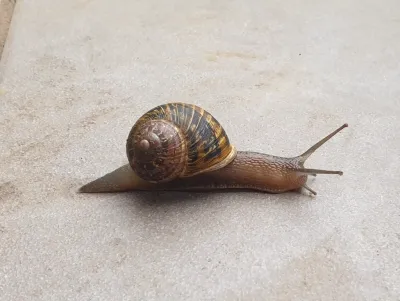
Garden Snails
Cornu aspersum
Garden snails are common mollusks that feed on plants and can become serious pests in gardens and landscapes, leaving behind slime trails and damaging foliage, fruits, and vegetables.
View identification guide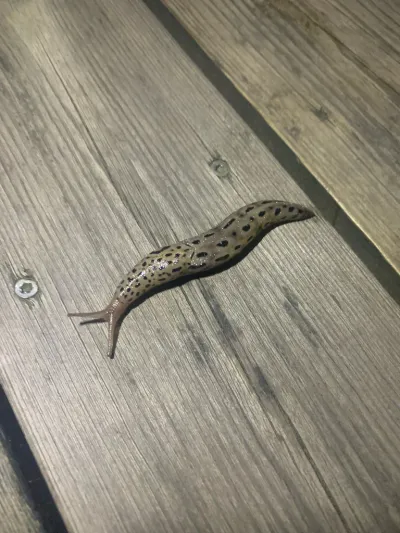
Leopard Slugs
Limax maximus
Leopard slugs are large, spotted gastropods that often appear in gardens and damp areas around homes. Their size can startle homeowners who find them indoors or around foundations.
View identification guideCommon Questions about Slugs
Are slugs harmful to humans?
+
Slugs do not bite or sting and are not directly harmful to humans. However, they can carry parasites like rat lungworm, so you should wash your hands after handling them and thoroughly wash any produce from your garden.
Why are slugs in my yard?
+
Slugs are attracted to moisture and organic matter. Gardens with mulch, leaf litter, dense plants, and regular watering create ideal slug habitat. They also thrive in areas with poor drainage or excessive shade.
What do slugs eat?
+
Slugs feed on a wide variety of plant material including seedlings, leaves, fruits, and vegetables. They also consume fungi, decaying organic matter, and algae. Some species prey on other slugs and snails.
How do I know if I have slug damage?
+
Look for large, irregular holes in leaves with smooth edges, as well as silvery slime trails on plants and nearby surfaces. Slugs feed mostly at night, so you may not see them during the day.
When are slugs most active?
+
Slugs are most active at night and during cool, damp weather. They emerge after rain or watering and are particularly problematic in spring and fall when conditions are mild and moist.
Do slugs come inside homes?
+
Slugs occasionally enter homes through gaps under doors, cracks in foundations, or pet doors, especially during wet weather. They are drawn to damp areas like basements, laundry rooms, and kitchens.
What attracts slugs to my garden?
+
Slugs are attracted to moisture, decaying plant material, mulch, and dense vegetation. Pet food left outside and compost piles also draw them in. Overwatering and poor drainage make gardens especially inviting.
Explore Other Pest Categories
Browse our comprehensive pest library for identification guides and control information.



With five years of hands-on experience in the pest control industry, George Schulz is a registered technician with the Virginia Pest Management Association and a proud third-generation professional in a family business that's been protecting homes for over 57 years.
Find Local Slug Control Services
We provide professional slugs control throughout Virginia, Maryland, and the DC Metro area.