Moles
Talpidae
Moles are small, burrowing mammals known for their velvety fur and powerful digging claws. While they help aerate soil and eat grubs, their tunneling causes significant damage to lawns, gardens, and landscaping, making them unwelcome visitors for most homeowners.
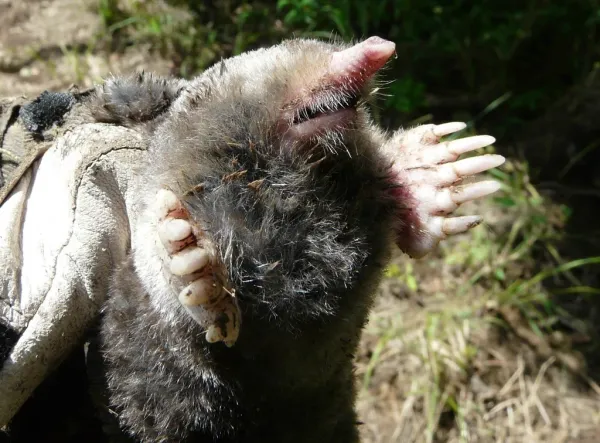
Mole Identification Guide
Physical Characteristics
Moles are small, cylindrical mammals perfectly adapted for underground life. They have velvety, grayish-black fur that lies flat in any direction, tiny eyes hidden beneath fur, no visible ears, and greatly enlarged front feet with long claws for digging. Adults are typically 5-8 inches long including their short, hairless tail.
Common Species
-
Eastern Moles: The most common species east of the Rocky Mountains. Gray-brown fur with a pointed nose and broad front feet.
-
Star-Nosed Moles: Distinctive moles with 22 pink, fleshy tentacles around their nose. Found in wet areas of eastern North America.
-
Townsend’s Moles: The largest North American mole, found in the Pacific Northwest. Dark gray to black fur.
-
Broad-Footed Moles: Found throughout California, Oregon, and Nevada. Named for their exceptionally wide front paws.
-
Coast Moles: Found along the Pacific coast. Similar to Townsend’s mole but smaller.
Mole Behavior and Biology
Moles are solitary animals that spend nearly their entire lives underground. They are sometimes confused with voles, shrews, and pocket gophers, but moles are insectivores with distinctive paddle-shaped front feet. They create two types of tunnels: shallow feeding tunnels just below the surface that create visible ridges, and deeper permanent tunnels used for nesting and travel.
Moles are incredibly efficient diggers, capable of creating 15-18 feet of surface tunnels per hour. They need to eat constantly due to their high metabolism, consuming nearly their body weight in earthworms and grubs daily. Breeding occurs in late winter, with females producing a single litter of 2-5 young in spring.
How We Treat for Moles
Our mole control program uses proven methods to eliminate moles from your property:
-
Inspection: We identify active tunnels by examining tunnel patterns and checking for fresh activity. This helps us determine mole locations and the best placement for control methods.
-
Trapping: Professional trapping is the most effective and reliable mole control method. We place specialized traps in active tunnels and monitor them regularly.
-
Baiting: When appropriate, we may use commercially available mole baits that mimic their natural food sources.
-
Exclusion: For specific areas like garden beds, we can recommend barrier methods to prevent mole access.
-
Follow-up: We return to check traps and assess activity levels. Mole control often requires multiple visits to ensure all animals are removed and to address any new moles that move in from surrounding areas.
Related Lawn Pest Resources
Not sure whether you are dealing with moles or another burrowing animal? These guides can help you tell the difference:
- Mouse vs Vole — Learn the key differences between mice, voles, and moles
- Pocket Gophers — Gopher mounds look different from molehills; here is how to tell them apart
- Grubs — White grubs attract moles to your lawn; reducing grubs can reduce mole activity
Types of Moles
Click on any species below to learn more about identification, behavior, and control methods.
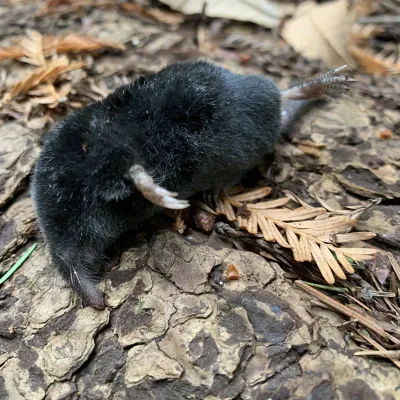
American Shrew Mole
Neurotrichus gibbsii
The American shrew mole is the smallest mole in North America. Found in the Pacific Northwest, this tiny insectivore is unique among moles for spending much of its time above ground and even climbing low bushes.
View identification guide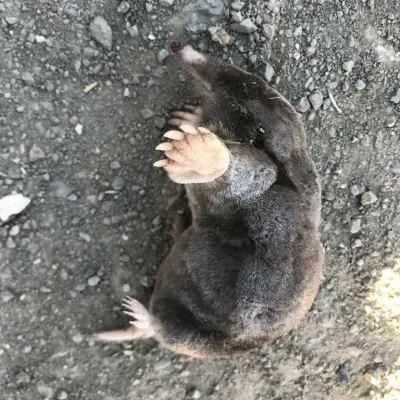
Broad-Footed Mole
Scapanus latimanus
The broad-footed mole is a medium-sized burrowing mammal found across California, Oregon, and Nevada. Named for its distinctively wide front paws, this fossorial insectivore creates extensive tunnel systems in lawns, gardens, and meadows throughout the western United States.
View identification guide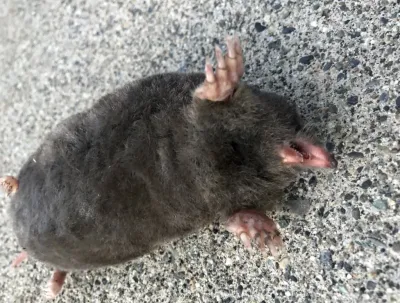
Coast Mole
Scapanus orarius
The coast mole is a small, fossorial mammal found along the Pacific coast of North America. Known for creating cone-shaped molehills and raised tunnel ridges in lawns, this burrowing insectivore feeds primarily on earthworms and can cause noticeable damage to turf and gardens.
View identification guide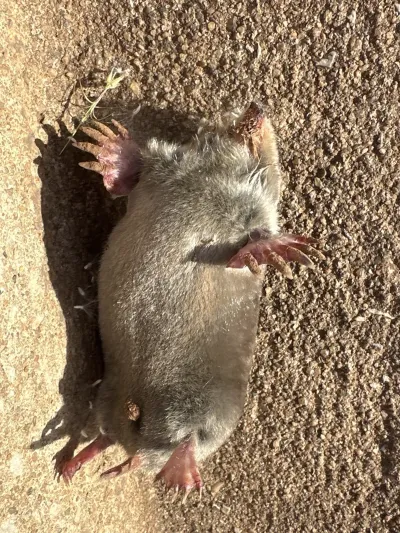
Eastern Mole
Scalopus aquaticus
Eastern moles are small, burrowing mammals found throughout the eastern United States. Known for their distinctive large front paws and velvety fur, these insectivores create extensive tunnel systems that can damage lawns and gardens.
View identification guide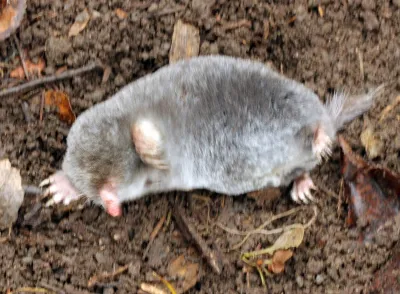
Hairy-Tailed Mole
Parascalops breweri
The hairy-tailed mole is a small burrowing mammal found in the northeastern United States and southeastern Canada. Named for its short, fur-covered tail, this mole digs tunnel systems in lawns and gardens that can cause damage across the Appalachian region.
View identification guide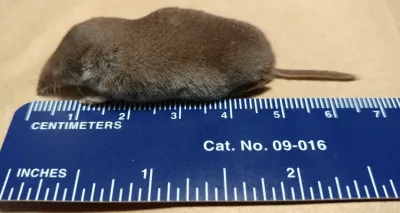
Least Shrew
Cryptotis parva
The least shrew is one of the smallest mammals in North America, measuring just 2.4 to 3.5 inches long. Often confused with mice, these insectivores belong to an entirely different order of mammals and are notable for their social nesting behavior, which is unusual among shrews.
View identification guide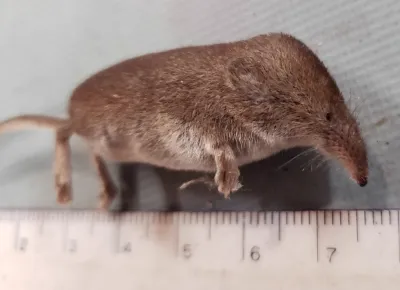
Masked Shrew
Sorex cinereus
The masked shrew is the most widely distributed shrew in North America. These tiny, hyperactive insectivores are often confused with mice but belong to a completely different order of mammals. They play an important ecological role by consuming large quantities of insects.
View identification guide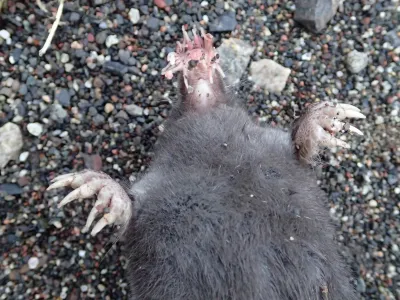
Star-Nosed Mole
Condylura cristata
The star-nosed mole is a distinctive burrowing mammal found in moist areas of northeastern North America. Recognizable by its unique star-shaped nose with 22 pink tentacles, this small mole creates extensive tunnel systems and is known for being the fastest-eating mammal on Earth.
View identification guide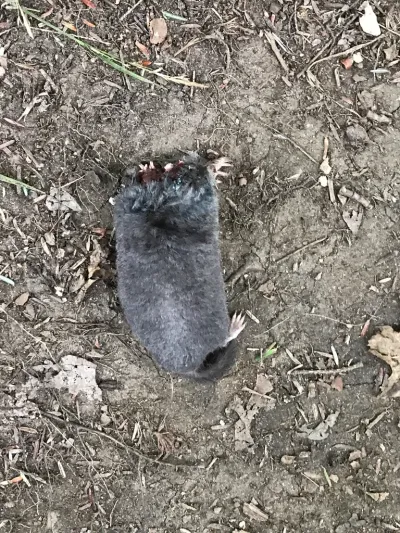
Townsend's Mole
Scapanus townsendii
Townsend's mole is the largest mole species in North America, found along the Pacific coast. These fossorial mammals create extensive tunnel systems and can cause significant damage to lawns, gardens, and agricultural areas.
View identification guideCommon Questions about Moles
What do moles eat?
+
Moles are insectivores that primarily eat earthworms, grubs, and other soil-dwelling invertebrates. A mole can eat 70-100% of its body weight in insects daily. They do not eat plant roots, though their tunneling can damage plants indirectly.
Are moles and voles the same thing?
+
No, moles and voles are very different animals. Moles are insectivores with velvety fur, tiny eyes, and large digging claws. Voles are rodents that look like small mice and primarily eat plants. Moles create raised tunnel ridges while voles create surface runways.
Why do moles tunnel through my yard?
+
Moles tunnel to hunt for earthworms, grubs, and other soil insects. Yards with healthy lawns often have abundant earthworm populations that attract moles. They may also tunnel more actively after rain when soil is soft and prey is near the surface.
Do moles come out at night?
+
Moles are active throughout the day and night, following roughly 4-hour cycles of activity and rest. They may tunnel near the surface in the morning and evening when soil conditions are favorable. They rarely come above ground.
How many moles are in my yard?
+
Despite the extensive tunnel damage, most yards have only 1-3 moles. Moles are territorial and solitary except during breeding season. A single mole can create over 100 feet of new tunnels per day, making it seem like more moles are present.
Explore Other Pest Categories
Browse our comprehensive pest library for identification guides and control information.



With five years of hands-on experience in the pest control industry, George Schulz is a registered technician with the Virginia Pest Management Association and a proud third-generation professional in a family business that's been protecting homes for over 57 years.
Find Local Mole Control Services
We provide professional moles control throughout Virginia, Maryland, and the DC Metro area.