Cicadas
Cicadoidea
Cicadas are large, noisy insects known for their distinctive buzzing calls and periodic mass emergences that can last several weeks.
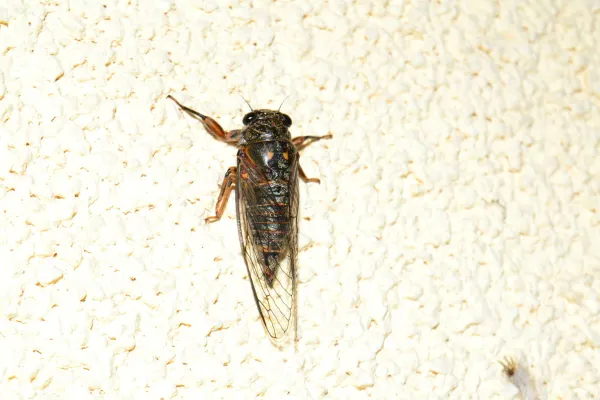
Cicada Identification Guide
Physical Characteristics
Cicadas are large insects that measure 1 to 2 inches long. They have broad heads with big compound eyes set wide apart, short antennae, and two pairs of clear wings. When resting, they hold their wings like a tent over their bodies. Their wings have visible vein patterns that help tell species apart. Cicadas have six legs built for gripping bark and branches. Their bodies are usually black, brown, or green.
The easiest ways to identify cicadas include their large size, clear wings with vein patterns, and bulging eyes. Periodical cicadas have red-orange eyes and wing veins against black bodies. Annual cicadas are usually larger with green and black coloring.
Common Species in North America
Periodical Cicadas (Magicicada species)
- Magicicada septendecim (17-year cicada): Black body with red eyes and orange wing veins
- Magicicada cassini (17-year cicada): Similar appearance, different song
- Magicicada septendecula (17-year cicada): Smallest of the 17-year species
- Magicicada tredecim (13-year cicada): Found mainly in southern states
Annual Cicadas (Neotibicen species)
- Neotibicen canicularis (Dog-day cicada): Green and black, emerges in late summer
- Neotibicen tibicen (Morning cicada): One of the largest North American species
- Neotibicen linnei (Linne’s cicada): Common throughout eastern United States
Cicada Behavior and Biology
Lifecycle
Cicadas have a unique lifecycle. After mating, females cut slits into small tree branches to lay eggs. They lay 10 to 25 eggs at a time and up to 500 eggs total. The eggs hatch in 6 to 10 weeks. Tiny nymphs then drop to the ground and dig into the soil.
Underground, cicada nymphs feed on fluid from tree roots. They live 2 to 24 inches deep. Annual cicadas spend 2 to 5 years underground. Periodical cicadas stay below ground for 13 or 17 years. When ready, nymphs tunnel up on warm evenings when soil hits about 64 degrees. Homeowners dealing with Cicadas may also encounter Wood Wasps, which can appear in similar environments.
After coming up, nymphs climb trees, fence posts, or walls. They split their outer shell and emerge as winged adults. This takes about an hour. You can find empty shells on surfaces throughout the area. Learn more about this pest family in our Cicada guide.
Feeding Habits
Both nymphs and adults feed on plant fluids using piercing mouthparts. Underground nymphs tap into tree roots to access sap. Adult cicadas also feed on tree sap but eat very little during their short lives above ground. They focus mainly on mating.
Sound Production
Male cicadas make loud buzzing songs using special organs called tymbals. These sit on the sides of their abdomens. Muscles flex these ribbed parts quickly, making clicking sounds. The cicada’s hollow body acts like a speaker to boost the sound. Each species has its own song, helping females find the right males. Groups of cicadas can be as loud as a rock concert or chainsaw.
Impact on Trees and Landscapes
Branch Flagging
The main concern for homeowners during cicada emergences is tree damage from egg-laying. Female cicadas cut V-shaped slits in small branches to lay eggs. This weakens branches and causes the tips to wilt, turn brown, and break off. This is called flagging.
Healthy, mature trees handle this damage well and usually recover fully. Young trees under 4 years old face greater risk. So do newly planted trees and trees already stressed by drought or disease. Fruit trees, especially apple trees, can suffer major damage during heavy periodical cicada emergences.
Root Feeding
Nymphs feeding on tree roots can stress trees over time. Young trees with growing root systems are most affected. However, this underground feeding rarely causes serious damage to established trees.
Management Strategies for Cicadas
Physical Protection
For young or vulnerable trees, physical barriers work best during cicada emergences. Cover trees with fine mesh netting (1/4 inch holes or smaller) before cicadas emerge. This stops females from reaching branches to lay eggs. Secure the netting around the trunk and make sure it extends past the leaves. Remove the netting after the emergence ends, usually 4 to 6 weeks after adults first appear.
Timing Considerations
If your area expects a periodical cicada emergence, wait to plant new trees until after the cicadas are gone. Also avoid heavy pruning of young trees in spring before an emergence. Pruning creates new growth that cicadas prefer for egg-laying.
Cultural Practices
Keeping trees healthy helps them recover from cicada damage faster. Water, mulch, and fertilize properly. After an emergence, prune any badly damaged branches. This promotes new growth and removes entry points for disease.
Insecticide Considerations
Chemical control of cicadas is hard because there are so many of them during emergences. Their short lifespan above ground means the problem goes away on its own in a few weeks. Insecticides rarely kill enough cicadas to be worth the cost.
For orchards facing major damage, targeted pyrethroid treatments may help. This requires careful timing and professional application.
Homeowners often confuse cicadas with locusts. Learn the key differences in our guide to cicada vs locust identification. Another common point of confusion involves cicada killer wasps, which are large solitary wasps that hunt cicadas but are harmless to people.
Cicada Emergence Broods
Periodical cicadas emerge in groups called broods. Scientists identify these broods with Roman numerals. The eastern United States has 15 active broods of 17-year cicadas and 3 broods of 13-year cicadas. Notable broods include:
- Brood X: One of the largest, covering parts of 15 states including Virginia, Maryland, and DC. Last emerged in 2021, next emergence in 2038.
- Brood XIV: Emerged in 2025 across parts of the mid-Atlantic and southeastern states.
- Brood II: Large East Coast brood. Last emerged in 2013, next emergence in 2030.
Knowing which broods affect your area helps you prepare for future emergences and protect vulnerable trees.
References
- Periodical Cicada Information Pages - University of Connecticut
- Periodical Cicada - Penn State Extension
- Periodical Cicada - UMass Extension
- What to Know About Cicadas - The Nature Conservancy
- Expert Tips for Protecting Trees from Cicadas - Morton Arboretum
- Annual and Periodical Cicada - NC State Extension
Types of Cicadas
Click on any species below to learn more about identification, behavior, and control methods.
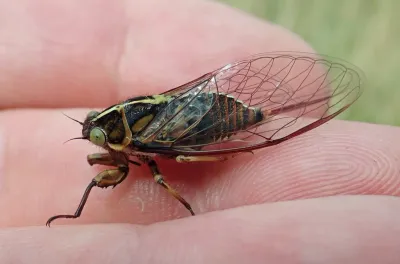
Annual Cicadas
Neotibicen spp.
Annual cicadas, also known as dog-day cicadas, emerge every summer with their distinctive buzzing calls. These large insects spend years underground before surfacing to mate during the hottest days of July and August.
View identification guide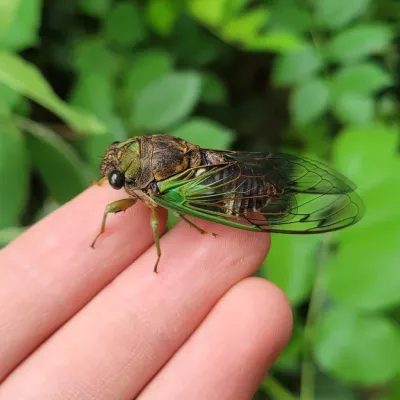
Dog-Day Cicadas
Neotibicen spp.
Large, loud insects known for their distinctive buzzing call during the hottest days of summer. Unlike periodical cicadas, dog-day cicadas appear annually and are a defining soundtrack of mid-summer.
View identification guide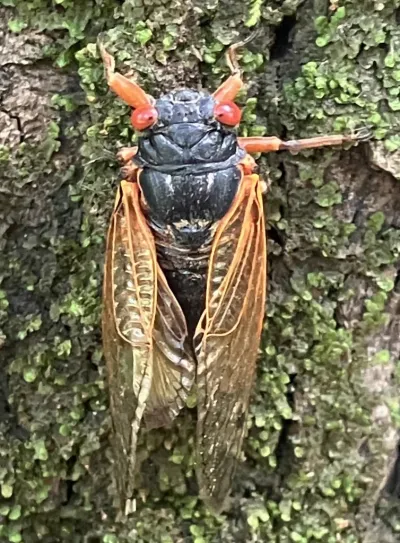
Periodical Cicadas
Magicicada spp.
Periodical cicadas are remarkable insects that emerge in massive numbers every 13 or 17 years. These harmless but loud insects are known for their synchronized emergences and distinctive buzzing songs.
View identification guideCommon Questions about Cicadas
Are cicadas harmful to humans?
+
No, cicadas are completely harmless to humans. They do not bite, sting, or carry diseases. Their loud buzzing can be a nuisance, but they pose no direct threat to people or pets.
Why are cicadas so loud?
+
Male cicadas produce their distinctive buzzing sound to attract females for mating. They use specialized organs called tymbals on their abdomens that vibrate rapidly, producing sounds that can reach up to 120 decibels.
What is the difference between annual and periodical cicadas?
+
[Annual cicadas](/pests/cicadas/annual-cicadas/) emerge every year during summer and are typically larger with greenish coloring. [Periodical cicadas](/pests/cicadas/periodical-cicadas/) emerge in synchronized broods every 13 or 17 years, have black bodies with red eyes, and appear in massive numbers.
Do cicadas damage trees?
+
Female cicadas can cause minor damage to young trees when they lay eggs in small branches, causing a phenomenon called flagging where branch tips turn brown and die. Mature, healthy trees typically recover without issue.
How long do cicadas live above ground?
+
Adult cicadas live above ground for only 4 to 6 weeks. During this time, they mate and lay eggs before dying. The nymphs then spend years underground feeding on tree root sap before emerging as adults.
When do cicadas emerge?
+
Annual cicadas typically emerge in July and August. Periodical cicadas emerge in late April through June when soil temperatures reach about 64 degrees Fahrenheit, with exact timing varying by brood and geographic location.
Should I use pesticides to control cicadas?
+
Insecticides are not effective against cicadas due to their massive numbers during emergences. Netting works better to protect young trees while the cicadas are active.
Explore Other Pest Categories
Browse our comprehensive pest library for identification guides and control information.



With five years of hands-on experience in the pest control industry, George Schulz is a registered technician with the Virginia Pest Management Association and a proud third-generation professional in a family business that's been protecting homes for over 57 years.
Find Local Cicada Control Services
We provide professional cicadas control throughout Virginia, Maryland, and the DC Metro area.