Yellowjackets Identification Guide
Vespula spp.
Aggressive stinging insects that build large colonies and are highly defensive of their nests.
Taxonomy
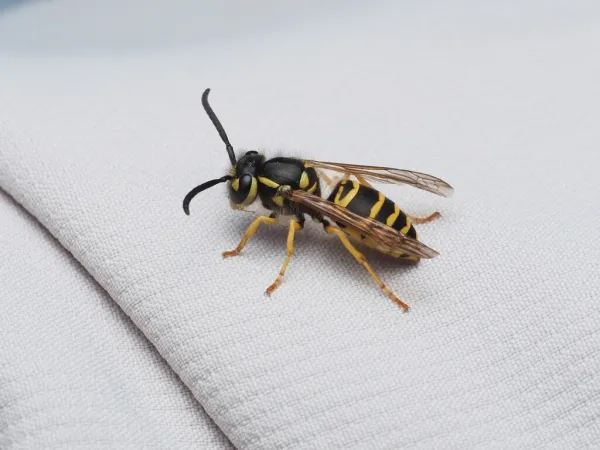
Yellowjackets Coloration
Common color patterns to help identify yellowjackets
Yellowjackets
Seasonal Activity
When yellowjackets are most active throughout the year

Where Yellowjackets Are Found
Hover over states to see their names. Green regions indicate where yellowjackets have been reported.
Yellowjackets Identification Guide
Physical Characteristics
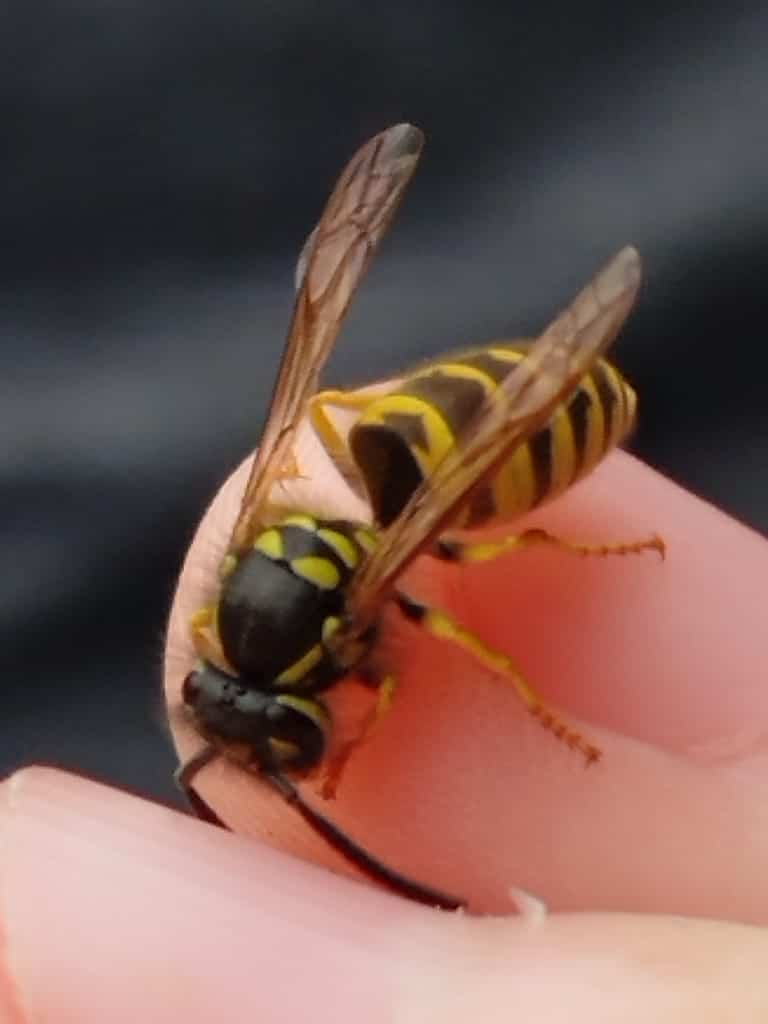
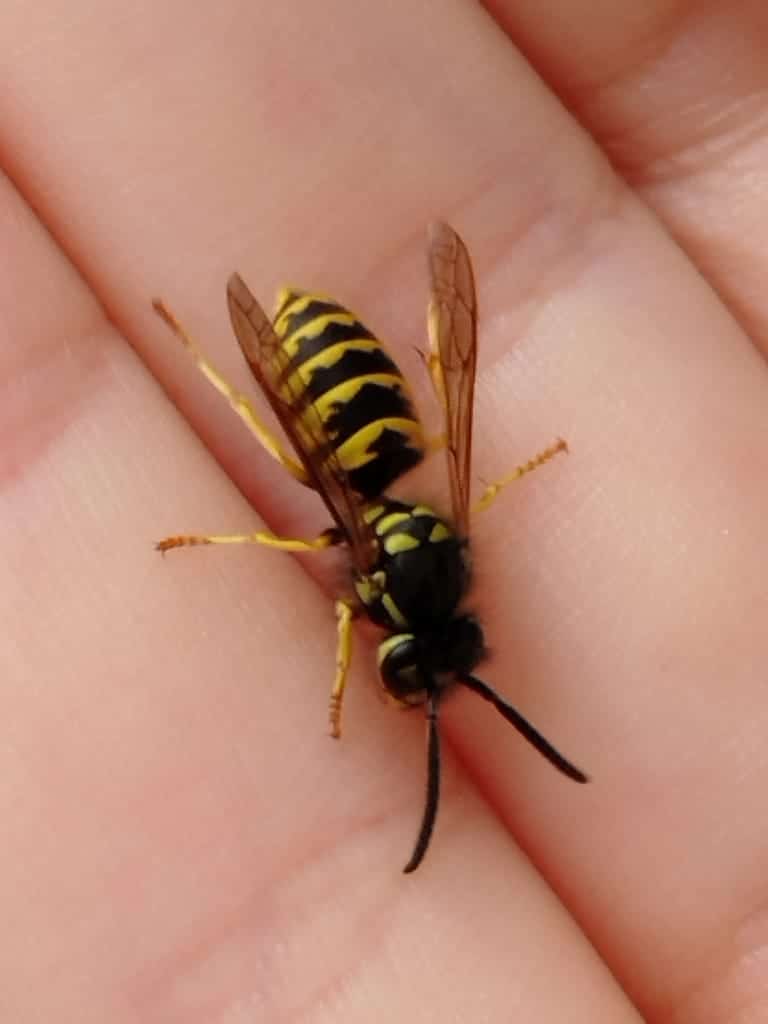
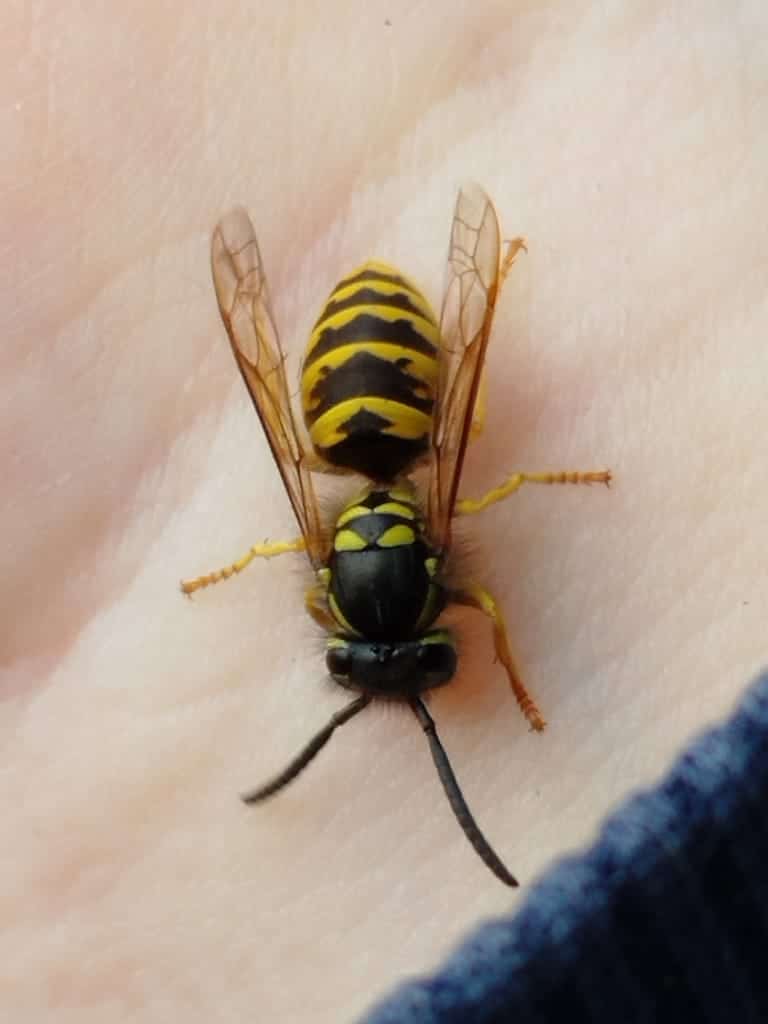
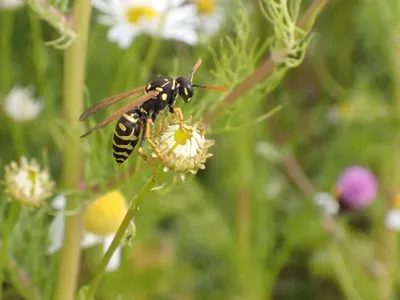
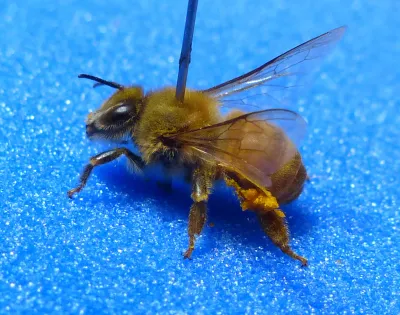
Yellow jackets are small, wasp-like insects with black and yellow banded bodies. They are often mistaken for honey bees, but they have a slimmer waist and do not have the fuzzy hairs that bees use for collecting pollen. They have clear wings that fold lengthwise when at rest and long, segmented antennae. Adult workers are about 1/2 inch long, while queens can grow up to 3/4 inch. Homeowners dealing with Yellowjackets may also encounter Wasp, which can appear in similar environments.
Common Species
-
Eastern Yellow Jacket (Vespula maculifrons)
-
Southern Yellow Jacket (Vespula squamosa)
-
German Yellow Jacket (Vespula germanica)
Yellowjackets Behavior and Biology
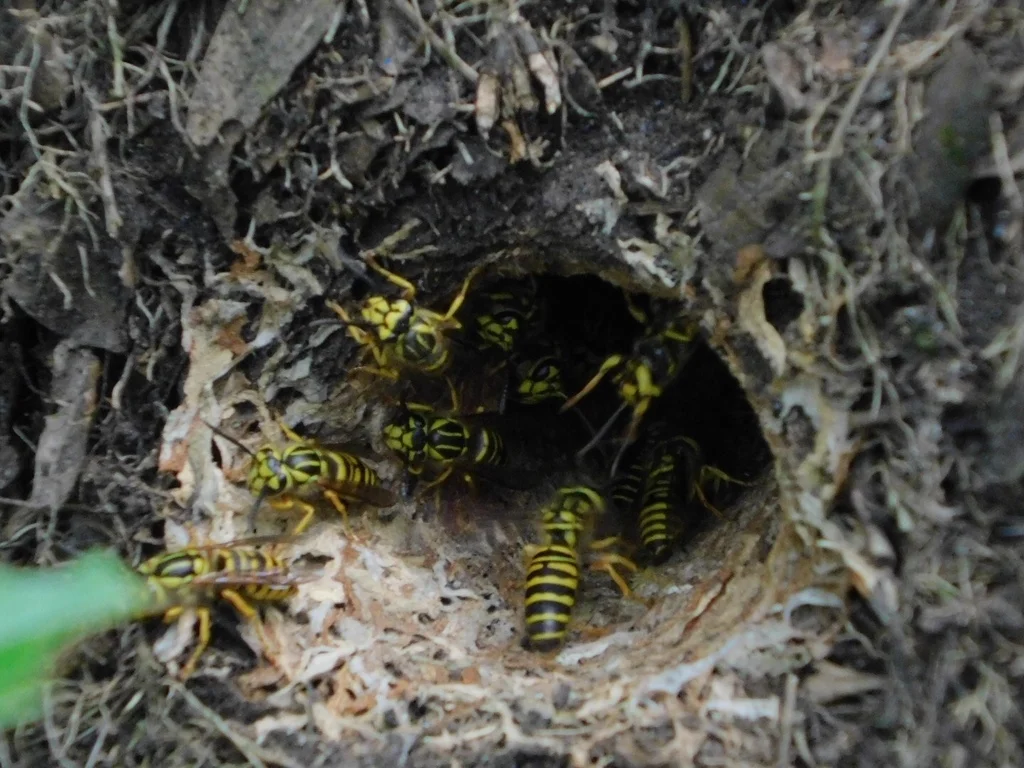
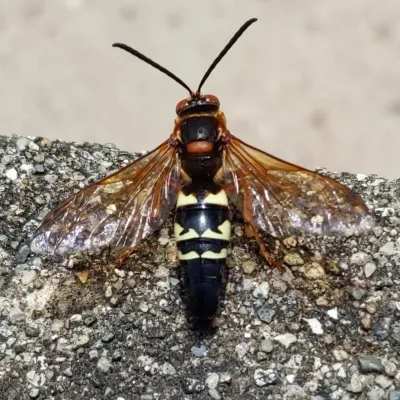
Yellow jackets are social insects that live in large colonies. Their nests are built underground or inside structural voids, such as wall cavities and other protected spaces. These nests are made from paper-like material created by chewing wood fibers mixed with their saliva. The colony is ruled by a single queen who lays eggs, while worker yellow jackets handle foraging, defense, and nest maintenance. Unlike honeybees, yellow jackets can sting multiple times and are highly aggressive when their nest is disturbed. Other ground-nesting wasps like cicada killers may look similar but are solitary and far less aggressive.
How We Treat for Yellowjackets
We follow a precise process for identifying and eliminating yellow jacket nests based on their location:
-
Underground Nests: We apply a residual insecticide directly into the nest entrance and surrounding soil. Insecticidal dust may also be used to penetrate deep into the colony.
-
Aerial Nests (Walls, Trees, Eaves): We use a residual insecticide spray or aerosol directly on the nest, ensuring full coverage. If in a structure, insecticidal dust or foam may be applied into the entry points.
-
Wall Void Nests: A combination of dust and aerosol is applied into visible nest openings to eliminate the colony. Follow-up visits may be required.
-
Customer Guidance: After treatment, we provide recommendations for sealing entry points and preventing future infestations.
Most yellow jacket jobs come with a 30-day warranty to ensure effective elimination. Learn more about when yellowjackets come out and how to tell yellowjackets vs. hornets apart.
References
Other Wasps
Explore other species in the wasps family
Commonly Confused With
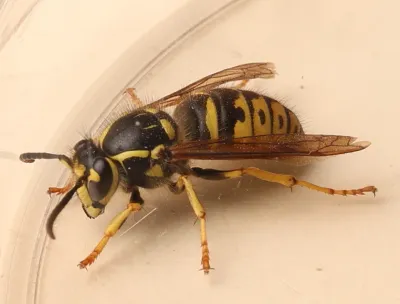
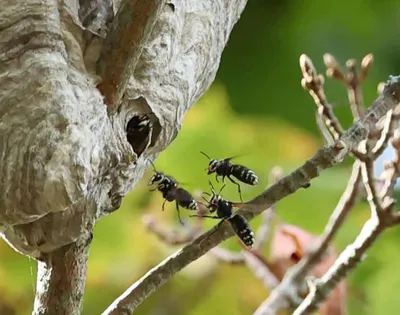
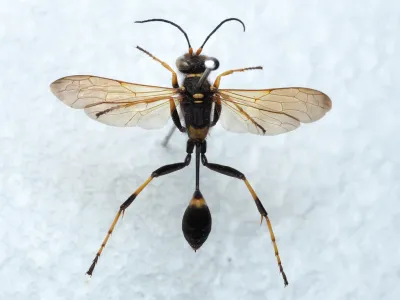
Yellowjackets are often mistaken for these similar pests
Where Yellowjackets Are Found
Hover over states to see their names. Green regions indicate where yellowjackets have been reported.
Common Questions about Yellowjackets
How do I know if I have a yellow jacket nest?
+
Yellow jackets are highly active during the summer and fall. If you notice a steady stream of wasps flying in and out of a hole in the ground, wall void, or structure, there is likely a nest present.
Are yellow jackets dangerous?
+
Yes. Yellow jackets are extremely aggressive and can sting multiple times. Their venom can cause severe pain, swelling, and in some cases, allergic reactions. If you experience symptoms of a severe allergic reaction, seek medical attention immediately.
Can I remove a yellow jacket nest myself?
+
DIY removal is not recommended. Disturbing a nest can trigger a swarm, leading to multiple painful stings. Professional treatment ensures the nest is eliminated safely and effectively.
What time of year are yellow jackets most active?
+
Yellow jackets are most active from late spring through fall, with peak colony size occurring in late summer.
What should I do if I see a yellow jacket nest?
+
Stay away from the nest and avoid any sudden movements that might agitate them. Call us for a professional inspection and treatment.
Can yellow jackets nest inside my home?
+
Yes. They can enter through cracks and gaps in siding or vents and build nests inside wall voids.
Do you treat honeybee nests?
+
No, honeybees are protected and beneficial pollinators. We only treat aggressive stinging insects like yellow jackets, hornets, and wasps.
More Resources About Yellowjackets
Explore our guides and articles for more information about yellowjackets.
- ›Yellow Jacket Nest vs Paper Wasp Nest: How to Tell Them Apart
- ›Wasp Nest in Wall? Signs, Dangers & Professional Removal
- ›Mud Dauber vs Wasp: Key Differences You Should Know
- ›Hornet vs Wasp: How to Identify Common DC Area Species
- ›Types of Wasp Nests: How to Identify and Remove Them
- ›Types of Hornets and Wasps: ID Guide for Homeowners
- ›Wasps in Maryland: Types, Nests & How to Handle Them
- ›Wasp vs Bee vs Hornet: How to Tell What's Buzzing Around
- ›Wasp Nest Removal: Why Professionals Prevent Return Visits
- ›Yellow Jacket vs Paper Wasp: How to Tell Them Apart
- ›How To Kill Ground Bees: Complete Guide For Homeowners
- ›Ground Hornet Facts: Appearance and Effective Treatments
- ›How to Get Rid of Carpenter Bees: Pro Methods That Work
- ›European Hornet Nest: What They Look Like & Treatment

With five years of hands-on experience in the pest control industry, George Schulz is a registered technician with the Virginia Pest Management Association and a proud third-generation professional in a family business that's been protecting homes for over 57 years. He manages and trains a team of service pros while also leading internal research efforts—recently spearheading a deep-dive review of thousands of documents on pest control materials to hand-pick the most kid and pet friendly, most effective solutions tailored specifically for homes in the DC metro area.