Bald-Faced Hornets Identification Guide
Dolichovespula maculata
Bald-faced hornets are large, aggressive black and white wasps known for building large, enclosed paper nests in trees and on structures. Despite their name, they are technically aerial yellowjackets, not true hornets.
Taxonomy
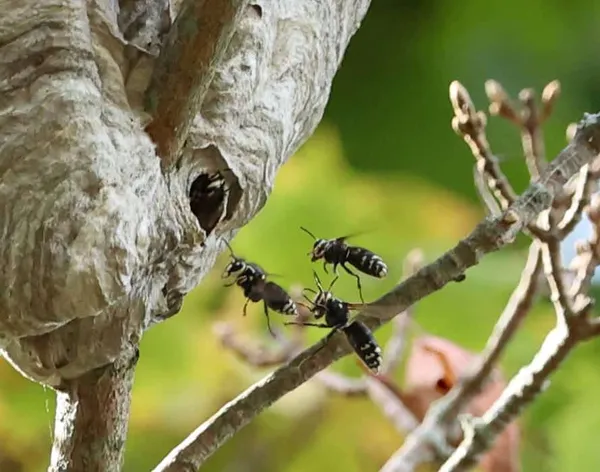
Bald-Faced Hornets Coloration
Common color patterns to help identify bald-faced hornets
Bald-Faced Hornets
Seasonal Activity
When bald-faced hornets are most active throughout the year
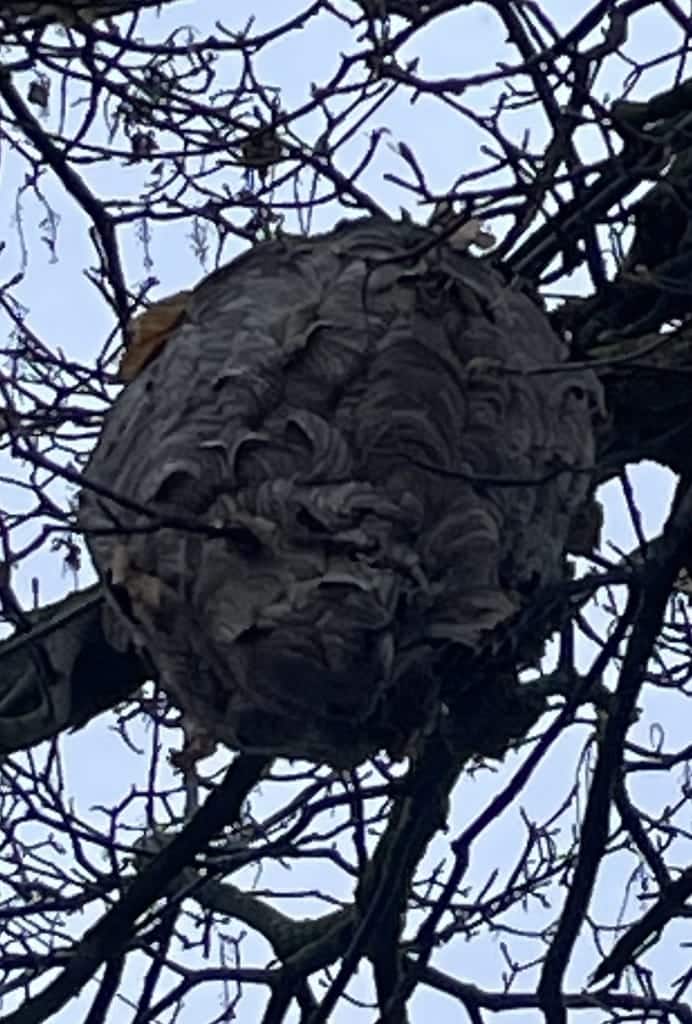
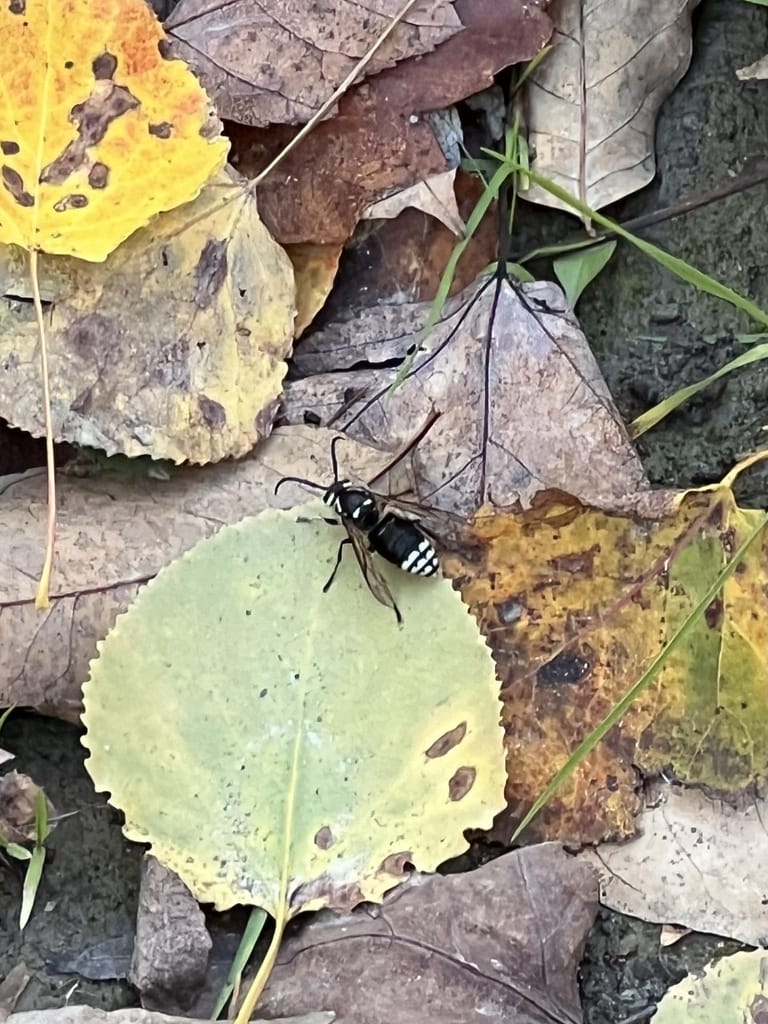
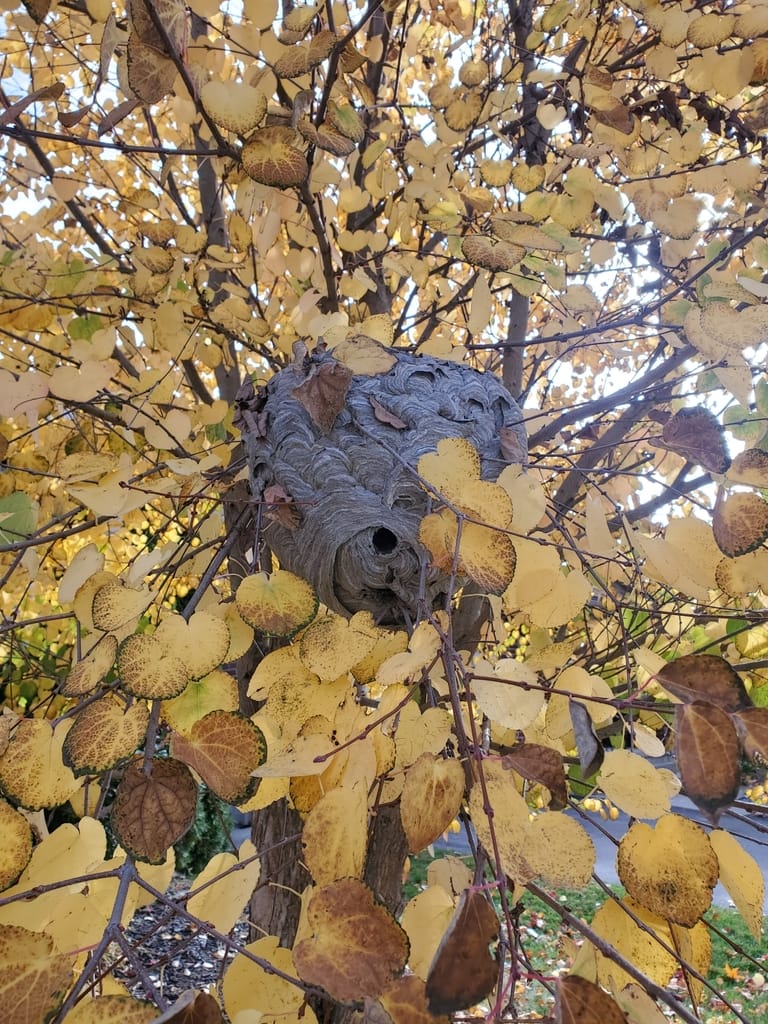
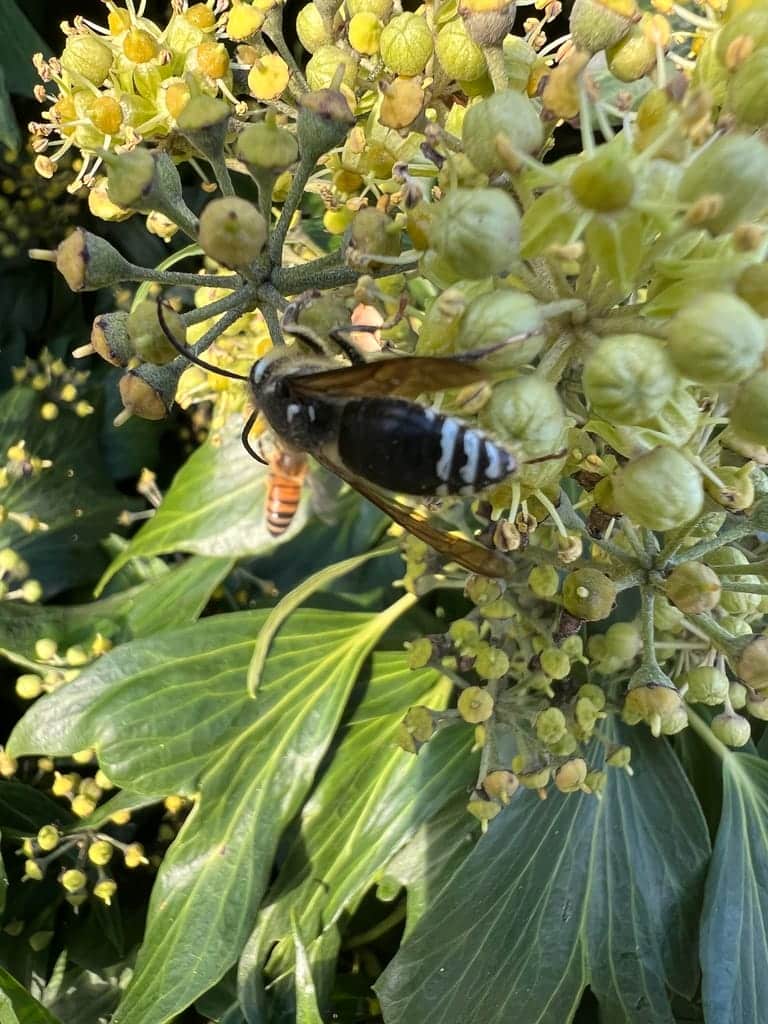

Where Bald-Faced Hornets Are Found
Hover over states to see their names. Green regions indicate where bald-faced hornets have been reported.
Bald-Faced Hornets Identification Guide
Physical Characteristics
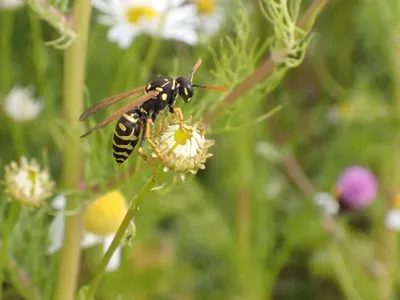
Bald-faced hornets are black and white social wasps with a distinct white pattern on their face. They have a robust body, measuring between 0.5 to 0.75 inches long, and are often mistaken for bees due to their size. Unlike yellow jackets, bald-faced hornets have a smooth body without the fuzzy appearance of bees. Their wings are translucent, and they have a visible stinger used for defending their nests.
Common Species
Dolichovespula maculata (Bald-Faced Hornet) A related species, Northern Giant Hornets, shares similar characteristics.
Bald-Faced Hornets Behavior and Biology
Bald-faced hornets are aggressive social wasps that live in colonies, with a queen laying eggs throughout the warm months. Workers maintain the nest, protect it from threats, and hunt for food. Their diet primarily consists of nectar, fruit, and other insects. They are closely related to aerial yellowjackets, belonging to the same genus Dolichovespula. These hornets build their nests in trees, shrubs, or attached to buildings, using chewed wood pulp to create a sturdy, enclosed paper structure. Unlike the open nests built by paper wasps, bald-faced hornet nests are fully enclosed with a single entrance hole. Colonies die off in the winter, with only fertilized queens surviving to start new colonies in the spring. The only true hornet in North America is the European hornet, which is larger and brown-and-yellow rather than black-and-white.
How We Treat for Bald-Faced Hornets
When dealing with bald-faced hornets, our technicians follow a structured approach:
-
Nest Identification & Inspection - The technician locates the nest and determines the level of infestation.
-
Direct Treatment - A residual insecticide is applied directly to the nest using a sprayer or aerosol product to neutralize the colony.
-
Follow-Up & Nest Removal - After ensuring the colony has been eliminated, we remove the nest to prevent re-infestation.
If the nest is inside a wall void, we apply insecticidal dust and may use an aerosol foam to fill the space and eliminate the colony. Due to the aggressive nature of these hornets, multiple treatments may be necessary for complete removal. Learn more about hornets vs. wasps and how to identify types of hornets in our blog.
References and Further Reading
- Bald-faced Hornet - Penn State Extension - Detailed identification and behavior information
- Dolichovespula maculata - University of Florida Entomology - Scientific overview and biology
- Stinging Insects - CDC NIOSH - Information on stinging insect risks and prevention
Other Wasps
Explore other species in the wasps family
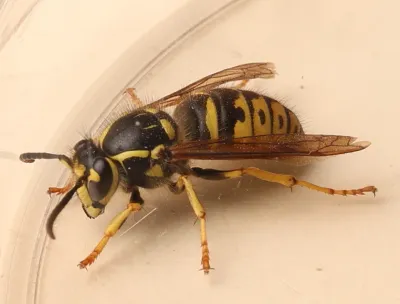
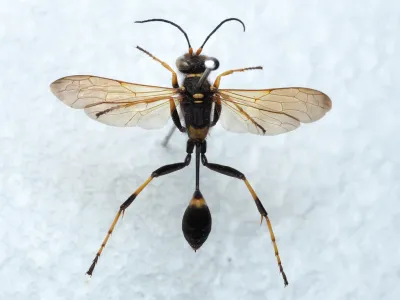
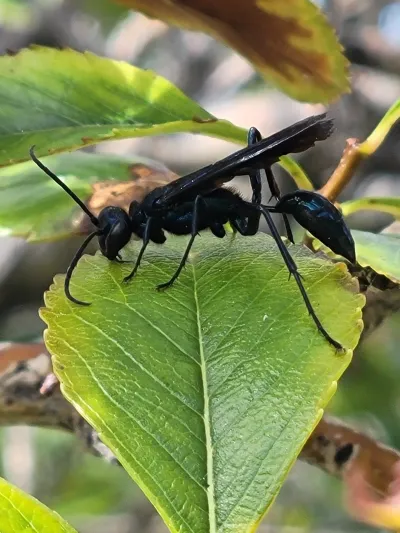
Commonly Confused With
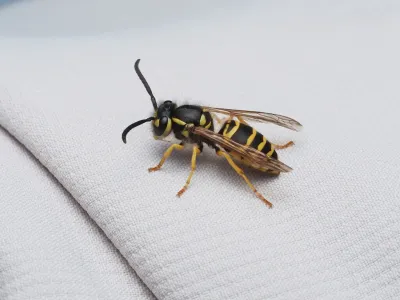
Bald-Faced Hornets are often mistaken for these similar pests
Where Bald-Faced Hornets Are Found
Hover over states to see their names. Green regions indicate where bald-faced hornets have been reported.
Common Questions about Bald-Faced Hornets
How dangerous are bald-faced hornets?
+
Bald-faced hornets are highly aggressive and will sting repeatedly if they feel their nest is threatened. Their stings are painful and can cause allergic reactions in some individuals.
Where do bald-faced hornets build their nests?
+
They typically build large, enclosed paper nests high up in trees, shrubs, or on buildings. Their nests can grow to be basketball-sized or larger.
Can I remove a bald-faced hornet nest myself?
+
Attempting to remove a bald-faced hornet nest without proper equipment is extremely dangerous. These insects will aggressively defend their colony. It's best to have a professional handle the removal.
What should I do if I find a bald-faced hornet nest on my property?
+
Avoid the nest and call a professional pest control service. Disturbing the nest can provoke an aggressive response from the colony.
How long does a bald-faced hornet nest last?
+
The colony is seasonal, meaning it will die off in the winter. However, new queens will emerge and start fresh nests in the spring. This is why professional treatment is necessary to prevent future infestations.
Do bald-faced hornets reuse old nests?
+
No, they do not reuse nests from previous years. Each colony builds a new nest every season.
How does Better Termite & Pest Control treat bald-faced hornets?
+
Our process includes nest identification, applying residual insecticide, and removing the nest once the colony is eliminated. For nests in wall voids, we use insecticidal dust and foam treatments as needed.
What if the hornets come back after treatment?
+
We offer free callbacks within 30 days if the nest is not completely neutralized on the first visit, ensuring the issue is fully resolved at no additional cost.
More Resources About Bald-Faced Hornets
Explore our guides and articles for more information about bald-faced hornets.
- ›European Hornet Nest: What They Look Like & Treatment
- ›Types of Hornets and Wasps: ID Guide for Homeowners
- ›Hornet vs Wasp: How to Identify Common DC Area Species
- ›Yellow Jacket Nest vs Paper Wasp Nest: How to Tell Them Apart
- ›Wasp vs Bee vs Hornet: How to Tell What's Buzzing Around
- ›Ground Hornet Facts: Appearance and Effective Treatments
- ›How To Kill Ground Bees: Complete Guide For Homeowners
- ›Types of Wasp Nests: How to Identify and Remove Them
- ›Wasps in Maryland: Types, Nests & How to Handle Them
- ›Mud Dauber vs Wasp: Key Differences You Should Know

With five years of hands-on experience in the pest control industry, George Schulz is a registered technician with the Virginia Pest Management Association and a proud third-generation professional in a family business that's been protecting homes for over 57 years. He manages and trains a team of service pros while also leading internal research efforts—recently spearheading a deep-dive review of thousands of documents on pest control materials to hand-pick the most kid and pet friendly, most effective solutions tailored specifically for homes in the DC metro area.