
Many homeowners struggle to tell ladybugs from other beetles around their homes. Some beetles are harmless, while others damage your property or become serious indoor pests. Knowing the difference helps you choose the right response for each type.
After four years in pest control and seeing countless beetle issues across the DMV area, I’ve learned that correct identification is the first step. Our family business has been helping homeowners with this for over 50 years.

Basic Ladybug vs Beetle Identification
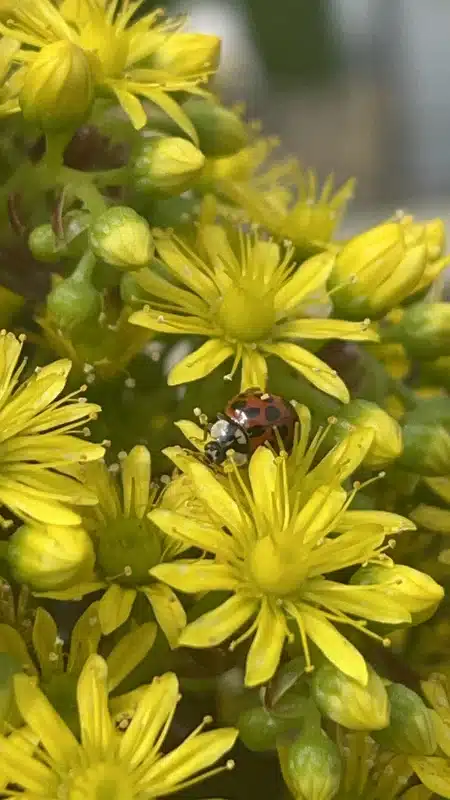
True ladybugs belong to the beetle family Coccinellidae. They have dome-shaped bodies and short, clubbed antennae that are less than one-third their body length. Most species show bright colors with contrasting spots.
Other household beetles look very different. Carpet beetles are much smaller with fuzzy, scale-like patterns. Flour beetles are flattened and brown. Ground beetles are dark and long with longer antennae.
The key differences are body shape and antennae. Ladybugs keep that round dome shape. Other beetles range from flat to tube-shaped depending on the species.
Quick Comparison
| Ladybugs | Pest Beetles | |
|---|---|---|
| Body Shape | Dome-shaped, rounded | Flat, long, or tube-shaped |
| Antennae | Short, clubbed | Long, straight, or segmented |
| Feeding | Hunt other insects (aphids, scale) | Plants, fabrics, or stored foods |
| Movement | Slow, steady hunting | Fast, erratic, or hiding |
Common Ladybugs in Our Area
Native Species
The convergent lady beetle is orange with two slanted white lines behind its head. Seven-spotted ladybugs are red with exactly seven black spots. Both hunt aphids and soft-bodied insects in gardens.
The twice-stabbed lady beetle is mostly black with two red spots. It feeds on scale insects and mealybugs on trees and shrubs.
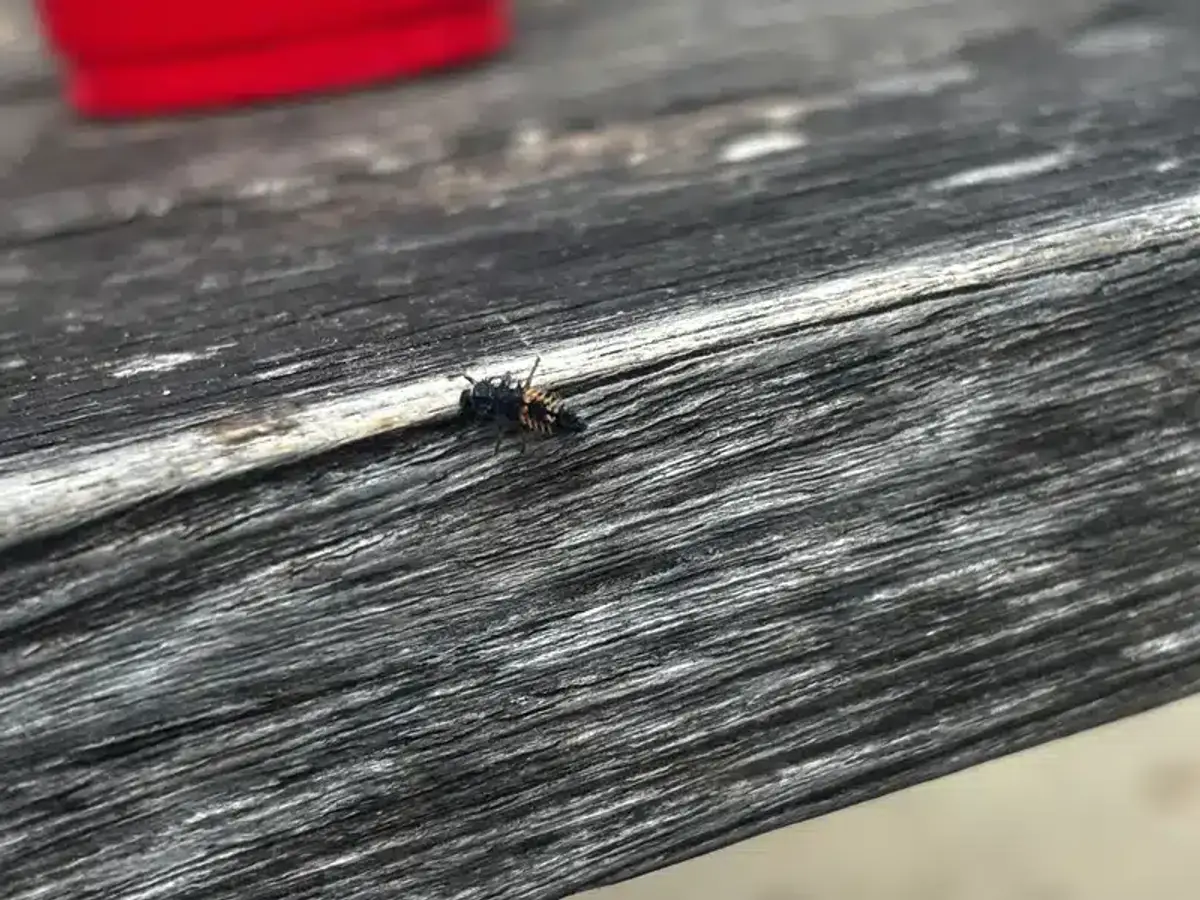
Ground Beetles and Other Garden Species
Ground beetles are dark and fast-moving. They feed on slugs, cutworms, and weed seeds. Unlike ladybugs, they stay at soil level instead of climbing plants.
Soldier beetles and rove beetles also eat small insects around your property. Their long bodies and different antennae make them easy to tell apart from ladybugs.
Beetles That Look Like Ladybugs But Aren’t
Mexican Bean Beetle
The Mexican bean beetle is often mistaken for a ladybug. It has copper-brown coloring with 16 spots in a 6-6-4 pattern. The big difference: it eats plant leaves rather than other insects.
Its larvae are yellow and spiny. Ladybug larvae are smooth and alligator-shaped. This makes it easy to tell them apart if you know what to look for.
A quick look at how the beetle behaves usually tells you more than color alone. Movement and feeding habits are the most reliable clues.
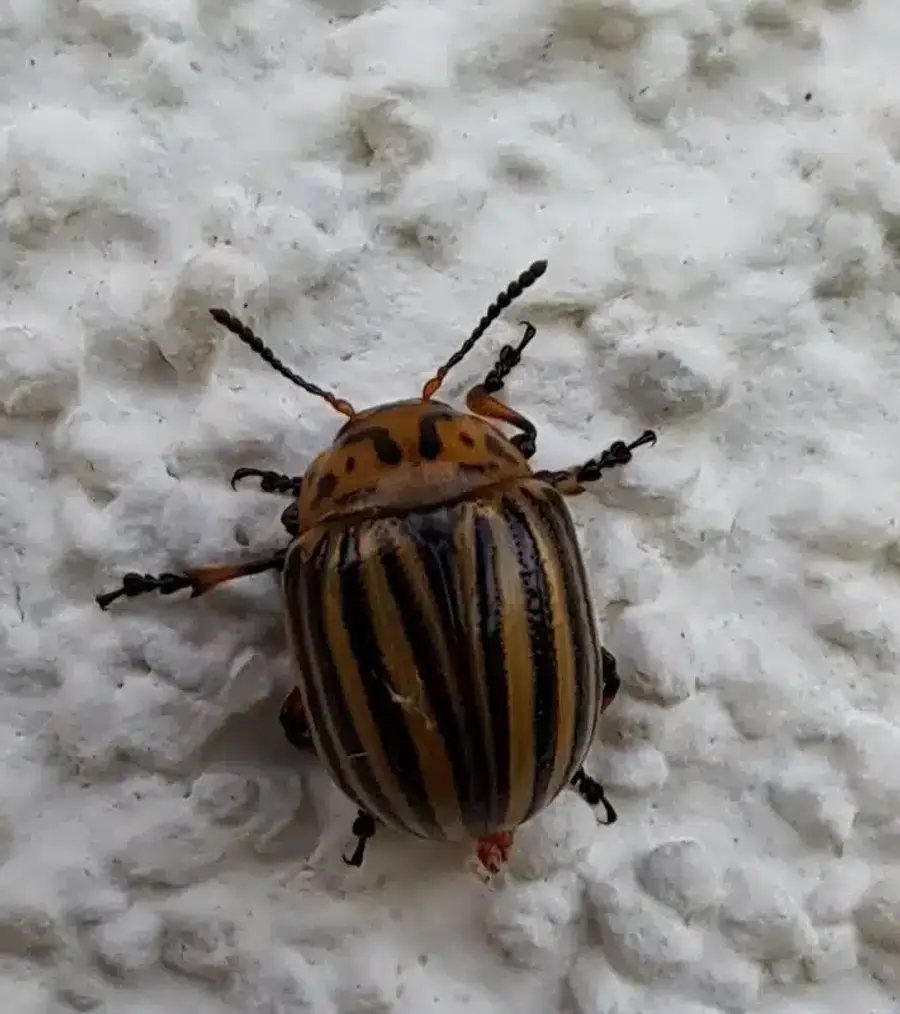
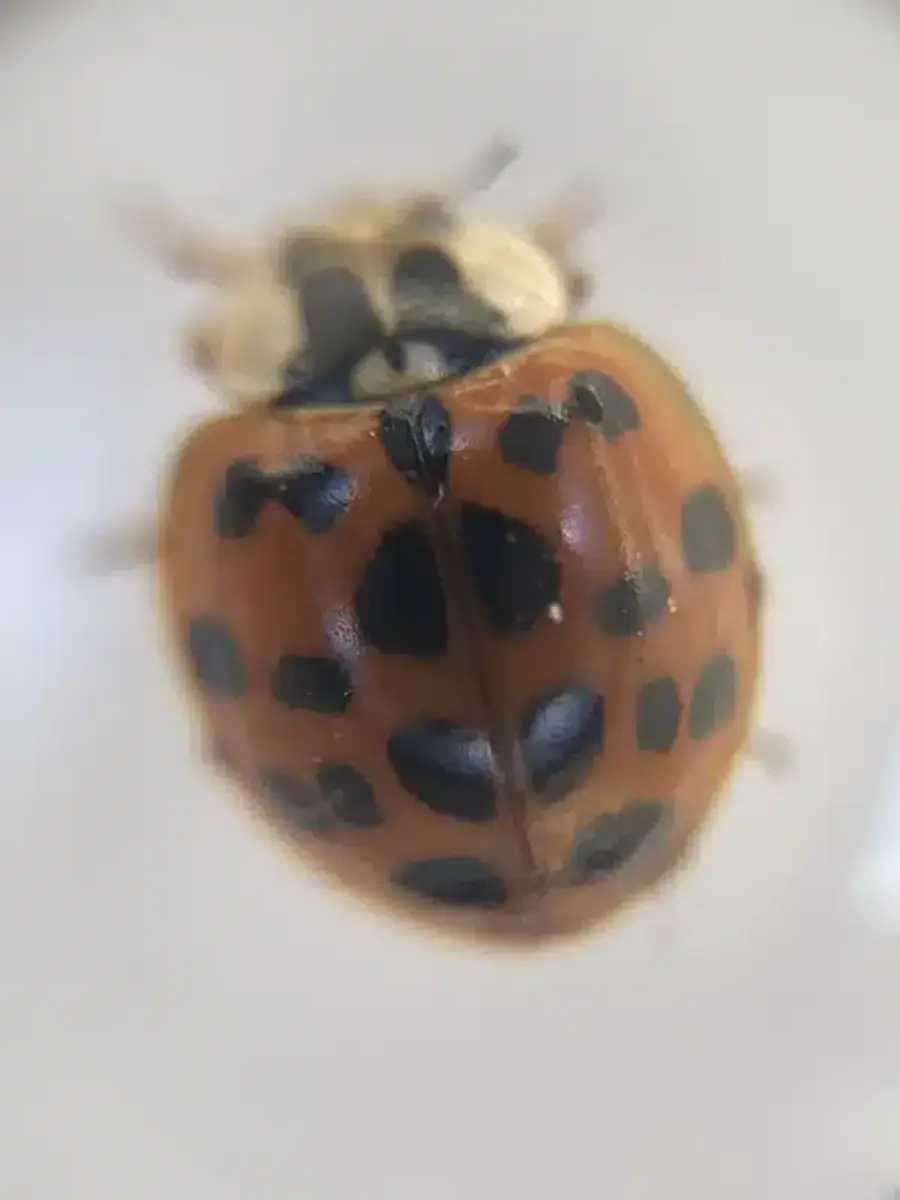
Spotted Cucumber Beetle
Spotted cucumber beetles have yellow bodies with black spots but an elongated shape. Their visible head and striped antennae clearly set them apart from dome-shaped ladybugs. They damage garden vegetables.
Cucumber beetles also fly differently than ladybugs. They show more erratic flight patterns and feed on plant material rather than hunting other insects.
When Asian Lady Beetles Become Indoor Pests
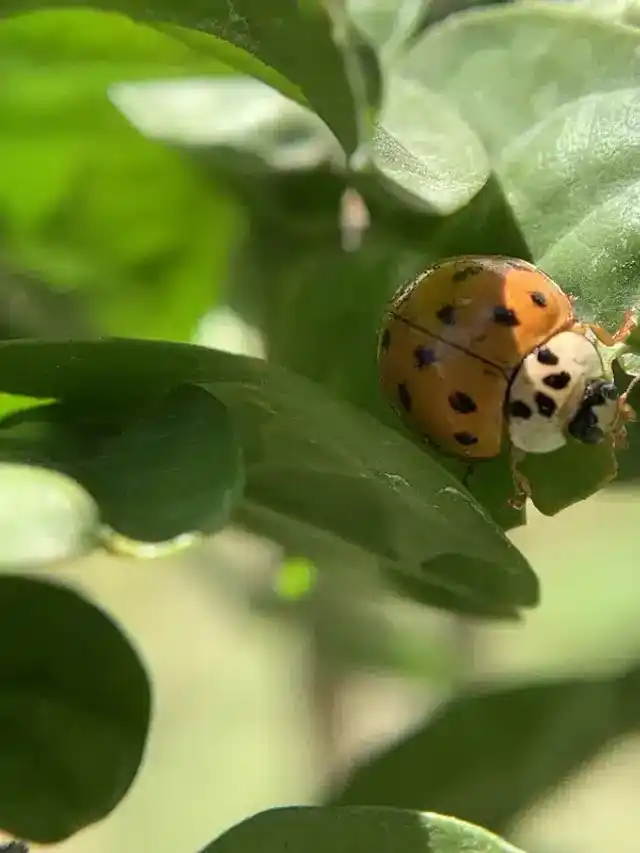
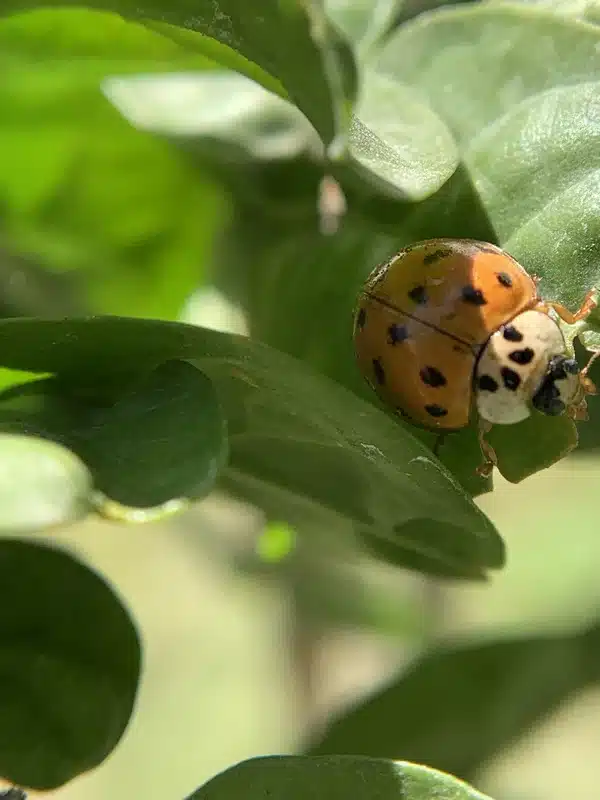
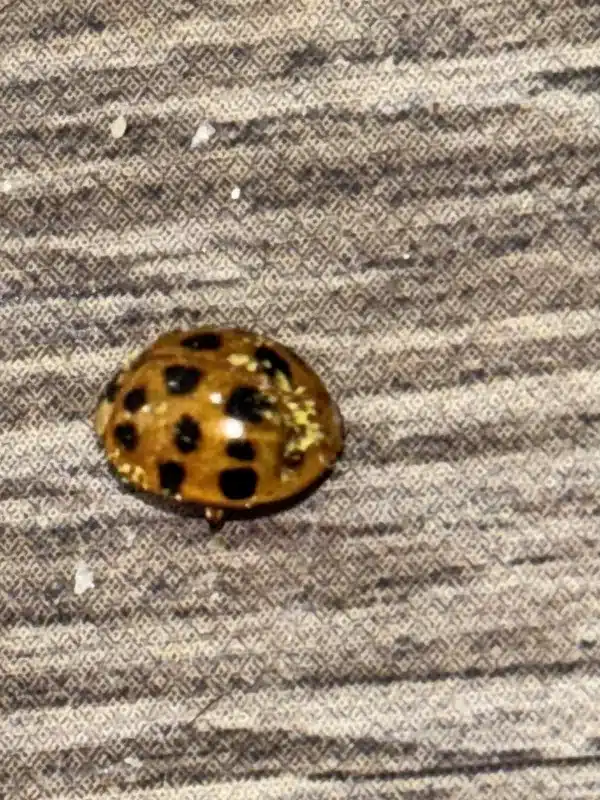
The multicolored Asian lady beetle is the biggest indoor problem. This species has a pale “M” or “W” marking on its whitish head. During fall, they swarm into homes in large numbers looking for shelter.
Research shows these beetles zero in on light-colored, south-facing walls when outdoor temps drop below 65°F after the first frosts.
According to University of Maryland Extension, Asian lady beetles use chemical and visual cues to pick overwintering sites. They strongly prefer buildings that get maximum sun during fall. When temps hit 65°F, they release a group scent that leads to mass gatherings on the building.
Once they find a good spot, they can come back to the same building year after year. This makes prevention especially important.
Health and Property Concerns
Indoor lady beetle infestations go beyond just being annoying. When bothered, these beetles release yellow fluid that stains painted surfaces and fabrics. This fluid can also trigger allergic reactions in some people.
Lady beetles that get inside heated homes can’t survive long-term. They slowly use up their energy without the right conditions.
Major Household Pest Beetles
Carpet Beetles vs Ladybugs
Carpet beetles are much smaller than ladybugs, about 1/8 inch or less. They have fuzzy, scale-like patterns instead of smooth, shiny surfaces. Their larvae do the real damage, eating wool, silk, and organic debris.
These pests get inside through open windows, following flower pollen scents. Adults often gather at windowsills during spring and late summer flights.
Stored Product Beetles
Flour beetles, drugstore beetles, and other pantry pests have flat bodies and long, straight antennae. These traits clearly set them apart from ladybugs. They get into dry foods rather than hunting insects.
These beetles can breed for many generations indoors if food remains. Pet food, bird seed, and forgotten pantry items are common breeding sources.
Wood-Boring Beetles
Powderpost beetles make tiny holes in hardwood floors and furniture. Their larvae grow inside wood, producing fine dust. Adults are much smaller and more tube-shaped than ladybugs.
Old house borers target structural lumber. Both types need a professional check to tell active damage from old, inactive holes.
How to Handle Asian Lady Beetles
Prevention Is Key
Stopping Asian lady beetles before they get in works far better than removing them after. Seal gaps around soffits, fascia, and utility lines during August and September. This blocks their main entry routes.
For beetles already inside, use a HEPA vacuum to remove them. Professional exterior treatments with products like bifenthrin give 3 to 5 weeks of deterrence when applied in early fall. If they pile onto your siding every October, that’s the point where professional ladybug treatment is worth a call.
- Seal in August-September: Check and close gaps around soffits, fascia boards, and utility entry points
- Fix screens: Install fine mesh screens and repair tears. Beetles follow light to get inside
- Change outdoor lights: Switch to sodium vapor bulbs or cut outdoor lighting during October and November
- Schedule treatment: Book exterior perimeter treatment in early September for best results during beetle season
Treating Other Pest Beetles
Carpet beetle control focuses on cleaning and exclusion. Vacuum often to remove larvae and food sources. Store natural fiber items in sealed containers.
Stored product beetles need quick disposal of infested items. Move remaining pantry goods to airtight containers. Freezing items for two weeks kills hidden life stages.
Wood-boring beetles point to moisture or structural issues. Fixing those underlying problems prevents new beetles more effectively than surface treatments.
Seasonal Timing in the DMV Area
Asian lady beetle invasions peak from late October through mid-November in Virginia, Maryland, and DC. Western Maryland usually sees activity one week earlier due to higher elevations.
Carpet beetle adults fly to windows during April and May, with a second round in August and September. Stored product beetles stay active year-round but increase during humid summer months.
Our family business has tracked these patterns across the DMV for decades. Knowing the local timing helps you set up prevention before problems start.
Professional vs DIY Identification
Many beetle ID mistakes happen because the differences are subtle. Small black beetles are especially tricky for homeowners.
Professional assessment gives you accurate identification and the right treatment plan. Our technicians check life stages, damage patterns, and conditions that homeowners often miss.
Some harmless beetles also trigger unnecessary concern. A professional evaluation prevents treating the wrong species while addressing real pest problems.
When you spot small beetles around your home, take time to check their shape, size, and behavior before acting. If you’re dealing with indoor beetle problems or need help with identification, call us at 703-683-2000 or email info@bettertermite.com for expert help.