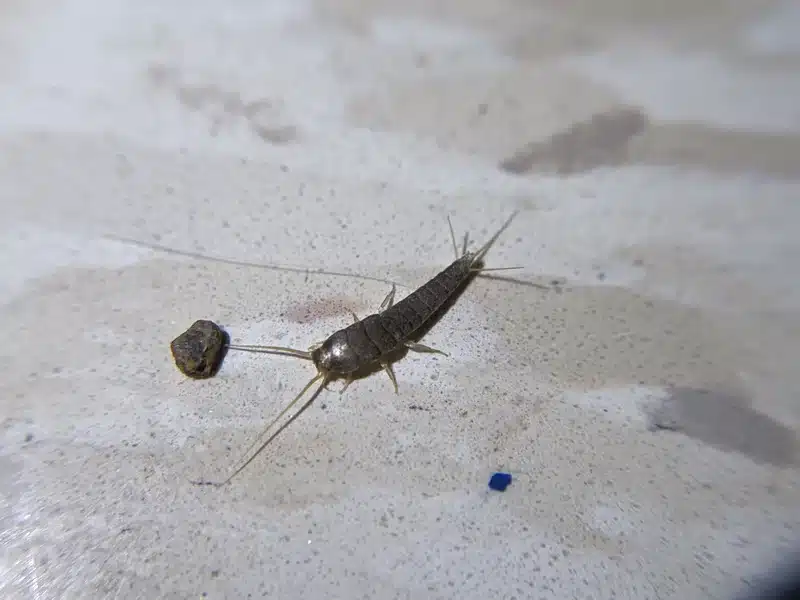

Silverfish are small, wingless insects that can quickly become unwanted guests in your home. These silvery, fish-like creatures move fast when disturbed and hide during the day. Knowing what attracts silverfish is the first step to keeping them out. For more details, check out our Four-Lined Silverfish guide.
In my four years as a registered technician, I’ve seen many silverfish problems across the DMV area. Our family business has been helping homeowners with these pests for over 50 years. I’ve learned that stopping them early is always easier than getting rid of them later.
Here’s what you need to know about these pests and how to keep them away.
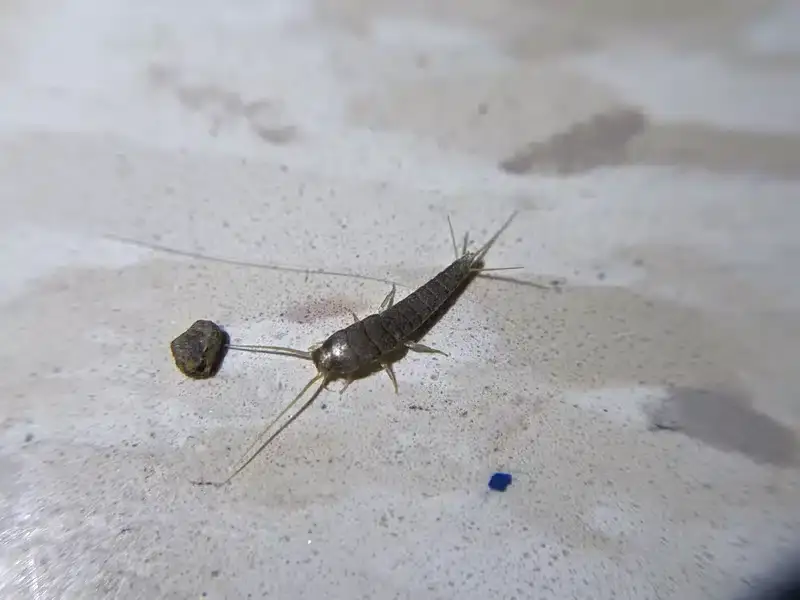
How to Identify Silverfish
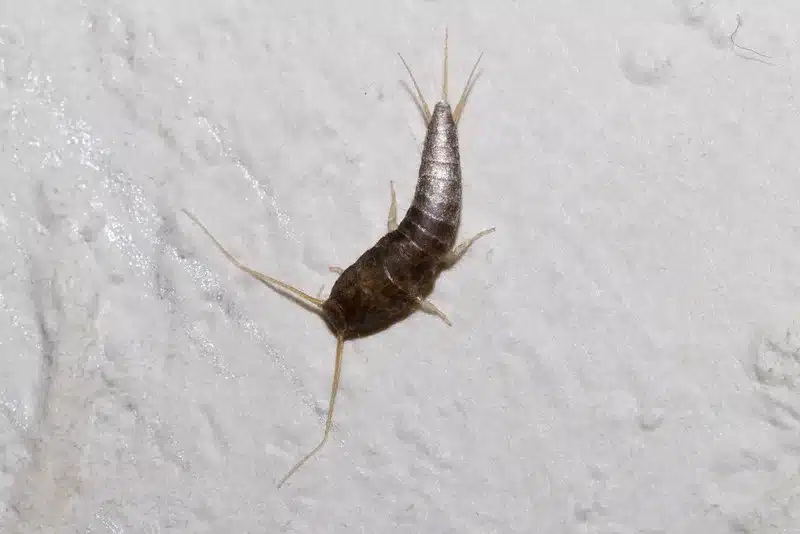
Before looking at what draws these pests inside, it helps to know what they look like. Silverfish are about 13-25 mm long. They have flat bodies shaped like a carrot, narrowing toward the back. Two long antennae sit at the front and three tail-like parts stick out the back.
They get their silver color after a few molts. Young ones may look gray or clear. They have no wings. When scared, they dart away in a quick, fish-like wiggle.
You’ll most likely spot them in sinks or bathtubs where they’ve gotten stuck. The smooth walls are too slick for them to climb out.
Moisture: The Biggest Draw
The top factor in what attracts silverfish is moisture. These insects need high humidity to survive. They do best when the air is at 75% relative humidity or above.
According to Virginia Tech Extension research, silverfish can pull moisture right from the air through their outer shell. This is why they need humid spaces so badly. They get stressed when humidity drops below 75% and begin to die below 50%.
In the Mid-Atlantic, basements and crawl spaces often hit 70%+ humidity in summer. Concrete walls “sweat,” pushing levels even higher. Silverfish in bathrooms are very common because shower steam and poor airflow keep things damp.
Other moisture sources that draw silverfish include:
- Leaking pipes under sinks
- Poorly vented laundry rooms
- Damp basements and crawl spaces
- Areas around HVAC drip pans
- Rooms with little air flow
Food Sources That Bring Silverfish Inside
What attracts silverfish on the food side may surprise you. These insects eat starches, proteins, and plant fiber found in many things around the house. Knowing their diet helps explain why they show up where they do.
Common food sources include:
- Paper products: Books, newspapers, magazines, and cardboard boxes
- Fabrics: Cotton, linen, and rayon clothing (especially if starched)
- Pantry items: Cereals, flour, pet food, and dried goods
- Glues: Wallpaper paste, book bindings, and tape
- Organic matter: Dead insects, skin flakes, and even their own shed skins
In my experience, homes with lots of books or stored clothing tend to have more silverfish. Basements used for storage are at high risk because they mix moisture with plenty of food.
Temperature and Seasonal Patterns
Temperature matters too. Common silverfish prefer 72-81°F. Other types have different needs. Learn more in our pest library.
Firebrats, a close relative, like it even hotter (above 86°F). They tend to gather near boilers, hot water pipes, or attic areas. Knowing where heat and moisture build up helps you guess where problems will pop up.
In Virginia, Maryland, and DC, summer humidity drives indoor moisture issues. We get the most calls after big storms when basements flood or seep.
Home Features That Attract Silverfish
Some parts of your home create perfect conditions for silverfish without you knowing it. Older row houses with brick foundations and no vapor barriers are at the highest risk. Wood-shake or shingle roofs trap heat and moisture while giving silverfish food too.
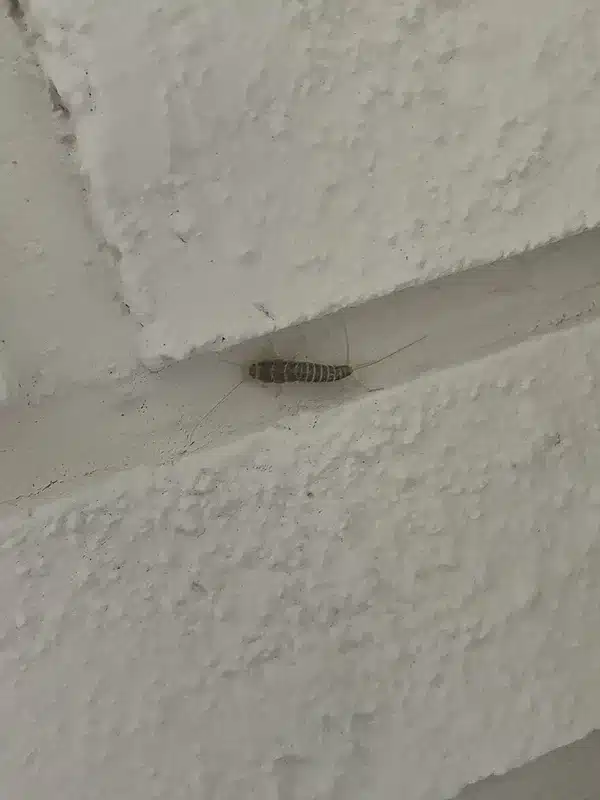
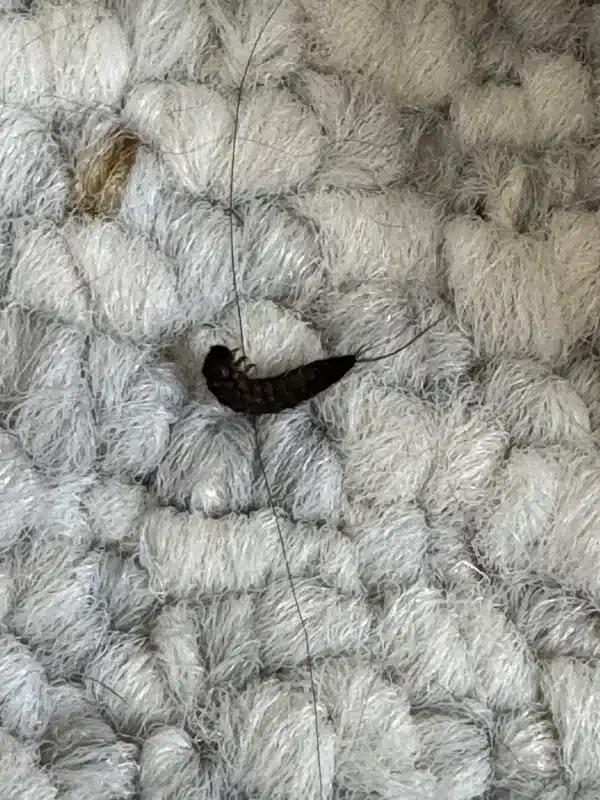

Common problem spots include:
- Gaps around pipe openings that aren’t sealed
- Spaces behind baseboards and cabinets
- Drop ceiling areas with built-up dust
- Wall and attic insulation spaces
- Where different building materials meet
Even newer homes can have problems. Tight, energy-saving homes built after 2012 sometimes trap humidity inside, leading to silverfish outbreaks within five years.
Clutter and Storage Areas
Clutter makes what attracts silverfish even worse by giving them food and shelter in one spot. Stacks of magazines, stored clothes, and old boxes create quiet spots where they can feed and breed.
Storage areas are the worst when they combine several draws at once. A cardboard box on a concrete basement floor gives silverfish food (cardboard), moisture (concrete sweating), and shelter (no one goes near it).
From my work in homes across the region, tidy storage and regular cleaning lead to far fewer silverfish. These insects avoid being disturbed, so spots you use often are less inviting to them.
How to Prevent Silverfish
The best way to handle silverfish control is to remove what draws them in. Cutting moisture should be your top goal. Silverfish die off when humidity drops below 50%.
- Lower Humidity: Run dehumidifiers to keep indoor levels below 50%. Fix plumbing leaks right away.
- Improve Airflow: Make sure bathroom and kitchen fans vent outside, not into the attic.
- Switch Storage: Replace cardboard boxes with sealed plastic bins, especially in basements.
- Seal Gaps: Caulk around pipes and utility openings where silverfish can enter.
- Clean Regularly: Vacuum crevices monthly and clear dust and debris from storage areas.
Sealing cracks with silicone caulk or foam keeps outdoor silverfish from getting in. Focus on gaps around pipes and spots where utility lines enter the building.
Professional Treatment Options
When prevention alone isn’t enough, professional treatment can help. We target both the silverfish and the conditions that attract them.
Our treatment plan focuses on key areas where silverfish hide and travel:
- Crack and crevice treatments in hiding spots
- Desiccant dusts in wall voids and high spaces
- Borate-based products that are effective but gentler on your family
We’ve dropped 9 of the harshest chemicals from our lineup, choosing products like Essentria and borate solutions instead.
Along with treatment, we help you fix the root causes:
- Find and fix moisture sources in your home
- Point out entry points that need sealing
- Suggest storage and cleaning changes
- Set up monitoring to catch new activity early
We tailor every plan to the home we’re working in, so you get results that last.
Signs of a Silverfish Problem
Catching silverfish early helps you fix what attracts silverfish before things get worse. They are active at night and shy away from light, so you may not see them at first.
Watch for these signs:
- Live or dead silverfish in sinks and bathtubs
- Yellowish scales on shelves and surfaces
- Uneven holes or scraping marks on books and papers
- Small, dark droppings near food sources
- Shed skins that look like dust in storage areas
If you find many adults, the problem has likely been going on a long time. Silverfish larvae grow slowly. It takes them 8 months to 3 years to reach full size. Seeing groups of them means they’ve been breeding for a while.
Keeping Silverfish Away Long-Term
Keeping silverfish away takes ongoing effort. Sticky traps along baseboards can catch new activity before it grows into a bigger issue.
Summer humidity spikes, especially after storms, often lead to more silverfish. Keep your dehumidifiers running and check for new moisture problems as part of your regular home care.
Control moisture, limit food sources, and keep your home sealed and clean. That’s the recipe for stopping most silverfish problems before they start.
If you’re dealing with ongoing silverfish issues or want a professional look at your home’s risk factors, our registered technicians can help. Call us at 703-683-2000 or email us at info@bettertermite.com. We’ll find what’s drawing silverfish to your property and build a plan to get rid of them.