Black-legged Ticks Identification Guide
Ixodes scapularis
Black-legged ticks, commonly known as deer ticks, are small parasites that transmit Lyme disease, anaplasmosis, babesiosis, and other serious illnesses. They are most active in spring and fall throughout the eastern United States.
Taxonomy
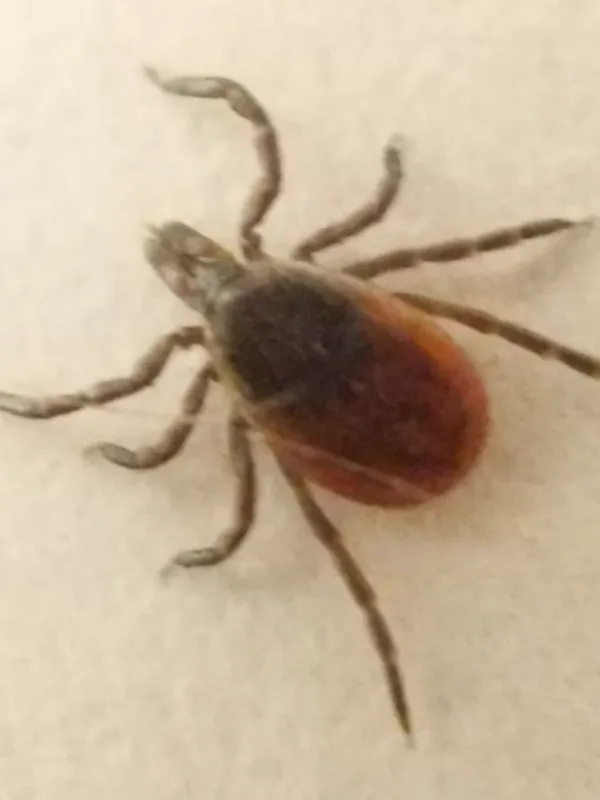
Black-legged Ticks Coloration
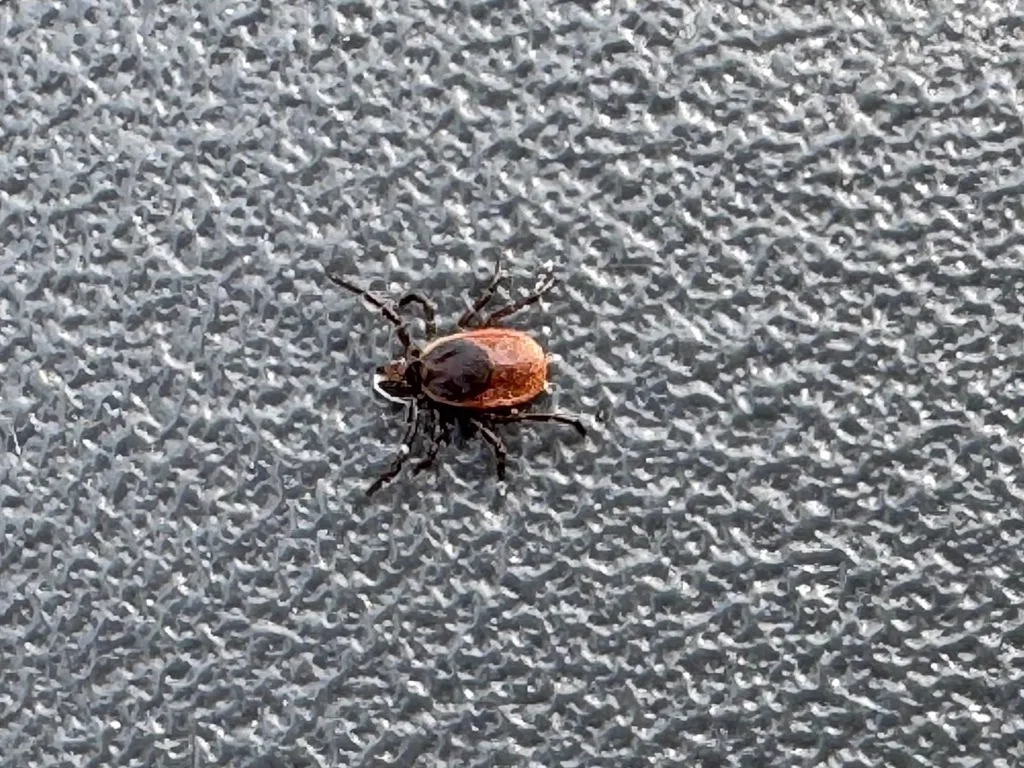
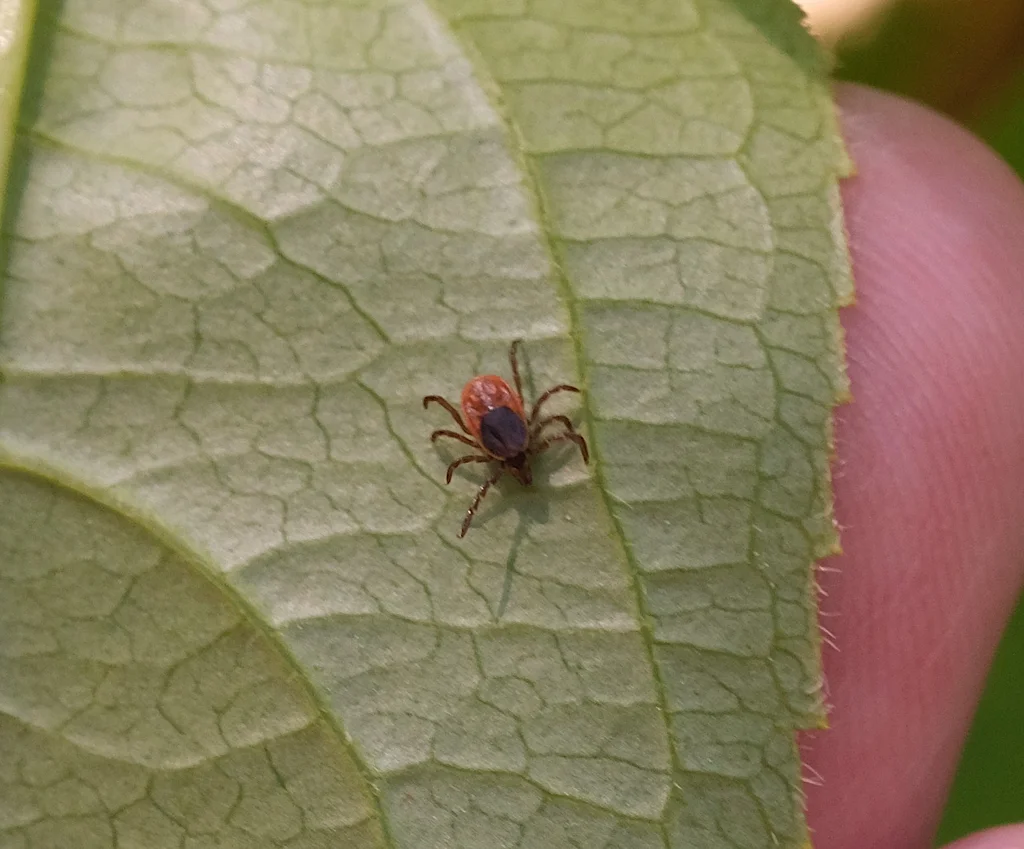
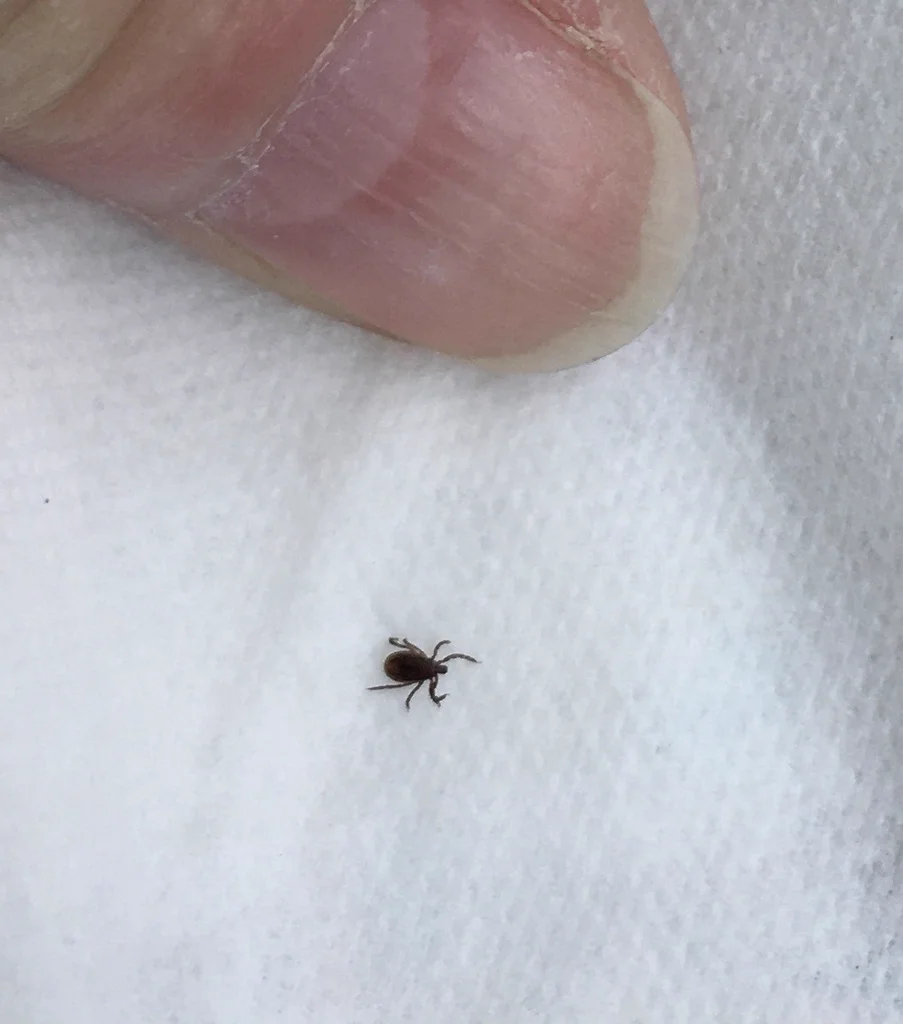
Common color patterns to help identify black-legged ticks
Black-legged Ticks
Seasonal Activity
When black-legged ticks are most active throughout the year

Where Black-legged Ticks Are Found
Hover over states to see their names. Green regions indicate where black-legged ticks have been reported.
Black-legged Tick Identification Guide
Physical Characteristics
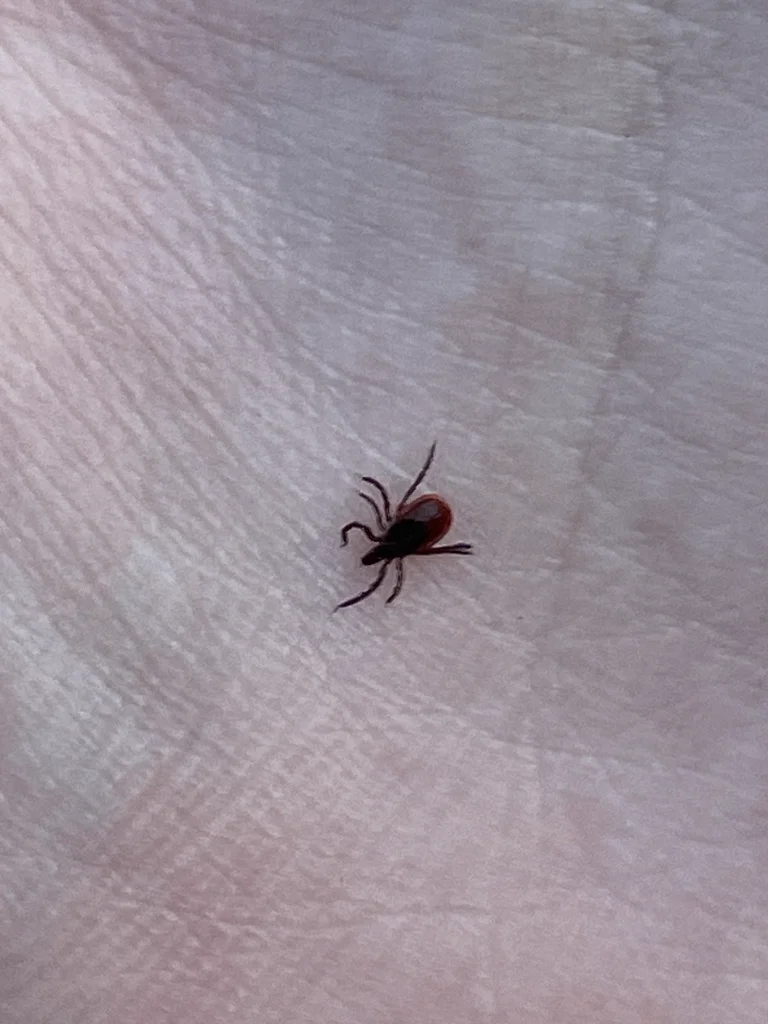
Black-legged ticks (Ixodes scapularis) are small blood-feeding pests with dark legs and reddish-brown bodies. The CDC uses “black-legged tick” because it describes how the tick looks. Many people also call them deer ticks.
Adult black-legged ticks are 2 to 3 millimeters long before feeding. That is about the size of a sesame seed. After a blood meal, females can swell to 10 millimeters or more. Males are smaller and darker. Nymphs are about 1.5 millimeters, the size of a poppy seed. This small size makes them hard to spot.
The best way to identify a black-legged tick is by its color. Females have a reddish-orange to dark red body with a dark shield near the head. Males are all dark brown to black. Both have eight black legs. Black-legged ticks have no white markings on their bodies.
Black-legged ticks do not have eyes. This sets them apart from ticks in other groups. They have long mouthparts that help them anchor into skin during feeding.
Size by Life Stage
Understanding tick sizes helps with identification and knowing what to look for:
- Larvae: Less than 1 millimeter, almost invisible, tan to light brown, six legs
- Nymphs: About 1.5 millimeters (poppy seed size), tan to brown, eight legs
- Adult males: About 2 millimeters, dark brown to black, eight legs
- Adult females (unfed): 2 to 3 millimeters, reddish-brown with dark shield, eight legs
- Adult females (fed): Up to 10 millimeters or larger, gray to olive color when full
How to Tell Black-legged Ticks from Similar Species
Several tick species in North America can be confused with black-legged ticks. Here are the key differences:
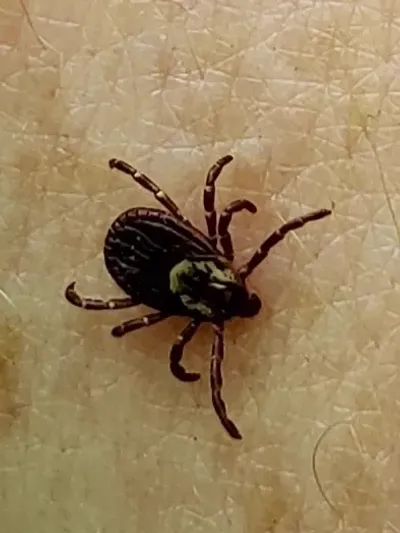
American dog tick. Larger with a rounder body. Females have white or silver markings on their back. Found across the eastern United States.
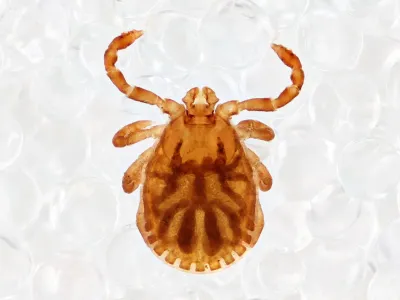
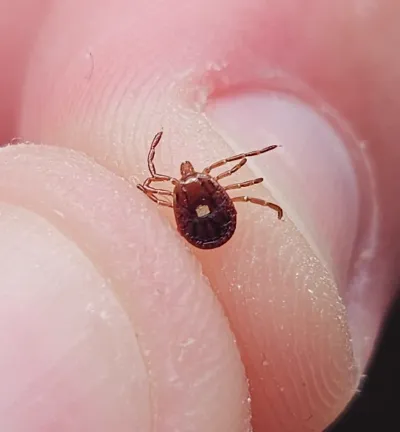
Lone star tick. Adult females have a single white dot on their back. These ticks bite more often and are tan to reddish-brown. They do not spread Lyme disease.
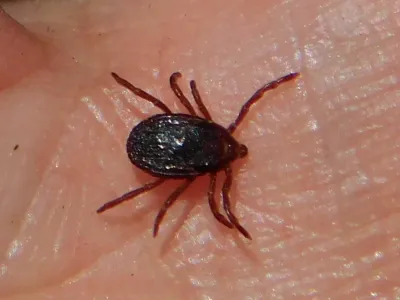
Brown dog tick. Solid brown without any markings. Often found indoors and feeds mainly on dogs.
Western black-legged tick. Found along the Pacific Coast. Looks very similar to the eastern black-legged tick. Also spreads Lyme disease.
Black-legged Tick Behavior and Biology
Life Cycle
Black-legged ticks have a two to three year life cycle with four stages: egg, larva, nymph, and adult. Each stage after the egg requires a blood meal to develop to the next phase.
Female ticks lay thousands of eggs in leaf litter during late spring. The eggs hatch into larvae by summer. Larvae have six legs and feed on small animals like mice, chipmunks, and birds. After feeding, larvae molt into nymphs with eight legs. Nymphs stay dormant through fall and winter. They become active again the next spring.
Nymphs feed on small to medium animals before turning into adults. Adult ticks look for larger hosts like deer for their final blood meal. After mating, females fill up with blood, drop off, and lay eggs. This completes the cycle.
Disease Transmission
Larval ticks hatch without any disease. They pick up bacteria by feeding on infected animals, mainly white-footed mice. About 90 percent of larvae that feed on infected mice get Lyme disease bacteria. Once infected, ticks carry the bacteria for the rest of their lives.
The bacteria must move from the tick’s gut to its saliva before it can spread to a host. This takes time. A tick usually needs to be attached for 36 to 48 hours to pass on Lyme disease. Removing ticks quickly lowers your risk of infection.
Nymphs cause most human Lyme disease cases. Their small size makes them hard to detect, and they are active during late spring and summer when people spend more time outdoors.
Feeding Behavior
Black-legged ticks find hosts through “questing.” They climb onto grass and shrubs up to 18 to 24 inches off the ground. Then they stretch out their front legs and wait for a host to pass by. Ticks sense body heat, movement, and the carbon dioxide we breathe out.
Ticks do not jump, fly, or drop from trees. Once a tick gets on a host, it may crawl for hours before choosing a spot to feed. Ticks like warm, moist areas like the groin, armpits, scalp, and behind the ears.
A full blood meal takes several days. While feeding, ticks release saliva that stops blood from clotting and blocks the body’s response at the bite site.
Habitat Preferences
Black-legged ticks thrive in moist, shady environments with high humidity. Common habitats include:
- Forests with lots of fallen leaves
- Forest edges where woods meet lawns
- Overgrown trails, paths, and old stone walls
- Areas with thick ground cover and brush
- Places where deer and mice are common
Ticks need moisture to survive. They are less common in dry, open areas with direct sun. Yards that border wooded areas often have many ticks along the edges. Black-legged ticks are a major concern throughout Maryland and Northern Virginia; see our guide on ticks in Maryland for local information.
Health Risks and Diseases
Black-legged ticks spread seven different diseases to humans. In the United States, they are the main carriers of Lyme disease and several other serious illnesses. If you are unsure whether you have found a black-legged tick, our tick identification chart or picture guide can help.
Lyme Disease
Lyme disease comes from bacteria called Borrelia burgdorferi. It is the most common tick-spread disease in the United States. The CDC estimates about 476,000 people are treated for it each year.
Early symptoms often show up 3 to 30 days after a tick bite. The most common sign is a red rash that grows into a bull’s-eye shape. Not everyone gets this rash. Other early signs include fever, tiredness, headache, and muscle aches.
If left untreated, the infection can spread to the joints, heart, and brain. Late-stage Lyme disease can cause bad joint pain, facial weakness, heart problems, and nerve damage. Antibiotics work very well when started early.
Anaplasmosis
Anaplasmosis comes from bacteria called Anaplasma phagocytophilum. Symptoms usually start one to two weeks after a tick bite. They include fever, headache, muscle pain, and chills. Antibiotics work well when started early.
Babesiosis
Babesiosis comes from a tiny parasite called Babesia microti that attacks red blood cells. Many infected people have no symptoms. When symptoms do occur, they include fever, chills, sweats, headache, body aches, and fatigue. This disease can be serious for older adults and people with weak immune systems.
Powassan Virus
Powassan virus is rare but serious. It can cause brain swelling. Symptoms may include fever, headache, vomiting, weakness, confusion, and seizures. Unlike other tick diseases, Powassan virus can spread in as little as 15 minutes after a tick attaches. There is no specific treatment, and about 10 percent of cases are fatal.
Other Tick-Borne Diseases
Black-legged ticks also transmit:
- Borrelia miyamotoi disease: Causes recurring fever with symptoms like Lyme disease, but usually without a rash
- Ehrlichiosis: Causes fever, headache, and fatigue
Medical Disclaimer: This information is for educational purposes only and is not medical advice. If you suspect a tick bite or experience symptoms of a tick-borne illness, consult a healthcare provider promptly.
How We Treat for Black-legged Ticks
Black-legged tick populations peak in spring and fall. Our treatment program targets ticks during their most active periods and focuses on the areas where they are most likely to encounter people and pets.
Granular applications in March and November. We apply granular treatments to wooded edges, leaf litter areas, and landscape borders. This disrupts tick breeding before and after peak activity seasons.
Topical sprays from April to October. We treat the edges where your lawn meets wooded or natural areas. This is where ticks wait on plants for hosts. Spraying this zone creates a barrier that reduces tick encounters near your home.
Property assessment. Our technicians find high-risk areas on your property and suggest changes. Clearing leaf litter, trimming low plants, and adding gravel or mulch barriers between wooded areas and living spaces can lower tick numbers.
Ongoing seasonal protection. One treatment helps for a short time. Regular treatments throughout tick season give the best results. Our program targets each tick life stage as it becomes active.
Prevention Tips for Homeowners
You can reduce your risk of black-legged tick bites with these steps:
- Mow lawns regularly and remove leaf litter, brush piles, and tall weeds
- Create a 3-foot barrier of wood chips, gravel, or mulch between wooded areas and your yard
- Stack firewood in a dry area away from your home
- Keep playground equipment and outdoor seating away from tree lines and shrubs
- Wear light-colored, long-sleeved shirts and pants when in wooded areas
- Tuck pants into socks and shirts into pants to create barriers
- Use EPA-registered repellents containing DEET, picaridin, or oil of lemon eucalyptus on exposed skin
- Treat clothing and gear with products containing 0.5 percent permethrin
- Shower within two hours of coming indoors to wash off unattached ticks
- Conduct full-body tick checks after spending time in tick habitats
- Check pets for ticks daily, especially during peak season
Tick Removal
If you find an attached tick:
- Use fine-tipped tweezers to grasp the tick as close to the skin surface as possible
- Pull upward with steady, even pressure without twisting or jerking
- Clean the bite area and your hands with rubbing alcohol or soap and water
- Dispose of the tick by flushing it down the toilet or placing it in alcohol
- Save the tick in a sealed container if you want it identified or tested
Do not crush the tick with your fingers. Do not use home remedies like nail polish, petroleum jelly, or heat to remove a tick. These methods can cause the tick to release bacteria into the bite wound.
References and Further Reading
- CDC - Blacklegged Tick Surveillance
- CDC - How Lyme Disease Spreads
- CDC - What to Do After a Tick Bite
- Ohio State University Extension - Blacklegged (Deer) Tick
- University of Florida IFAS Extension - Blacklegged Tick
- University of Rhode Island TickEncounter Resource Center
- Virginia Department of Health - Lyme Disease
Other Ticks
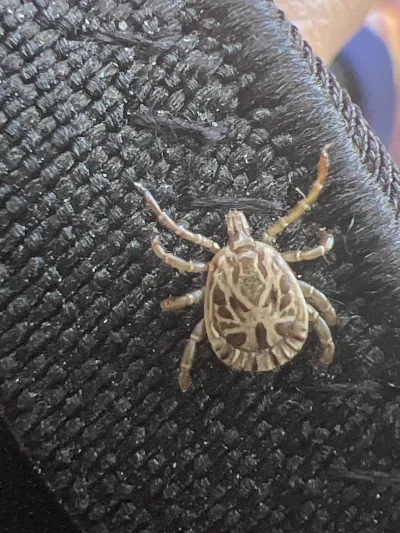
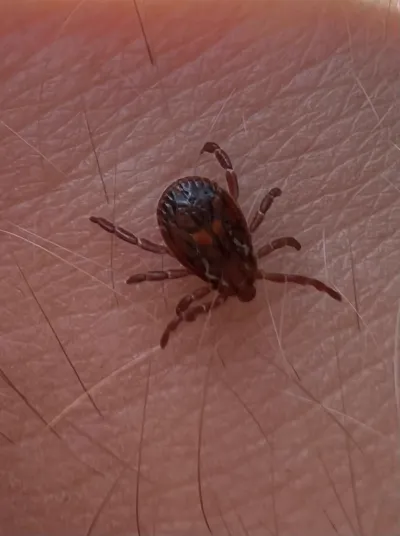
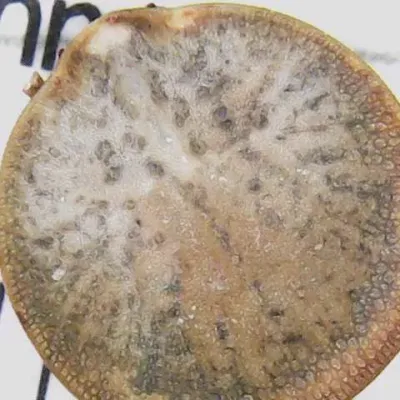
Explore other species in the ticks family
Commonly Confused With
Black-legged Ticks are often mistaken for these similar pests
Where Black-legged Ticks Are Found
Hover over states to see their names. Green regions indicate where black-legged ticks have been reported.
Common Questions about Black-legged Ticks
What is the difference between a black-legged tick and a deer tick?
+
Black-legged tick and deer tick are two names for the same species, Ixodes scapularis. The CDC and scientific community prefer 'black-legged tick' because the name describes the tick's appearance rather than one of its many hosts. Both terms refer to the primary carrier of Lyme disease in the eastern United States.
How do I identify a black-legged tick?
+
Black-legged ticks have a distinctive two-tone appearance with dark black legs and a reddish-orange to brown body. Adult females have a dark shield near the head. Adults are about the size of a sesame seed, while nymphs are about the size of a poppy seed. Unlike dog ticks, they have no white markings on their backs.
What diseases do black-legged ticks transmit?
+
Black-legged ticks transmit seven human pathogens including Lyme disease bacteria, anaplasmosis, babesiosis, Powassan virus, Borrelia miyamotoi disease, and ehrlichiosis. Lyme disease is the most common and affects hundreds of thousands of people in the United States each year.
How long does a black-legged tick need to be attached to transmit Lyme disease?
+
A black-legged tick generally needs to be attached for 36 to 48 hours before Lyme disease bacteria can be transmitted. The bacteria must migrate from the tick's gut to its salivary glands before transmission can occur. Removing ticks within 24 hours greatly reduces infection risk.
When are black-legged ticks most active?
+
Black-legged ticks are most active in spring and fall when temperatures are mild. Adult ticks are active from early spring through late fall. Nymphs are most active from late spring through summer and cause most human infections due to their small size. Adults can remain active even after the first frost.
Where do black-legged ticks live?
+
Black-legged ticks live in moist, shady, wooded areas. They are commonly found in leaf litter, tall grass, brush, and along the edges where lawns meet wooded areas. They typically stay within 18 to 24 inches of the ground and wait on vegetation for hosts to pass by.
How does your tick treatment work?
+
We apply granular treatments in March and November to disrupt tick populations before peak activity. From April through October, we spray the edges of your property where landscaping meets wooded or natural terrain. This targets the areas where ticks are most likely to encounter people and pets.
What should I do if I find a black-legged tick on me?
+
Use fine-tipped tweezers to grasp the tick as close to your skin as possible. Pull straight up with steady pressure without twisting. Clean the bite area with soap and water or rubbing alcohol. Save the tick in a sealed container if possible. Watch for symptoms like a rash, fever, or fatigue for the next few weeks.

With five years of hands-on experience in the pest control industry, George Schulz is a registered technician with the Virginia Pest Management Association and a proud third-generation professional in a family business that's been protecting homes for over 57 years. He manages and trains a team of service pros while also leading internal research efforts—recently spearheading a deep-dive review of thousands of documents on pest control materials to hand-pick the most kid and pet friendly, most effective solutions tailored specifically for homes in the DC metro area.