Springtails Identification Guide
Collembola
Springtails are tiny, moisture-loving hexapods that jump when disturbed. They thrive in damp environments and often invade homes in large numbers, indicating excess moisture problems.
Taxonomy
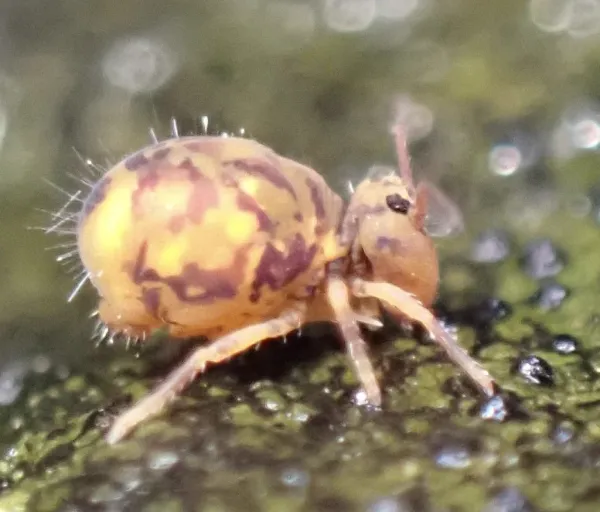
Springtails Coloration
Common color patterns to help identify springtails
Springtails
Seasonal Activity
When springtails are most active throughout the year
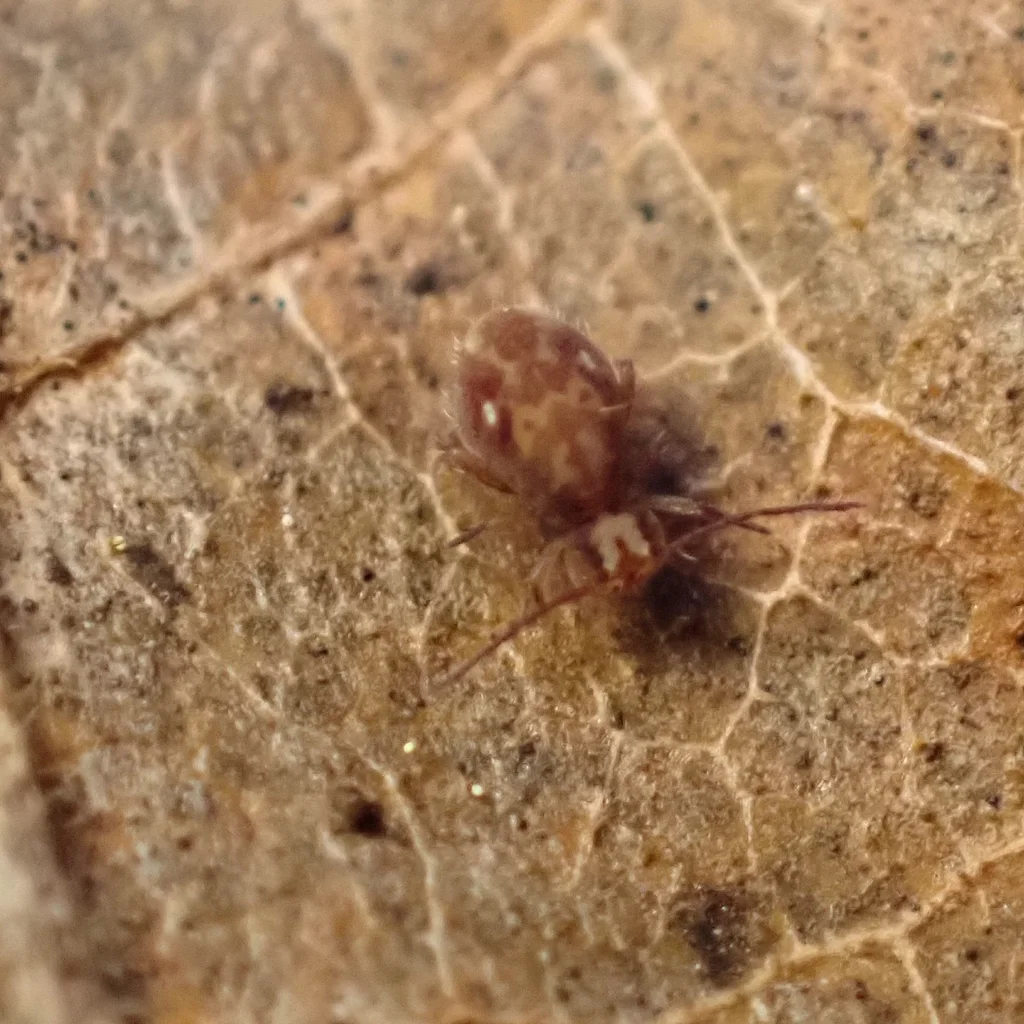
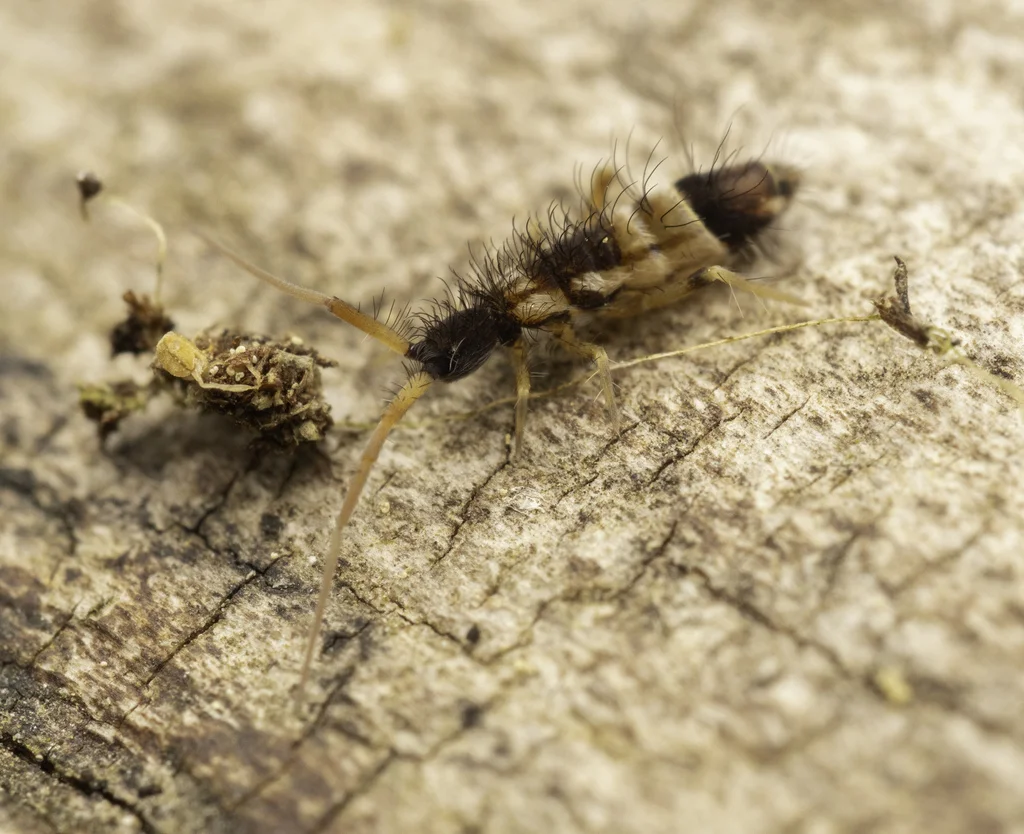

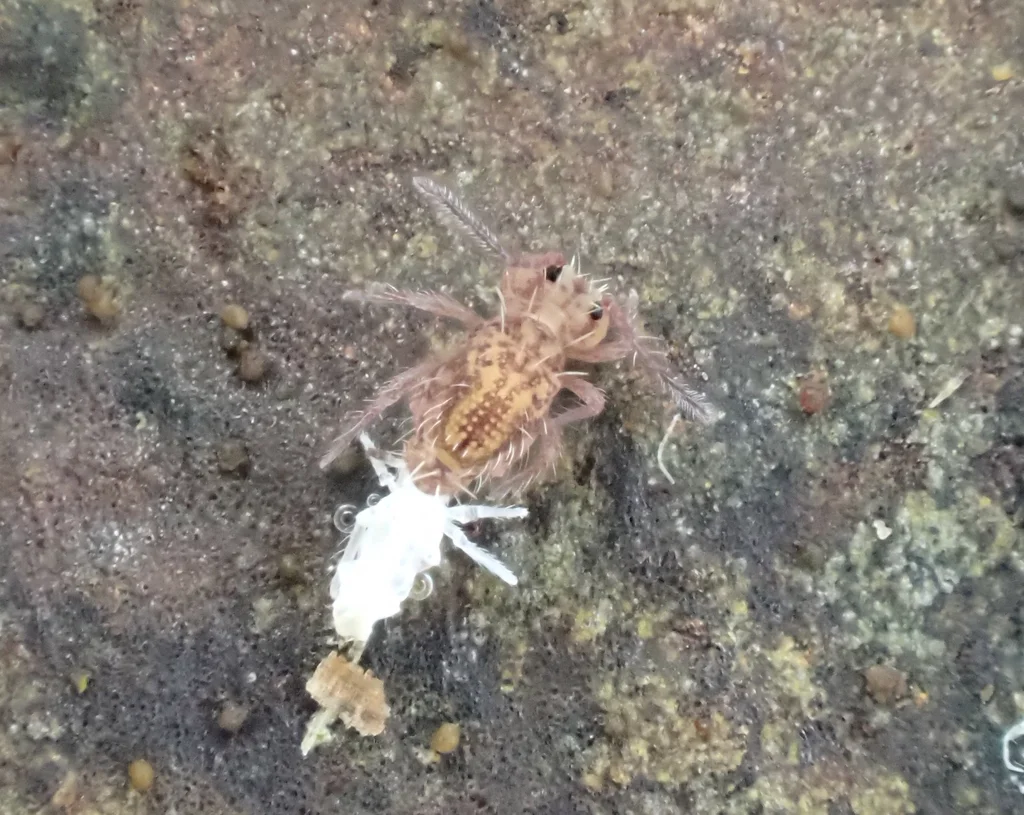

Where Springtails Are Found
Hover over states to see their names. Green regions indicate where springtails have been reported.
Springtails Identification Guide
Physical Characteristics
Springtails are tiny bugs that measure less than 6mm long. Most are hard to see without looking closely. They come in white, gray, brown, tan, or black colors. Some are almost clear. They have six legs and short antennae.
The thing that makes springtails stand out is their jumping. They have a forked tail tucked under their body called a furcula. When scared, they release this tail and spring into the air. This is how they got their name. Many people think they are fleas because of this jumping.
Springtails breathe through their skin and need moisture to survive. They have a special part called a collophore that helps them take in water. This is why you find them in damp places. When you see them, they look like tiny specks that jump around when you get close.
Common Species
About 700 types of springtails live in North America. The ones you might see in or near your home include:
-
Globular Springtails have round bodies and are often found in gardens and potted plants
-
Elongate Springtails have long, thin bodies and live in leaf litter and soil
-
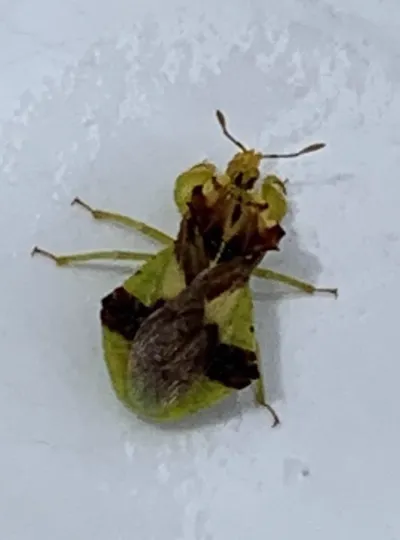
Snow Fleas are dark colored and can be seen on snow in late winter A related species, Wood Wasps, shares similar characteristics.
-
Garden Springtails are pale colored and common in greenhouse and garden soil A related species, Daddy Long Legs, shares similar characteristics.
Springtails Behavior and Biology A related species, Harvestmen, shares similar characteristics.
Springtails are one of the most common creatures on Earth. In forest soil, there can be 50,000 of them in a single cubic foot. They help break down dead plants and recycle nutrients back into the soil. A related species, Mexican Chicken Bug, shares similar characteristics.
Springtails eat fungi, algae, dead plants, pollen, and bacteria. They do not eat living plants, food in your pantry, or items in your home. They live for one to two years and shed their skin many times as they grow. In good conditions, they can have up to five batches of babies each year. A related species, Soldier Bug, shares similar characteristics.
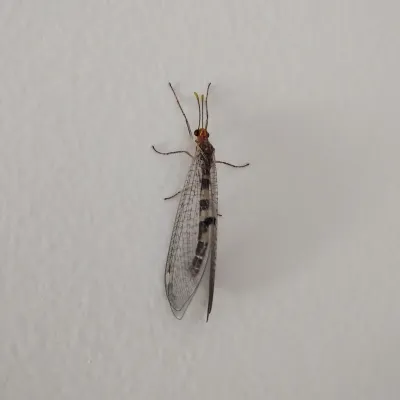
Springtails need moisture to live. When it gets too dry or too wet outside, they look for better spots. This often brings them into homes. They get in through small cracks around the foundation, windows, doors, and pipes. Once inside, they head for wet areas like bathrooms, kitchens, basements, and spots near leaky pipes. A related species, Green Lacewings, shares similar characteristics.
You may see lots of springtails on warm days in spring and fall. They like light and can climb walls easily. A common way they get into homes is through overwatered houseplants. A related species, Poultry Bugs, shares similar characteristics.
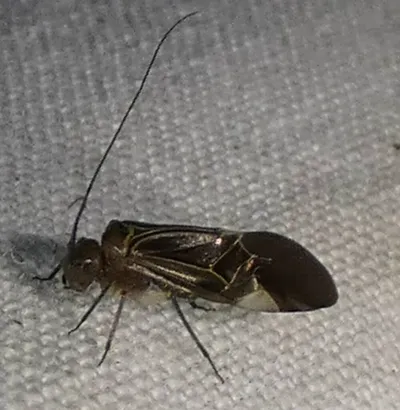
How We Treat for Springtails A related species, Barklice, shares similar characteristics.
We focus on fixing the moisture problems that bring springtails into your home. We also apply treatments to get rid of the ones already there.
Inspection and Moisture Check
First, we check your home to find where moisture is coming from and how springtails are getting in. We look at basements, crawl spaces, bathrooms, and the area around your foundation. Springtails tell us there may be moisture problems that could lead to mold or wood rot.
Treatment Methods
-
Inside Your Home: We apply insecticide to baseboards, cracks, and other spots where springtails gather. This stops them from spreading through the house.
-
Around Your Foundation: For bigger problems, we apply granular treatment around your foundation and in mulch beds where springtails breed. We also treat around doors, windows, and pipes.
-
Moisture Tips: We share ways to reduce moisture in your home. This is key to keeping springtails away for good. We may suggest better airflow, fixing leaks, changing how you water your lawn, or improving drainage near your home.
Prevention Tips
- Use dehumidifiers in damp basements and crawl spaces
- Fix leaky pipes and faucets right away
- Make sure bathrooms and kitchens have good airflow
- Do not overwater houseplants or lawn areas near your home
- Keep mulch 2 to 4 inches deep and let it dry between waterings
- Seal cracks around windows, doors, and your foundation
- Clear away leaf piles and dead plants from around your home
References
Other Other Pests
Explore other species in the other pests family
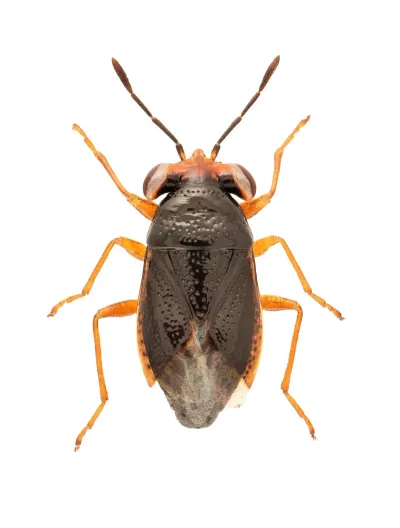
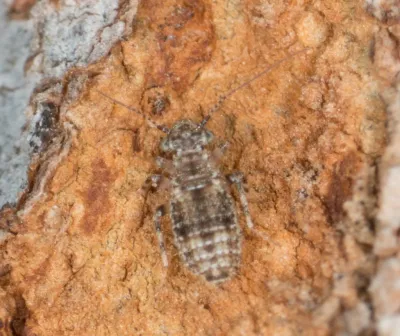
Commonly Confused With
Springtails are often mistaken for these similar pests
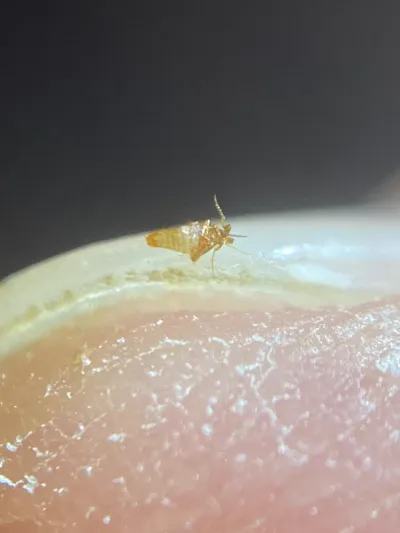
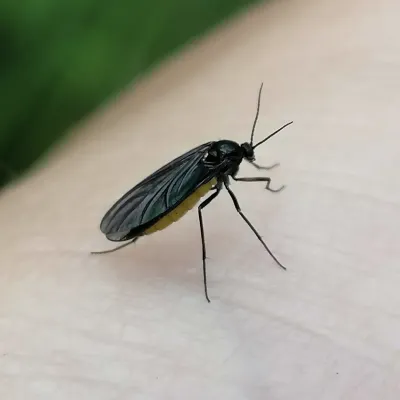
Where Springtails Are Found
Hover over states to see their names. Green regions indicate where springtails have been reported.
Common Questions about Springtails
What are springtails and why are they in my house?
+
Springtails are tiny, moisture-loving creatures that live in soil, leaf litter, and damp areas. They enter homes when their outdoor habitat becomes too dry or too wet, seeking moisture indoors. Their presence often signals a moisture problem in your home, such as leaky pipes, poor ventilation, or damp basements.
Do springtails bite or cause health problems?
+
No, springtails do not bite, sting, or transmit diseases to humans or pets. They are completely harmless but can be a nuisance when they appear in large numbers. Their main concern is that they indicate excess moisture in your home.
Why do I suddenly have thousands of springtails?
+
Springtails can reproduce quickly in moist conditions. A single population can produce several generations per year. Heavy rains, overwatered plants, or indoor moisture issues can trigger population explosions, causing them to migrate indoors in large numbers.
How do I get rid of springtails in my bathroom?
+
Reduce moisture by using exhaust fans, fixing any leaks, and wiping up standing water. Springtails in bathrooms usually indicate excess humidity or a plumbing leak. Once the moisture source is addressed, springtail populations will naturally decline.
Will springtails go away on their own?
+
Yes, springtails typically die within a few days indoors because homes are usually too dry for them. However, if the moisture source persists, they will continue to appear. Eliminating excess moisture is the key to long-term control.
Can springtails damage my home?
+
Springtails themselves do not damage structures, furniture, or food. However, their presence indicates moisture problems that can lead to mold growth, wood rot, or other structural damage if left unaddressed.
Are springtails the same as fleas?
+
No, although they can look similar due to their small size and jumping ability. Springtails are wingless hexapods that feed on mold and decaying matter, while fleas are parasitic insects that bite and feed on blood. Springtails do not bite.
How does Better Termite treat for springtails?
+
We focus on moisture control first, identifying the source of dampness attracting springtails. We then apply targeted treatments to areas where springtails are active, including baseboards, foundation cracks, and entry points. We also provide recommendations to reduce moisture and prevent future infestations.

With five years of hands-on experience in the pest control industry, George Schulz is a registered technician with the Virginia Pest Management Association and a proud third-generation professional in a family business that's been protecting homes for over 57 years. He manages and trains a team of service pros while also leading internal research efforts—recently spearheading a deep-dive review of thousands of documents on pest control materials to hand-pick the most kid and pet friendly, most effective solutions tailored specifically for homes in the DC metro area.