Sawflies Identification Guide
Symphyta (suborder)
Sawflies are plant-feeding insects whose caterpillar-like larvae can cause significant defoliation to trees, shrubs, and garden plants throughout North America.
Taxonomy
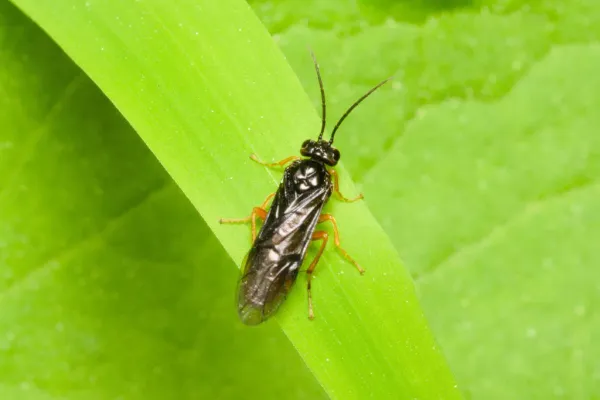
Sawflies Coloration
Common color patterns to help identify sawflies
Sawflies
Seasonal Activity
When sawflies are most active throughout the year

Where Sawflies Are Found
Hover over states to see their names. Green regions indicate where sawflies have been reported.
Sawfly Identification Guide
Physical Characteristics
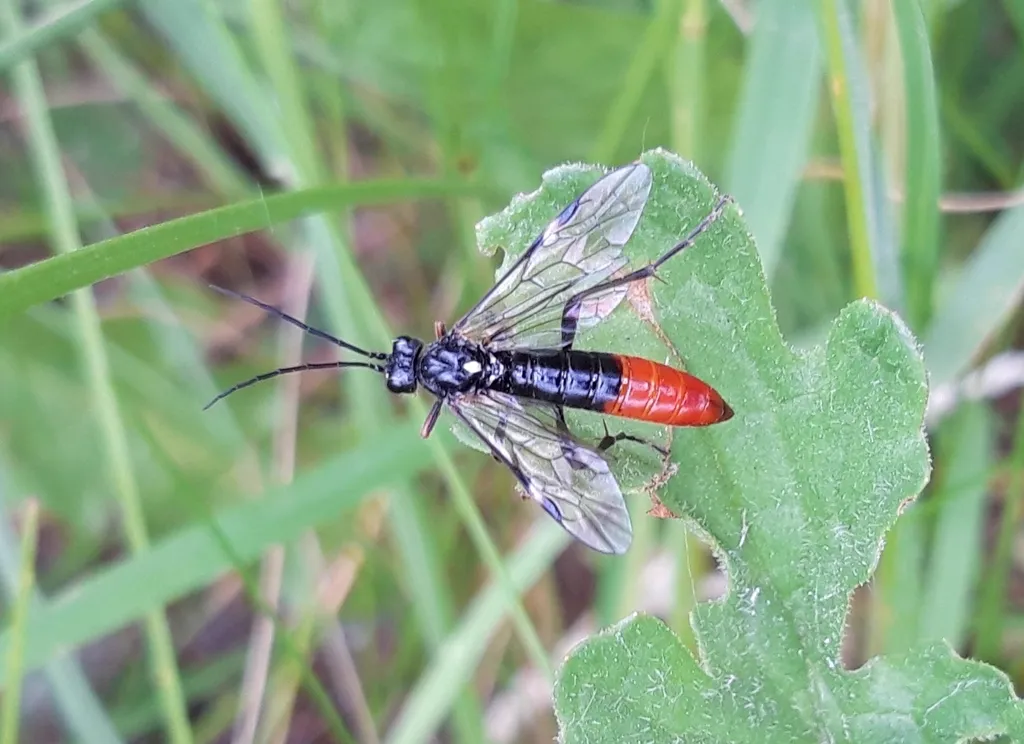
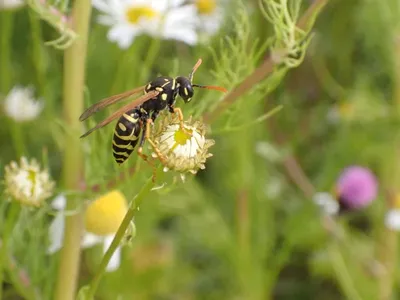
Adult sawflies look like wasps but they are different in key ways. They range from 3 to 25 mm long, depending on the species. Unlike true wasps, sawflies do not have a narrow “wasp waist.” Their body is thicker and more solid. Adults are often black, brown, yellow, or orange. Some have stripes or other patterns. They have two pairs of clear wings and cannot sting.
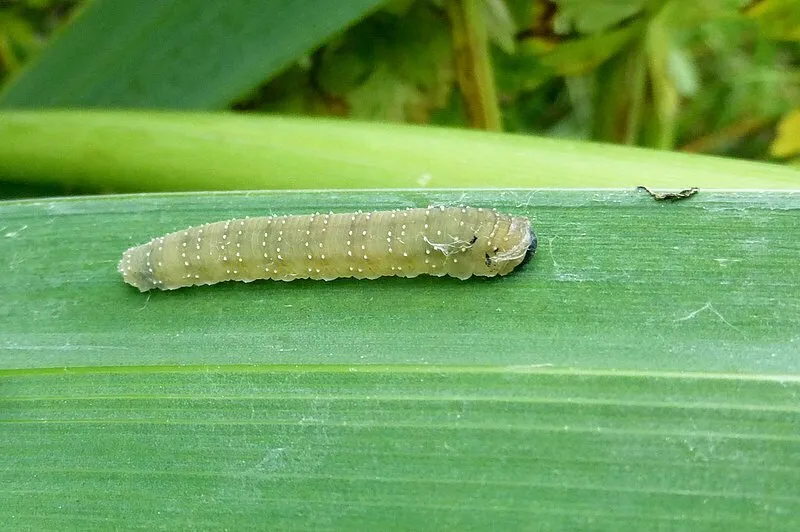
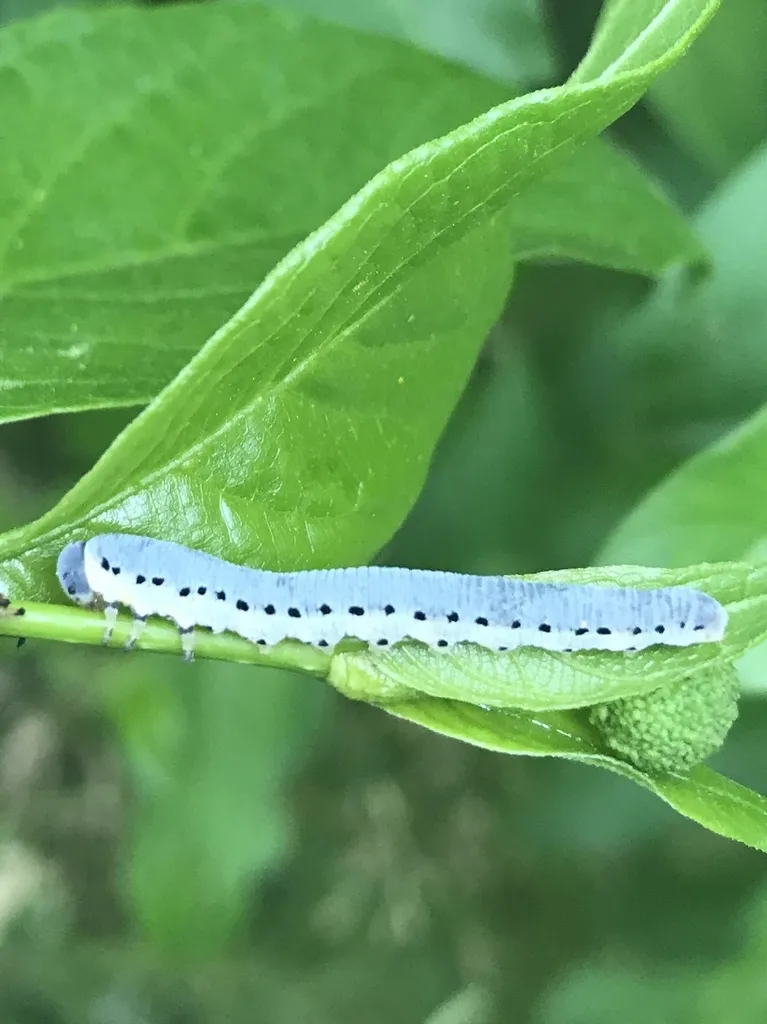
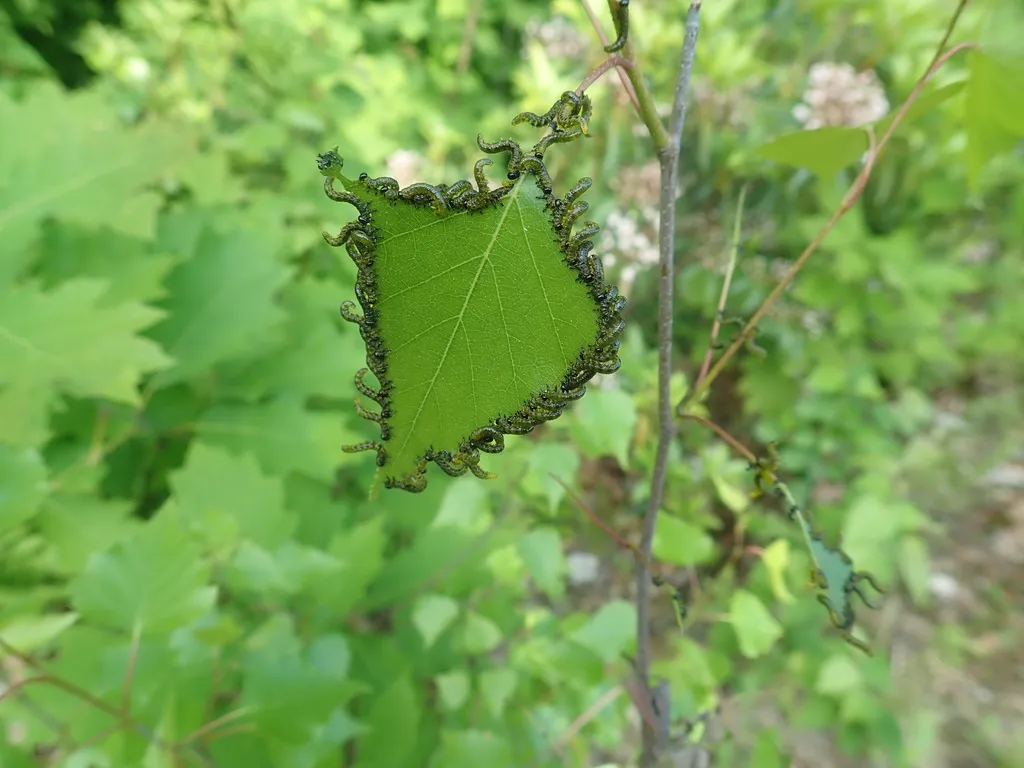
Homeowners usually spot the larvae first. These look like caterpillars with a clear head and many legs. Sawfly larvae have three pairs of true legs plus six or more pairs of fleshy false legs on their belly. Colors range from green to yellow to cream. Many have spots or stripes along their bodies.
Common Species
-
Pine Sawflies (Neodiprion spp.): These feed on pine needles in large groups. They can strip branches quickly.
-
Rose Sawflies (Endelomyia aethiops and others): Also called roseslugs. These larvae eat the soft parts of rose leaves, leaving only veins.
-
Birch Leafminer (Fenusa pusilla): Larvae tunnel between leaf surfaces. They create brown blotches on birch leaves.
-
Elm Zigzag Sawfly (Aproceros leucopoda): This invasive species makes zigzag patterns as it eats elm leaves.
-
Larch Sawfly (Pristiphora erichsonii): A major forest pest. It has caused widespread damage to northern forests over the years. A related species, Wood Wasps, shares similar characteristics.
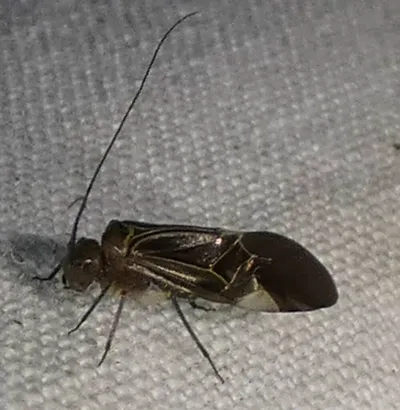
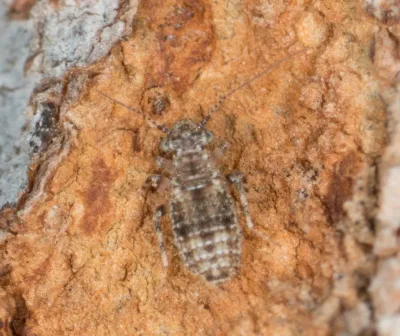
Sawfly Behavior and Biology A related species, Daddy Long Legs, shares similar characteristics.
Sawflies go through four life stages: egg, larva, pupa, and adult. Females use their saw-like egg-laying tool to cut slits into leaves or stems. They place their eggs inside these cuts. This causes damage even before the larvae hatch. A related species, Harvestmen, shares similar characteristics.
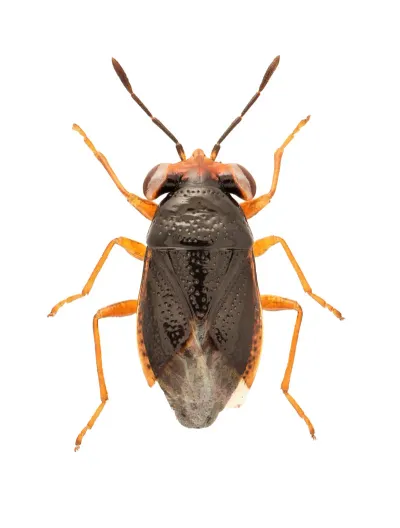
Once hatched, larvae eat plant tissue fast. Many species feed in groups. Dozens of larvae may eat leaves together on the same branch. When scared, some pine sawfly larvae raise their heads and tails at the same time. Most larvae go through five to six growth stages before changing into pupae. A related species, Mexican Chicken Bug, shares similar characteristics.
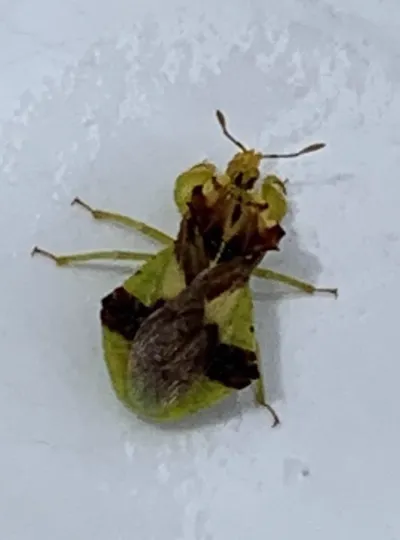
Pupation usually happens in the soil or leaf litter. Some species make cocoons on host plants. Sawflies may have one to several generations per year, depending on species and climate. In the Mid-Atlantic region, most sawflies are active from May through September. Peak feeding happens in late spring and early summer. A related species, Soldier Bug, shares similar characteristics.
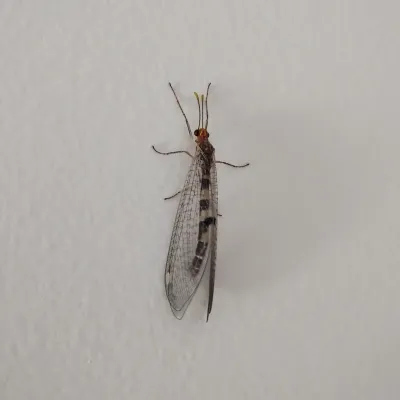
Natural enemies like parasitic wasps, beetles, and birds help keep sawfly numbers in check. Outbreaks tend to come and go in cycles. They often crash when diseases spread through crowded larval groups. A related species, Green Lacewings, shares similar characteristics.
Treatment Methods for Sawflies
Sawflies attack plants, not homes. Control focuses on protecting your landscape plants and trees.
Handpicking and Pruning
For small plants like roses, pick off larvae by hand. Check the undersides of leaves. Drop larvae into a bucket of soapy water. On larger shrubs, prune off branches with heavy infestations. In fall, rake up and throw away leaf litter to remove pupae hiding there.
Wildlife That Eats Sawflies
Many animals help keep sawfly numbers down. Birds in your yard will eat larvae. Parasitic wasps, ground beetles, and predatory bugs also feed on sawfly larvae.
Spray Treatments
When you need to spray, several products work well. Insecticidal soaps and horticultural oils kill larvae on contact. Spinosad products also control sawfly larvae. These sprays work best on young larvae. Make sure to coat all affected leaves.
One important note: Bt (Bacillus thuringiensis) does not work on sawflies. Bt only kills caterpillars, not sawfly larvae. Keep this in mind when picking a product.
Prevention Tips
Check plants often in spring and early summer. Look for eggs in rows along leaf edges. Watch for small larvae just starting to feed. Finding them early makes control much easier. Healthy plants handle some leaf loss better, so keep plants well-watered and mulched.
References
Other Other Pests
Explore other species in the other pests family
Where Sawflies Are Found
Hover over states to see their names. Green regions indicate where sawflies have been reported.
Common Questions about Sawflies
Are sawflies harmful to humans?
+
No, sawflies do not bite or sting people. They look like wasps but cannot sting. Their larvae only eat plants and are not a threat to people or pets.
Why are they called sawflies?
+
Female sawflies have a saw-like tool for laying eggs. They use it to cut slits in plant tissue where they place their eggs. This saw-like feature gives the group its name.
How can I tell sawfly larvae from caterpillars?
+
Count the fleshy legs on the belly. Sawfly larvae have six or more pairs of these false legs. Caterpillars have five or fewer pairs. Also, sawfly false legs are smooth while caterpillar legs have tiny hooks.
What plants do sawflies attack?
+
Different species target specific plants. Common targets include roses, pines, birches, willows, oaks, and elms. Pine sawflies can strip needles from conifers. Rose sawflies damage garden roses.
When are sawflies most active?
+
Most sawfly activity happens from late spring through summer (May through August). This is when larvae feed on leaves. Some species have several generations per year in warm climates.
Can sawflies kill trees?
+
Bad infestations can weaken or kill trees, especially young or stressed ones. Losing leaves year after year takes a toll. But healthy mature trees usually bounce back from one season of damage.
How do I control sawflies in my garden?
+
For small problems, pick off larvae by hand. Horticultural oils, insecticidal soaps, and spinosad sprays can control larvae. Birds and parasitic wasps also help keep numbers down.

With five years of hands-on experience in the pest control industry, George Schulz is a registered technician with the Virginia Pest Management Association and a proud third-generation professional in a family business that's been protecting homes for over 57 years. He manages and trains a team of service pros while also leading internal research efforts—recently spearheading a deep-dive review of thousands of documents on pest control materials to hand-pick the most kid and pet friendly, most effective solutions tailored specifically for homes in the DC metro area.