Booklice Identification Guide
Liposcelis spp.
Booklice are tiny, soft-bodied insects that thrive in humid environments and feed on mold and mildew. Despite their name, they do not bite and are not true lice.
Taxonomy
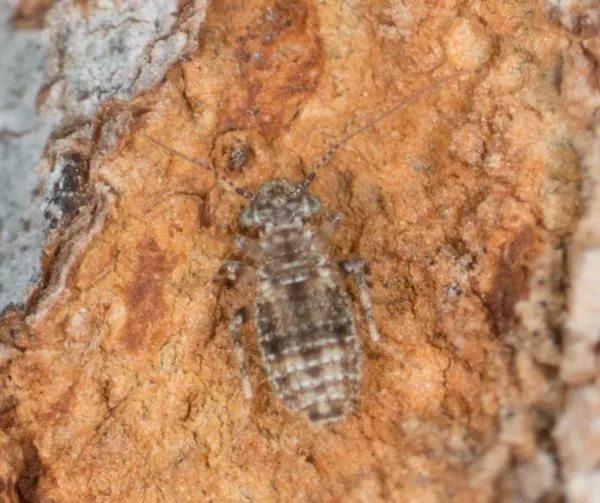
Booklice Coloration
Common color patterns to help identify booklice
Booklice
Seasonal Activity
When booklice are most active throughout the year

Where Booklice Are Found
Hover over states to see their names. Green regions indicate where booklice have been reported.
Booklice Identification Guide
Physical Characteristics
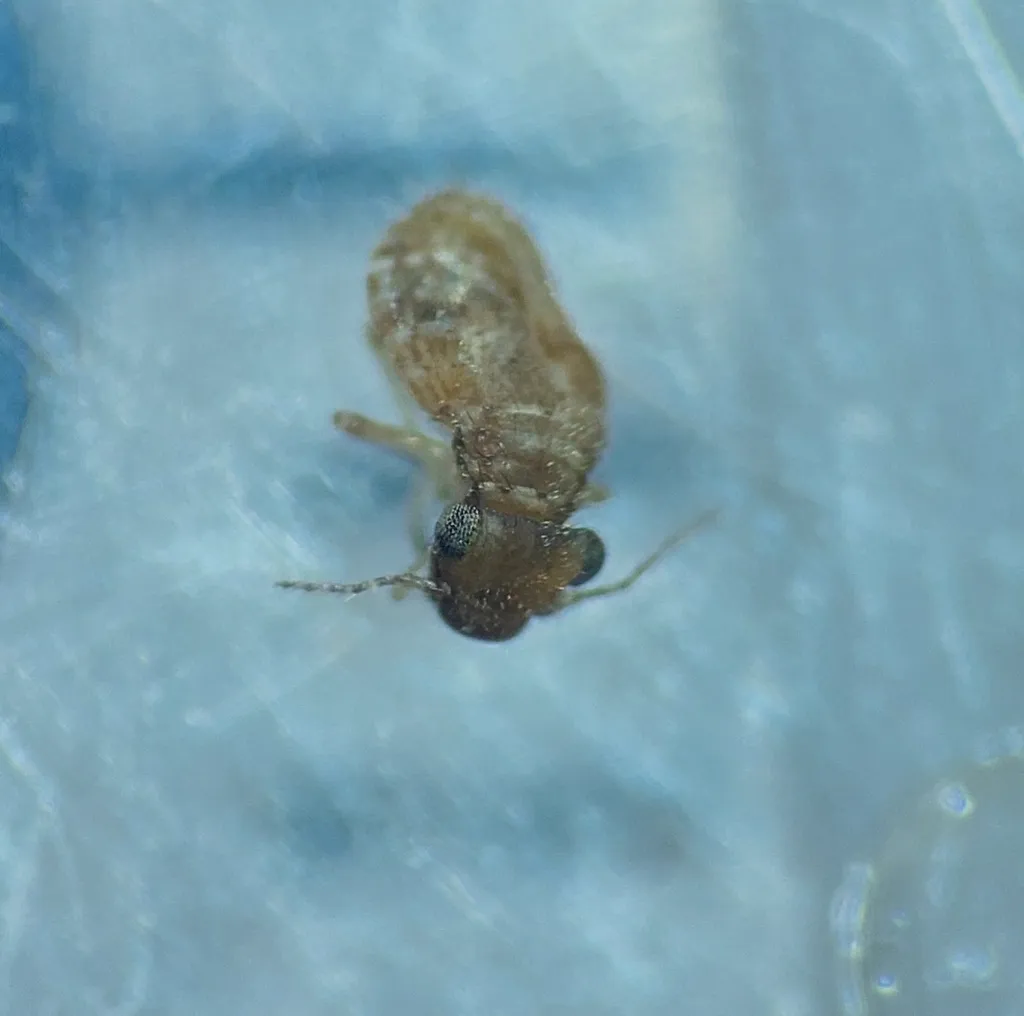
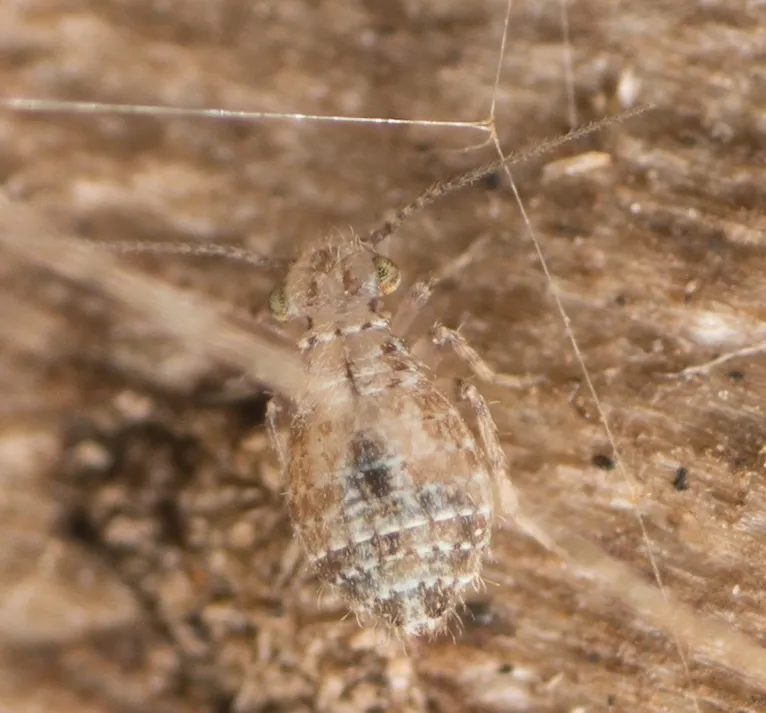
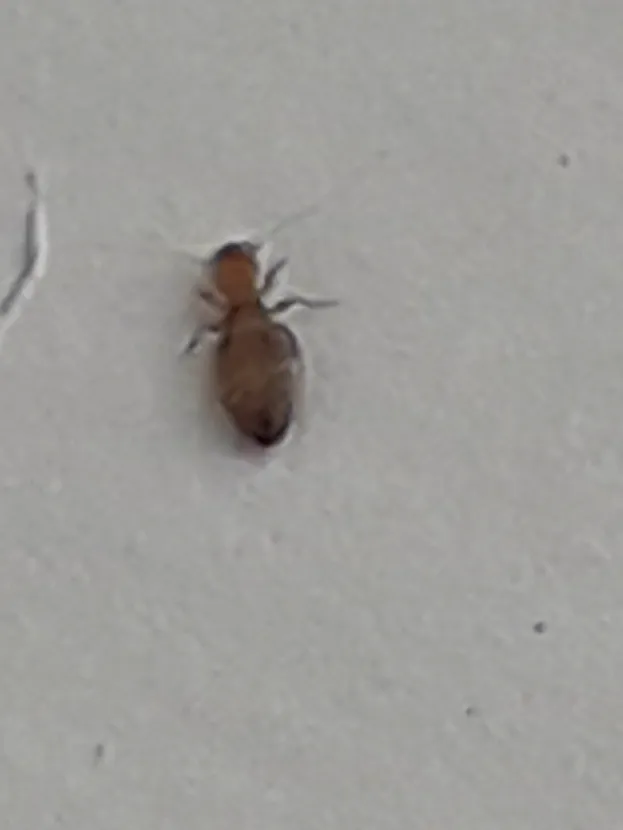
Booklice are tiny household pests. They measure just 1 to 2 millimeters long. They have soft, flat bodies that look wider than they are tall. Their color ranges from nearly clear to pale tan, gray, or light brown. Their most notable feature is a large head with a bump that looks like an oversized nose. They have long antennae and six legs.
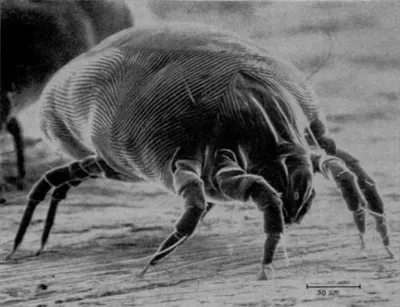
Unlike true lice, indoor booklice have no wings. They move with a jerky, running motion. People often mistake them for dust mites because of their small size. However, booklice have visible legs and antennae that mites do not have.
Common Species
-
Common Booklouse (Liposcelis bostrychophila): The most common species in homes
-
Granary Booklouse (Lepinotus reticulatus): Often found in stored food
-
Pale-colored Booklouse (Liposcelis decolor): Found in libraries and archives A related species, Wood Wasps, shares similar characteristics.
-
Banded Booklouse (Liposcelis entomophila): Common in humid basements A related species, Daddy Long Legs, shares similar characteristics.
Booklice Behavior and Biology A related species, Harvestmen, shares similar characteristics.
Booklice are active at night. They prefer dark, quiet areas with high humidity. They do not eat paper or books directly. Instead, they feed on tiny molds, fungi, and organic matter that grow on damp surfaces. You will often find them in humid basements, bathrooms, kitchens, and other moist areas. A related species, Mexican Chicken Bug, shares similar characteristics.
Outdoors, related species called barklice live on trees and shrubs. They eat lichen and dead plant material. Indoor booklice are a different group that has adapted to living in buildings. A related species, Soldier Bug, shares similar characteristics.
Female booklice can lay eggs without mating in many species. This allows populations to grow fast when conditions are right. They lay eggs one at a time and often hide them in debris. In warm, humid spaces, booklice can go from egg to adult in three to four weeks. Adults live about six months. A related species, Green Lacewings, shares similar characteristics.
Booklice often show up in new homes or empty buildings where construction moisture has not dried out. They may also come into homes on used books, cardboard boxes, or firewood. A related species, Poultry Bugs, shares similar characteristics.
Treatment Methods for Booklice
Booklice need humidity and mold to survive. Moisture control is the key to getting rid of them. Insecticides alone will not work well if the moisture problem remains.
-
Reduce Humidity: Booklice cannot live when humidity drops below 45-50%. Use dehumidifiers in problem areas. Improve airflow. Run exhaust fans in bathrooms and kitchens. Remove the moisture they need to survive.
-
Remove Mold: Getting rid of mold and mildew takes away their food source. Clean affected surfaces. Fix water leaks, condensation problems, or poor drainage that cause moisture buildup.
-
Fix Storage: Keep books, papers, and cardboard boxes off the floor and away from outside walls. Use plastic bins instead of cardboard in damp areas. Make sure stored items have good airflow.
-
Block Entry Points: Check used books and items before bringing them inside. Seal cracks around windows, doors, and foundations to keep pests out.
-
Apply Treatments: For bad infestations, desiccant dusts or residual insecticides in cracks and crevices can help reduce numbers. These treatments work best when you also control moisture.
For most booklice problems, fixing humidity works better than chemicals. Once conditions are no longer ideal, populations drop within weeks.
References
Other Other Pests
Explore other species in the other pests family
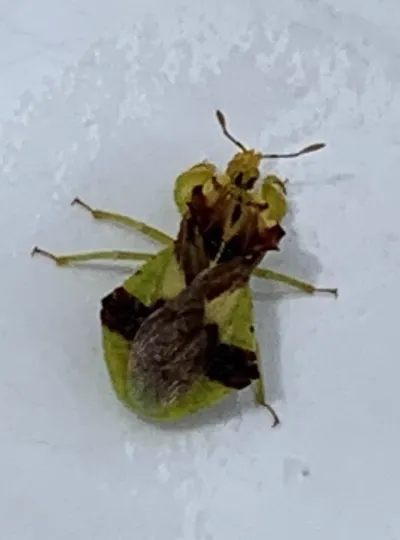
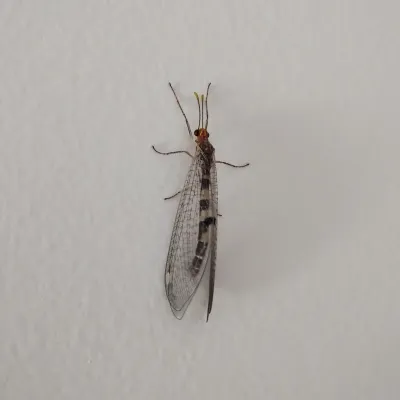
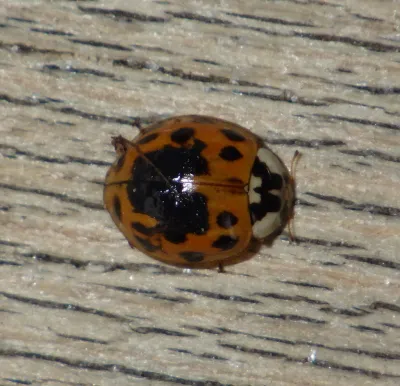
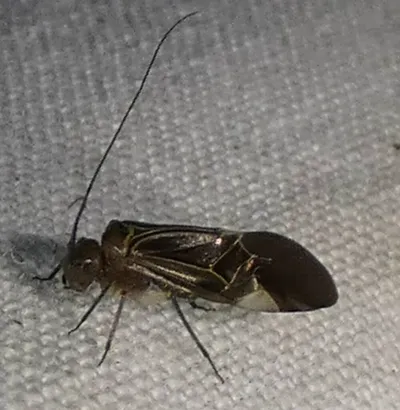
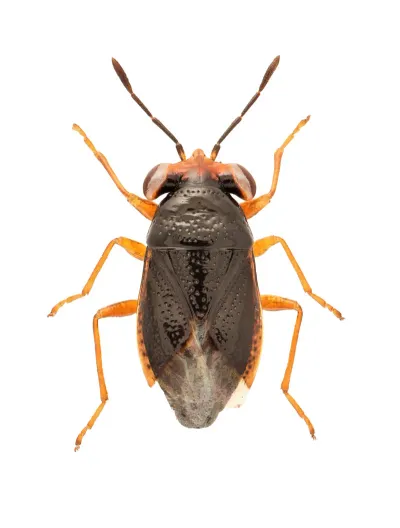
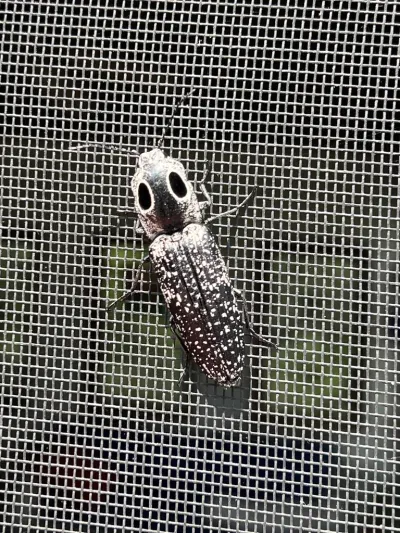
Commonly Confused With
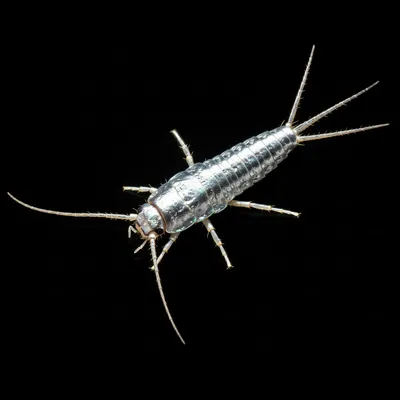
Booklice are often mistaken for these similar pests
Where Booklice Are Found
Hover over states to see their names. Green regions indicate where booklice have been reported.
Common Questions about Booklice
Are booklice harmful to humans?
+
No, booklice do not bite, sting, or transmit diseases. They are nuisance pests that primarily feed on mold and fungi. However, their presence indicates excess moisture in your home that should be addressed.
Why do I have booklice in my home?
+
Booklice thrive in humid environments with relative humidity above 50%. They are attracted to areas with mold or mildew growth, such as damp basements, bathrooms, kitchens, and stored items like books and cardboard boxes.
Do booklice damage books and paper?
+
Unlike silverfish, booklice do not directly eat paper or book bindings. They feed on the microscopic mold and fungi that grow on damp paper products. The real damage comes from the moisture conditions they indicate.
How do I get rid of booklice?
+
The most effective way to eliminate booklice is to reduce humidity below 50% using dehumidifiers and improved ventilation. Without moisture, the mold they feed on cannot survive, and booklice populations will decline naturally.
Are booklice the same as head lice?
+
No, despite the similar name, booklice are not related to head lice or body lice. They belong to a completely different insect order (Psocodea) and do not feed on blood or live on humans.
Can booklice infest food?
+
Yes, booklice can infest stored food products, especially grains, flour, and cereals stored in humid conditions. They feed on mold growing on these items. Discard infested food and store dry goods in airtight containers.
How fast do booklice reproduce?
+
In warm, humid conditions, female booklice can lay up to 60 eggs, and their life cycle from egg to adult can be completed in less than one month. Reducing humidity is essential to stop rapid population growth.

With five years of hands-on experience in the pest control industry, George Schulz is a registered technician with the Virginia Pest Management Association and a proud third-generation professional in a family business that's been protecting homes for over 57 years. He manages and trains a team of service pros while also leading internal research efforts—recently spearheading a deep-dive review of thousands of documents on pest control materials to hand-pick the most kid and pet friendly, most effective solutions tailored specifically for homes in the DC metro area.