Barklice Identification Guide
Psocoptera
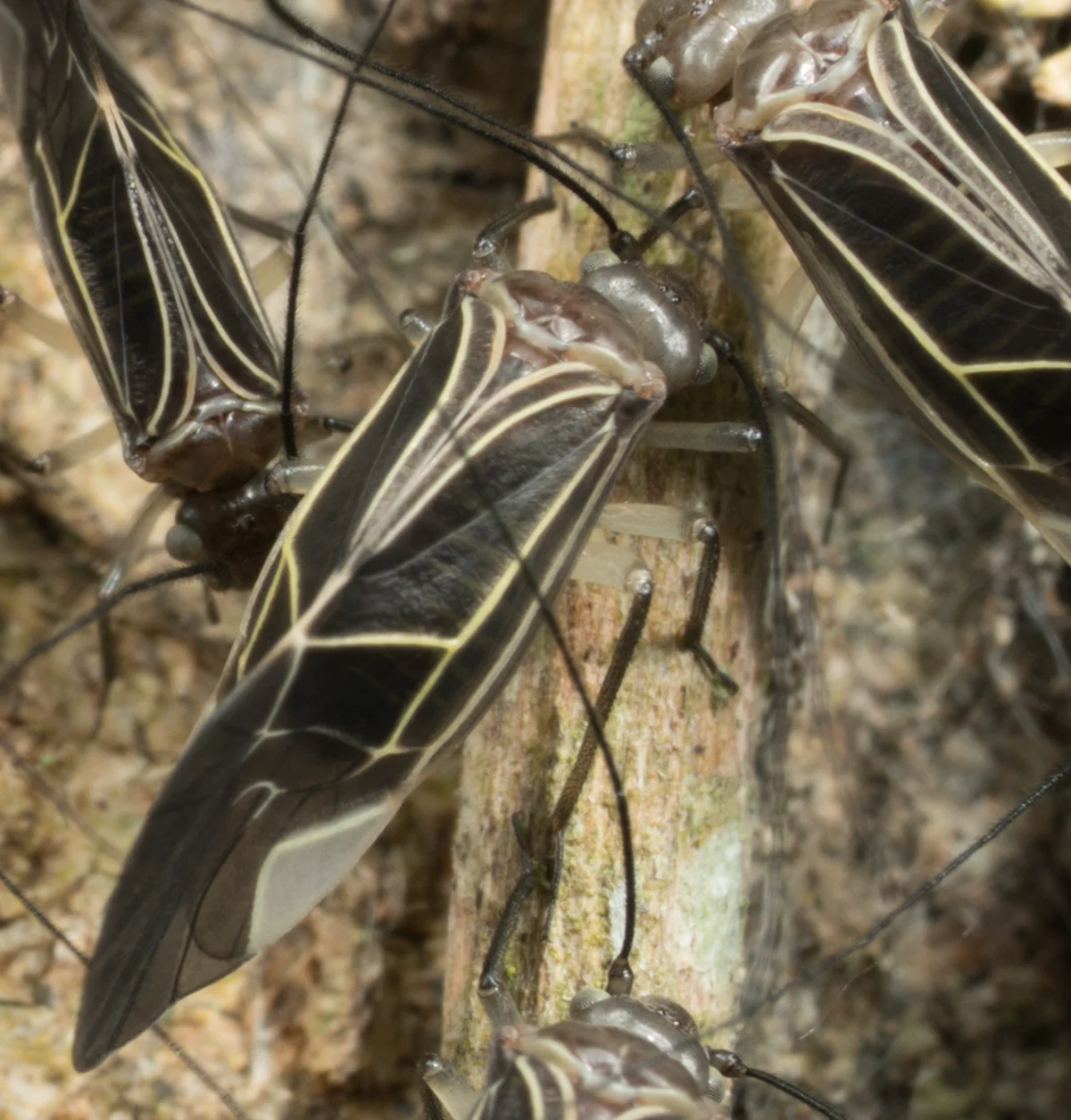
Barklice are small, harmless insects often found in groups on tree bark, feeding on algae, lichen, and fungi. They are frequently confused with other pests but pose no threat to homes or people.
Taxonomy
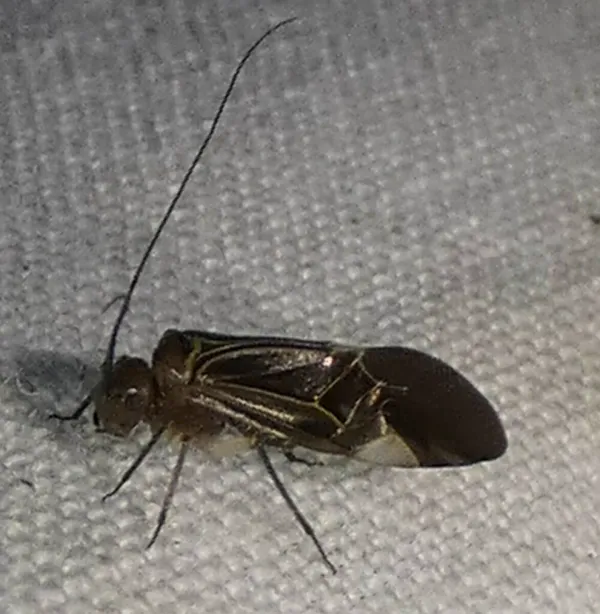
Barklice Coloration
Common color patterns to help identify barklice
Barklice
Seasonal Activity
When barklice are most active throughout the year
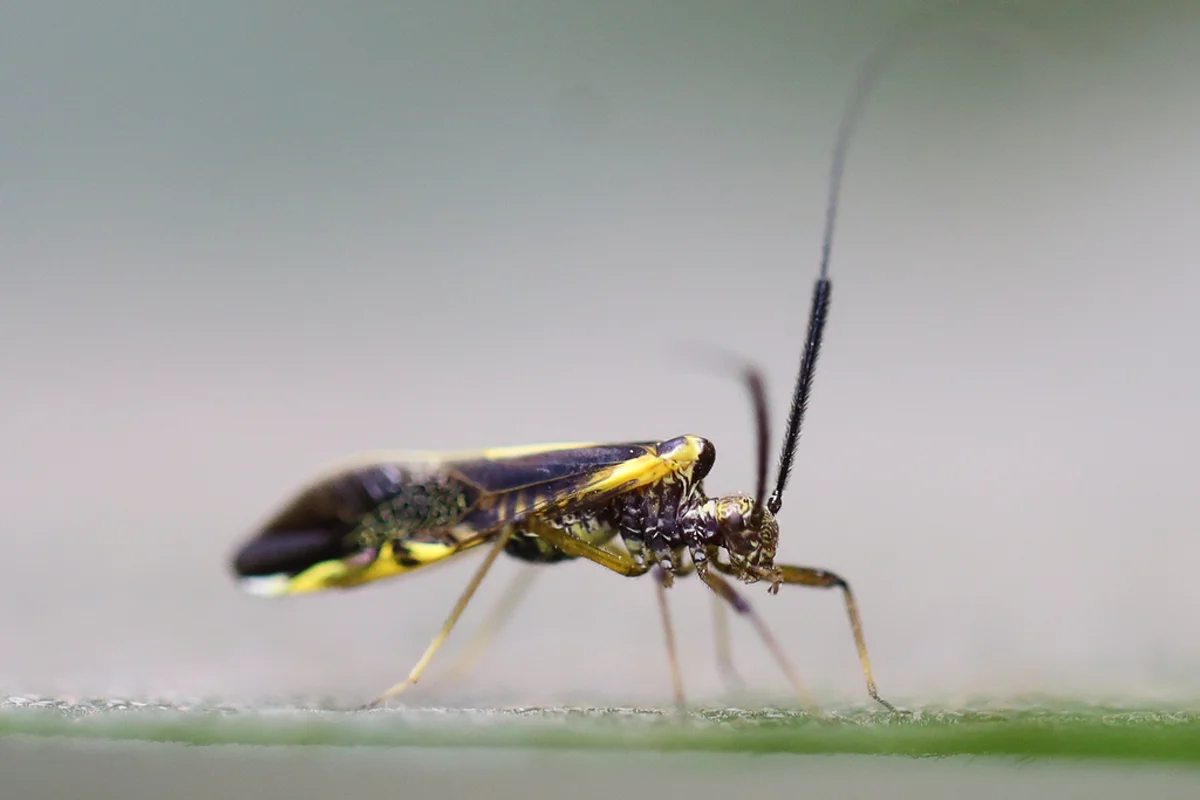
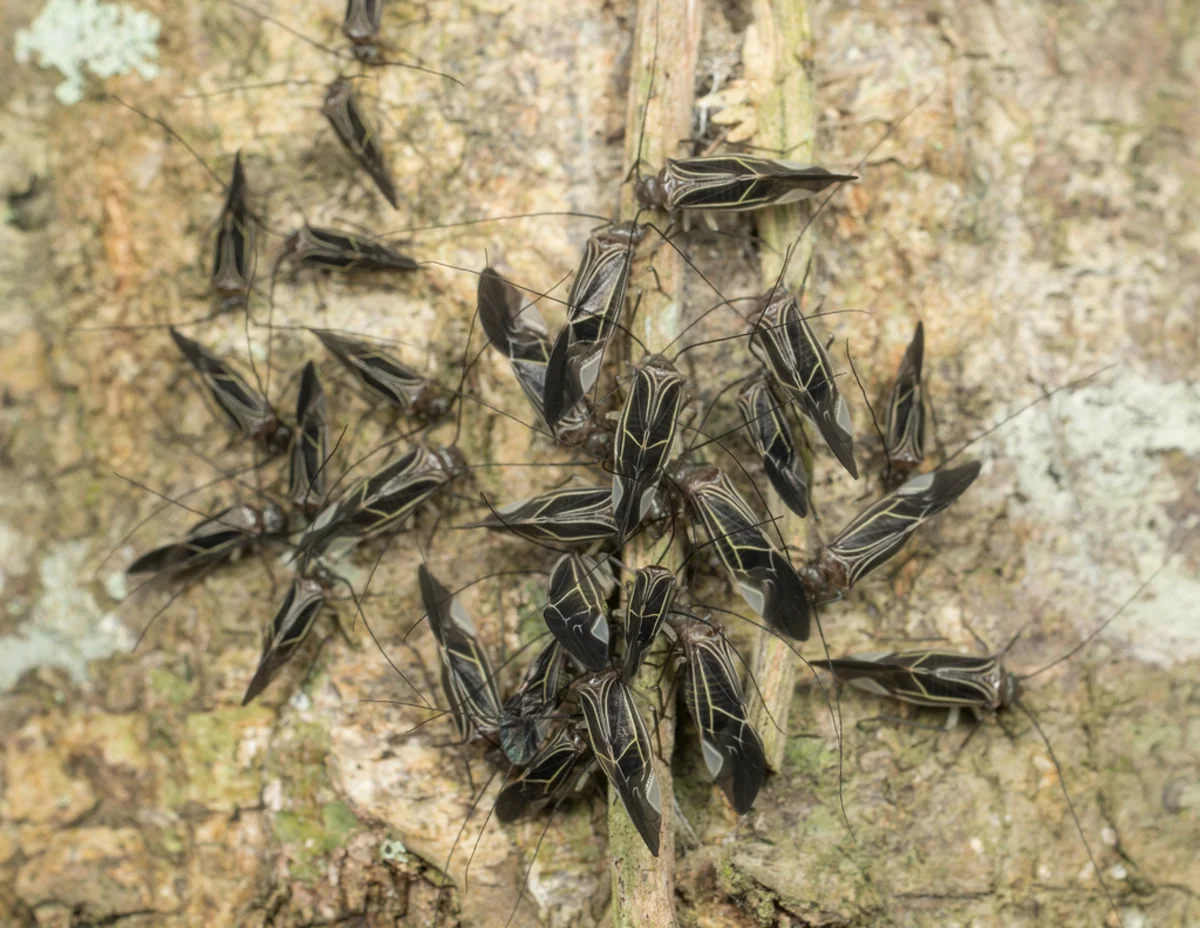
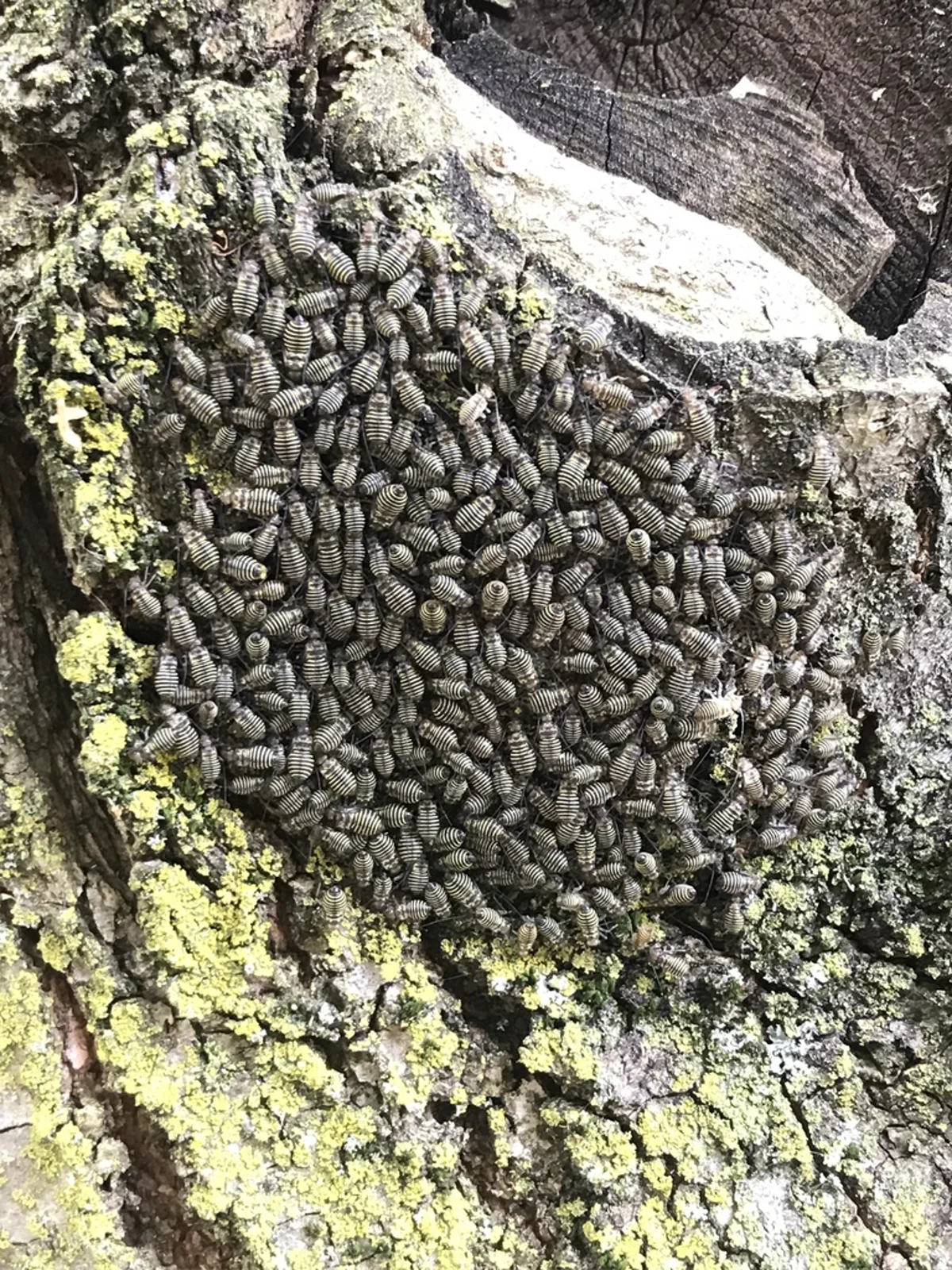

Where Barklice Are Found
Hover over states to see their names. Green regions indicate where barklice have been reported.
Barklice Identification Guide
Physical Characteristics
Barklice are small, soft-bodied insects. They range from 1 to 10 millimeters in length. They have a round head with a bulging area above their mouth. This feature makes them easy to spot with a magnifying glass. Their antennae are long and thin. They often extend past the length of their body.
Adult barklice have two pairs of wings. They hold these wings like a tent over their body when resting. The wings may look clear or show brown, black, or striped patterns. Their body color ranges from pale brown and gray to darker shades. This helps them blend in with tree bark.
You can also spot barklice by the narrow area between their head and body. Their eyes are large but not well developed. Young barklice look like small versions of adults. They shed their skin several times as they grow.
Common Species
-
Common Barklice (Psocidae): The largest family in North America. Most species live outdoors on bark or under rocks.
-
Cerastipsocus venosus: Found in eastern North America. Known for forming large colonies on tree trunks. A related species, Wood Wasps, shares similar characteristics.
-
Metylophorus novaescotiae: Often found on trees with leaves that fall in autumn. Creates noticeable silken webs. A related species, Daddy Long Legs, shares similar characteristics.
Barklice Behavior and Biology A related species, Harvestmen, shares similar characteristics.
Barklice feed on algae, lichens, fungi, pollen, and decaying matter found on tree bark. They do not harm trees or eat wood, despite their name. A related species, Mexican Chicken Bug, shares similar characteristics.
These insects like to live in groups. Colonies gather beneath silken webs that they spin using glands near their mouths. These webs protect them from predators, rain, and extreme temperatures. People sometimes call the webbing “tree cattle” because the insects seem to graze together under their shared silk cover. A related species, Soldier Bug, shares similar characteristics.
Barklice go through three life stages: egg, nymph, and adult. There is no pupal stage. Nymphs shed their skin three to six times as they grow. Their wings develop more with each molt. Some species can reproduce without mating. Females lay eggs that hatch without being fertilized. A related species, Green Lacewings, shares similar characteristics.
Barklice are most active during warm, humid months from late spring through early fall. They live in moist spots where fungi and algae grow. During dry weather or winter, their numbers drop. A barklouse lives for just a few months. A related species, Poultry Bugs, shares similar characteristics.
Some male barklice make clicking sounds using a body part on their hind legs. This sound draws in females and starts their mating ritual. A related species, Sawflies, shares similar characteristics.
Treatment Methods for Barklice A related species, Spined Soldier Bug, shares similar characteristics.
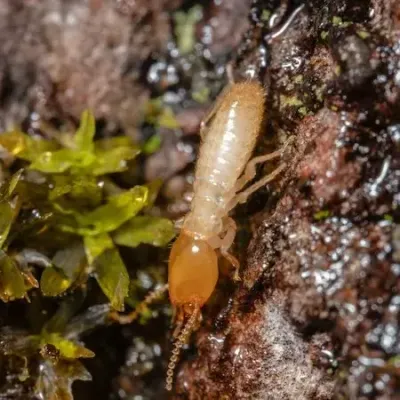
Barklice feed on algae and fungi on bark surfaces. They do not enter homes, damage wood, or pose health risks to humans or pets. They differ from termites, which destroy wood from the inside.
When homeowners want to reduce barklice colonies on trees, the following methods can help:
-
Water Spray: A strong stream of water from a garden hose can break up barklice colonies and disperse them. This is a simple and effective first step.
-
Reduce Moisture: Barklice thrive in humid spots where algae and fungi grow. Trimming dense plants around trees improves air flow. This can lower moisture and reduce their food sources over time.
-
Professional Inspection: If you are unsure whether the insects are barklice or a more harmful pest like termites, a pest control expert can identify them. This gives you peace of mind and helps you decide on next steps.
-
Targeted Treatments: For large or persistent populations, insecticide treatments applied to bark surfaces can reduce barklice numbers. A pest control professional can recommend the right product and application method for your situation.
References
Other Other Pests
Explore other species in the other pests family
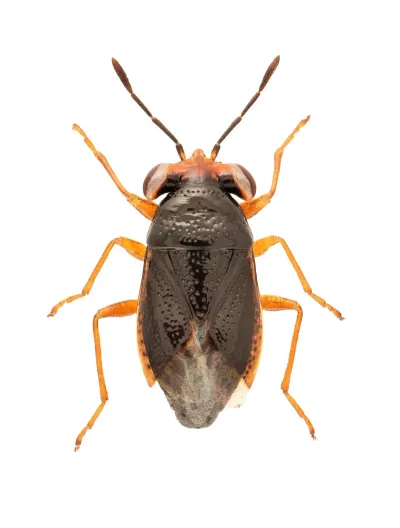
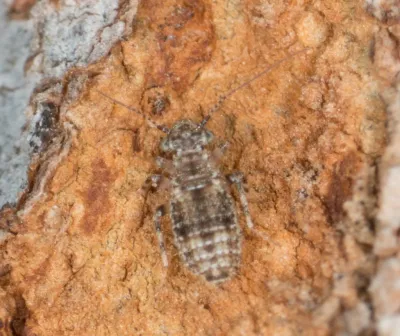
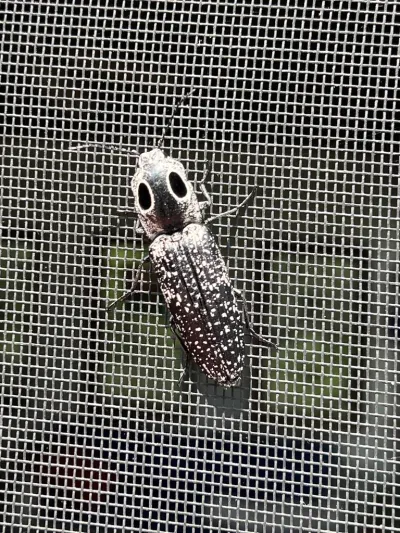
Commonly Confused With
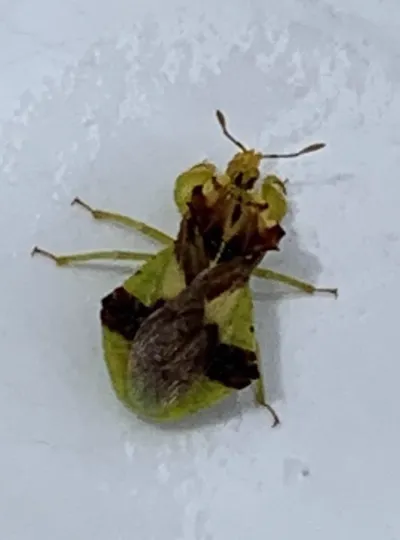
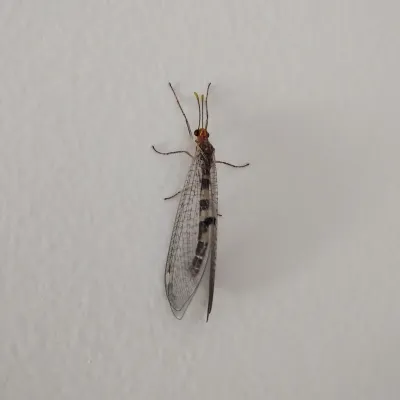
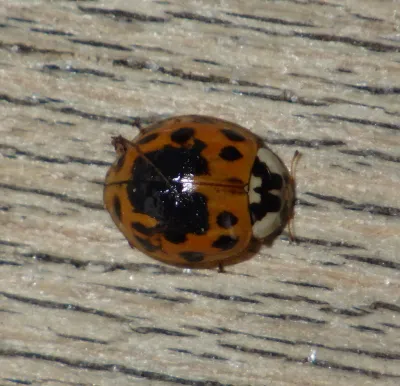
Barklice are often mistaken for these similar pests
Where Barklice Are Found
Hover over states to see their names. Green regions indicate where barklice have been reported.
Common Questions about Barklice
Are barklice harmful to trees?
+
Barklice do not damage trees. They feed on algae, lichen, fungi, and dead matter on bark surfaces. They do not eat living plant tissue or wood.
Do barklice bite humans?
+
No, barklice do not bite humans or pets. They have chewing mouthparts made for eating fungi and organic debris. They pose no threat to people.
Why do barklice gather in large groups on my trees?
+
Barklice naturally form colonies. They live together beneath silken webs they spin from glands near their mouths. These webs protect them from predators and weather.
Are barklice the same as booklice?
+
Barklice and booklice are closely related but live in different places. Barklice live outdoors on trees and usually have wings. Booklice are wingless, smaller, and found indoors in damp areas.
How can I get rid of barklice?
+
A strong spray of water from a garden hose can disperse barklice colonies. Reducing moisture around trees by trimming dense plants can also help lower their numbers over time.
How do I know if I have barklice or termites?
+
Barklice stay on the surface of bark and never damage wood. Termites live inside wood and create tunnels. Barklice have visible antennae and gather in groups on bark surfaces.

With five years of hands-on experience in the pest control industry, George Schulz is a registered technician with the Virginia Pest Management Association and a proud third-generation professional in a family business that's been protecting homes for over 57 years. He manages and trains a team of service pros while also leading internal research efforts—recently spearheading a deep-dive review of thousands of documents on pest control materials to hand-pick the most kid and pet friendly, most effective solutions tailored specifically for homes in the DC metro area.