Antlions Identification Guide
Myrmeleontidae
Antlions are insects known for their larvae, called doodlebugs, which dig cone-shaped pit traps in sandy soil to catch ants. Adults look like damselflies with clubbed antennae.
Taxonomy
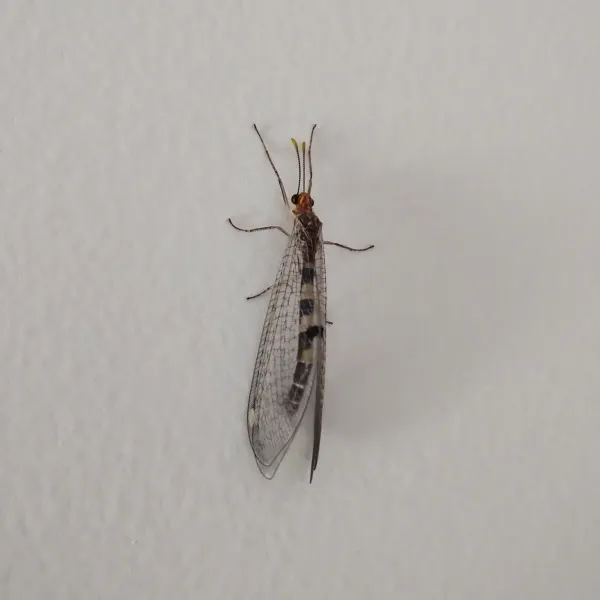
Antlions Coloration
Common color patterns to help identify antlions
Antlions
Seasonal Activity
When antlions are most active throughout the year

Where Antlions Are Found
Hover over states to see their names. Green regions indicate where antlions have been reported.
Antlion Identification Guide
Physical Characteristics
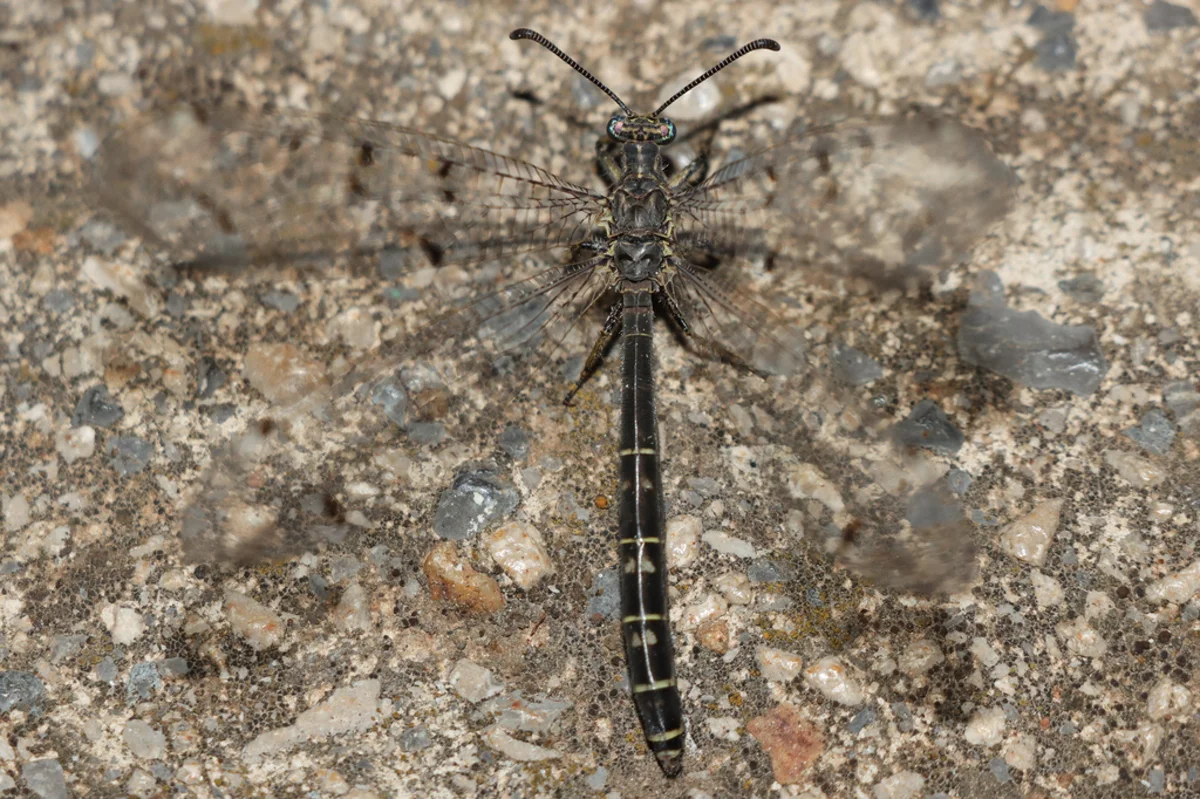
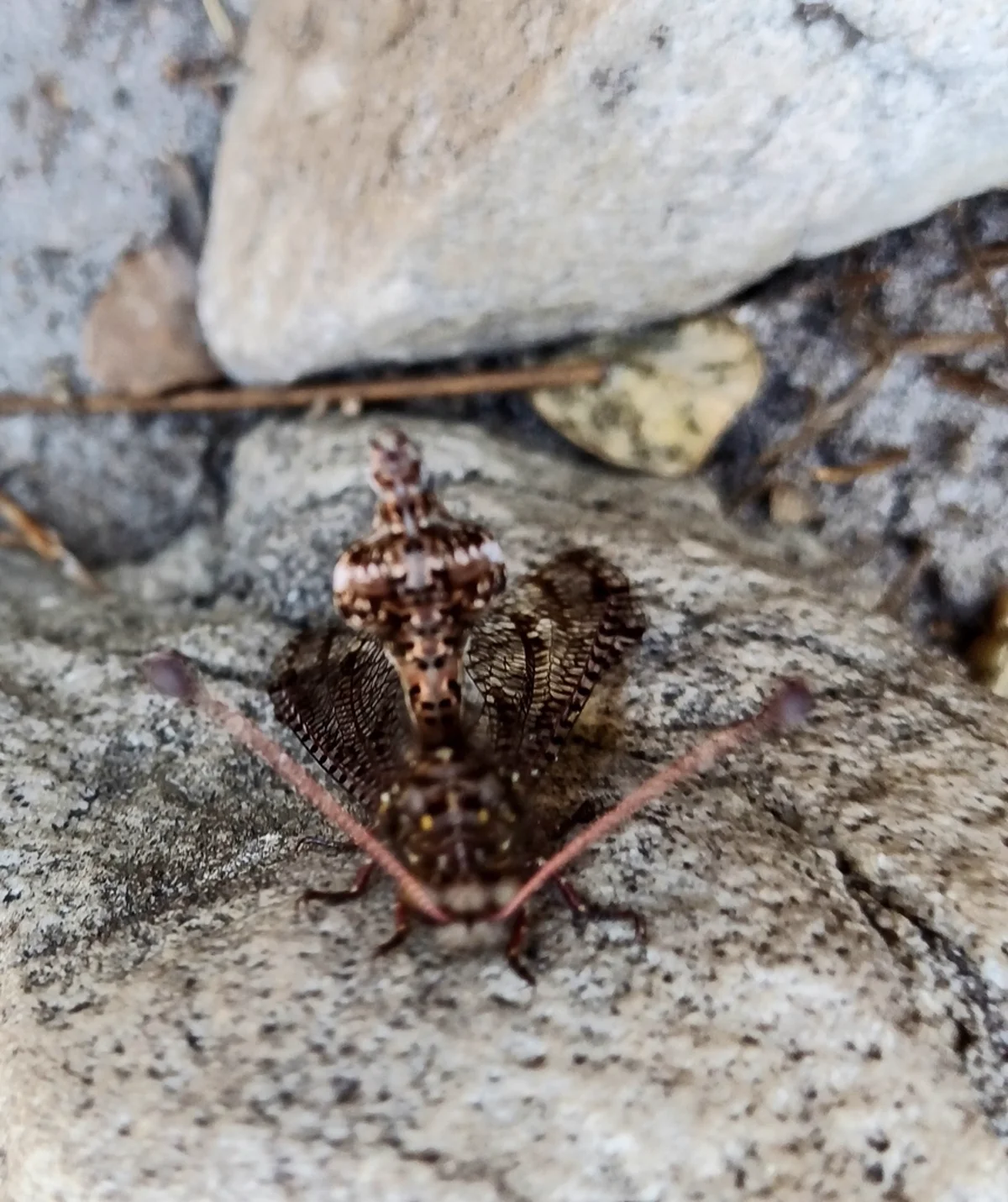
Adult antlions are slender insects that look like dragonflies or damselflies at first glance. You can tell them apart by their clubbed or curved antennae. Adults measure 1.5 to 3 inches long and have four long wings with brown and black patterns. Their dull brown or gray bodies help them blend in when resting on bark or leaves.
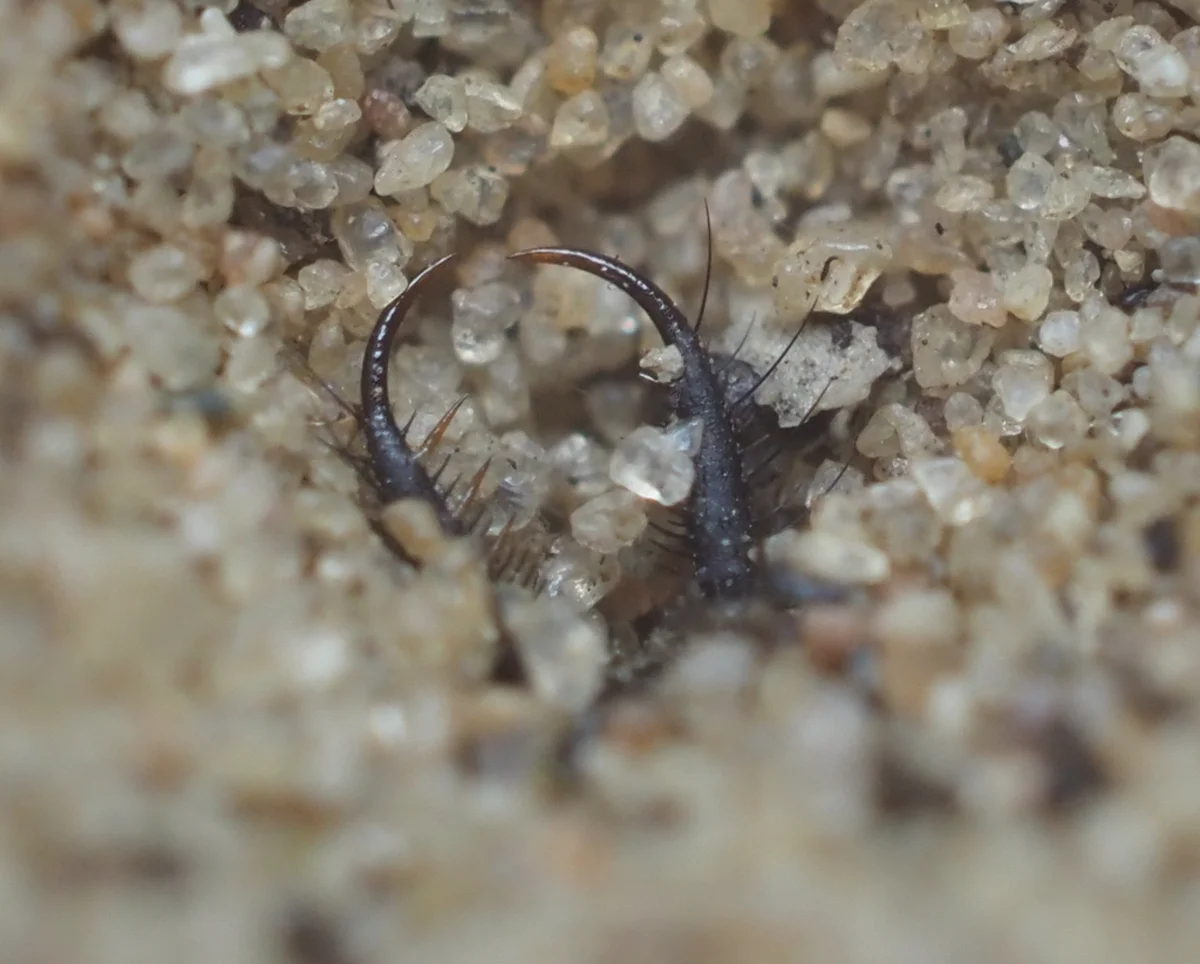
Antlion larvae, called doodlebugs, look very different from adults. These plump, oval larvae have flat, segmented bodies covered in bristles. They grow to about half an inch long. Their most notable feature is a pair of large, curved jaws that they use to catch and eat prey. The larvae are tan or gray colored, which helps them hide in sandy soil.
Common Species in North America
About 100 antlion species live in North America, with over 2,000 species worldwide. Common species include:
- Myrmeleon immaculatus: One of the most common species in eastern North America
- Myrmeleon formicarius: Found in both North America and Europe
- Brachynemurus species: Common in the southwestern United States
- Scotoleon species: Found in sandy habitats across many states
Antlion Behavior and Biology A related species, Wood Wasps, shares similar characteristics.
Habitat Preferences A related species, Daddy Long Legs, shares similar characteristics.
Antlions thrive in dry, sandy areas where larvae can build their pit traps. Common habitats include sandy beaches, forest floors with loose soil, areas under raised buildings, spots under roof overhangs, road edges, and empty lots. The larvae look for places protected from rain, which would destroy their pits. A related species, Harvestmen, shares similar characteristics.
The Famous Pit Trap A related species, Mexican Chicken Bug, shares similar characteristics.
The antlion larva has a clever hunting strategy. It walks backward in a spiral pattern through fine, dry sand, using its abdomen to dig a cone-shaped pit. The finished pit is usually 1-2 inches across with steep sides that prevent prey from escaping. A related species, Soldier Bug, shares similar characteristics.
The larva hides at the bottom of the pit with only its large jaws showing. It waits for an ant or other small insect to step over the edge and fall in. When prey starts sliding down, the antlion may flick sand at it to knock it down faster. A related species, Green Lacewings, shares similar characteristics.
Feeding and Digestion A related species, Poultry Bugs, shares similar characteristics.
When the larva catches prey in its jaws, it injects venom and digestive enzymes through hollow channels in its mandibles. The venom paralyzes the prey while the enzymes turn its insides into liquid. The antlion then sucks out the fluids and tosses the empty shell out of the pit. A related species, Barklice, shares similar characteristics.
Antlion larvae do not have an anus. They store all waste produced during the larval stage inside their bodies. Some of this waste later becomes silk for building their cocoons. The rest is released when the adult emerges.
Lifecycle
Antlions go through complete metamorphosis with four life stages:
- Egg: Female adults lay single eggs in sandy soil
- Larva: The predatory doodlebug stage lasts 1-2 years. The larva molts several times as it grows.
- Pupa: When ready to change, the larva digs deeper and builds a round cocoon from sand and silk. This stage lasts about a month.
- Adult: The winged adult comes out, mates, and lives for a few weeks to months
Managing Antlions Around Your Home
Antlions pose no threat to humans, pets, or property. They do not bite, sting, or cause structural damage. However, if numerous pit traps in sandy areas around your home are a concern, there are several management options:
- Habitat modification: Antlions need fine, dry sand to build pits. Replace sandy areas with mulch, gravel, or other ground covers to remove suitable habitat.
- Moisture control: Keep soil moist to prevent pit construction. Larvae cannot maintain stable pits in wet conditions.
- Physical removal: Fill in pits or rake the area smooth. Note that larvae will often relocate and build new pits nearby.
- Residual insecticide treatments: If antlion populations become excessive, applying a residual insecticide to sandy areas can reduce their numbers. This approach is rarely needed since antlions do not cause harm.
References
Other Other Pests
Explore other species in the other pests family
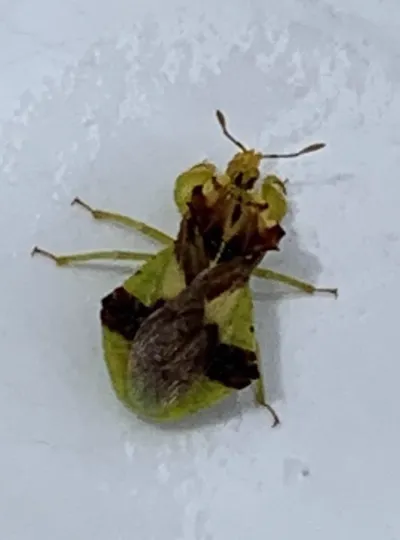
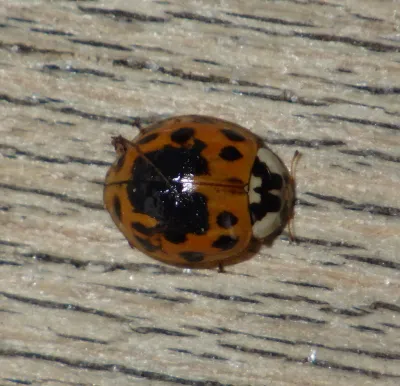
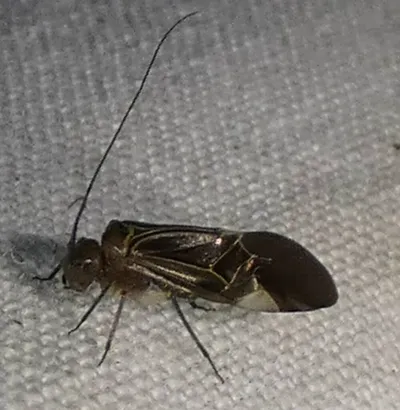
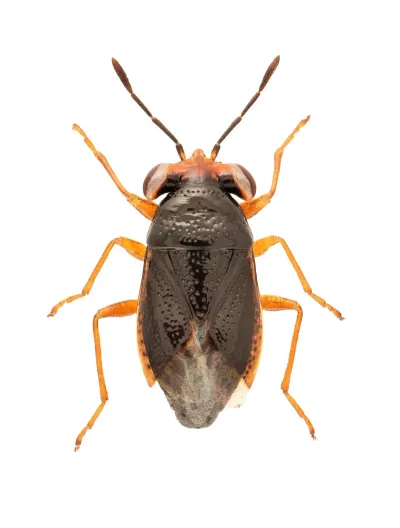
Commonly Confused With
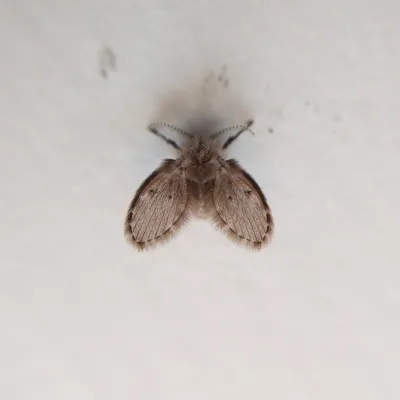
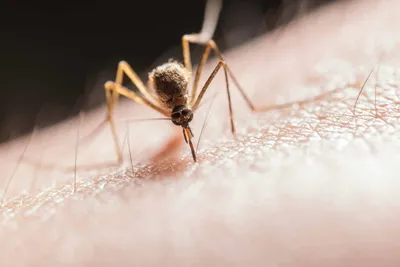
Antlions are often mistaken for these similar pests
Where Antlions Are Found
Hover over states to see their names. Green regions indicate where antlions have been reported.
Common Questions about Antlions
What are the cone-shaped pits in my sandy soil?
+
These funnel-shaped pits are made by antlion larvae, also called doodlebugs. The larvae dig these traps in dry, sandy soil to catch ants and other small insects that slip down the steep sides.
Are antlions harmful to humans or pets?
+
No, antlions are harmless to humans and pets. The larvae have large jaws for catching prey, but they do not bite people. Adults do not bite either.
Why are antlion larvae called doodlebugs?
+
The name comes from the winding trails the larvae leave in sand as they search for a good spot to build their pit traps. These trails look like someone has been doodling in the sand.
Do antlions eat ants?
+
Yes, antlion larvae are predators that feed mainly on ants and other small insects. They trap prey in their sand pits during their one to two year larval stage.
How long do antlions live?
+
Antlions live two to three years total. Most of this time is spent as larvae, which lasts one to two years. The adult stage is short, lasting only a few weeks to a couple of months.
Where can I find antlion pits?
+
Look for antlion pits in dry, sandy areas protected from rain. Common spots include under roof overhangs, beneath porches, along building foundations, in sandy forest floors, and under raised structures. The pits are usually 1-2 inches wide.
What do adult antlions eat?
+
Adult antlions feed on nectar and pollen. Some species may not eat at all during their short adult lives. This is very different from their predatory larval stage.
How do antlion larvae catch their prey?
+
When an insect falls over the edge of the pit, it slides down the loose sand toward the larva at the bottom. The larva may flick sand at the prey to knock it down faster. After catching the prey, the larva injects digestive fluids and eats the contents.

With five years of hands-on experience in the pest control industry, George Schulz is a registered technician with the Virginia Pest Management Association and a proud third-generation professional in a family business that's been protecting homes for over 57 years. He manages and trains a team of service pros while also leading internal research efforts—recently spearheading a deep-dive review of thousands of documents on pest control materials to hand-pick the most kid and pet friendly, most effective solutions tailored specifically for homes in the DC metro area.