Ambush Bugs Identification Guide
Phymata americana
Ambush bugs are small predatory insects that hide among flowers to capture prey with their powerful front legs. Learn how to identify these garden insects.
Taxonomy
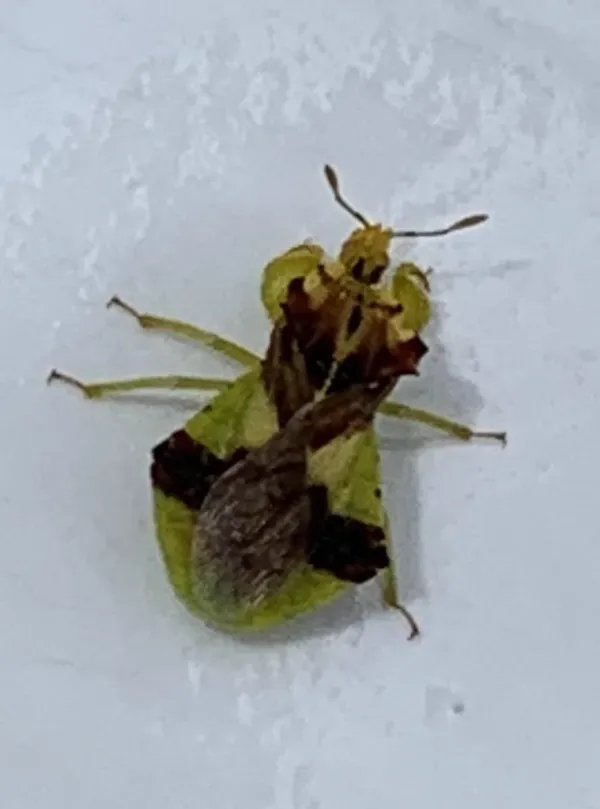
Ambush Bugs Coloration
Common color patterns to help identify ambush bugs
Ambush Bugs
Seasonal Activity
When ambush bugs are most active throughout the year
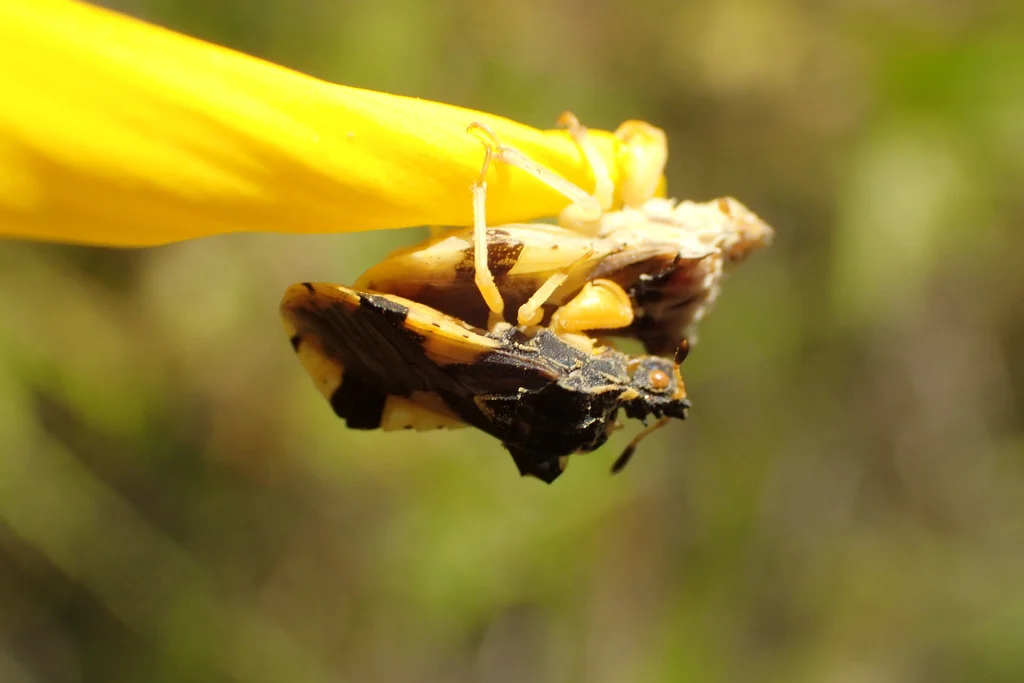
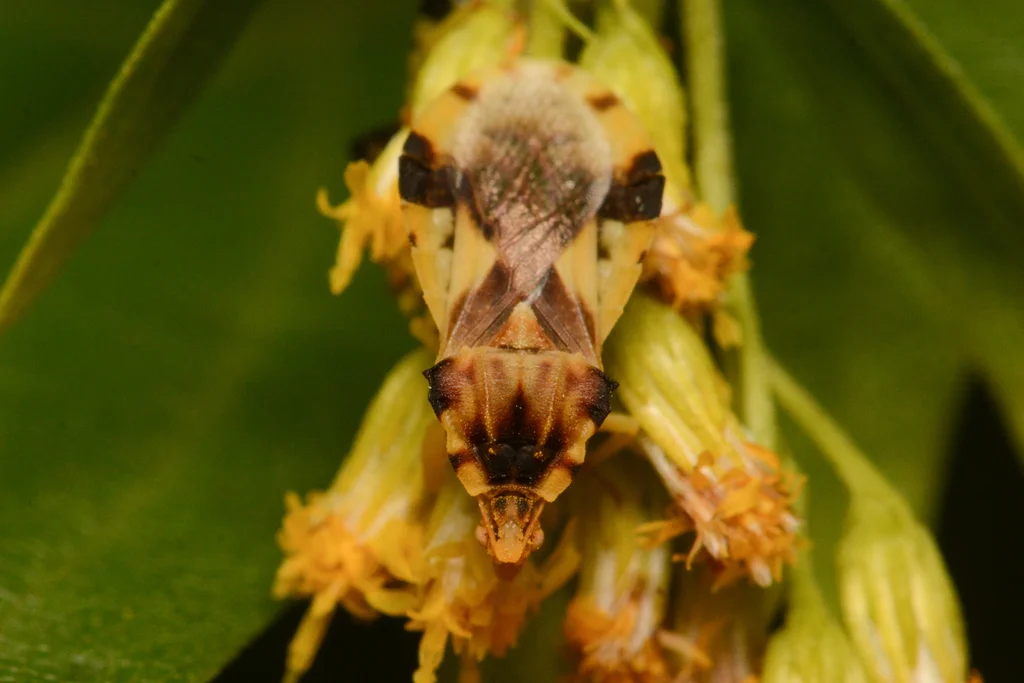
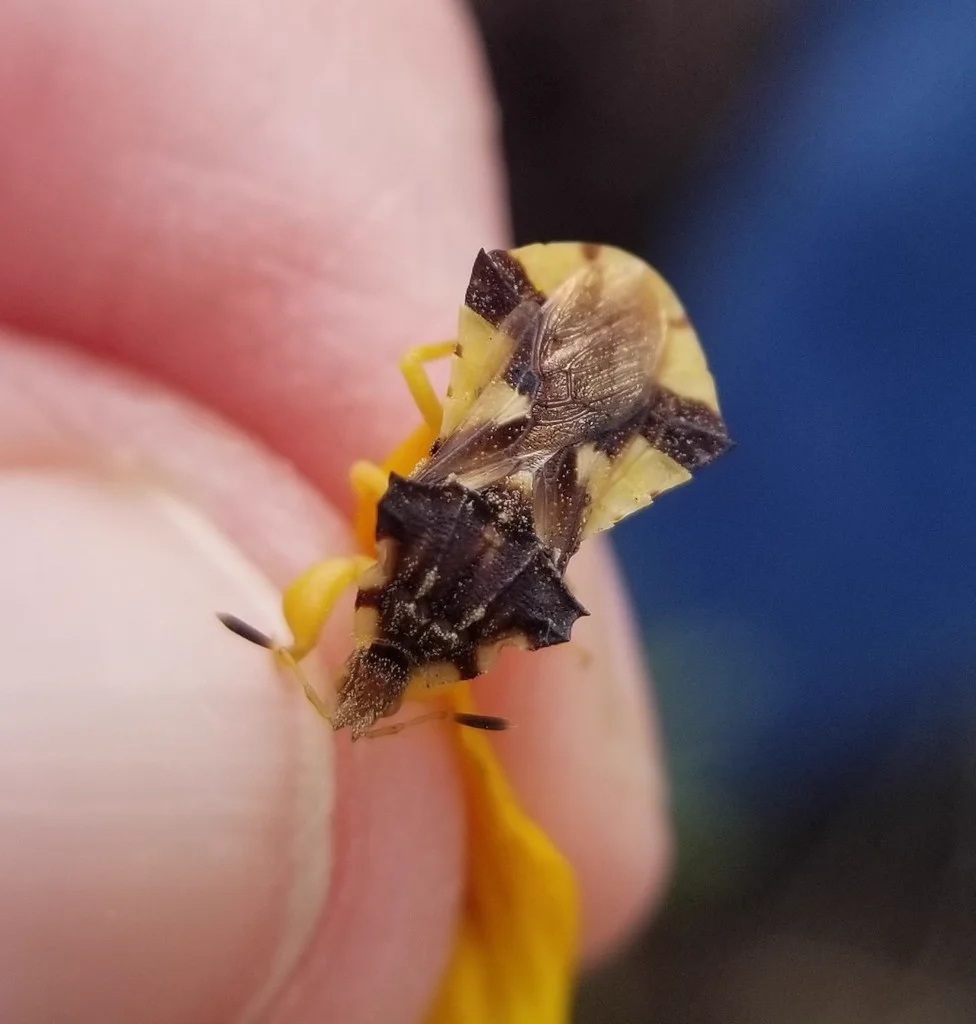

Where Ambush Bugs Are Found
Hover over states to see their names. Green regions indicate where ambush bugs have been reported.
Ambush Bug Identification Guide
Physical Features
Ambush bugs are small insects in the assassin bug family that measure 8 to 11 millimeters long. Their bodies have a jagged, angular shape with uneven edges along the abdomen. They come in colors like yellow-green, brown, and cream. These colors often form mottled patterns that help them blend in with flowers.
The most notable feature is their thick front legs. These legs look like those of a praying mantis. They use these powerful legs to grab and hold prey. Males tend to be smaller and darker than females. Males measure 8 to 9mm while females reach 9 to 11mm.
Their wings are small and do not cover the full body. This leaves the jagged sides of their abdomen exposed. Like other true bugs, they have piercing mouthparts called a rostrum. They use this to feed on caught prey.
Common Species
Jagged Ambush Bug (Phymata americana) is the most common species in North America. You can find them across the United States and into southern Canada.
Pennsylvania Ambush Bug (Phymata pennsylvanica) looks similar. It lives mainly in the eastern United States.
Ambush Bug Behavior and Biology A related species, Wood Wasps, shares similar characteristics.
Ambush bugs are predators that wait for prey to come to them. They spend most of their time hiding on flower heads. Their colors help them blend in with petals. They sit still and wait for insects to land nearby. A related species, Daddy Long Legs, shares similar characteristics.
When prey comes close, the ambush bug strikes fast. It grabs the insect with its powerful front legs. These bugs can catch prey up to ten times their own size. They hunt bees, flies, moths, and butterflies. A related species, Harvestmen, shares similar characteristics.
After catching prey, the ambush bug uses its mouthparts to inject digestive fluids. These fluids break down the inside of the prey. The bug then drinks the liquid contents and leaves behind an empty shell. A related species, Mexican Chicken Bug, shares similar characteristics.
Life Cycle
Ambush bugs have one generation each year. Females lay eggs on plants in late summer and fall. They coat the eggs with a foamy substance that hardens. This coating protects the eggs through winter.
Nymphs hatch in early summer. They go through five growth stages over 3 to 4 months. Then they become adults. Adults are most active from mid-summer through fall. They live until cold weather arrives.
Where They Live
These insects prefer open areas with lots of flowers. Look for them near forest edges, on farms, and in gardens. They often choose yellow or blue flowers that match their body color. This helps them hide from both prey and their own predators.
Ambush Bugs Around Your Home
Ambush bugs stay outdoors among flowers. They do not invade homes, damage property, or get into food. You might spot them in your garden during summer and early fall. People often find them when looking closely at flowers.
Key Facts About Ambush Bugs
- They eat other insects including flies and moths
- They do not damage plants or structures
- They only bite if handled
- They do not seek out humans
- They cannot survive or breed indoors
If You Find One
You may see ambush bugs when you inspect flowers closely. They sit very still while hunting, so you might not notice them at first. They can deliver a painful bite if picked up, so it is best not to handle them directly.
If an ambush bug wanders into your home by mistake, it will not cause problems. You can simply move it back outside to a flowering plant.
References
Other Other Pests
Explore other species in the other pests family
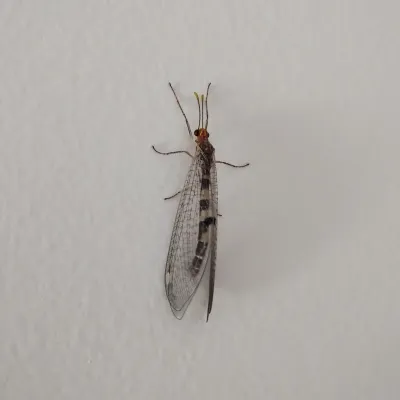
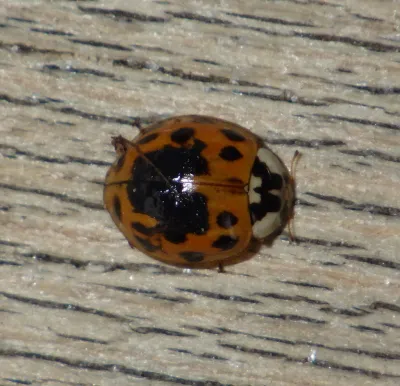
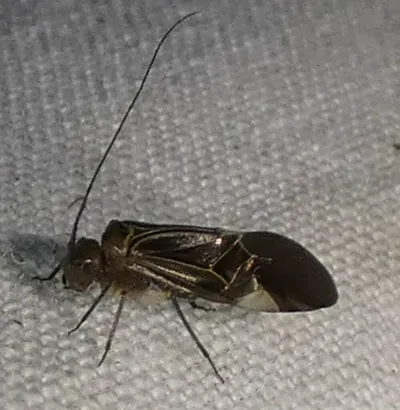
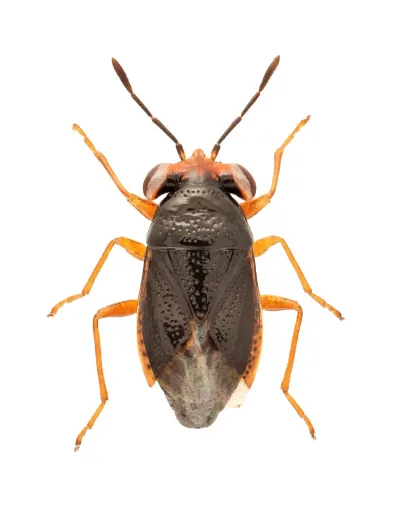
Commonly Confused With
Ambush Bugs are often mistaken for these similar pests
Where Ambush Bugs Are Found
Hover over states to see their names. Green regions indicate where ambush bugs have been reported.
Common Questions about Ambush Bugs
Are ambush bugs harmful to humans?
+
Ambush bugs are not harmful to humans. They can bite if you handle them, but they do not seek out people. They spend their time on flowers hunting other insects.
What do ambush bugs eat?
+
Ambush bugs hunt other insects. They catch bees, flies, moths, and other bugs that visit flowers. They hide among petals and grab prey with their strong front legs. They can catch insects much larger than themselves.
Why are they called ambush bugs?
+
They get their name from how they hunt. These bugs hide among flowers and wait for prey to come close. When another insect lands nearby, they grab it quickly with their front legs.
How can I identify an ambush bug?
+
Ambush bugs have jagged, angular bodies. They are usually yellow-green, brown, or cream colored. They measure 8-11mm long and have thick front legs like a praying mantis. Their small wings leave the jagged edges of their body showing.
Where do ambush bugs live?
+
Ambush bugs live in open fields, gardens, and meadows with flowers. They often sit on yellow or blue flowers that match their body color. This helps them hide from both prey and predators.
Do ambush bugs come inside homes?
+
Ambush bugs rarely enter homes. They live outdoors on flowers where they find food. If one wanders inside by accident, it will not survive or breed indoors.

With five years of hands-on experience in the pest control industry, George Schulz is a registered technician with the Virginia Pest Management Association and a proud third-generation professional in a family business that's been protecting homes for over 57 years. He manages and trains a team of service pros while also leading internal research efforts—recently spearheading a deep-dive review of thousands of documents on pest control materials to hand-pick the most kid and pet friendly, most effective solutions tailored specifically for homes in the DC metro area.