Southern House Mosquitoes Identification Guide
Culex quinquefasciatus
Southern house mosquitoes are nighttime biters found throughout the southern United States. They breed in polluted water and can spread West Nile virus and St. Louis encephalitis.
Taxonomy
Southern House Mosquitoes Coloration
Common color patterns to help identify southern house mosquitoes
Southern House Mosquitoes
Seasonal Activity
When southern house mosquitoes are most active throughout the year

Where Southern House Mosquitoes Are Found
Hover over states to see their names. Green regions indicate where southern house mosquitoes have been reported.
Southern House Mosquito Identification Guide
Physical Characteristics
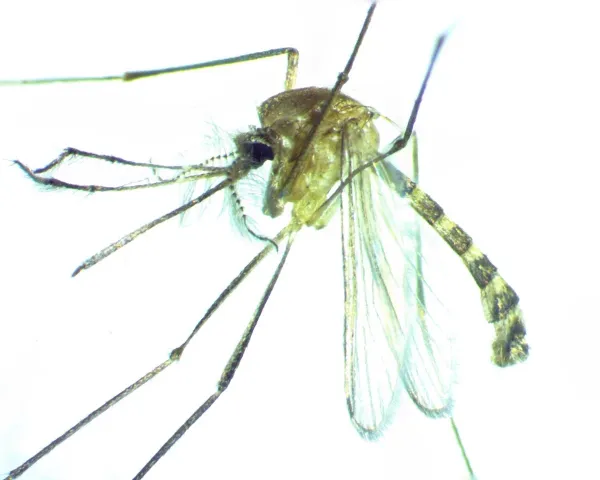
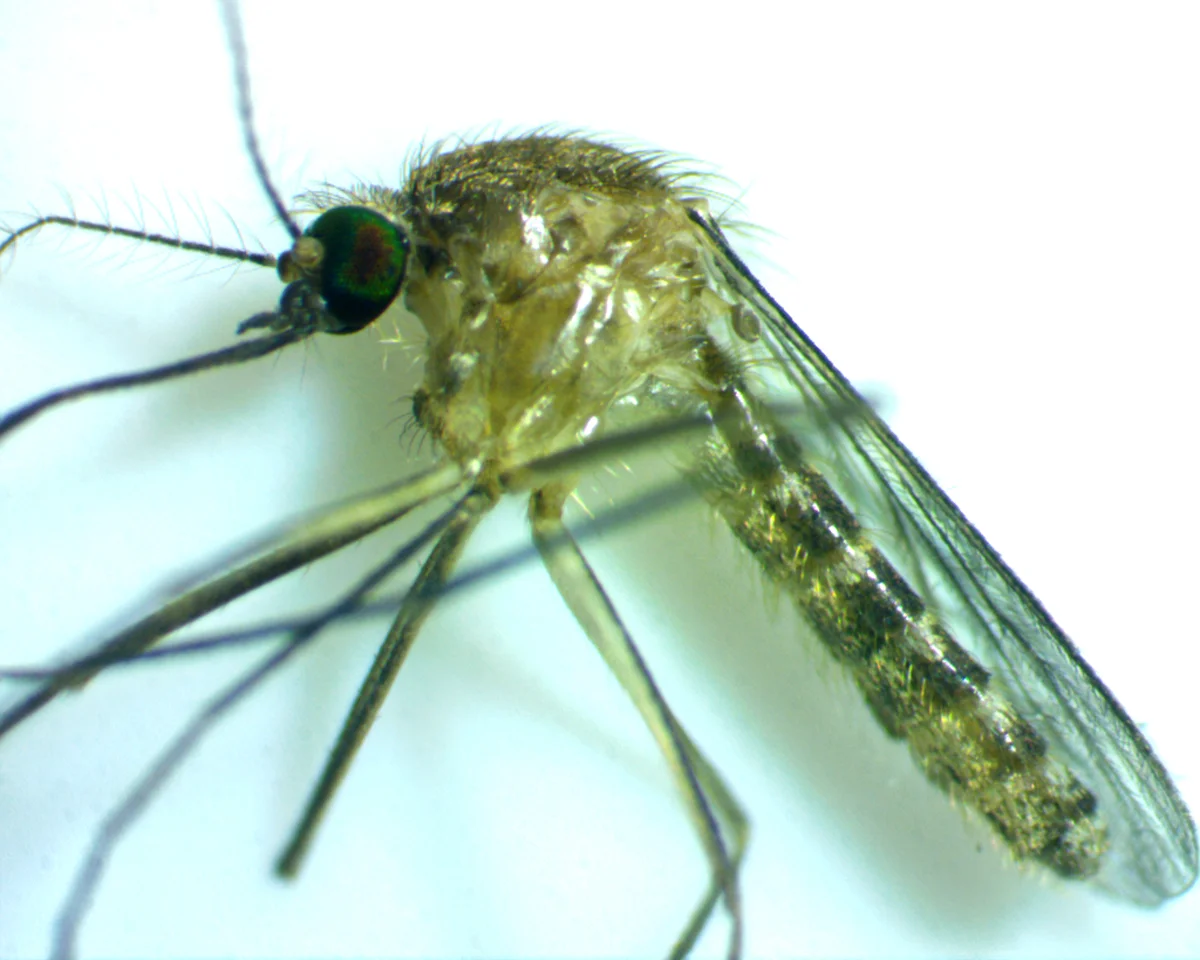
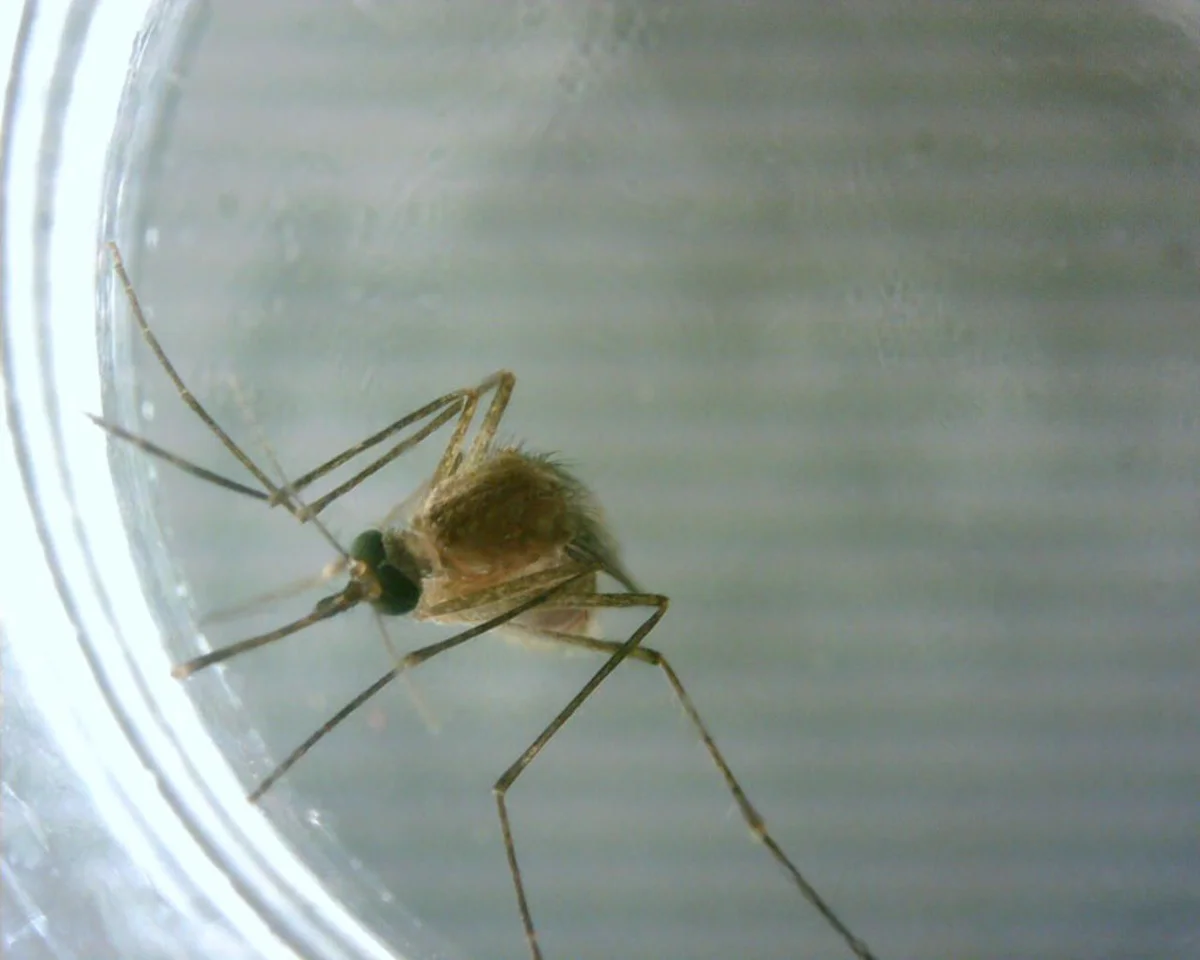
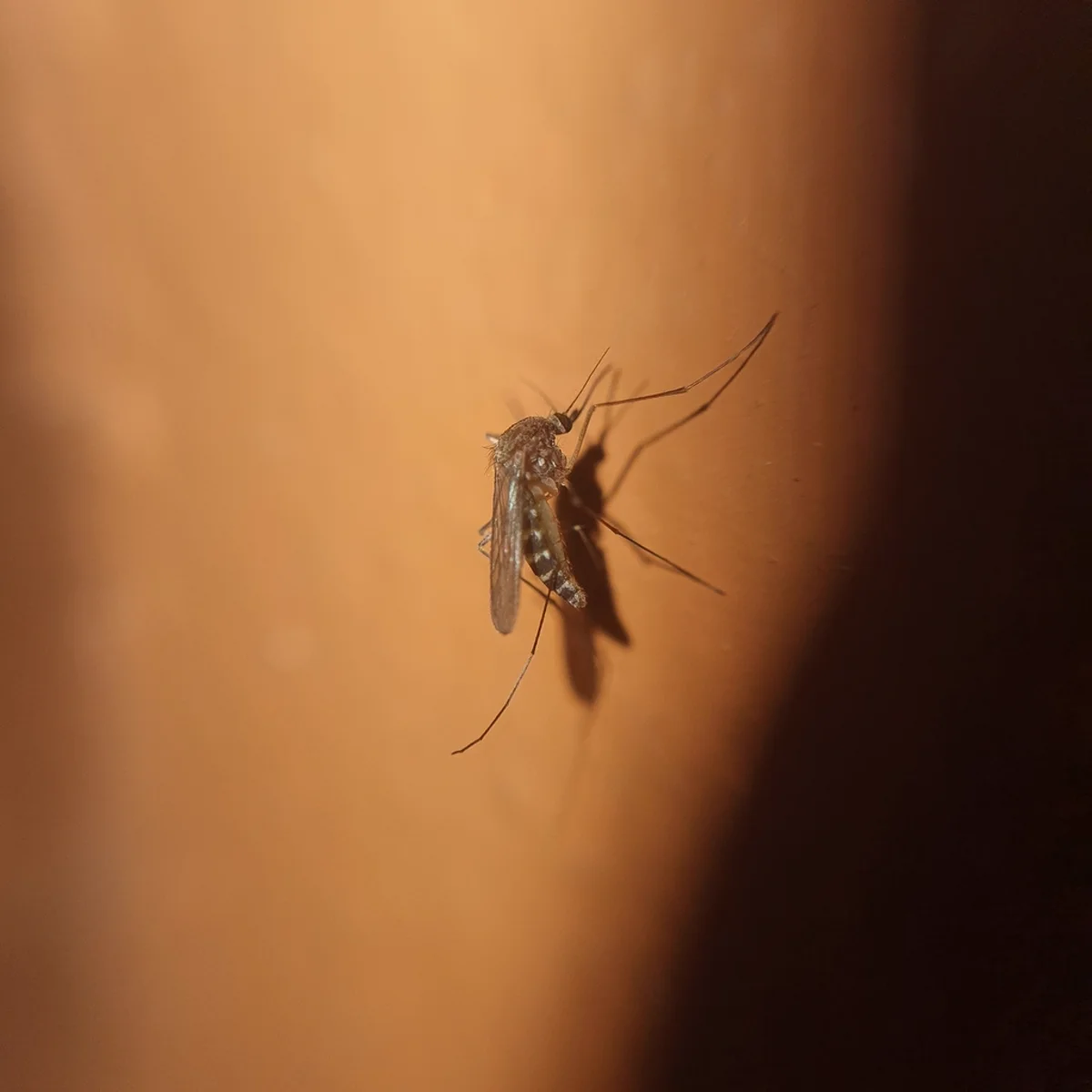
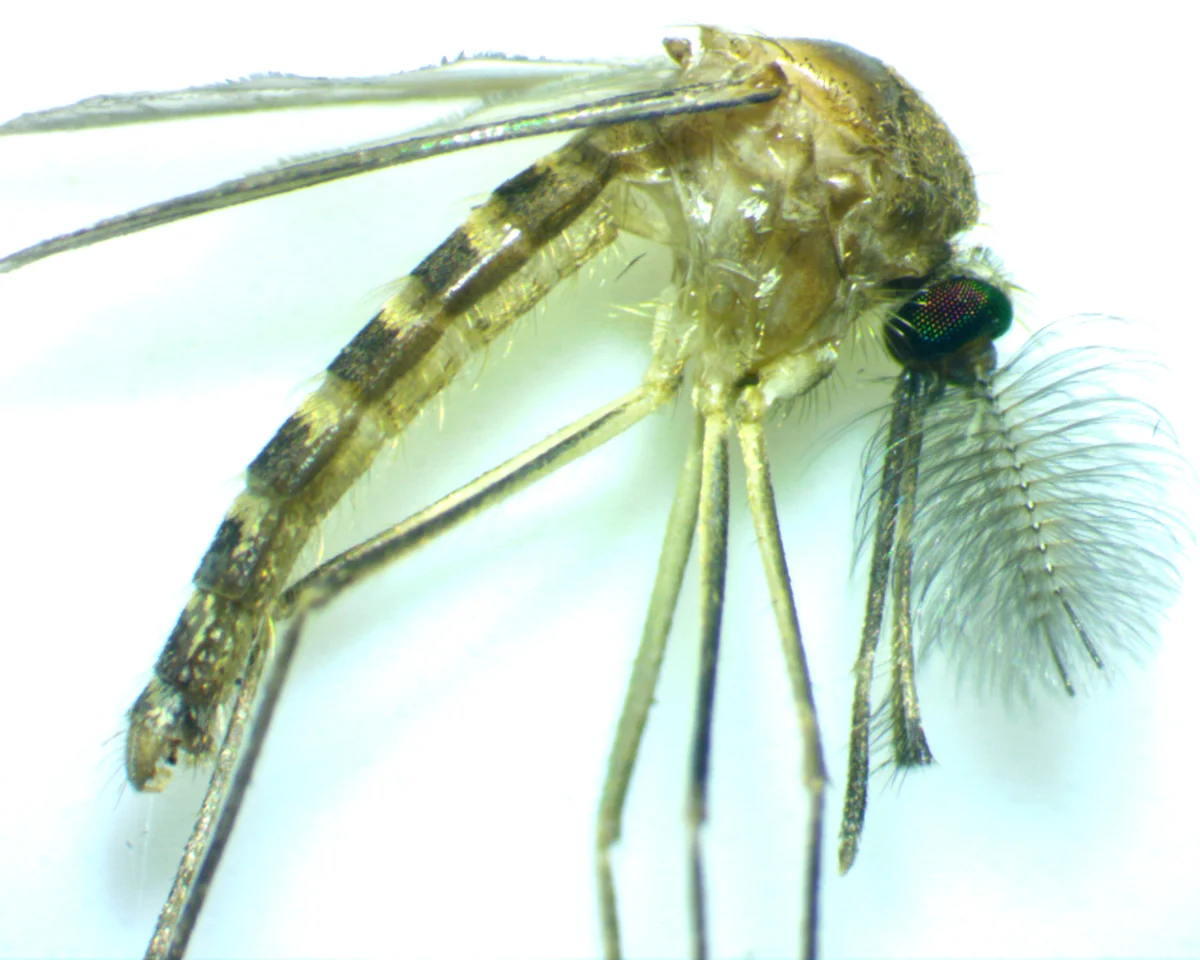
The southern house mosquito (Culex quinquefasciatus) is a medium-sized brown mosquito. Adults are about 4 to 5mm long. Their bodies are light brown to tan. The mouthpart, mid-section, wings, and legs are darker than the rest of the body.
Look for the banded pattern on their belly. Each section has a pale band at the base. This gives the belly a striped look. The head is light brown with the center being lighter. Males have larger palps and bushy antennae. Females have thin antennae.
Thomas Say first described this species in 1823 along the Mississippi River. The name “quinquefasciatus” refers to the five dark bands on the belly when viewed from above.
How to Distinguish from Other Mosquitoes
Southern house mosquitoes look like other common mosquitoes:
- Common house mosquitoes (Culex pipiens): Look very similar. These two species breed together in a zone between 36 and 39 degrees north in the U.S. Culex pipiens usually lives north of this zone.
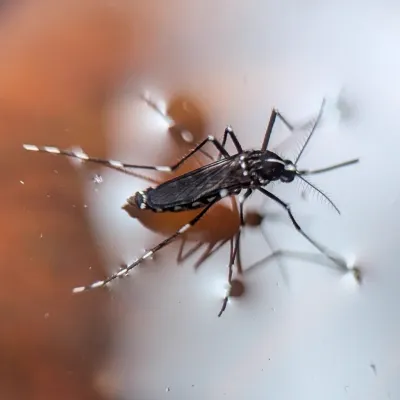
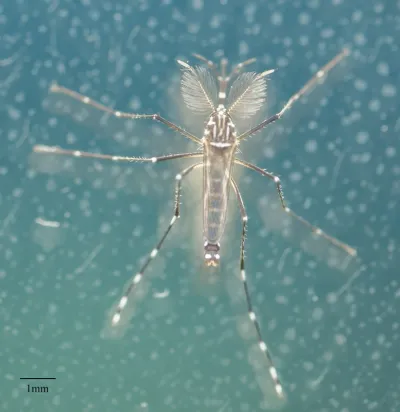
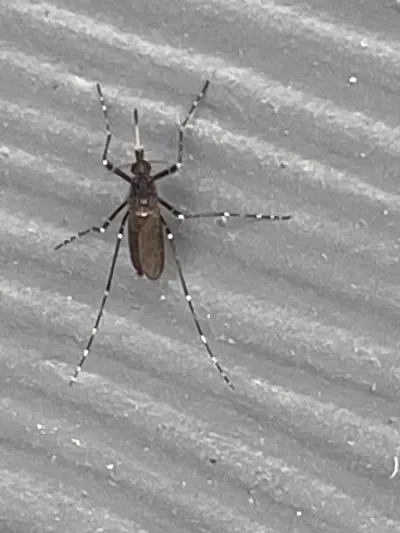
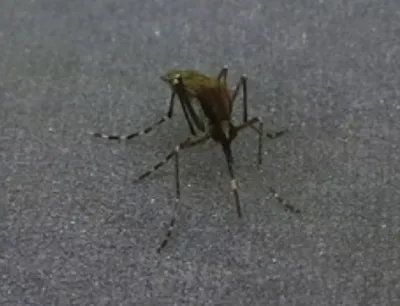
- Asian tiger mosquitoes: Have bold black and white stripes. They bite during the day. Southern house mosquitoes are brown and bite at night.
- Yellow fever mosquitoes: Have black bodies with white markings. They also bite during the day.
Southern House Mosquito Behavior and Biology
Life Cycle
Southern house mosquitoes have four life stages: egg, larva, pupa, and adult. In warm weather around 86 degrees, the full cycle takes about seven days.
Females lay eggs in floating rafts on standing water. Each raft has 100 to 300 eggs in an oval shape. The eggs dry out easily. They usually hatch within 24 to 30 hours.
Larvae feed on tiny bits in the water. They pass through four growth stages. This takes 5 to 8 days based on how warm the water is. After the fourth stage, larvae become pupae. Adults come out about 36 hours later. A single female can make up to five egg rafts in her lifetime.
Feeding Behavior
Southern house mosquitoes feed at night. They become active after sunset. They hunt for blood all through the night. They are drawn to carbon dioxide, body heat, and body odors. A related species, Eastern Saltmarsh Mosquitoes, shares similar characteristics.
Both males and females drink nectar from plants for energy. After mating, females need a blood meal to make eggs. They prefer bird blood but will also bite humans and other animals. Their habit of feeding on both birds and people helps spread diseases between wildlife and humans. Learn more about how long mosquitoes live and what mosquitoes eat. A related species, Eastern Treehole Mosquitoes, shares similar characteristics.
One interesting trait is that females can lay their first eggs without a blood meal. This helps populations grow fast when conditions are good.
Habitat Preferences
Southern house mosquitoes thrive near humans. They depend on people for their breeding sites. These mosquitoes prefer dirty, polluted water for laying eggs. Common breeding sites include:
- Storm drains and sewer systems
- Septic tanks with leaks or cracks
- Cesspools and farm runoff pits
- Stagnant ditches and ground pools
- Sewage treatment tanks
- Clogged gutters and drains
- Bird baths and pet water dishes
Adults rest during the day in cool, dark places. They hide in plants, under eaves, in garages, and inside homes. At night, they are drawn to lights. They can enter buildings through open doors and windows.
Geographic Range
The southern house mosquito lives in tropical and subtropical regions. In the U.S., they range from Virginia across the south to California. Their northern limit is around 36 to 39 degrees north. In this zone, they breed with the common house mosquito (Culex pipiens).
These mosquitoes are active all year in warm southern states. In cooler areas like Virginia, Maryland, and DC, they are most active from spring through fall. Some adults may survive winter by hiding in basements and crawl spaces.
How We Treat for Southern House Mosquitoes
Our mosquito control program targets both adult mosquitoes and their breeding sites. Since these mosquitoes bite at night, cutting their numbers helps you enjoy your yard after sunset.
Exterior Barrier Treatment
Our technicians use backpack sprayers to treat areas where mosquitoes rest during the day. We focus on:
- Shaded plants: Shrubs, ivy patches, and ground cover where mosquitoes hide
- Under decks and porches: Shaded spots near your living areas
- Along fence lines: Travel routes between yards
- Dense brush: Cool, moist hiding spots
The treatment kills adult mosquitoes on contact. It also has a growth blocker that stops larvae from becoming biting adults. This breaks the breeding cycle over time.
Breeding Site Checks
During each visit, we look for conditions that help mosquitoes breed. For southern house mosquitoes, we check:
- Clogged gutters and downspouts
- Standing water in drainage areas
- Bird baths and water features
- Pet water dishes left outside
- Tarps and covers holding water
We give tips on fixing drainage issues and getting rid of standing water. Since this species breeds in dirty water, fixing sewage and septic problems helps with long-term control.
In2Care Mosquito System (Optional)
The In2Care system is an eco-friendly option that works well against these mosquitoes. Stations placed in shaded areas draw in females looking to lay eggs. The females pick up a larvicide and fungus. They then spread these to other breeding sites. This targets mosquitoes without wide spraying. It is a good choice for those who prefer less chemical use.
For best results, we suggest treatments every 3 to 4 weeks during mosquito season. This is April through October in the mid-Atlantic region.
Health Concerns
Southern house mosquitoes can spread several diseases:
- West Nile virus: The top mosquito-borne disease in the U.S. Most people have mild or no symptoms. Severe cases can cause brain swelling.
- St. Louis encephalitis: Causes fever, headache, and in bad cases, brain swelling. Southern house mosquitoes are the main spreaders in the southern U.S.
- Western equine encephalitis: A rare but serious disease affecting the brain.
- Avian malaria: A major threat to native birds, especially in Hawaii.
Because these mosquitoes feed on both birds and mammals, they pass diseases between wildlife and people. Viruses picked up from infected birds can be passed to humans through bites. This makes controlling their numbers through professional mosquito control important for public health. The closely related western encephalitis mosquito plays a similar role in western states.
This is for learning only and is not medical advice. Talk to a doctor if you feel sick after mosquito bites.
References
Other Mosquitoes
Explore other species in the mosquitoes family
Commonly Confused With
Southern House Mosquitoes are often mistaken for these similar pests
Where Southern House Mosquitoes Are Found
Hover over states to see their names. Green regions indicate where southern house mosquitoes have been reported.
Common Questions about Southern House Mosquitoes
What makes southern house mosquitoes different from other mosquitoes?
+
Southern house mosquitoes are medium-sized brown mosquitoes that bite at night rather than during the day. They have pale bands across their abdomen and prefer breeding in polluted, nutrient-rich water like storm drains and septic tanks.
When do southern house mosquitoes bite?
+
Southern house mosquitoes are nighttime feeders. They become active after sunset and bite throughout the night. This is different from Asian tiger mosquitoes, which bite during the day.
Are southern house mosquito bites dangerous?
+
Southern house mosquitoes can spread West Nile virus, St. Louis encephalitis, and other diseases. While most bites just cause itchy welts, these mosquitoes are the main vectors for certain viral diseases in the southern United States.
Where do southern house mosquitoes breed?
+
These mosquitoes prefer polluted, organically rich water. Common breeding sites include storm drains, septic tanks, cesspools, agricultural pits, and ditches with standing water. They can also breed in bird baths and clogged gutters.
How can I tell if I have southern house mosquitoes?
+
If you are getting bitten at night rather than during the day, southern house mosquitoes may be the culprit. Look for medium-sized brown mosquitoes near outdoor lights at night. They are attracted to light sources.
How long do southern house mosquitoes live?
+
Adult southern house mosquitoes can live several weeks under good conditions. Females need blood meals to produce eggs and can lay up to five egg rafts in their lifetime. Each raft contains 100 to 300 eggs.

With five years of hands-on experience in the pest control industry, George Schulz is a registered technician with the Virginia Pest Management Association and a proud third-generation professional in a family business that's been protecting homes for over 57 years. He manages and trains a team of service pros while also leading internal research efforts—recently spearheading a deep-dive review of thousands of documents on pest control materials to hand-pick the most kid and pet friendly, most effective solutions tailored specifically for homes in the DC metro area.