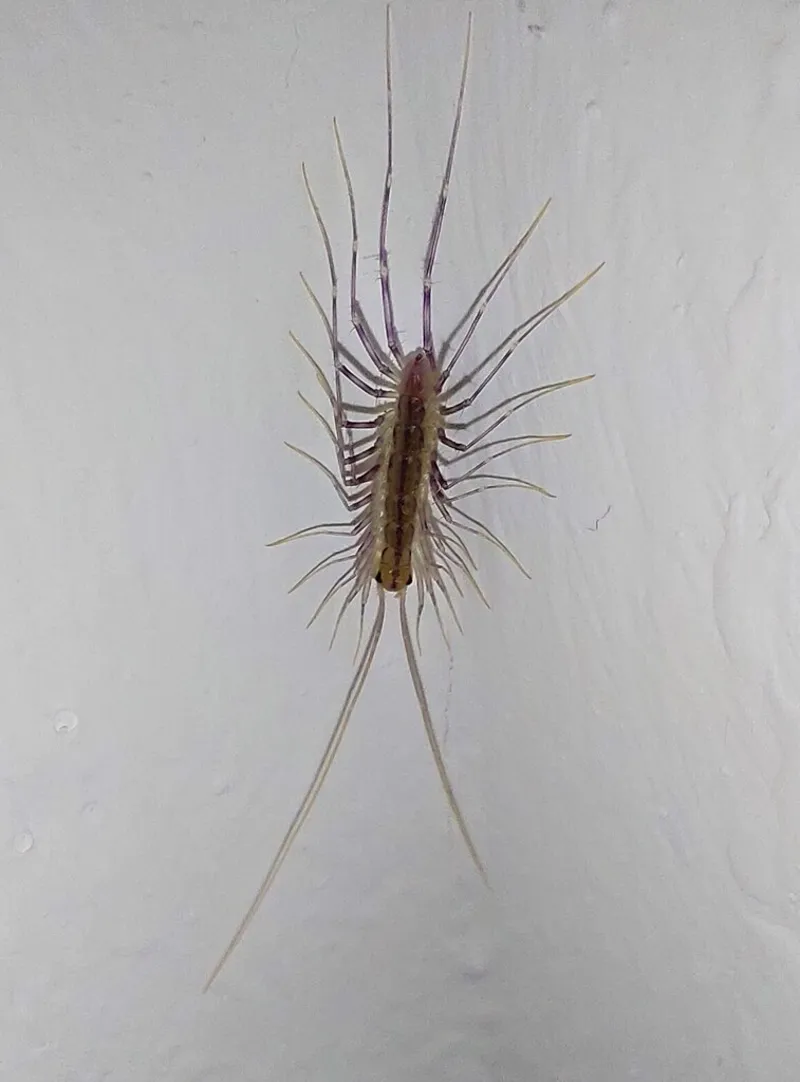

If you’ve ever spotted a house centipede darting across your bathroom floor, you probably wondered what they eat.
As a third-generation pest control professional with over 5 years of experience in the DC metro area, I’ve answered this question hundreds of times. The short answer? Centipedes eat other bugs — and lots of them.
Centipedes are carnivorous predators with a surprisingly diverse diet. They hunt and consume many common household pests, which is why they show up wherever other bugs live. Here’s a closer look at exactly what centipedes eat and what their presence might mean for your home.
The Complete List of What Centipedes Eat
Centipedes are what scientists call “generalist predators.” This means they’ll eat just about anything small enough to catch. According to Utah State University Extension, centipedes consume “most anything that is small enough and soft bodied.”
Here’s a complete breakdown of what centipedes eat:
Common Household Prey:
- Cockroaches (including German roaches)
- Silverfish
- Spiders (like wolf spiders)
- Ants (including sugar ants and fire ants)
- Carpet beetle larvae
- Moths
- Crickets
- Firebrats
- Bed bugs
Outdoor Prey:
- Earthworms
- Fly larvae
- Slugs
- Small soft-bodied invertebrates
- Other centipedes (yes, they’re cannibalistic)
How Centipedes Hunt Their Prey
What makes centipedes such effective hunters? It comes down to three things: speed, venom, and specialized body parts.
Speed and Agility
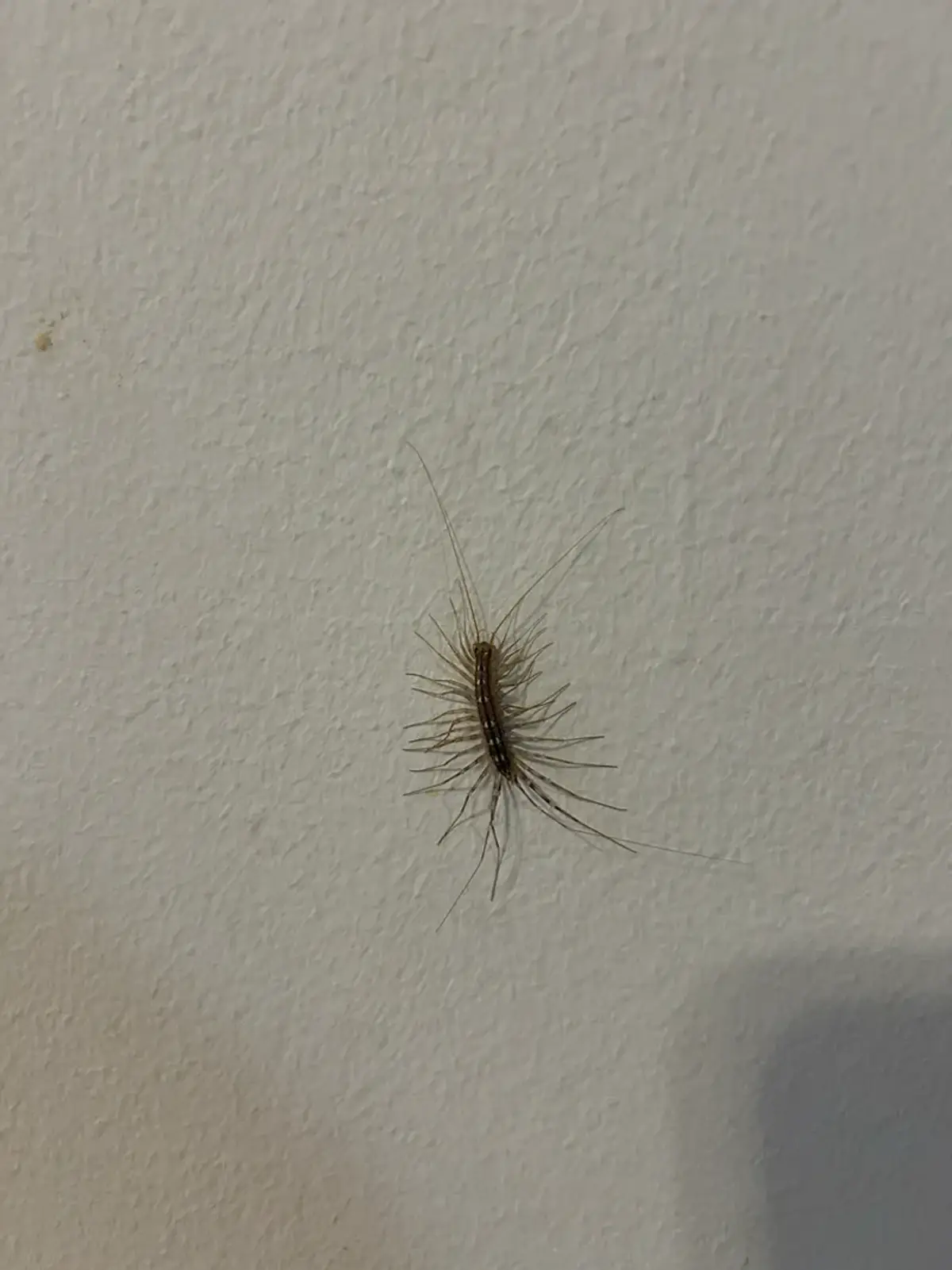
House centipedes can move incredibly fast. Their long legs allow them to sprint across floors, walls, and ceilings in pursuit of prey. According to the University of Georgia, centipedes “pounce on an insect, wrapping it in all those long legs, almost like ensnaring it in a net.”
Venomous Fangs
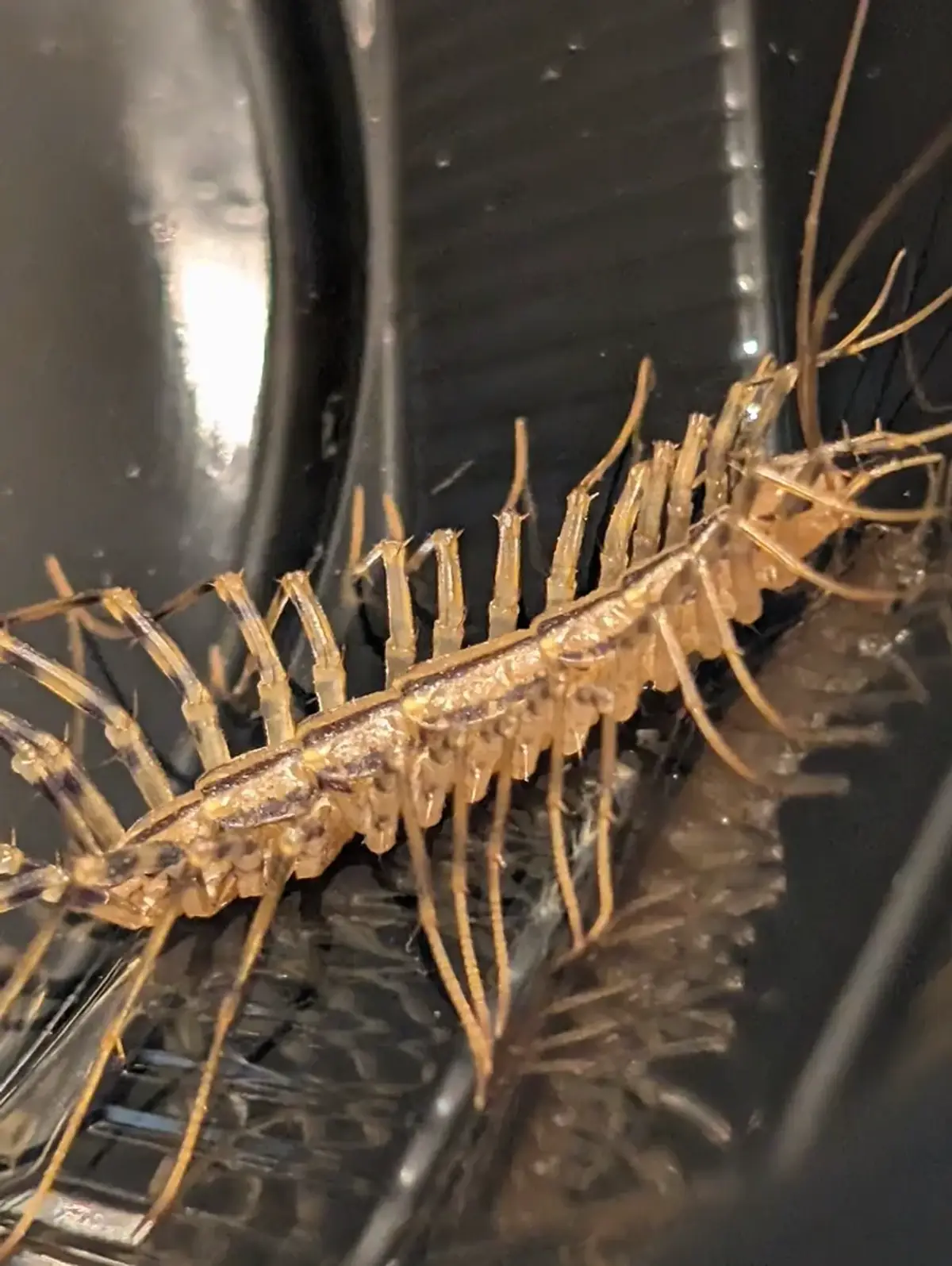
All centipedes have modified front legs called forcipules that act as venomous fangs. When a centipede catches prey, it uses these forcipules to inject venom. This venom paralyzes the prey and begins breaking down its soft tissues for easier consumption.
A 2025 study published in Frontiers in Ecology and Evolution found something remarkable. Large centipedes can subdue prey larger than themselves. This includes small vertebrates like frogs, lizards, and even bats. While house centipedes stick to insects, their hunting abilities are impressive for their size.
Nocturnal Hunting Behavior
Centipedes are primarily nocturnal hunters. They hide in dark, damp areas during the day and come out at night to search for food. This is why you often spot them in bathrooms, basements, and kitchens — these areas provide both moisture and prey.
Do Centipedes Actually Help Control Pests?
Here’s something that might surprise you: centipedes can actually benefit your home by eating pest insects. They share this role with other indoor predators like the masked hunter, an assassin bug that also hunts bed bugs, silverfish, and carpet beetles inside homes.
Penn State University Extension notes that house centipedes feed on “silverfish, firebrats, carpet beetle larvae, cockroaches, spiders, and other small arthropods.” Entomologist Michael Skvarla from Penn State has stated that house centipedes are “harmless” and feed on other indoor pests.
In my experience working pest control here in the DC area, seeing a lot of centipedes usually means something else is going on. If house centipedes are present in large numbers, it typically indicates an underlying pest issue.
As Penn State Extension explains, “the abundant centipedes are feeding on the abundant pests.” Basically, if centipedes have plenty to eat, they’ll stick around and multiply.
If you’re seeing centipedes regularly, it might be worth investigating what they’re feeding on. Setting out glue traps can help identify what other pests you might have.
What Different Centipede Species Eat
Not all centipedes have the same diet. Here in Northern Virginia, we primarily see house centipedes, but it helps to understand how diet varies by species.
House Centipedes
The most common indoor species. They prefer:
- Silverfish
- Cockroaches
- Spiders
- Carpet beetles
- Small flies
Garden Centipedes
Found in soil and mulch around your home. They eat:
Stone Centipedes
Typically found under rocks and debris. Their diet includes:
- Small invertebrates
- Fly larvae
- Springtails
Why Centipedes Are in Your Home
Centipedes don’t just wander into homes randomly. They come inside looking for two things: moisture and food.
Moisture Sources
Centipedes need humidity to survive. Common moisture sources that attract them include:
- Leaky pipes
- Poor bathroom ventilation
- Damp basements
- Crawl spaces with high humidity
- Foundation cracks that let in moisture
Food Sources
If your home has any of these pests, centipedes will follow:
- Silverfish in bathrooms or basements
- Cockroaches in kitchens
- Spiders throughout the home
- Carpet beetles in closets
- Earwigs in damp areas
- Pincher bugs near foundations
Do Centipedes Eat Dead Bugs?
One common question I get is whether centipedes will eat dead insects. The answer is generally no. Centipedes are active hunters that prefer live prey. They rely on movement to detect and capture their food.
This hunting behavior is actually what makes them effective pest controllers. Unlike some other predators that scavenge, centipedes actively seek out and eliminate living pests in your home.
Are Centipedes Dangerous?
While centipedes do have venomous fangs, experts generally consider house centipedes harmless to humans. Their venom targets small insects, and they rarely bite people. Even if bitten, the reaction is usually similar to a bee sting — painful but not dangerous for most people.
How to Control Centipedes in Your Home
If you’re seeing too many centipedes and want to reduce their numbers, here’s what I recommend based on my experience:
Step 1: Address Moisture Issues
- Fix leaky pipes and faucets
- Use dehumidifiers in damp areas
- Improve bathroom ventilation
- Ensure proper drainage around your foundation
Step 2: Eliminate Their Food Source
- Treat underlying pest problems
- Remove clutter where pests hide
- Keep storage areas clean and dry
Step 3: Seal Entry Points
- Caulk cracks in foundations and walls
- Seal gaps around pipes and utilities
- Install door sweeps
Step 4: Professional Treatment For persistent centipede problems, a perimeter pest treatment can help create a barrier around your home. This targets not just centipedes but also the prey insects they feed on.
If centipedes are showing up often, their food supply is nearby. Cutting off that supply is the fastest fix.
When to Call a Professional
A few centipedes here and there usually aren’t cause for concern. But if you’re seeing them frequently, it’s worth having a professional inspection. At Better Termite & Pest Control, we’ve been serving the Alexandria, Fairfax, Bethesda, and Burke areas for over 57 years. With over 1,000 five-star reviews and 300+ years of combined team experience, we know how to identify what’s attracting centipedes to your home and how to address it.
Remember, lots of centipedes usually means lots of other pests. A thorough inspection can uncover what they’re feeding on and help you get to the root of the problem.
Have questions about centipedes or other pests in your DC area home? Give us a call at 703-683-2000 or email us at info@bettertermite.com. We’re always happy to help identify what’s going on and recommend the best solution for your situation.